Common Witchhazel Bare Root Plant (Hamamelis Virginiana) – 2 Pack Outdoor Shrub
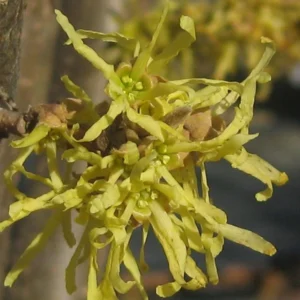
Common Witchhazel Bare Root Plant (Hamamelis Virginiana) – 2 Pack Outdoor Shrub
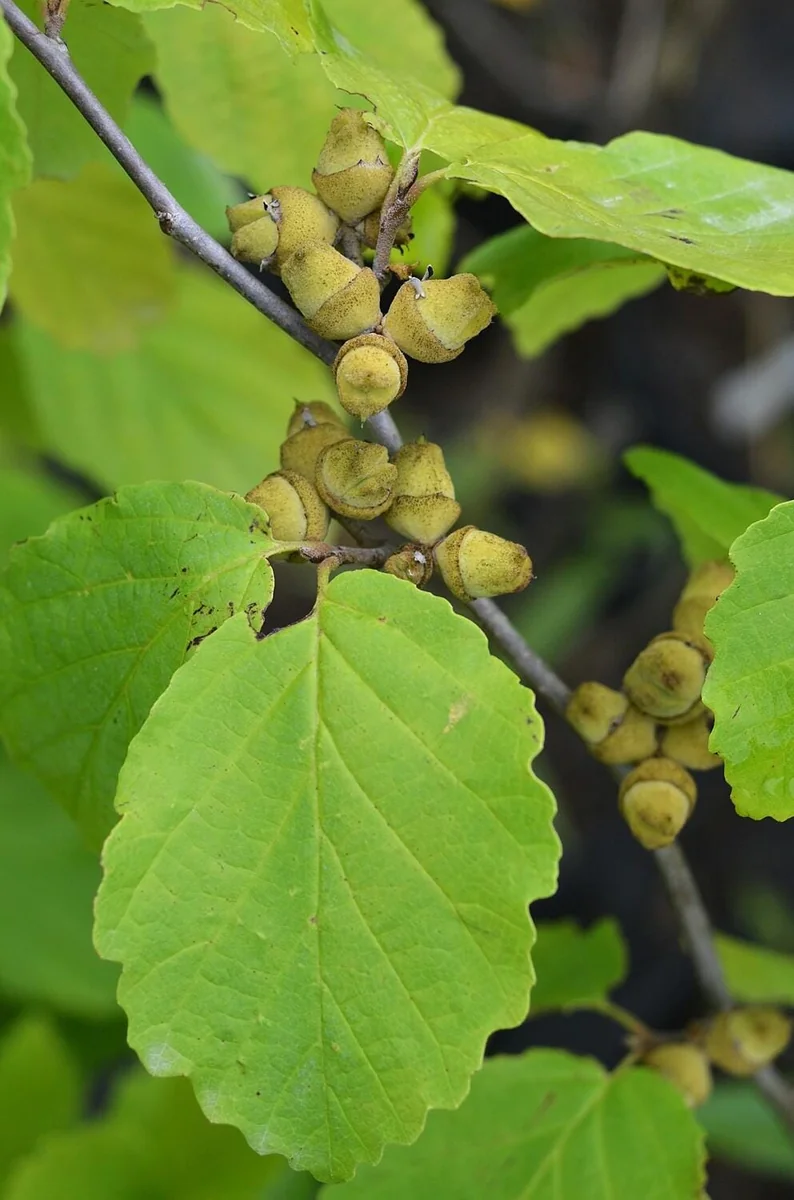
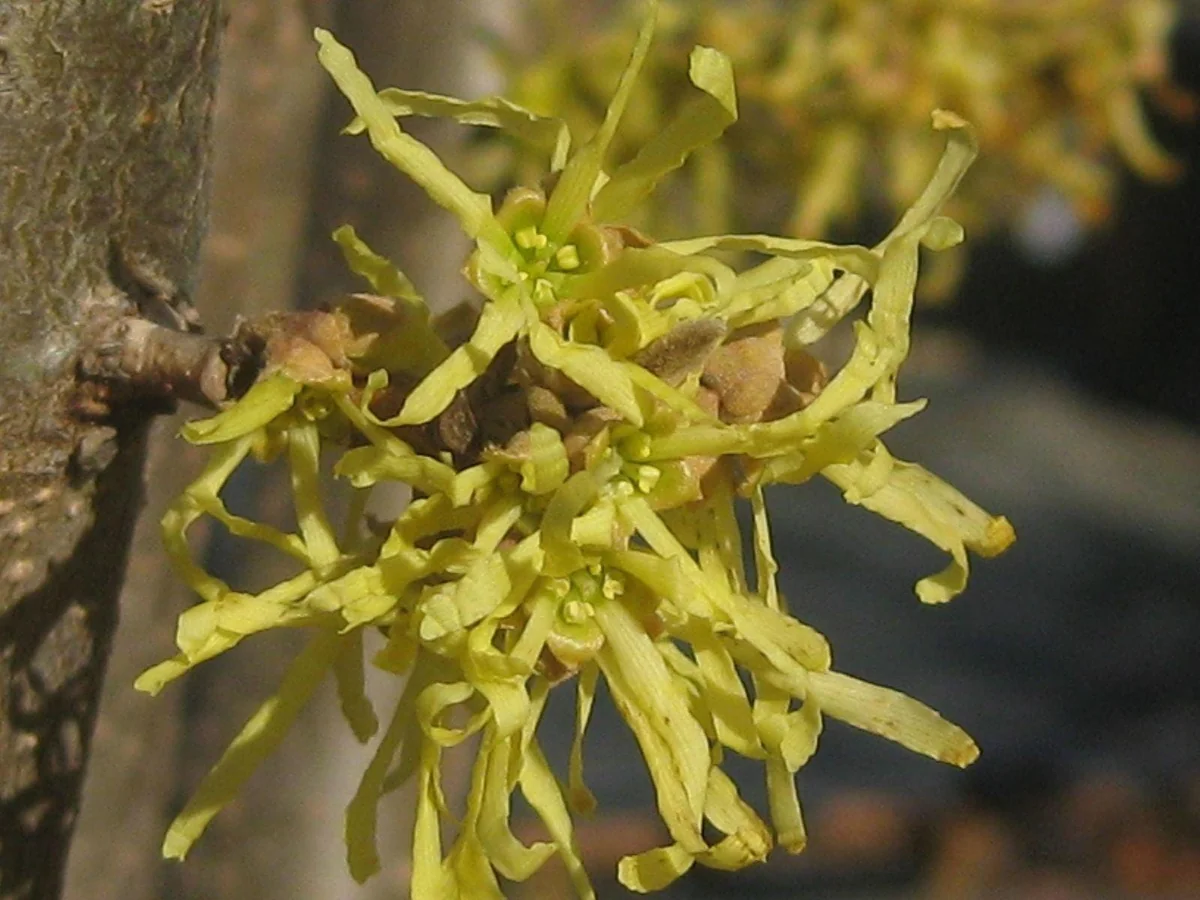
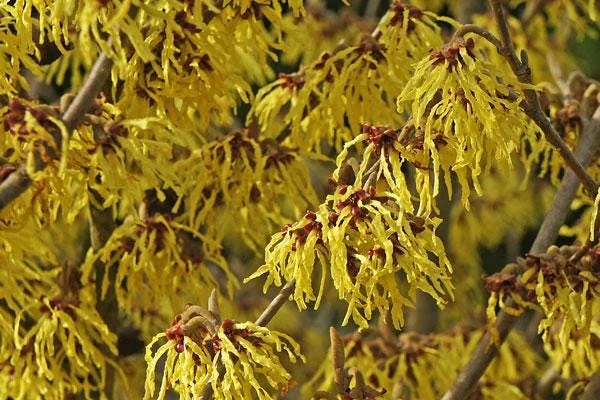
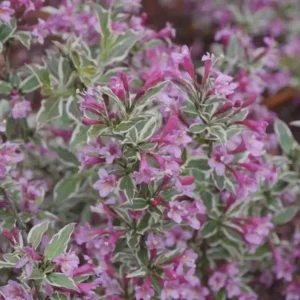
Bring captivating beauty to your landscape with the common witchhazel bare root. This hardy hamamelis virginiana plant is known for its unique late fall to late winter yellow blooms and stunning autumn leaf color. Ideal for woodland gardens or as a screening shrub, it offers year-round appeal.
From $75.00

With our Alive & Thrive Guarantee, we’ve got your back for the first 30 days! If you have any concerns about your plants, just reach out to us. Our team is here to help answer your questions and guide you in selecting the best plants for your garden, climate, and unique preferences. We're excited to help you create the garden of your dreams!
Estimated arrival
Mar 11
Mar 16 - Mar 18
Mar 21 - Mar 25
Product Details
-
USDA Hardiness Zone
USDA zones 3-8 -
Soil type
Moist, acidic, organically rich, well-draining soil -
Sunlight Exposure
Full sun to partial shade -
Expected Planting Period
Early spring
Overview
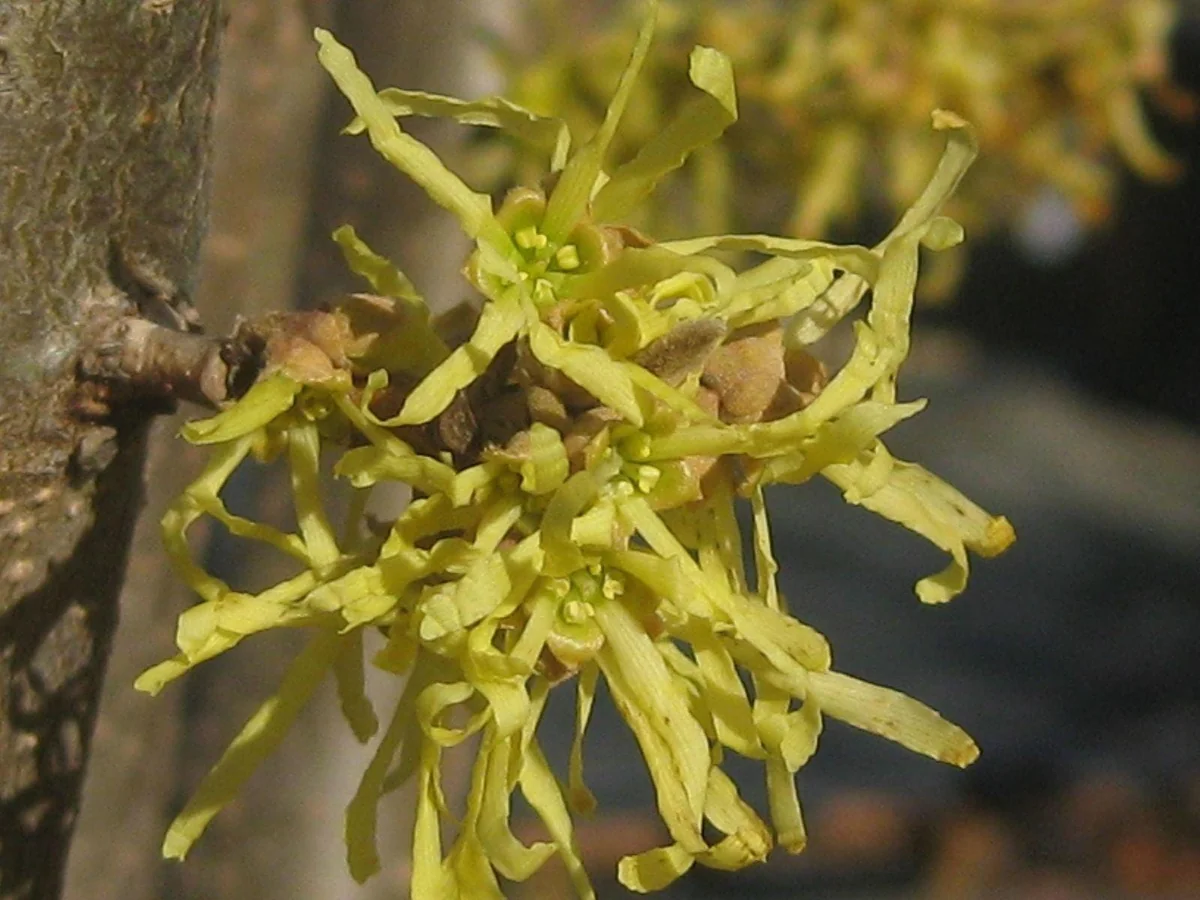
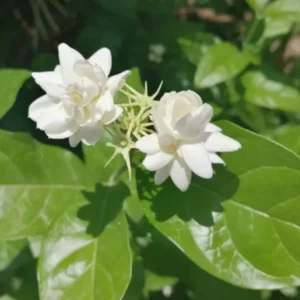
Introduce a touch of natural elegance and vibrant winter interest to your garden with the common witchhazel bare root. This remarkable deciduous shrub, scientifically known as Hamamelis virginiana, is a true marvel, offering a unique display when most other plants are dormant. Native to eastern North America, this plant is cherished for its distinctive spider-like yellow flowers that emerge from late fall into late winter, brightening even the dreariest of days. Beyond its charming blooms, the common witchhazel also boasts attractive yellow fall foliage, providing a spectacular seasonal show. As a versatile hamamelis virginiana plant, it can be grown as a large shrub or pruned into a small tree, making it suitable for various garden designs, from naturalized woodland settings to formal hedges.
Key Benefits
The common witchhazel bare root offers a multitude of benefits for any garden, making it a highly desirable addition. Its unique characteristics provide aesthetic appeal and ecological value throughout the year.
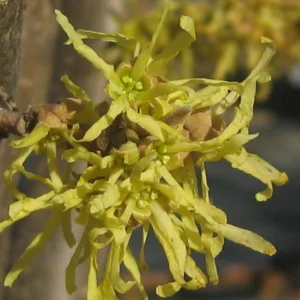
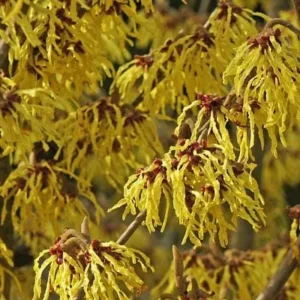
- Winter Blooming Beauty: One of its most significant advantages is its ability to produce cheerful yellow, ribbon-like flowers from late fall to late winter. These blooms add much-needed color and cheer to the landscape during the colder months, providing a focal point when other plants are dormant.
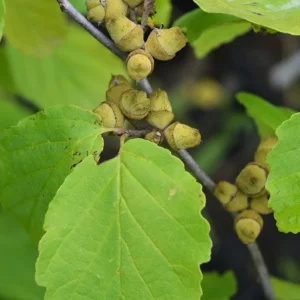
- Stunning Fall Foliage: Before its winter bloom, the leaves transform into a brilliant golden-yellow, creating a spectacular autumn display that rivals many other ornamental shrubs. This vibrant fall color enhances any garden setting.
- Wildlife Host Plant: This hamamelis virginiana plant serves as a crucial host for the larvae of the Witch hazel dagger moth, supporting local biodiversity and ecological balance.
- Versatile Landscape Use: Whether you’re looking for a dense screen, a tall hedge, a specimen plant, or a woodland garden addition, the common witchhazel bare root is incredibly adaptable. It can be pruned to maintain its desired shape and size.
- Deer Resistant & Tolerant: Known for its tolerance to heavy clay soil, erosion, and browsing by deer, this plant is a robust choice for challenging garden conditions, requiring less maintenance once established.
- Low Maintenance Care: Once settled, witch hazel care is relatively simple. It requires minimal pruning and is generally robust against common pests and diseases, making it suitable for both experienced and novice gardeners.
- Natural & Medicinal Value: Historically, witch hazel has been used for various medicinal purposes, though its primary modern appeal is its ornamental value in the garden.
Plant Care & Growing Tips
Proper witch hazel care ensures a healthy, vibrant plant that will adorn your garden for years. The common witchhazel bare root is a resilient plant, but understanding its basic needs will help it thrive. Plant your bare root in early spring. Dig a hole wide enough to accommodate the roots spread out, and deep enough so the crown of the plant is at soil level. Backfill with soil, gently tamping down, and water thoroughly.
For optimal growth and the best flowering performance, plant your hamamelis virginiana plant in full sun to partial shade. While it can tolerate some shade, a location with more sun exposure will encourage a more prolific bloom. The soil should be consistently moist, acidic, and rich in organic matter, with excellent drainage. Although it tolerates heavy clay soil, ensuring good drainage is still crucial to prevent root rot. Regular watering is essential, especially during dry spells, as witch hazel is intolerant of drought conditions. Mulching around the base of the plant can help retain soil moisture and regulate temperature.
Pruning is generally not necessary for the common witchhazel bare root, except to maintain its shape or remove any dead or crossing branches. If pruning is desired, do so in early spring after flowering. Keep in mind that the plant flowers on old wood, so excessive pruning can reduce the floral display for the following season. This plant is known for being a robust, low-maintenance choice, making witch hazel care straightforward. It’s also a fantastic winter blooming shrub and fall foliage plant, providing continuous interest throughout the year.
Size & Details
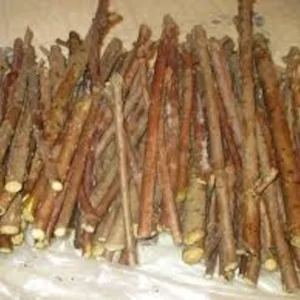
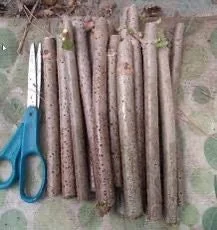
This offering includes 2 bare-root common witchhazel plants (Hamamelis virginiana). Bare-root plants are shipped dormant and without soil, making them lightweight and easy to plant upon arrival. When established, the hamamelis virginiana plant typically grows 15 to 20 feet tall, with a similar spread, forming a dense canopy that can serve as an effective spring and summer screen or tall hedge. Its growth rate is moderate, allowing it to establish well within a few seasons. Expect the first blooms in late fall to late winter, with the striking yellow fall foliage appearing earlier in the autumn. These plants are ideal for creating a naturalized look or adding structure to your landscape design, contributing significantly as a winter blooming shrub.
Frequently Asked Questions
- Q: How big does this common witchhazel bare root get? A: The hamamelis virginiana plant typically grows to a height of 15 to 20 feet and can spread similarly wide, forming a substantial shrub or small tree.
- Q: Is this an indoor or outdoor plant? A: The common witchhazel bare root is an outdoor plant, best suited for garden beds, woodland margins, or as a screening plant in your landscape.
- Q: How much sunlight does it need? A: It thrives in full sun to partial shade, with full sun encouraging the most abundant flowering.
- Q: Is this plant easy to care for? A: Yes, witch hazel care is considered relatively easy. It’s a low-maintenance shrub that tolerates various conditions once established, making it a good choice for beginners.
- Q: What condition will it arrive in? A: Your order will arrive as 2 bare-root common witchhazel plants, dormant and ready for planting. This is the ideal way to ship many deciduous shrubs for successful establishment.
- Q: When is the best time to plant this winter blooming shrub? A: The best time to plant bare-root witch hazel is in the early spring, allowing the plant ample time to establish its root system before the heat of summer.
- Q: Will it survive winter in my zone? A: The common witchhazel is very cold hardy, typically thriving in USDA Hardiness Zones 3-8, making it an excellent fall foliage plant for many regions.
- Q: What type of soil does it prefer? A: It prefers moist, acidic, organically rich, and well-draining soil, though it can tolerate heavy clay.
- Q: Does this plant attract wildlife? A: Yes, it serves as a host plant for the larvae of the Witch hazel dagger moth, contributing to local ecosystems.
- Q: How quickly will it grow? A: The common witchhazel has a moderate growth rate, meaning it will establish and grow at a steady pace, reaching its mature size over several years.
| Common Witchazel | 12-18'', 18-24'', 2-3' |
|---|
Related products
-50%
Original price was: $49.98.$24.99Current price is: $24.99.
-50%
Original price was: $83.00.$41.50Current price is: $41.50.

-50%

Original price was: $133.98.$66.99Current price is: $66.99.
-30%
Original price was: $73.98.$51.78Current price is: $51.78.
PLANTING & CARE

The Comprehensive Guide to Growing Bay Leaf Plants for a Flavorful Garden
Imagine stepping into your garden, greeted by the earthy aroma of fresh bay leaves, their
09
Feb
Feb

How to Make Comfrey Tea: The Ultimate Organic Plant Food
Growing an organic garden can be surprisingly expensive, especially when most store-bought fertilizers come in
02
Feb
Feb

True Comfrey: 7 Essential Tips Before You Plant This Herb
A staple in permaculture practices across the US, True Comfrey easily earns its reputation as
27
Jan
Jan

7 Heart-Shaped Plants for a Lasting Valentine’s Gift
If you’ve ever bought a bouquet of roses for Valentine’s Day, you know they are
26
Jan
Jan

Best Types of Ivy Plant for Houses: How to Choose the Perfect Ones for Your Home
Are you a garden lover looking to introduce some greenery into your home? Maybe you’ve
14
Nov
Nov

When to Harvest Garlic (Especially Fall-Planted Garlic)
TIMING IS EVERYTHING, they say – and for garlic, that truth hits with surprising accuracy.
13
Nov
Nov

11 of the Best Sweet Potato Varieties to Grow for Your Garden
If you’ve ever tried growing sweet potatoes, you know that picking the right variety can
12
Nov
Nov
Pruning Bougainvillea for Winter
Bougainvillea vines are known for their dazzling display of magenta, orange, and fuchsia bracts that
05
Nov
Nov