Black Olive Live Tree – Cold Hardy Air Layered Plant – 3ft and Up – Outdoor


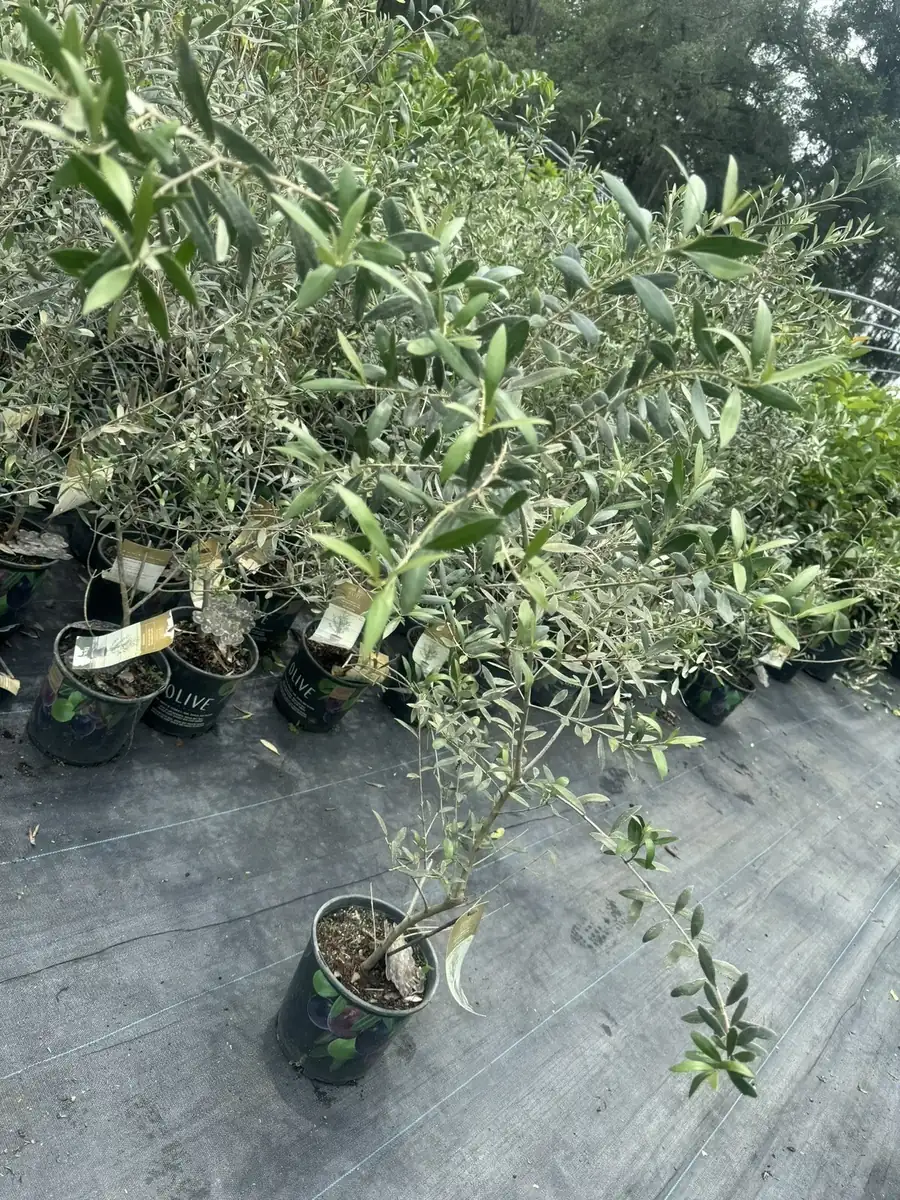

Black Olive Live Tree – Cold Hardy Air Layered Plant – 3ft and Up – Outdoor
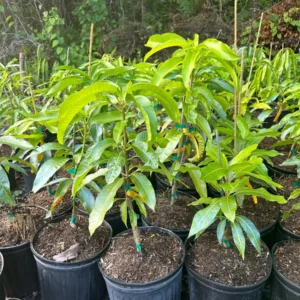
Enhance your landscape with a thriving Black Olive live tree, known for its elegant foliage and strong, cold-hardy nature. This plant is propagated through air layering, ensuring a robust root system and vigorous growth. Standing 3ft and taller, it’s ready to make a statement in your outdoor garden.
$150.00

With our Alive & Thrive Guarantee, we’ve got your back for the first 30 days! If you have any concerns about your plants, just reach out to us. Our team is here to help answer your questions and guide you in selecting the best plants for your garden, climate, and unique preferences. We're excited to help you create the garden of your dreams!
Estimated arrival
Mar 01
Mar 06 - Mar 08
Mar 11 - Mar 15
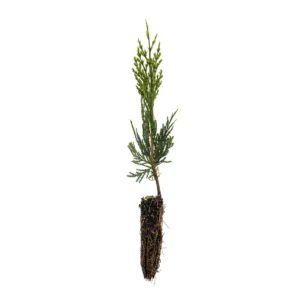
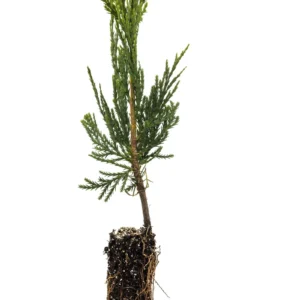
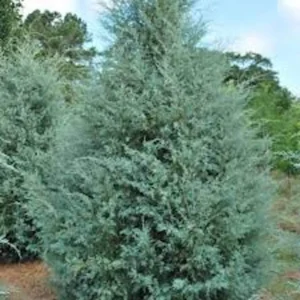
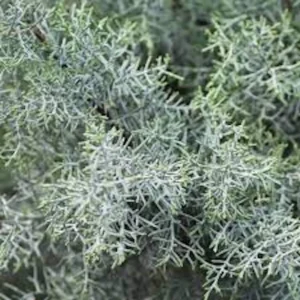
Product Details
-
USDA Hardiness Zone
USDA Zones 9-11 -
Soil type
Well-draining soil -
Sunlight Exposure
Full sun -
Expected Planting Period
Spring to early fall
Overview
Introduce a touch of sophisticated greenery to your outdoor space with this impressive Black Olive live tree. Renowned for its distinctive dark green leaves and attractive, often multi-trunked form, the Black Olive (Bucida buceras) is a popular choice for warm climates. These particular trees are grown using the air layering propagation method, which results in a well-established root system, promoting healthier and more vigorous growth from the start. Standing at 3 feet and up, these cold hardy trees are suitable for various landscape designs, from specimen planting to shade trees. Their dense canopy provides ample shade, while their unique branching structure adds architectural interest to any garden or yard.
Key Benefits
The Black Olive live tree offers numerous advantages for the discerning gardener:
- Elegant Aesthetic: The tree boasts a beautiful, dense canopy of small, dark green leaves, creating a lush and tropical feel in your landscape.
- Cold Hardiness: These specific trees are noted for being cold hardy olive tree varieties, making them more resilient in cooler temperatures than typical olive species, expanding their viable growing regions.
- Air Layered for Vigor: Propagated by the air layer tree method, these plants have a strong, well-developed root system, leading to faster establishment and healthier growth.
- Low Maintenance: Once established, the Black Olive tree is relatively low-maintenance, requiring minimal care and thriving in various conditions.
- Shade Provider: With its full, spreading canopy, this tree is an excellent choice for providing natural shade in your garden, patio, or outdoor living areas.
- Drought Tolerant: The Black Olive tree demonstrates good drought tolerance once mature, making it a sustainable option for water-wise landscaping.
- Attracts Wildlife: While not primarily known for fruit, the small, inconspicuous flowers can attract pollinators, and the tree provides shelter for local wildlife.
Plant Care & Growing Tips
Caring for your Black Olive live tree is straightforward, ensuring years of beauty with proper attention. These trees thrive in full sun, requiring at least 6 hours of direct sunlight daily for optimal growth and health. They are adaptable to a range of soil types but prefer well-draining soil. Avoid planting in areas where water tends to collect, as excessive moisture can lead to root rot. Once established, these trees are quite drought-tolerant, but regular watering during dry spells, especially in their first year, will promote stronger growth. For young trees, water deeply 2-3 times a week, reducing frequency as the tree matures. The cold hardy olive tree can tolerate temperatures down to approximately 20-25°F (-6 to -4°C) once mature, making it suitable for USDA Zones 9-11. In colder zones, consider providing winter protection or growing in a large container that can be moved indoors.
Fertilization is best done in spring and late summer with a balanced slow-release fertilizer designed for trees and shrubs. Follow package instructions for application rates. Pruning is generally minimal, focused on shaping the canopy and removing any dead or diseased branches. This also helps to encourage a strong central leader or a desired multi-trunk form. While generally pest-resistant, keep an eye out for common issues like scale or mealybugs and treat with horticultural oil if necessary. The outdoor olive plant is a resilient choice, but consistent care in its early stages will ensure a robust and long-lived specimen.
Size & Details
This offering includes a vibrant Black Olive live tree that stands at 3 feet and up, providing an immediate impact in your garden. These trees are propagated through air layering, a method that ensures a robust and healthy root system, contributing to the plant’s overall vitality and growth rate. They are typically shipped as a potted plant, ready for immediate transplanting into your chosen outdoor location. The Black Olive tree is known for its moderate to fast growth rate, quickly developing into a substantial shade tree. Its mature size can reach 25-40 feet in height with a similar spread, though it can be maintained smaller with proper pruning. Expect to enjoy the lush, dark green foliage and the architectural beauty of this tree for many years to come.
Frequently Asked Questions
- Q: How big does this Black Olive live tree get? A: This particular tree is 3 feet and up when shipped. With proper care, a mature Black Olive tree can reach heights of 25-40 feet and have a similar spread, creating a significant canopy.
- Q: Is this an indoor or outdoor olive plant? A: The Black Olive tree is primarily an outdoor plant, thriving in full sun and warm climates. While it can be grown in containers, it is not typically suited for long-term indoor cultivation due to its size and light requirements.
- Q: How much sunlight does the air layer tree need? A: The Black Olive tree requires full sun, meaning at least 6 hours of direct sunlight per day, to achieve its best growth and maintain its dense foliage.
- Q: Is this a cold hardy olive tree? A: Yes, these Black Olive trees are specifically selected for their cold hardiness, making them more tolerant of cooler temperatures than many other olive varieties. They are generally suitable for USDA Zones 9-11.
- Q: What condition will the tree arrive in? A: Your Black Olive live tree will arrive as a healthy, well-rooted potted plant, carefully packaged to ensure its safe journey to your home.
- Q: When is the best time to plant a Black Olive tree? A: The best time to plant a Black Olive tree is in the spring or early fall, allowing it to establish its root system before extreme summer heat or winter cold.
- Q: What kind of soil is best for a Bucida buceras? A: Black Olive trees prefer well-draining soil and are adaptable to various soil types, including sandy, loamy, or clay soils, as long as they are not waterlogged.
- Q: How often should I water my newly planted Black Olive tree? A: For the first year after planting, water your new Black Olive tree deeply 2-3 times per week, especially during dry periods, to help establish a strong root system. Reduce frequency as the tree matures.
- Q: Is the Black Olive tree messy? A: Black Olive trees are generally considered clean trees. They do not produce olives or significant fruit drop that would create a mess.
- Q: How does the air layering method benefit the tree? A: The air layer tree method involves rooting a branch while it’s still attached to the parent plant, resulting in a stronger, more mature root system compared to cuttings, which can lead to faster establishment and growth.
Related products
-20%
Original price was: $36.00.$28.80Current price is: $28.80.
PLANTING & CARE

The Comprehensive Guide to Growing Bay Leaf Plants for a Flavorful Garden
Imagine stepping into your garden, greeted by the earthy aroma of fresh bay leaves, their
09
Feb
Feb

How to Make Comfrey Tea: The Ultimate Organic Plant Food
Growing an organic garden can be surprisingly expensive, especially when most store-bought fertilizers come in
02
Feb
Feb

True Comfrey: 7 Essential Tips Before You Plant This Herb
A staple in permaculture practices across the US, True Comfrey easily earns its reputation as
27
Jan
Jan

7 Heart-Shaped Plants for a Lasting Valentine’s Gift
If you’ve ever bought a bouquet of roses for Valentine’s Day, you know they are
26
Jan
Jan

Best Types of Ivy Plant for Houses: How to Choose the Perfect Ones for Your Home
Are you a garden lover looking to introduce some greenery into your home? Maybe you’ve
14
Nov
Nov

When to Harvest Garlic (Especially Fall-Planted Garlic)
TIMING IS EVERYTHING, they say – and for garlic, that truth hits with surprising accuracy.
13
Nov
Nov

11 of the Best Sweet Potato Varieties to Grow for Your Garden
If you’ve ever tried growing sweet potatoes, you know that picking the right variety can
12
Nov
Nov
Pruning Bougainvillea for Winter
Bougainvillea vines are known for their dazzling display of magenta, orange, and fuchsia bracts that
05
Nov
Nov