20 Ogallala Strawberry Bare Roots – Everbearing Fruit Plant for Gardens
-20%
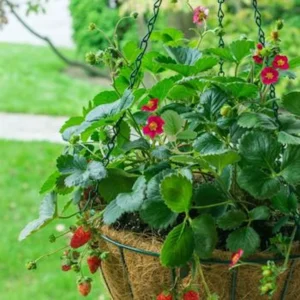
20 Ogallala Strawberry Bare Roots – Everbearing Fruit Plant for Gardens
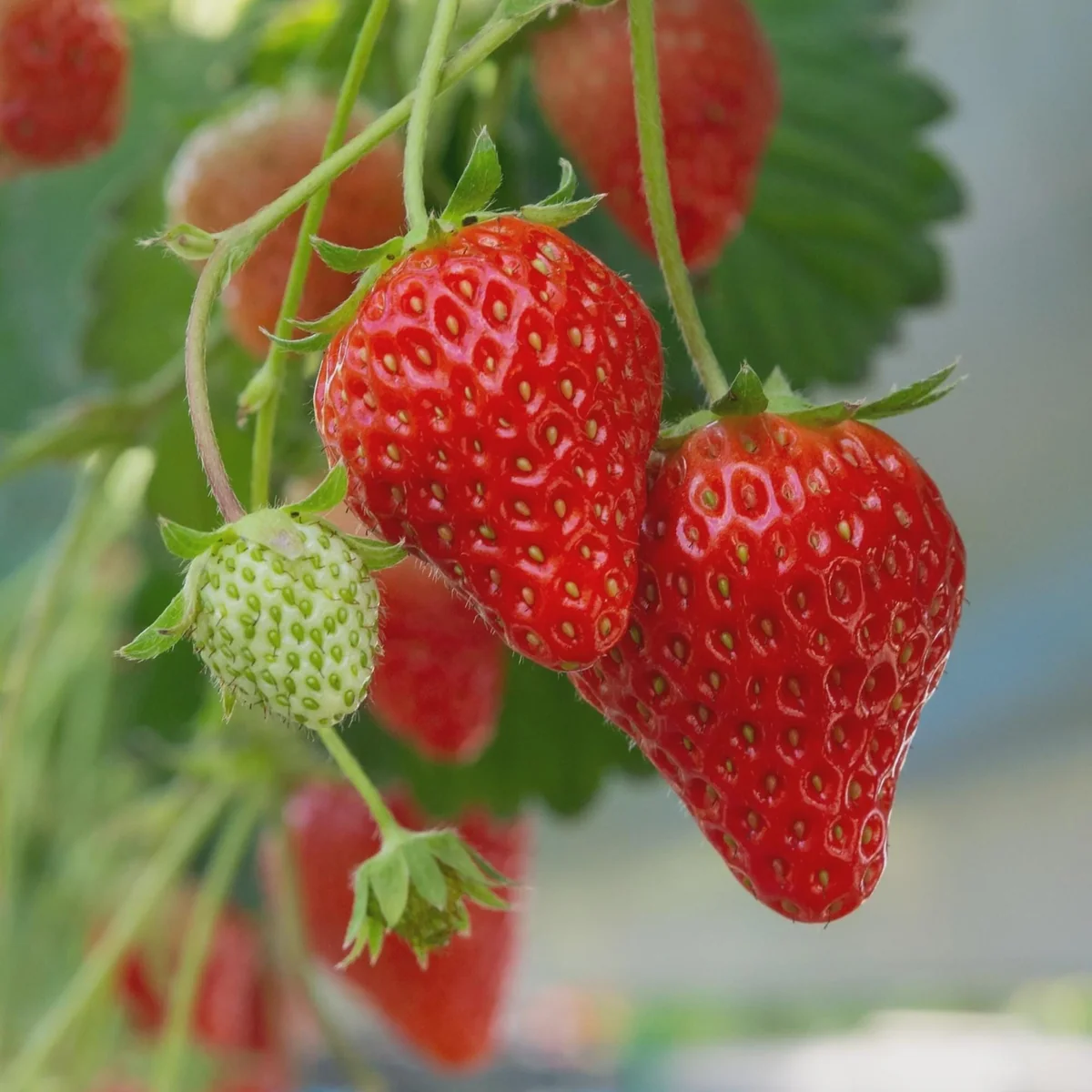
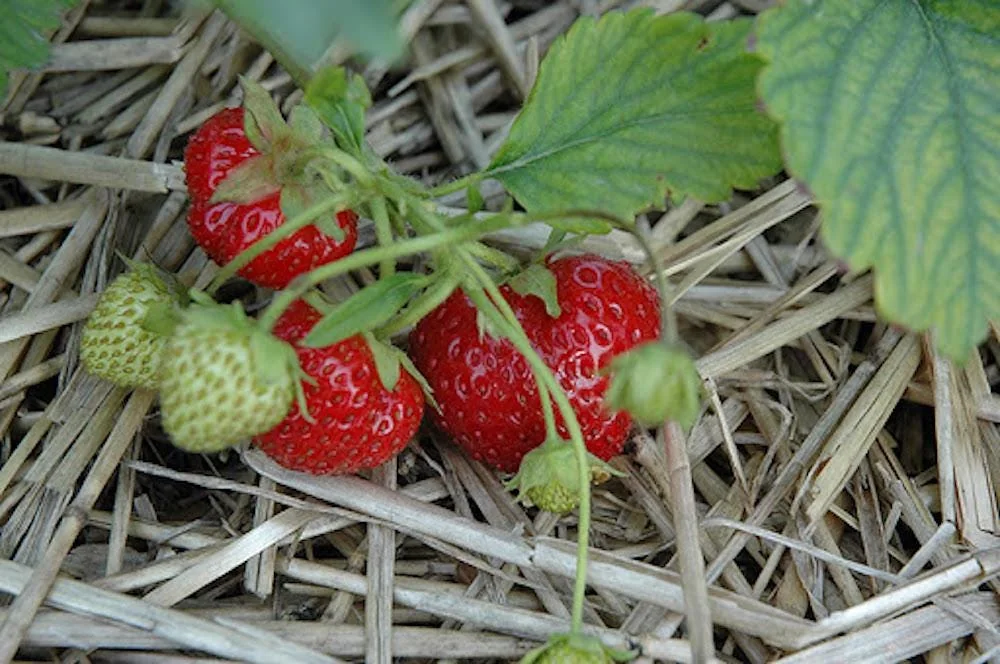
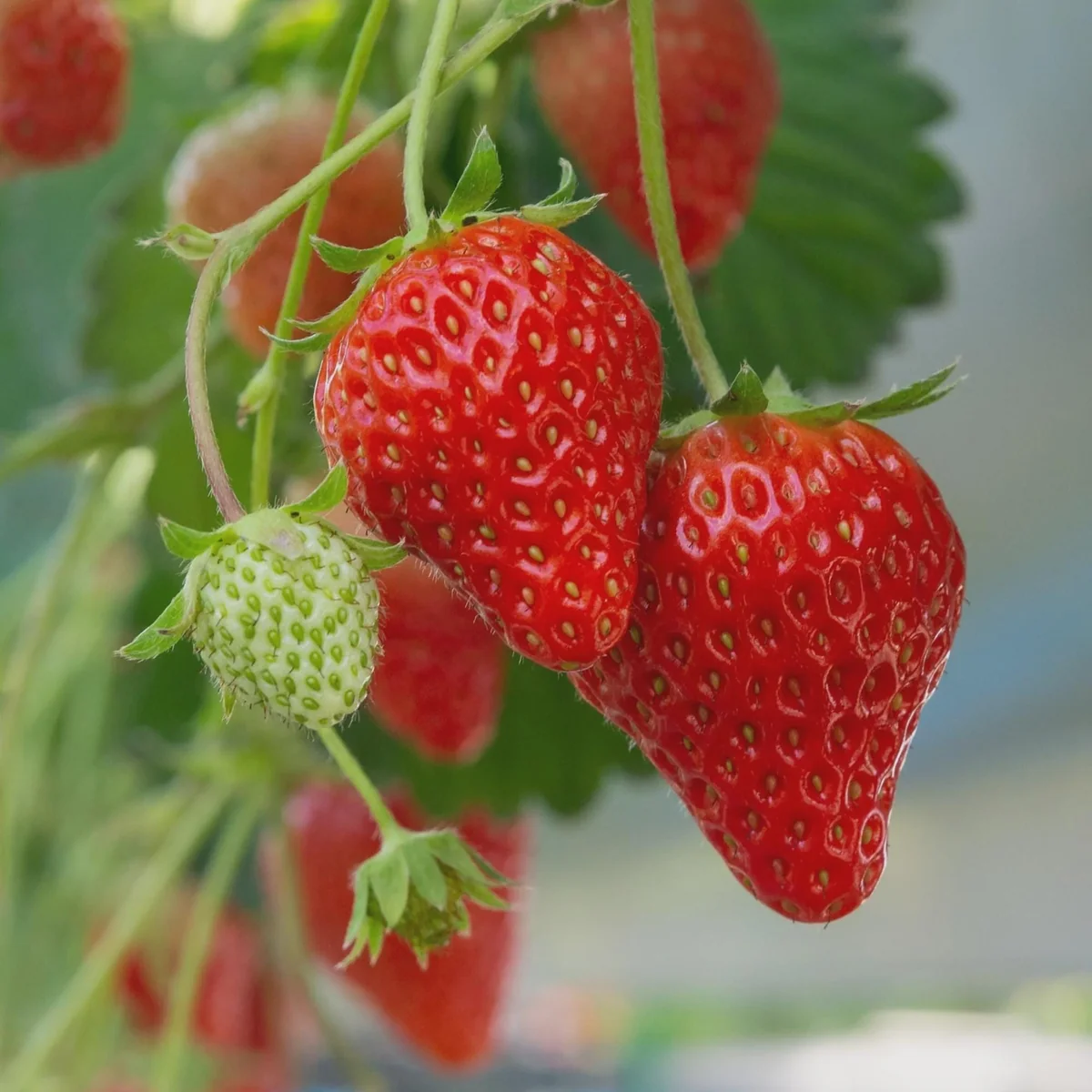
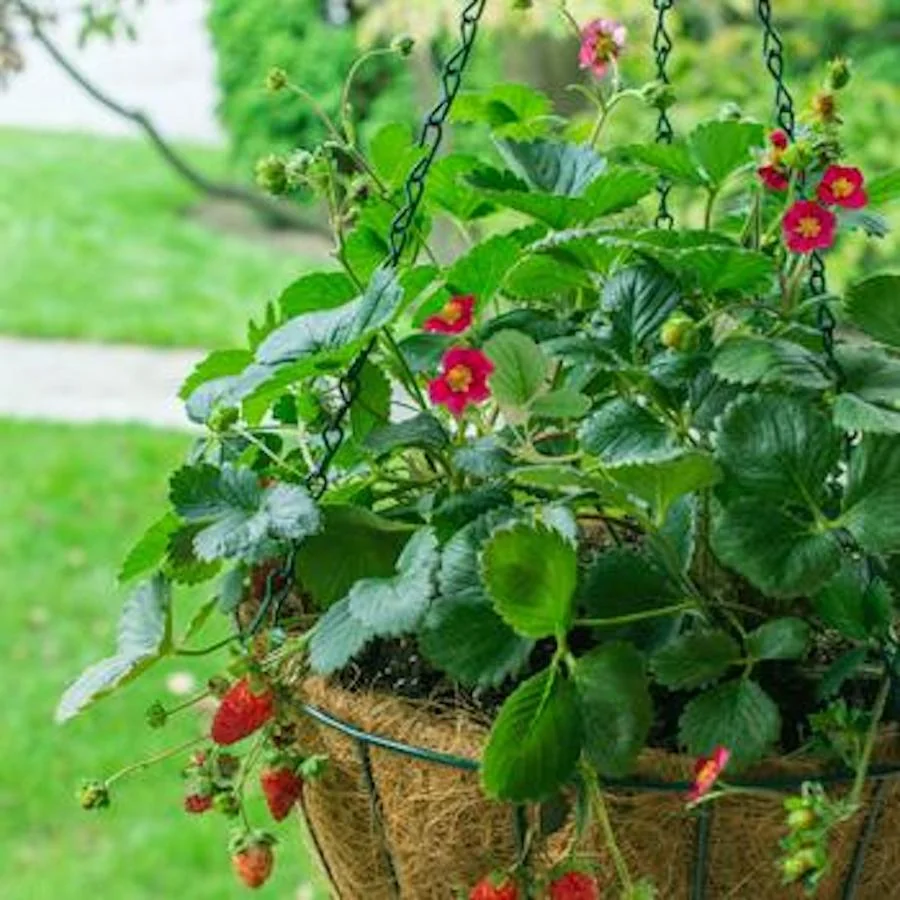
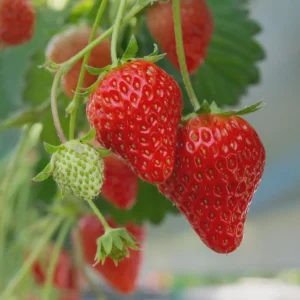
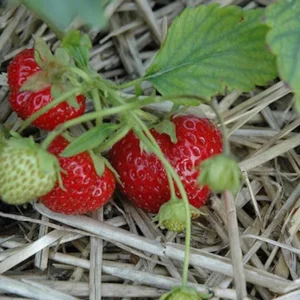
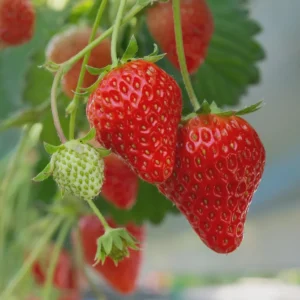
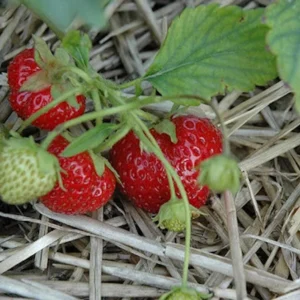
Cultivate your own delicious fruit with these 20 Ogallala Strawberry Bare Roots. This everbearing strawberry plants variety produces sweet, firm, bright red berries from late spring to mid-fall. Known for being a hardy strawberry variety, it thrives in cold climates and is perfect for home gardens and containers in USDA Zones 3-9, offering a continuous harvest of berries with a delightful, wild strawberry flavor.
Original price was: $52.00.$41.60Current price is: $41.60.

With our Alive & Thrive Guarantee, we’ve got your back for the first 30 days! If you have any concerns about your plants, just reach out to us. Our team is here to help answer your questions and guide you in selecting the best plants for your garden, climate, and unique preferences. We're excited to help you create the garden of your dreams!
Estimated arrival
Mar 12
Mar 17 - Mar 19
Mar 22 - Mar 26
Product Details
-
USDA Hardiness Zone
USDA Hardiness Zones 3-9 -
Soil type
Moist, well-drained, fertile soil -
Sunlight Exposure
Full sun -
Expected Planting Period
Early spring or late fall
Overview
Embark on a rewarding gardening journey with our 20 Ogallala Strawberry Bare Roots. The Ogallala strawberry is a highly sought-after, everbearing variety celebrated for its exceptional sweetness, reminiscent of wild strawberries, and its robust nature. These bare roots offer a fantastic opportunity to establish a productive patch of everbearing strawberry plants in your home garden or containers. Known for their continuous harvest, these plants deliver a bounty of firm, plump, and vibrant red berries from late spring through mid-fall. This makes them an ideal choice for gardeners eager to enjoy fresh fruit over an extended period. The ‘Ogallala’ variety is particularly vigorous, demonstrating excellent winter hardiness and drought tolerance, making it a reliable performer even in challenging northern climates. If you are looking for a hardy strawberry variety that offers both flavor and resilience, look no further. These bare roots are ready to be planted and transform into thriving strawberry plants, bringing the joy of homegrown fruit to your table.
The Ogallala strawberry bare roots are a prime choice for those seeking a low-maintenance yet high-yield fruit plant. Their adaptability to various conditions, especially their suitability for cold climates, sets them apart. Imagine stepping into your garden and plucking ripe, juicy strawberries, bursting with a delightful sweet strawberry flavor. These plants are not only productive but also add a charming aesthetic to any garden space with their lush green foliage. Whether you’re a seasoned gardener or just starting, these bare roots provide a straightforward path to enjoying fresh, organic strawberries.
Key Benefits
Our Ogallala strawberry bare roots offer numerous advantages for the home gardener, providing a continuous supply of delicious fruit and enhancing your outdoor space.
- Continuous Harvest: Enjoy a prolonged fruiting season with these everbearing strawberry plants, producing berries from late spring right through to mid-fall. This means fewer gaps between harvests and more fresh strawberries for longer.
- Exceptional Flavor: Experience the distinct and delightful sweet strawberry flavor that the Ogallala variety is renowned for, often compared to wild strawberries. Perfect for eating fresh, in desserts, or preserves.
- Superior Hardiness: This is a truly hardy strawberry variety, known for its vigor, winter hardiness, and drought tolerance. It performs exceptionally well in northern states and can withstand various environmental stresses.
- Adaptable Growth: Ideal for a range of growing environments, whether planted directly in garden beds, raised beds, or containers. This flexibility makes them suitable for almost any home setup.
- Disease Resistance: The ‘Ogallala’ variety is generally robust and resilient, offering good resistance to common strawberry diseases, contributing to a healthier and more productive patch.
- Easy to Grow: Even novice gardeners will find success with these bare roots. With proper planting and care, these plants establish quickly and begin producing fruit.
- Cold Climate Performance: Specifically suited to grow strawberries cold climate, these plants thrive in USDA Hardiness Zones 3-9, ensuring a successful harvest where other varieties might struggle.
Plant Care & Growing Tips
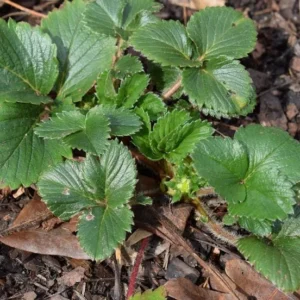
Proper care is essential to ensure your 20 Ogallala Strawberry Bare Roots flourish and produce an abundant harvest. Upon arrival, plant your bare roots as soon as possible. If immediate planting isn’t feasible, store them in a cool, dark place, keeping the roots slightly moist. Before planting, soak the bare roots in water for about 20 minutes to rehydrate them. Dig a hole wide enough to spread the roots out without bending them upwards, ensuring the crown of the plant (where the roots meet the stem) is at soil level. Planting too deep or too shallow can hinder growth.
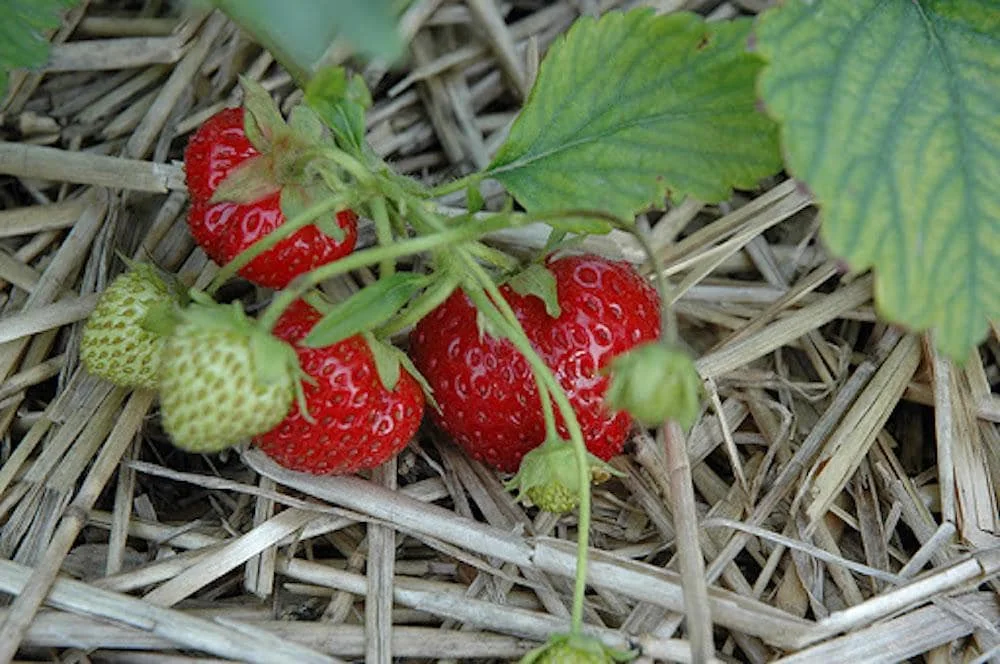
These everbearing strawberry plants thrive in a location that receives full sun, meaning at least 6-8 hours of direct sunlight per day. Adequate sunlight is crucial for fruit production and flavor development. They prefer moist, well-drained, and fertile soil. Amend heavy clay soils with compost or other organic matter to improve drainage and fertility. A slightly acidic to neutral pH (6.0-6.8) is ideal. Water regularly, especially during dry spells and when the plants are fruiting, aiming for consistently moist but not waterlogged soil. Mulching around the plants can help retain soil moisture, suppress weeds, and regulate soil temperature. Fertilize your hardy strawberry variety with a balanced fertilizer in spring and again after the first flush of berries to support continuous production. For those looking to grow strawberries cold climate, ensuring adequate winter protection, such as a layer of straw mulch, is beneficial in colder zones to protect the crowns from freezing temperatures. Remove any runners during the first year to encourage stronger plant establishment and better fruit production, though allowing some runners in subsequent years can help propagate new plants.
Size & Details
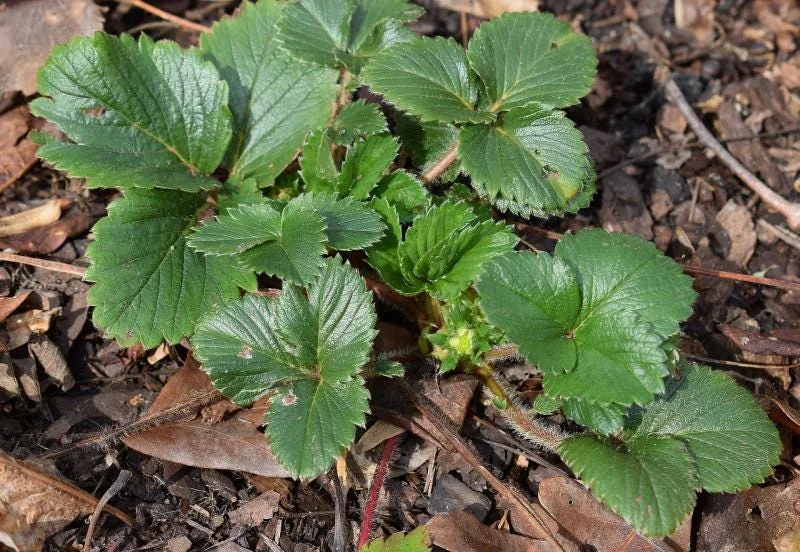
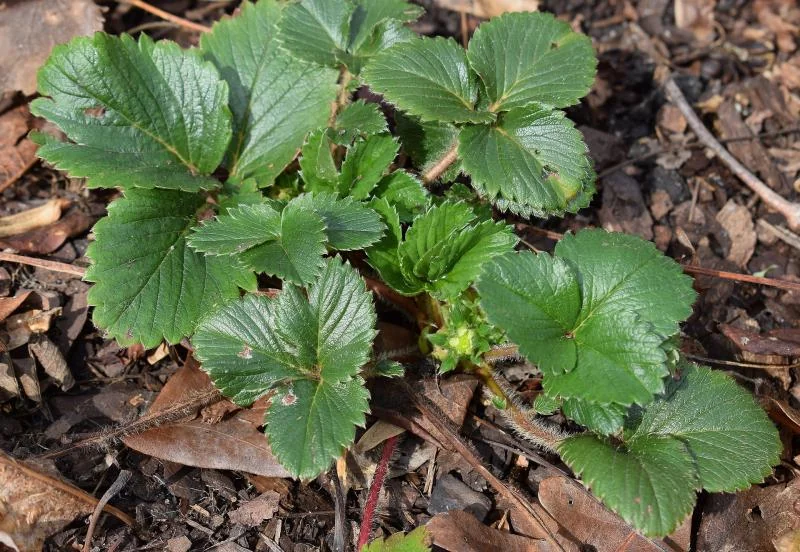
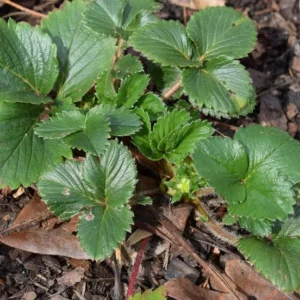
This offering includes 20 Ogallala Strawberry Bare Roots, ready for planting. These bare roots are dormant plants without soil or foliage, which allows for easy shipping and quick establishment once planted. The ‘Ogallala’ variety typically grows to a height of about 6-12 inches with a spreading habit as it produces runners, which can be used to propagate new plants. These everbearing strawberry plants will begin to produce berries in their first year, with significant yields in subsequent years. They are well-suited for USDA Hardiness Zones 3-9, demonstrating exceptional resilience across a wide range of climates. Expect a continuous harvest of berries from late spring to mid-fall, providing a steady supply of fresh, delicious fruit. The bare roots are carefully selected to ensure strong, healthy growth in your garden.
Frequently Asked Questions
- Q: How many Ogallala strawberry bare roots are included in this order? A: This order includes 20 Ogallala Strawberry Bare Roots, providing a generous quantity to start a productive strawberry patch in your garden.
- Q: What condition will the bare roots arrive in? A: The bare roots will arrive dormant and without soil or foliage, which is their natural state for planting. They are carefully packaged to ensure they remain healthy during transit.
- Q: When is the best time to plant these Ogallala strawberry bare roots? A: The ideal time to plant your everbearing strawberry plants is in early spring, after the last frost, or in late fall before the ground freezes. This allows them to establish roots before extreme temperatures.
- Q: How much sunlight do these plants need to produce fruit? A: Ogallala strawberries require full sun, meaning at least 6-8 hours of direct sunlight daily, for optimal fruit production and the best sweet strawberry flavor.
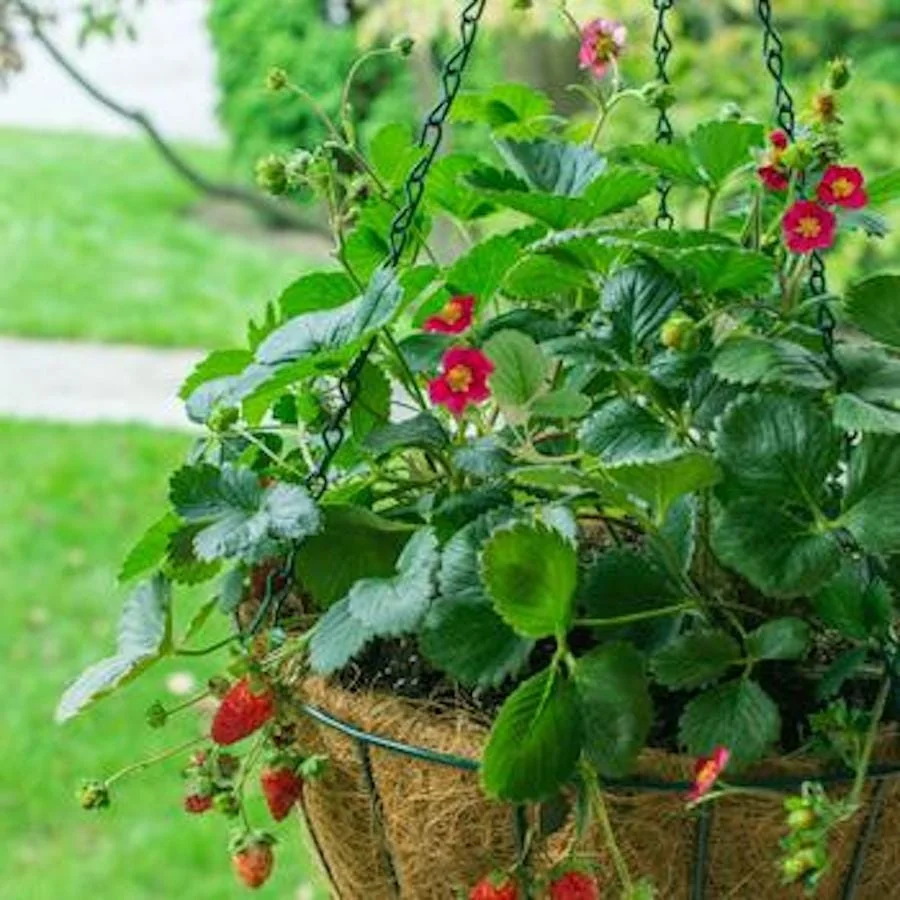
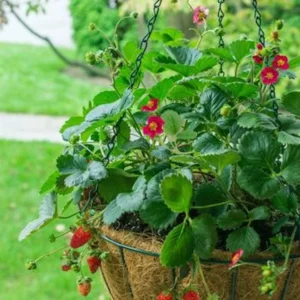
- Q: Are these strawberries suitable for containers? A: Yes, these hardy strawberry variety plants are well-suited for growing in containers, hanging baskets, or raised beds, making them versatile for various garden spaces.
- Q: How long until I can expect to harvest berries from these plants? A: You can typically expect your Ogallala strawberry bare roots to start producing berries in their first year after planting, with a more substantial harvest in subsequent years.
- Q: What USDA Hardiness Zones are suitable for growing Ogallala strawberries? A: The ‘Ogallala’ variety is particularly robust and can successfully grow strawberries cold climate in USDA Hardiness Zones 3 through 9.
- Q: Do these plants require any special soil preparation? A: They prefer moist, well-drained, and fertile soil. Amending your soil with compost or other organic matter can significantly improve their growth and yield.
- Q: How big do the Ogallala strawberry plants get? A: These plants typically grow to about 6-12 inches in height and spread via runners, forming a dense patch over time.
- Q: Are Ogallala strawberries everbearing? A: Yes, these are indeed everbearing strawberry plants, meaning they will produce fruit continuously from late spring to mid-fall, rather than just one flush per season.
Related products
-20%
Original price was: $32.00.$25.60Current price is: $25.60.
-20%
Original price was: $60.00.$48.00Current price is: $48.00.
-10%
Original price was: $89.99.$80.99Current price is: $80.99.
-49%
Original price was: $59.38.$29.99Current price is: $29.99.
-20%
Original price was: $36.00.$28.80Current price is: $28.80.
-20%
Original price was: $50.00.$40.00Current price is: $40.00.
-20%
Original price was: $31.98.$25.58Current price is: $25.58.
PLANTING & CARE

The Comprehensive Guide to Growing Bay Leaf Plants for a Flavorful Garden
Imagine stepping into your garden, greeted by the earthy aroma of fresh bay leaves, their
09
Feb
Feb

How to Make Comfrey Tea: The Ultimate Organic Plant Food
Growing an organic garden can be surprisingly expensive, especially when most store-bought fertilizers come in
02
Feb
Feb

True Comfrey: 7 Essential Tips Before You Plant This Herb
A staple in permaculture practices across the US, True Comfrey easily earns its reputation as
27
Jan
Jan

7 Heart-Shaped Plants for a Lasting Valentine’s Gift
If you’ve ever bought a bouquet of roses for Valentine’s Day, you know they are
26
Jan
Jan

Best Types of Ivy Plant for Houses: How to Choose the Perfect Ones for Your Home
Are you a garden lover looking to introduce some greenery into your home? Maybe you’ve
14
Nov
Nov

When to Harvest Garlic (Especially Fall-Planted Garlic)
TIMING IS EVERYTHING, they say – and for garlic, that truth hits with surprising accuracy.
13
Nov
Nov

11 of the Best Sweet Potato Varieties to Grow for Your Garden
If you’ve ever tried growing sweet potatoes, you know that picking the right variety can
12
Nov
Nov
Pruning Bougainvillea for Winter
Bougainvillea vines are known for their dazzling display of magenta, orange, and fuchsia bracts that
05
Nov
Nov