Buddha’s Hand Citron Tree – Semi-Dwarf Live Plant – 1/2 Gallon Pot – Indoor/Outdoor No ship CA,HI
-40%
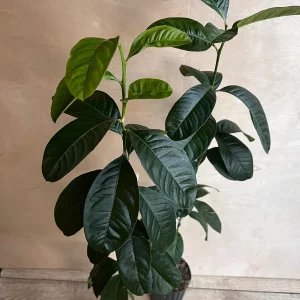
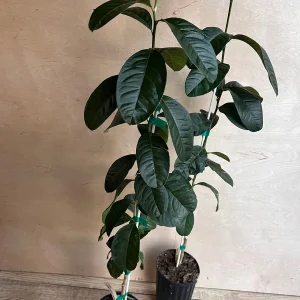
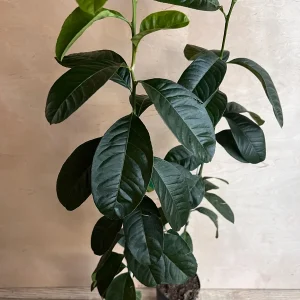
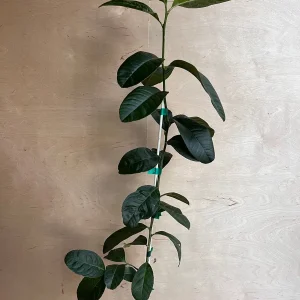
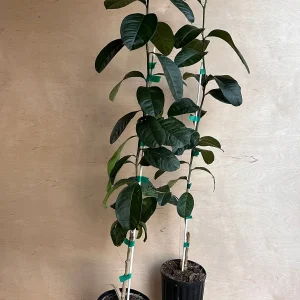
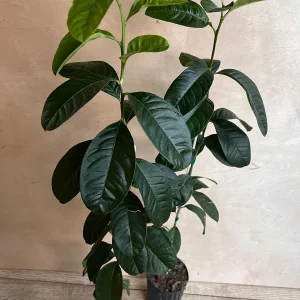
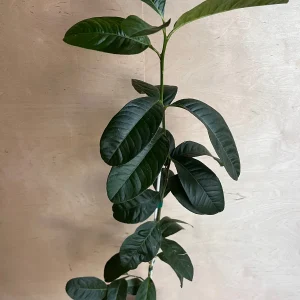
Buddha’s Hand Citron Tree – Semi-Dwarf Live Plant – 1/2 Gallon Pot – Indoor/Outdoor No ship CA,HI
Cultivate a unique conversation piece with the buddha’s hand citron tree. This semi-dwarf live plant, shipped in a 1/2 gallon pot, produces aromatic, fingered fruit known for its strong citrus scent and culinary versatility. Perfect for indoor growing or outdoor in warm climates.
Original price was: $113.96.$68.38Current price is: $68.38.

With our Alive & Thrive Guarantee, we’ve got your back for the first 30 days! If you have any concerns about your plants, just reach out to us. Our team is here to help answer your questions and guide you in selecting the best plants for your garden, climate, and unique preferences. We're excited to help you create the garden of your dreams!
Estimated arrival
Oct 14
Oct 19 - Oct 21
Oct 24 - Oct 28
Product Details
-
USDA Hardiness Zone
USDA zones 9-11 (outdoors), can be grown indoors in all zones -
Soil type
Well-draining citrus potting mix -
Sunlight Exposure
Full sun (6-8 hours direct light) -
Expected Planting Period
Year-round indoors, spring to early summer outdoors
Overview
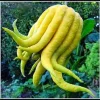
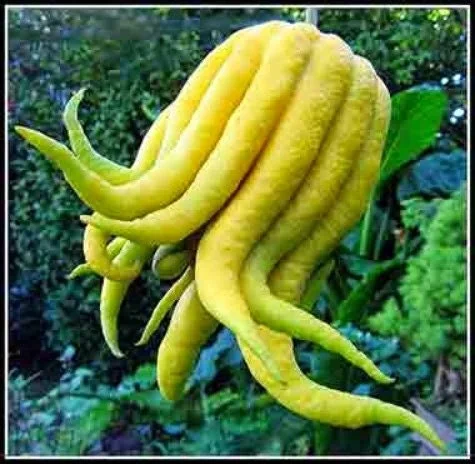
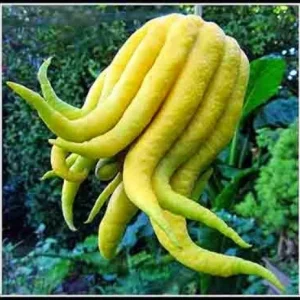
Bring an exotic touch to your garden or home with a buddha’s hand citron tree. This fascinating live plant, scientifically known as Citrus medica var. sarcodactylis, is a semi-dwarf variety that produces uniquely shaped, fingered fruit resembling a human hand. Revered for its incredibly strong citrus fragrance and versatile zest, the Buddha’s Hand fruit is a true conversation starter and an ancient citrus variety. Unlike typical citrus, it contains little to no flesh or juice, making it primarily sought after for its thick, aromatic rind. This makes it ideal for candying, zesting, infusing drinks, or simply as a visually striking and fragrant centerpiece.
Originating from ancient China and Northern India, the fingered citron plant is one of the first cultivated citrus fruits, carrying a rich history. Its delightful sporadic white flowers add to its ornamental appeal before the distinctive yellow-orange fruit begins to ripen, typically from November to January. Easy to grow in containers, this plant can be brought indoors during colder months, allowing you to enjoy its beauty and fragrance year-round. Experience the joy of growing buddha’s hand and discover a world of aromatic possibilities.
Key Benefits
The buddha’s hand citron tree offers a multitude of benefits, from its unique ornamental value to its culinary applications and historical significance. It’s more than just a plant; it’s an experience:
- Unique Ornamental Appeal: The fruit’s distinctive, finger-like segments make it a visually stunning addition to any garden, patio, or indoor space. It serves as an excellent focal point and a guaranteed conversation starter.
- Intense Aromatic Fragrance: Known for its incredibly potent and sweet citrus scent, the Buddha’s Hand fruit can naturally perfume an entire room. Use slices as a natural air freshener or incorporate them into floral displays.
- Culinary Versatility: While not typically eaten fresh, the rind is prized for candying, zesting into desserts, flavoring cocktails, and infusing oils or spirits. It offers a mild, sweet citrus zest without the bitterness of other lemons.
- Container Friendly: As a semi-dwarf variety, this buddha’s hand citron tree thrives in containers, making it suitable for patios, balconies, or even indoor cultivation in sunny locations. This allows for easy relocation during harsh weather.
- Historical Significance: This ancient citrus variety has been cultivated for centuries, offering a tangible connection to agricultural history and a unique story to share with guests.
- Easy to Care For: With proper sunlight and watering, this fingered citron plant is relatively low-maintenance, rewarding growers with its beautiful foliage and distinctive fruit.
- Sporadic White Flowers: Enjoy delicate, fragrant white blossoms that appear sporadically, adding to the plant’s charm and signaling the upcoming fruit development.
Plant Care & Growing Tips
Caring for your buddha’s hand citron tree is straightforward, especially when grown in a container. This plant thrives in warm climates and requires consistent attention to light, water, and nutrients to produce its best fruit. Providing the right environment will ensure a healthy and productive tree year after year. Understanding the specific needs of citrus medica sarcodactylis is key to its success.
For optimal growth, the buddha’s hand citron tree prefers full sun, meaning at least 6-8 hours of direct sunlight per day. If growing indoors, place it near a south-facing window or supplement with a grow light. Well-drained soil is crucial; a high-quality potting mix formulated for citrus plants or a blend with good aeration is ideal. Water regularly, keeping the soil consistently moist but never waterlogged. Allow the top inch of soil to dry out slightly between waterings. During hotter months, increase watering frequency, while reducing it in winter. Fertilize with a balanced citrus-specific fertilizer in early spring and late summer, following the manufacturer’s instructions. Protect your plant from strong winds, especially when young. Bring container-grown plants indoors when temperatures drop below 40°F (4°C).
Pruning should be done as needed to maintain shape, promote air circulation, and remove any dead, damaged, or crossing branches. This also helps manage the size of your fingered citron plant, particularly if it’s in a container. While the fruit is the star, the plant’s overall health benefits from good pruning practices. Harvesting the fruit occurs when it reaches full maturity and turns yellow or orange. Since the focus is on the aromatic rind, you can pick them as needed. With proper buddha’s hand care, your tree will flourish and provide you with its unique bounty.
Size & Details
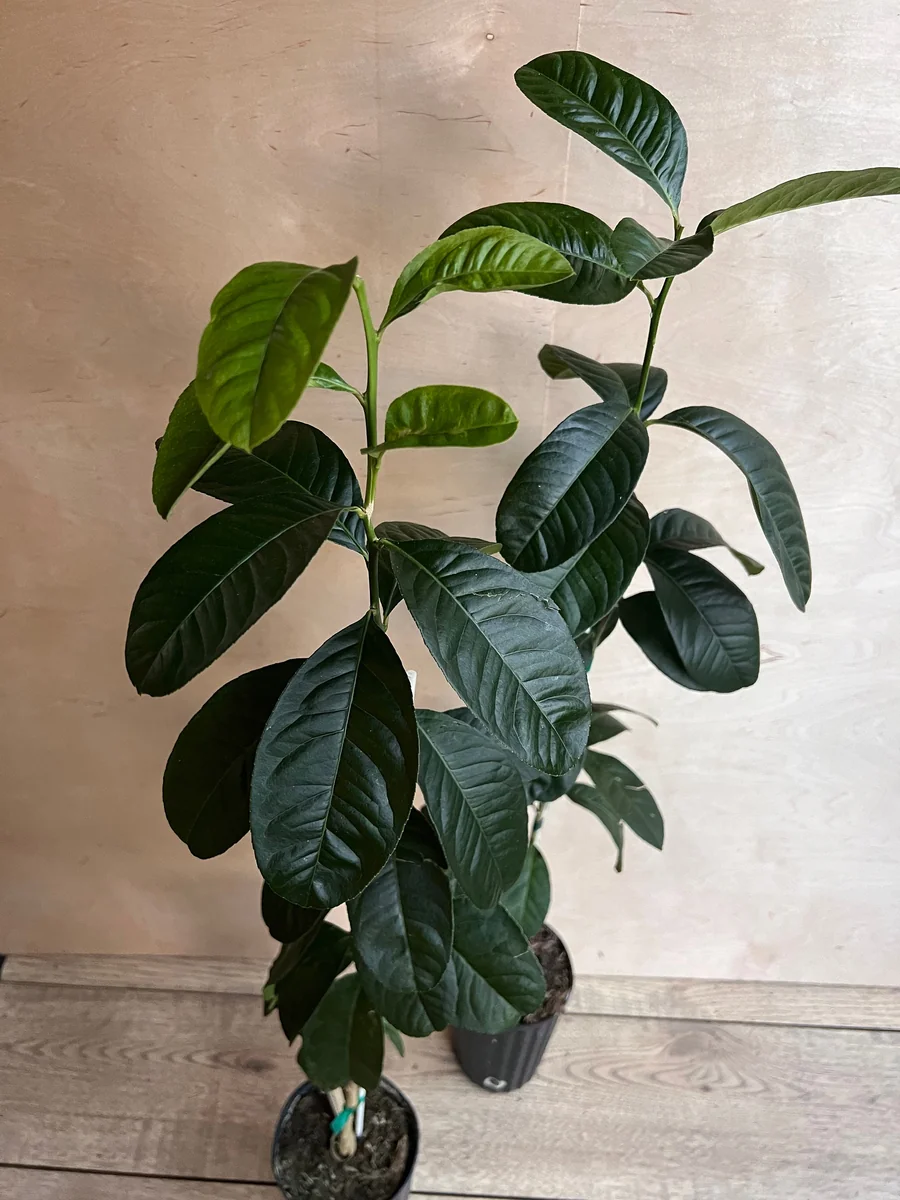
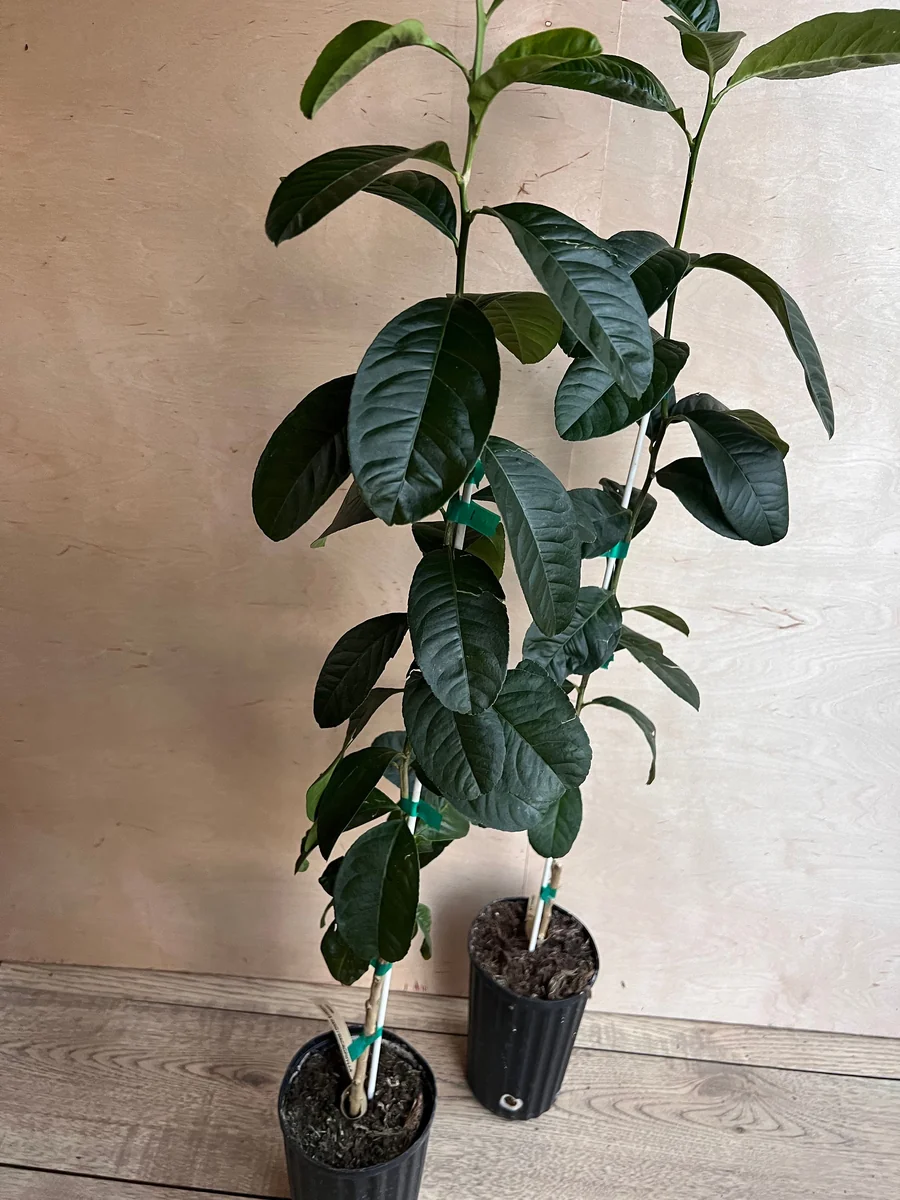
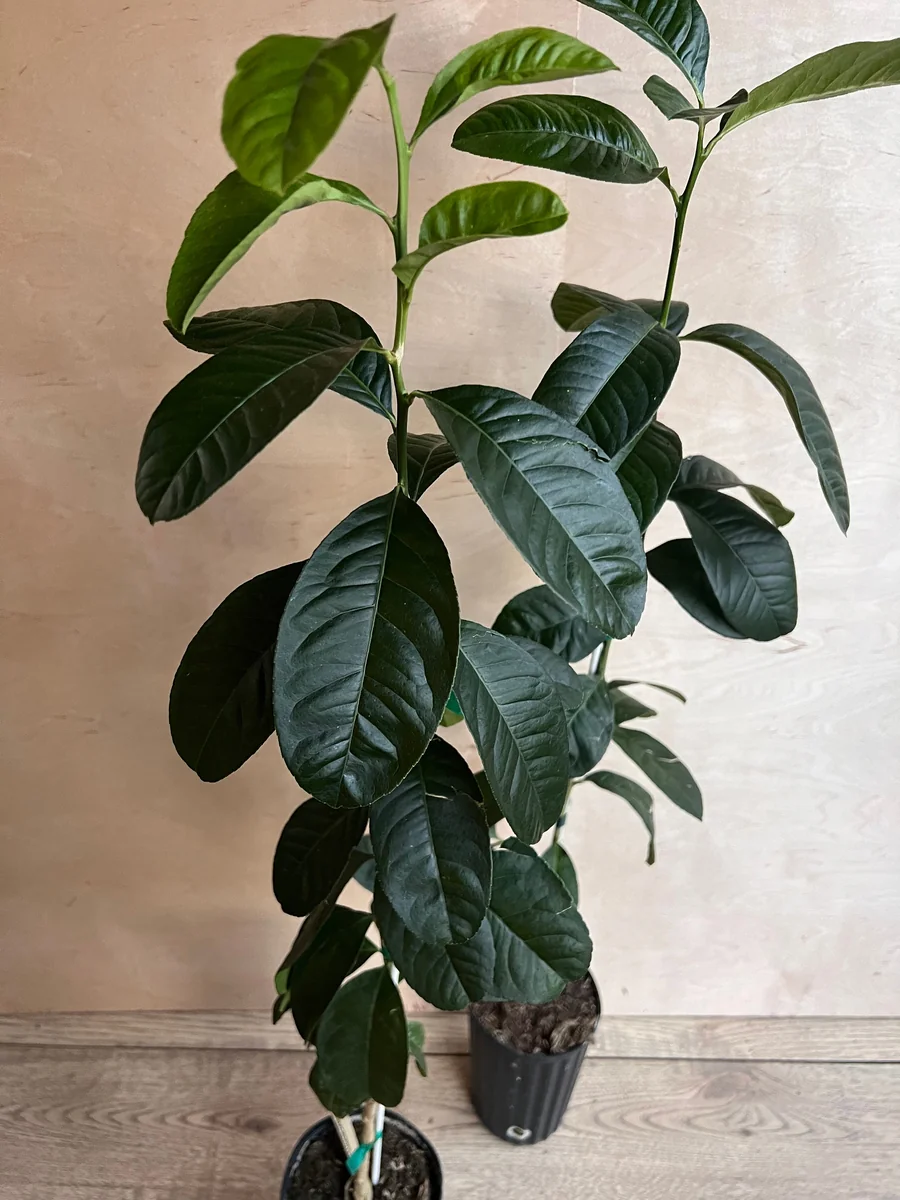
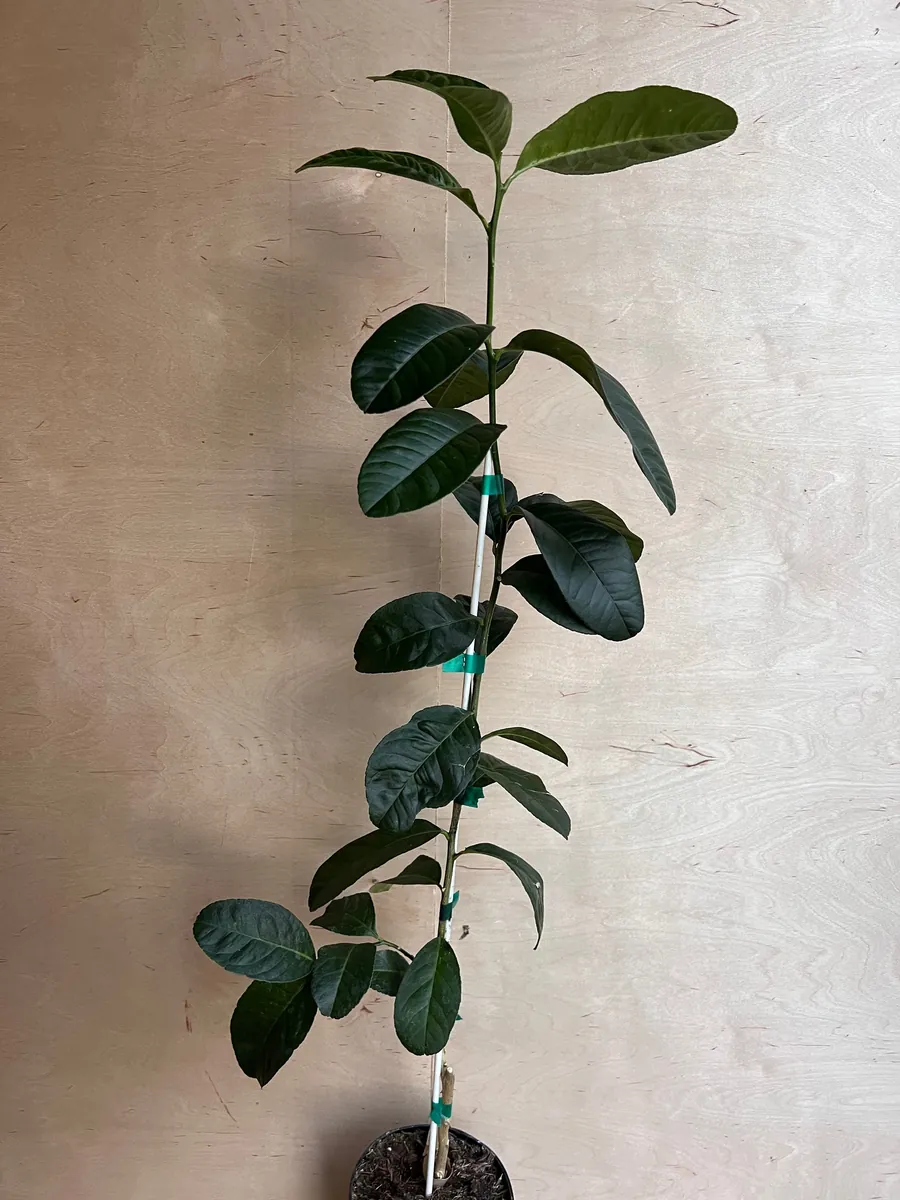
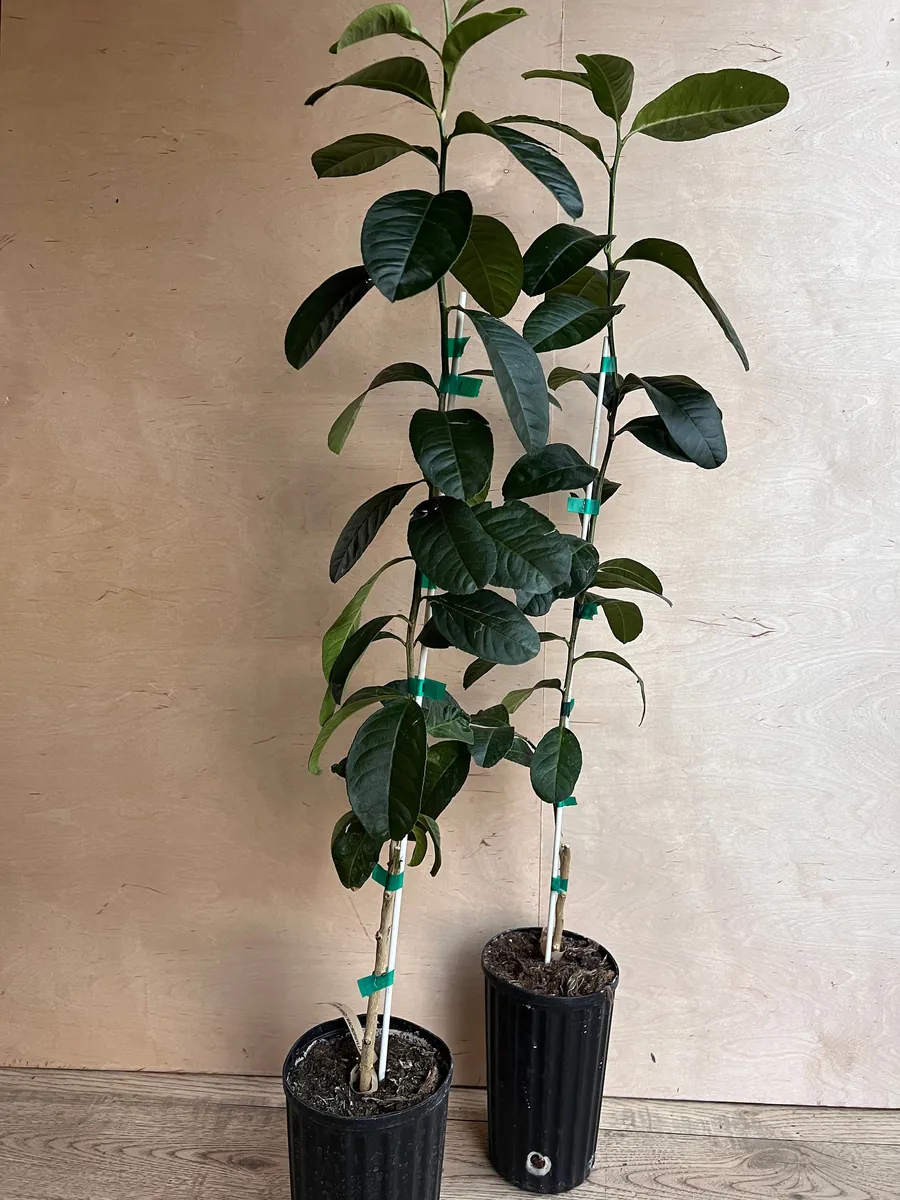
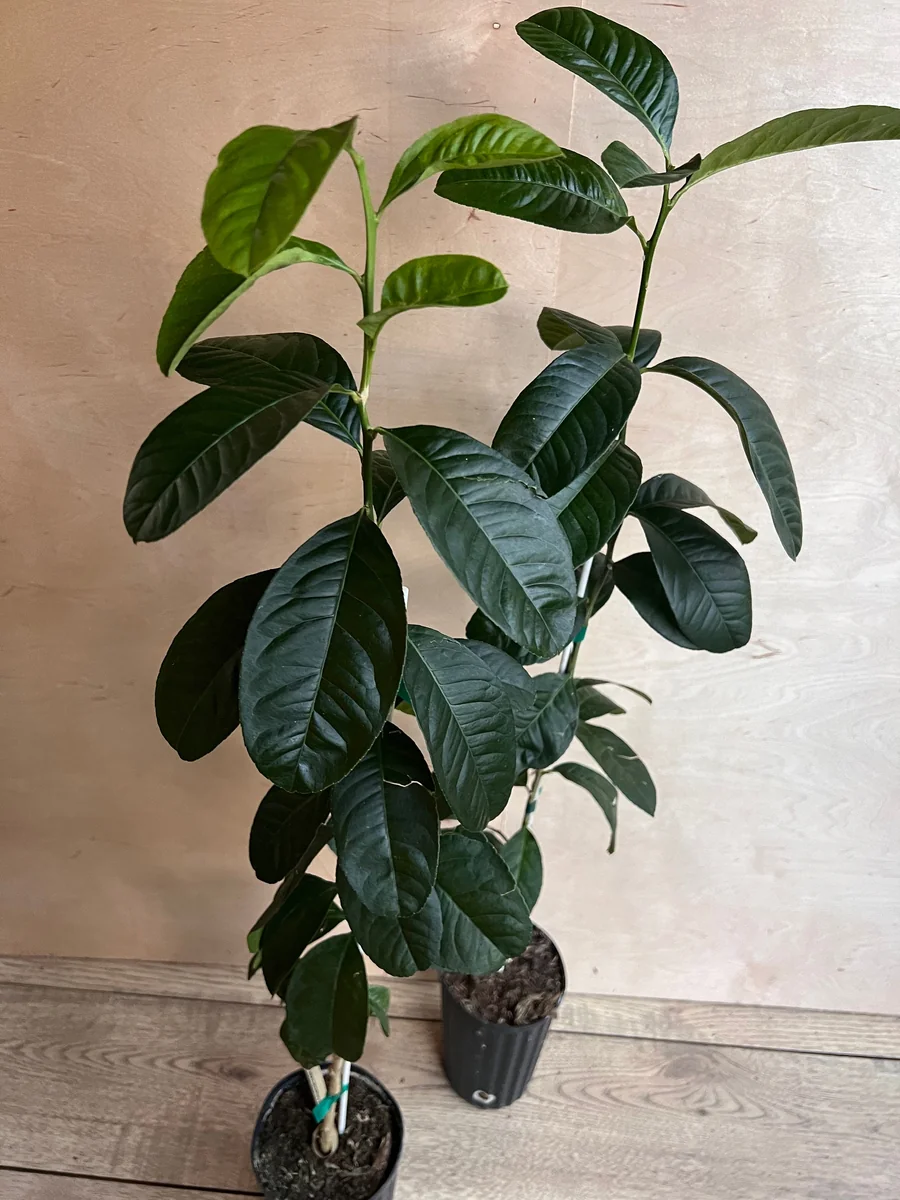
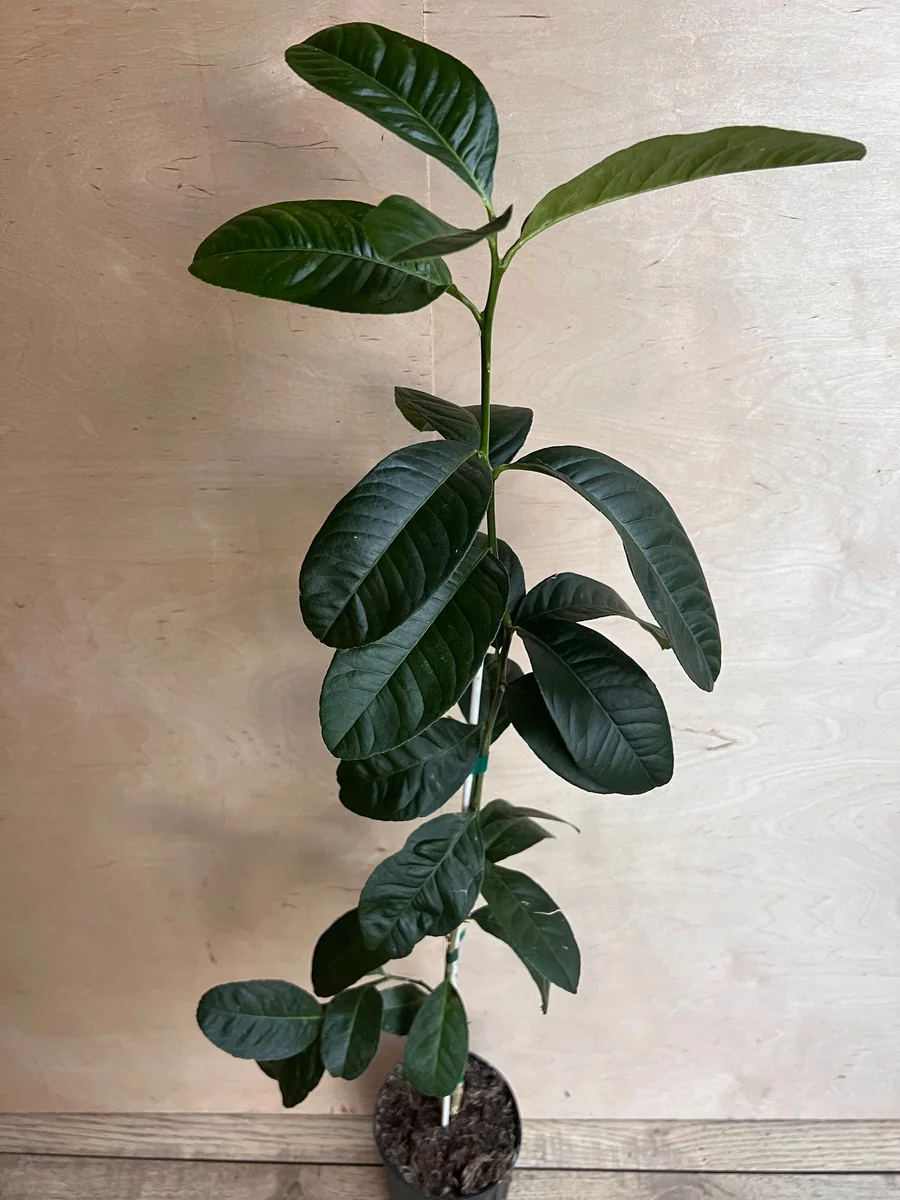
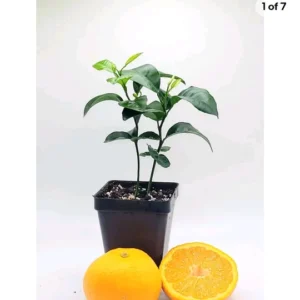
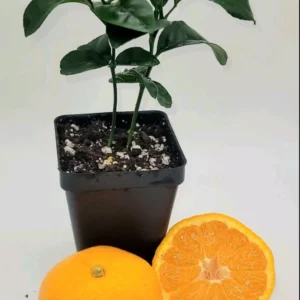
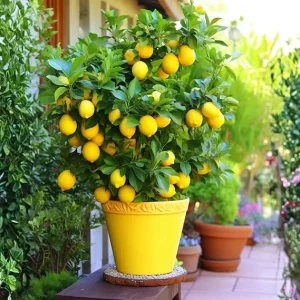
This buddha’s hand citron tree is a semi-dwarf live plant, making it an excellent choice for container gardening or smaller garden spaces. It is shipped in a 1/2 gallon pot, providing a healthy root system ready to establish in its new home. While specific dimensions can vary based on growing conditions, semi-dwarf citrus trees typically reach a mature height of 6-10 feet when planted in the ground, or can be maintained at a smaller size, around 4-6 feet, with regular pruning in containers. The plant will arrive healthy and actively growing, similar to the images provided, ready for you to begin growing buddha’s hand. Expect delightful sporadic white flowers, followed by the unique fingered fruit that ripens from November to January. The growth rate is moderate, allowing you to enjoy the progression of your tree over time.
Frequently Asked Questions
- Q: How big does this Buddha’s Hand Citron tree get? A: This semi-dwarf variety typically grows 6-10 feet tall if planted in the ground, but can be maintained at 4-6 feet in a container with proper pruning.
- Q: What size pot does the plant come in? A: The buddha’s hand citron tree is shipped in a 1/2 gallon pot, ready for transplanting into a larger container or your garden.
- Q: Is this an indoor or outdoor plant? A: It can be grown both indoors and outdoors. It thrives outdoors in warm climates (USDA zones 9-11) and can be brought indoors during winter months in colder regions.
- Q: How much sunlight does it need? A: Your fingered citron plant requires full sun, which means 6-8 hours of direct sunlight daily. Indoors, a south-facing window is ideal.
- Q: Is this plant easy to care for? A: Yes, with consistent watering, plenty of sunlight, and appropriate fertilization, this citrus tree is relatively easy to care for, making buddha’s hand care manageable for most gardeners.
- Q: What condition will it arrive in? A: The plant will arrive as a healthy, actively growing live plant in its 1/2 gallon pot, carefully packaged to ensure its safe journey.
- Q: Can I eat the Buddha’s Hand fruit? A: The fruit has little to no flesh or juice and is primarily used for its aromatic rind. It’s excellent for candying, zesting, and infusing drinks or oils.
- Q: When is the best time to plant a Buddha’s Hand tree? A: Spring to early summer is generally the best time to plant, allowing the tree to establish itself before extreme weather.
- Q: What are the ideal temperatures for growing Buddha’s Hand? A: This citrus variety prefers warm temperatures and should be protected from frost. Bring it indoors if temperatures consistently drop below 40°F (4°C).
- Q: What is the scientific name for Buddha’s Hand? A: The scientific name for this unique citrus is citrus medica sarcodactylis, also known as Fingered Citron.
Related products
-20%
Original price was: $50.00.$40.00Current price is: $40.00.
-20%
Original price was: $56.00.$44.80Current price is: $44.80.
-10%
Original price was: $158.00.$142.20Current price is: $142.20.
-20%
Original price was: $60.00.$48.00Current price is: $48.00.
-20%
Original price was: $32.00.$25.60Current price is: $25.60.
-10%
Original price was: $28.99.$26.09Current price is: $26.09.
-20%
Original price was: $32.00.$25.60Current price is: $25.60.
-20%
Original price was: $34.00.$27.20Current price is: $27.20.
PLANTING & CARE
Lemon Tree Growing: Choose, Plant, and Harvest
Learn how to choose, plant, feed, and protect a lemon tree so it fits your
23
Sep
Sep
Dwarf Meyer Lemon Tree Australia: Climate Guide
Learn where dwarf Meyer lemon trees grow, how much cold they tolerate, and whether Australia,
Where to Buy a Dwarf Meyer Lemon Tree: Buyer’s Guide
Find the right dwarf Meyer lemon tree online or locally, compare starter sizes and costs,
Dwarf Meyer Lemon Tree for Sale: Buying Guide
Compare Meyer lemon tree sizes, prices, shipping limits, indoor growing and California options before you
Dwarf Meyer Lemon Tree Guide: Size, Care and Fruit
META: Learn how large a dwarf Meyer lemon tree grows, where it thrives, and how
How to Prune a Dwarf Meyer Lemon Tree
Learn when and how to prune a dwarf Meyer lemon tree, including tools, shaping cuts,
Can You Grow a Dwarf Meyer Lemon Tree in a Pot?
META: Learn how to grow a dwarf Meyer lemon tree in a pot, including container
When Do Dwarf Meyer Lemon Trees Bloom and Fruit?
META: Dwarf Meyer lemon trees usually bloom from winter through spring and may flower again