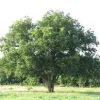
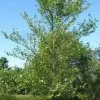
River Birch Tree Bare Root 12-24 inches Tall – Outdoor Live Plant Zone 4 Hardy
-50%
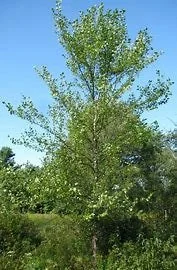
River Birch Tree Bare Root 12-24 inches Tall – Outdoor Live Plant Zone 4 Hardy
Add a beautiful and hardy river birch bare root tree to your landscape. This river birch tree is 12-24 inches tall, ideal for outdoor planting, and thrives in USDA Zone 4. Known for its fast growth and heat tolerance, it’s also a deer resistant tree, making it a perfect choice for various garden designs.
Original price was: $79.80.$39.90Current price is: $39.90.

With our Alive & Thrive Guarantee, we’ve got your back for the first 30 days! If you have any concerns about your plants, just reach out to us. Our team is here to help answer your questions and guide you in selecting the best plants for your garden, climate, and unique preferences. We're excited to help you create the garden of your dreams!
Estimated arrival
Mar 20
Mar 25 - Mar 27
Mar 30 - Apr 03

Product Details
-
USDA Hardiness Zone
USDA Zone 4 -
Soil type
Medium to wet, well-draining soil -
Sunlight Exposure
Full sun to partial shade -
Expected Planting Period
Early spring
Overview
Introduce an elegant and robust addition to your garden with this river birch bare root tree. Standing at 12-24 inches, this young, dormant tree offers a fantastic opportunity to establish a stunning native species that provides year-round interest. The river birch tree, scientifically known as Betula nigra, is celebrated for its distinctive exfoliating bark, which peels back to reveal shades of salmon, orange, and brown, creating a captivating visual texture, especially in winter. This particular variety is known for being faster-growing and more heat-tolerant compared to other birch species, making it a resilient choice for various climates. Ideal for planting as a single specimen where it can reach up to 70 feet in height, or grouped to form a graceful grove around 50 feet tall, this tree quickly becomes a focal point in any landscape. Its adaptability to a range of soil conditions, from medium to wet, further enhances its appeal as a versatile and low-maintenance option for both seasoned gardeners and beginners alike.
Key Benefits
The river birch bare root offers numerous advantages for your garden and local ecosystem. Its unique characteristics make it a standout choice for both aesthetic appeal and practical benefits. Cultivating a river birch tree means investing in a resilient and beautiful specimen that will enhance your property for decades.
-
Distinctive Exfoliating Bark: The most striking feature of the river birch tree is its peeling bark, which reveals a beautiful mosaic of colors, from cinnamon to creamy white. This provides exceptional visual interest throughout all seasons, particularly in winter when other plants are dormant.
-
Fast Growth Rate: Known for its rapid establishment and growth, this birch quickly matures into a substantial tree, providing shade and presence in your landscape sooner than many other tree species. This makes it an excellent choice for those looking to quickly fill out a garden space.
-
Heat Tolerant: Unlike some other birch varieties that struggle in warmer climates, the river birch bare root is notably more tolerant of heat, making it suitable for a broader range of USDA hardiness zones and providing reliable performance even during hot summers.
-
Deer Resistant: A significant advantage for many gardeners, this deer resistant tree is less appealing to deer, which helps protect your investment and reduces the need for protective measures, allowing it to thrive undisturbed.
-
Adaptable to Various Soils: This tree thrives in a variety of soil conditions, from medium to consistently wet, making it an excellent choice for planting near water features, in rain gardens, or in areas with poor drainage where other trees might struggle.
-
Wildlife Habitat: The betula nigra provides food and shelter for various wildlife, including birds and small mammals, contributing to the biodiversity of your garden and creating a vibrant natural environment.
-
Erosion Control: Its strong root system makes the river birch tree effective in stabilizing soil, particularly on slopes or along riverbanks, helping to prevent erosion.
Plant Care & Growing Tips
Caring for your river birch bare root tree is straightforward, and with proper attention, it will quickly establish itself and flourish. This resilient native species is forgiving, but understanding its basic needs will ensure optimal growth and health. The river birch tree prefers a location with full sun to partial shade, meaning it should receive at least 4-6 hours of direct sunlight daily. While it can tolerate some shade, more sun generally leads to denser foliage and better bark development. Ensure the planting site allows for its mature size, as it can grow quite tall and wide.
When it comes to watering, the river birch prefers consistently moist to wet soil. It is crucial, especially during its establishment period, to provide regular and deep watering. Do not let the soil dry out completely between waterings. The ideal soil type is medium to wet, well-draining loam, but it is highly adaptable and can even thrive in clay soils as long as they don’t become waterlogged. This makes it an excellent choice for areas with naturally high moisture content. The betula nigra is cold hardy to USDA Zone 4, meaning it can withstand winter temperatures down to -30°F (-34°C).
Fertilization is generally not heavily required for a healthy river birch bare root once established in good soil. However, feeding with a balanced, slow-release tree fertilizer in early spring can promote vigorous growth, especially in poorer soils. Follow package instructions for application rates. Common problems are few for this robust tree, but watch for signs of iron chlorosis (yellowing leaves with green veins) in very alkaline soils, which can be corrected with iron supplements. Overall, the river birch is a low-maintenance, high-reward tree that will bring beauty and ecological benefits to your landscape for many years.
Size & Details
This offering is for a river birch bare root tree, measuring 12-24 inches in height upon arrival. Bare root trees are shipped without soil around their roots, making them lightweight and easy to plant. This method encourages rapid root establishment once planted in your garden. The mature height of a single river birch can reach up to 70 feet, while trees planted in groups may grow to around 50 feet, forming a multi-stemmed cluster. It has a fast growth rate, typically adding 1-2 feet per year, allowing it to quickly become a prominent feature in your landscape. This river birch tree is cold hardy to USDA Zone 4, making it suitable for a wide range of temperate climates. When planting, ensure you provide ample space for its eventual spread, which can be significant, offering a broad canopy for shade and visual appeal. The tree is deciduous, providing beautiful fall color before shedding its leaves for winter, revealing its striking bark.
Frequently Asked Questions
-
Q: How tall will my river birch bare root grow? A: A single river birch tree can reach up to 70 feet tall at maturity. If planted in a group, they typically grow to about 50 feet, forming a multi-stemmed specimen.
-
Q: What size is the bare root tree I will receive? A: Your river birch bare root tree will be between 12-24 inches tall upon arrival, ready for planting.
-
Q: Is this an indoor or outdoor plant? A: The river birch tree is strictly an outdoor plant, suitable for various landscape applications where it can grow to its full potential.
-
Q: How much sunlight does a river birch need? A: This tree thrives in full sun to partial shade, ideally receiving at least 4-6 hours of direct sunlight daily for optimal growth and health.
-
Q: Is the river birch tree easy to care for? A: Yes, the betula nigra is relatively low-maintenance once established. It’s known for being hardy and adaptable, making it a good choice for both experienced and novice gardeners.
-
Q: What condition will the bare root tree arrive in? A: Your river birch bare root will arrive dormant, without soil around its roots, which is the standard and most effective way to ship and plant bare root trees.
-
Q: When is the best time to plant a river birch bare root? A: The optimal time for planting bare root trees is typically in early spring, after the last hard frost, allowing the tree the longest possible growing season to establish before winter.
-
Q: Will this deer resistant tree survive winter in my zone? A: The river birch tree is cold hardy to USDA Zone 4, meaning it can tolerate very cold winter temperatures common in those regions.
-
Q: What kind of soil does a river birch prefer? A: It prefers medium to wet soil conditions, thriving in loamy, well-draining soil but also tolerating clay. It’s adaptable to various soil types as long as consistent moisture is available.
-
Q: Is this a fast-growing birch? A: Yes, the river birch tree is known for its fast growth rate, often adding 1-2 feet of height per year under ideal conditions, making it an excellent choice for quick landscape impact.
Related products


-10%
Original price was: $36.99.$33.29Current price is: $33.29.
PLANTING & CARE

The Comprehensive Guide to Growing Bay Leaf Plants for a Flavorful Garden
Imagine stepping into your garden, greeted by the earthy aroma of fresh bay leaves, their
09
Feb
Feb

How to Make Comfrey Tea: The Ultimate Organic Plant Food
Growing an organic garden can be surprisingly expensive, especially when most store-bought fertilizers come in
02
Feb
Feb

True Comfrey: 7 Essential Tips Before You Plant This Herb
A staple in permaculture practices across the US, True Comfrey easily earns its reputation as
27
Jan
Jan

7 Heart-Shaped Plants for a Lasting Valentine’s Gift
If you’ve ever bought a bouquet of roses for Valentine’s Day, you know they are
26
Jan
Jan

Best Types of Ivy Plant for Houses: How to Choose the Perfect Ones for Your Home
Are you a garden lover looking to introduce some greenery into your home? Maybe you’ve
14
Nov
Nov

When to Harvest Garlic (Especially Fall-Planted Garlic)
TIMING IS EVERYTHING, they say – and for garlic, that truth hits with surprising accuracy.
13
Nov
Nov

11 of the Best Sweet Potato Varieties to Grow for Your Garden
If you’ve ever tried growing sweet potatoes, you know that picking the right variety can
12
Nov
Nov
Pruning Bougainvillea for Winter
Bougainvillea vines are known for their dazzling display of magenta, orange, and fuchsia bracts that
05
Nov
Nov