
Donut Peach Tree Live Plant – 5 Gallon – 3-4 Feet Tall – Outdoor Fruit Tree
-25%

Donut Peach Tree Live Plant – 5 Gallon – 3-4 Feet Tall – Outdoor Fruit Tree
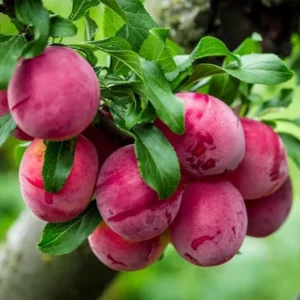
Bring home a Donut Peach Tree live plant, a fantastic addition to any home orchard. This 5-gallon, 3-4 feet tall specimen is ready to thrive outdoors, offering unique, sweet, and juicy flat peaches. Perfect for fresh eating or culinary delights, this Saturn peach tree is a delightful choice for fruit enthusiasts.
Original price was: $250.00.$187.50Current price is: $187.50.

With our Alive & Thrive Guarantee, we’ve got your back for the first 30 days! If you have any concerns about your plants, just reach out to us. Our team is here to help answer your questions and guide you in selecting the best plants for your garden, climate, and unique preferences. We're excited to help you create the garden of your dreams!
Estimated arrival
Mar 22
Mar 27 - Mar 29
Apr 01 - Apr 05
Product Details
-
USDA Hardiness Zone
USDA zones 5-9 -
Soil type
Well-draining, fertile soil -
Sunlight Exposure
Full sun (6-8+ hours daily) -
Expected Planting Period
Early spring or late fall
Overview
Embark on a rewarding gardening journey with this magnificent Donut Peach Tree live plant. Also widely known as the Saturn peach tree or flat peach tree, this unique fruit tree is celebrated for its distinctive flattened shape, sweet flavor, and juicy, low-acid flesh. Originating from Asia, the Donut Peach has gained immense popularity in home gardens across the US for its delightful taste and ornamental value. This particular specimen arrives as a robust 5-gallon plant, standing an impressive 3-4 feet tall, ensuring it’s well-established and ready to be planted in your garden or a large container. Growing your own Donut Peach Tree live plant allows you to enjoy fresh, organic fruit straight from your backyard, offering an unparalleled taste experience compared to store-bought peaches. It’s an excellent choice for both seasoned gardeners and those new to fruit tree cultivation, promising a bountiful harvest with proper care.
The Donut Peach, scientifically known as Prunus persica ‘Saturn’, is a deciduous fruit tree that brings beauty and productivity to your landscape. Its captivating blossoms in spring are followed by lush green foliage and, eventually, a generous crop of its signature flat peaches. These peaches are not only visually appealing but also offer a delightful aroma and an exceptionally sweet, melting texture. This Donut Peach Tree live plant is a self-pollinating variety, meaning you only need one tree to produce fruit, though planting multiple peach trees can often enhance overall yield. Invest in a fruit tree for garden that will provide years of delicious harvests and enhance the aesthetic appeal of your outdoor space.
Key Benefits
Cultivating a Donut Peach Tree offers a multitude of benefits, from its delicious fruit to its charming appearance. This particular Donut Peach Tree live plant is a fantastic investment for any gardener looking to add value and flavor to their landscape.
- Exceptional Flavor and Texture: Enjoy incredibly sweet, juicy, and low-acid peaches with a unique flattened shape. The flesh is typically white or pale yellow, offering a delightful eating experience directly from the tree.
- Ornamental Appeal: Beyond its delicious fruit, the Saturn peach tree provides beautiful pink blossoms in spring, followed by attractive green foliage throughout the growing season, adding significant aesthetic value to your garden.
- Fresh, Homegrown Produce: Experience the satisfaction of harvesting your own organic fruit, free from pesticides and chemicals often found in store-bought options. This ensures the freshest and healthiest peaches for your family.
- Versatile Culinary Use: Donut peaches are perfect for eating fresh, slicing into salads, baking into pies and cobblers, or preserving. Their unique shape makes them easy to hold and enjoy.
- Compact Size for Home Gardens: While a robust tree, the flat peach tree can be maintained at a manageable size with proper pruning, making it suitable for various garden sizes, including those with limited space.
- Self-Pollinating: This variety is self-fertile, meaning you do not need a second peach tree for fruit production, simplifying the planting process for home gardeners. However, cross-pollination can often improve yields.
- Ready to Plant: Arriving as a 5-gallon, 3-4 feet tall live plant, it’s already well-established and poised for successful transplantation into your garden. This significantly reduces the waiting time for your first harvest.
Plant Care & Growing Tips
Caring for your Donut Peach Tree live plant is a rewarding experience that ensures a bountiful harvest of delicious fruit. These trees generally require full sun exposure, meaning at least 6-8 hours of direct sunlight per day is crucial for optimal growth and fruit production. Choose a planting site that receives ample sunlight and has well-draining soil. Peach trees, including the Saturn peach tree, are susceptible to root rot in waterlogged conditions, so proper drainage is paramount. Amend heavy clay soils with organic matter like compost to improve drainage and fertility. When planting, dig a hole twice as wide as the root ball and just as deep, ensuring the top of the root ball is level with or slightly above the ground.
Watering is critical, especially during the first few years after planting and during dry spells. Deep watering once or twice a week is generally more effective than frequent shallow watering, encouraging deeper root development. The soil should be consistently moist but never soggy. Fertilize your flat peach tree in early spring before new growth begins, using a balanced fertilizer or one specifically formulated for fruit trees. Follow the product’s instructions carefully to avoid over-fertilization. Pruning is essential for maintaining tree health, shape, and fruit production. Annually prune in late winter or early spring while the tree is dormant, removing dead, diseased, or crossing branches, and opening up the canopy to improve air circulation and sunlight penetration. This also helps manage the size of your peach tree for sale and encourages better fruit development.
Pest and disease management is an ongoing aspect of peach tree care. Common issues can include peach leaf curl, brown rot, and various insect pests. Regular inspection of your tree will help you catch problems early. Organic fungicidal sprays can help prevent fungal diseases, while insecticidal soaps or horticultural oils can manage pests. Consult local agricultural extension services for region-specific advice on pest and disease control, as well as recommended USDA hardiness zones. The Donut Peach Tree live plant thrives in zones 5-9, but local microclimates can influence success. Protecting young trees from harsh winter winds and providing adequate water during dry periods will ensure your tree grows into a strong, productive fruit bearer.
Size & Details
This offering is for a robust Donut Peach Tree live plant, which arrives in a 5-gallon nursery pot. The plant stands approximately 3-4 feet tall from the base of the pot to the top of its branches, providing you with a significant head start on growing your own fruit. The 5-gallon container size indicates a well-developed root system, ready for transplanting into your garden or a larger permanent planter. Donut Peach Trees typically grow to a mature height of 10-15 feet with a similar spread, though they can be kept smaller with regular pruning, making them a versatile fruit tree for garden use, even in more compact spaces. The growth rate is moderate, meaning you can expect noticeable development each year.
Once established, you can anticipate your first significant harvest within 2-4 years. The fruit typically ripens in mid to late summer, depending on your specific climate and growing conditions. Each peach is characterized by its unique flattened shape, often described as a ‘Saturn’ or ‘doughnut’ peach, with a diameter of about 2-3 inches. The skin is usually fuzzy, with a creamy yellow background blushed with red. This Donut Peach Tree live plant is shipped with its pot and soil, ensuring minimal transplant shock and a smooth transition to its new home. Prepare to enjoy years of delicious, homegrown fruit from this exceptional variety.
Frequently Asked Questions
- Q: How big does this Donut Peach Tree get? A: This Donut Peach Tree live plant arrives 3-4 feet tall in a 5-gallon pot. When mature, it can reach 10-15 feet in height and spread, but its size can be effectively managed with annual pruning to fit your garden space.
- Q: What size pot does it come in? A: The Donut Peach Tree live plant is shipped in a 5-gallon nursery pot, complete with soil. This size indicates a well-established plant with a healthy root system ready for planting.
- Q: Is this an indoor or outdoor plant? A: The Donut Peach Tree live plant is an outdoor fruit tree. It requires full sun and sufficient space to grow and produce fruit. It is not suitable for long-term indoor cultivation.
- Q: How much sunlight does it need? A: For optimal fruit production and overall health, your Saturn peach tree needs at least 6-8 hours of direct sunlight per day. Choose a sunny location in your garden.
- Q: Is this Donut Peach Tree easy to care for? A: With proper attention to watering, pruning, and fertilization, the flat peach tree is relatively easy to care for. It’s a great choice for gardeners of all experience levels looking for a rewarding fruit tree.
- Q: What condition will it arrive in? A: Your peach tree for sale will arrive as a healthy, live plant in its 5-gallon pot with soil, carefully packaged to ensure its safe journey to your home. We recommend unpacking and watering it upon arrival.
- Q: How long until it blooms and produces fruit? A: You can expect your Donut Peach Tree live plant to begin flowering in spring and produce its first significant harvest within 2-4 years after planting. Fruit typically ripens in mid to late summer.
- Q: Will it survive winter in my zone? A: Donut Peach Trees are typically hardy in USDA Zones 5-9. If you live in a colder zone, you may need to provide winter protection or consider growing it in a large container that can be moved indoors during extreme cold.
- Q: What is the best time to plant a Donut Peach Tree? A: The ideal time to plant your Donut Peach Tree live plant is in early spring or late fall, when temperatures are moderate. This allows the tree to establish its root system before the stress of summer heat or winter cold.
- Q: What kind of soil does this fruit tree prefer? A: This fruit tree for garden thrives in well-draining, fertile soil. A slightly acidic to neutral pH (6.0-7.0) is generally preferred. Amending heavy clay soils with organic matter will improve drainage.
Related products
-10%
Original price was: $23.99.$21.59Current price is: $21.59.

-10%
Original price was: $80.99.$72.89Current price is: $72.89.
-10%
Original price was: $36.99.$33.29Current price is: $33.29.
PLANTING & CARE

The Comprehensive Guide to Growing Bay Leaf Plants for a Flavorful Garden
Imagine stepping into your garden, greeted by the earthy aroma of fresh bay leaves, their
09
Feb
Feb

How to Make Comfrey Tea: The Ultimate Organic Plant Food
Growing an organic garden can be surprisingly expensive, especially when most store-bought fertilizers come in
02
Feb
Feb

True Comfrey: 7 Essential Tips Before You Plant This Herb
A staple in permaculture practices across the US, True Comfrey easily earns its reputation as
27
Jan
Jan

7 Heart-Shaped Plants for a Lasting Valentine’s Gift
If you’ve ever bought a bouquet of roses for Valentine’s Day, you know they are
26
Jan
Jan

Best Types of Ivy Plant for Houses: How to Choose the Perfect Ones for Your Home
Are you a garden lover looking to introduce some greenery into your home? Maybe you’ve
14
Nov
Nov

When to Harvest Garlic (Especially Fall-Planted Garlic)
TIMING IS EVERYTHING, they say – and for garlic, that truth hits with surprising accuracy.
13
Nov
Nov

11 of the Best Sweet Potato Varieties to Grow for Your Garden
If you’ve ever tried growing sweet potatoes, you know that picking the right variety can
12
Nov
Nov
Pruning Bougainvillea for Winter
Bougainvillea vines are known for their dazzling display of magenta, orange, and fuchsia bracts that
05
Nov
Nov