Carolina Buckthorn Live Plant (Frangula caroliniana) – 12-18 Inches Tall, Outdoor
-50%

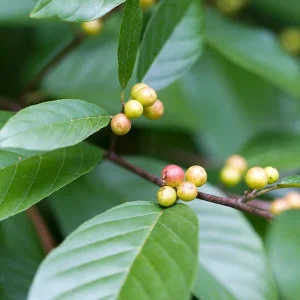

Carolina Buckthorn Live Plant (Frangula caroliniana) – 12-18 Inches Tall, Outdoor
Enhance your landscape with a Carolina Buckthorn live plant (Frangula caroliniana), standing 12 to 18 inches tall. This hardy, deciduous shrub offers vibrant fall foliage and berries that attract local wildlife, making it an excellent choice for a wildlife garden plant. Ideal for outdoor planting in various climates.
Original price was: $31.16.$15.58Current price is: $15.58.

With our Alive & Thrive Guarantee, we’ve got your back for the first 30 days! If you have any concerns about your plants, just reach out to us. Our team is here to help answer your questions and guide you in selecting the best plants for your garden, climate, and unique preferences. We're excited to help you create the garden of your dreams!
Estimated arrival
Mar 31
Apr 05 - Apr 07
Apr 10 - Apr 14

Product Details
-
USDA Hardiness Zone
USDA zones 5-9 -
Soil type
Well-draining soil -
Sunlight Exposure
Low Sun to Medium Sun -
Expected Planting Period
Early spring or late fall
Overview
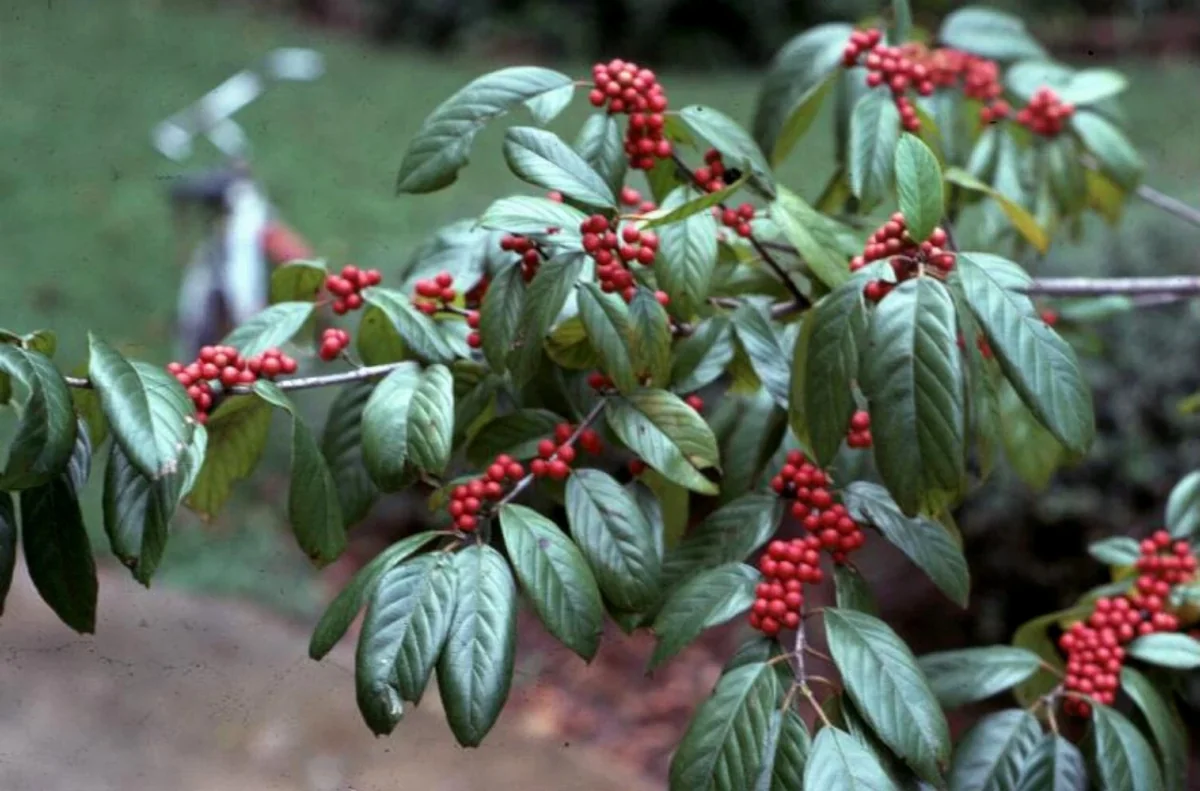
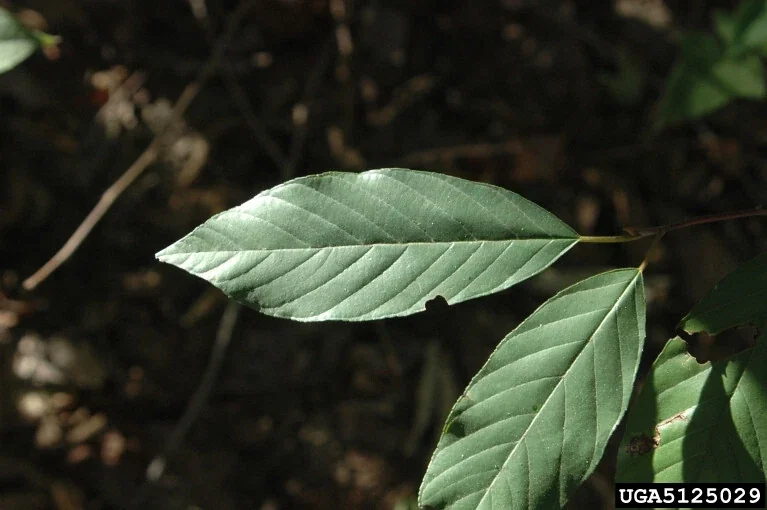
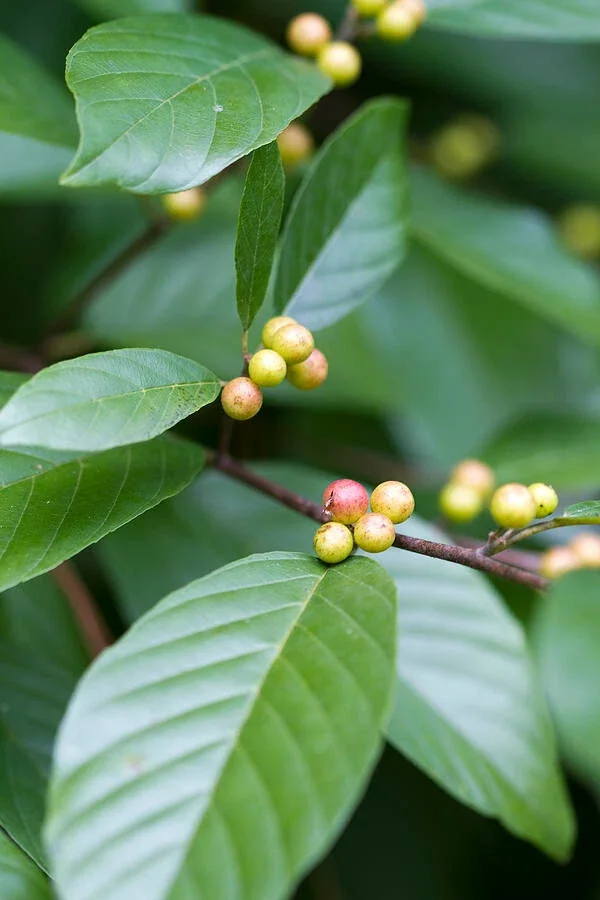
Introduce the beautiful and versatile Carolina Buckthorn live plant (Frangula caroliniana) to your garden. This native deciduous shrub, also known as Indian Cherry or Yellow Buckthorn, is celebrated for its attractive foliage, which transitions from green to striking shades of yellow, orange, and red in the fall. Growing to a height of 12 to 18 inches as a seedling, this Frangula caroliniana specimen offers a promising start to a robust and rewarding garden addition. The plant produces small, inconspicuous flowers followed by berries that mature from red to black, providing a crucial food source for birds and other wildlife. It’s an excellent choice for those looking to support local ecosystems and create a vibrant, natural habitat within their own yard. Known for its adaptability, the Carolina Buckthorn live plant thrives in various conditions, making it a resilient and low-maintenance option for both experienced gardeners and beginners.
The Carolina Buckthorn live plant is not just visually appealing; it also plays a significant ecological role. Its berries are a favorite of many bird species, contributing to biodiversity. Being a native plant, it is well-suited to the local climate and typically requires less care once established compared to non-native species. Its moderate growth rate allows it to establish quickly without becoming overly aggressive, making it a well-behaved deciduous shrub for mixed borders, naturalized areas, or as an understory planting. This particular offering is a healthy seedling, dug up fresh when ordered, ensuring you receive a vibrant specimen ready for planting and growth.
Key Benefits
The Carolina Buckthorn live plant offers a multitude of benefits for any garden or landscape. Its ecological value, aesthetic appeal, and hardiness make it a standout choice. Here are some of the key advantages of growing this remarkable plant:
- Attracts Wildlife: The red to black berries produced by the Carolina Buckthorn live plant are a vital food source for numerous bird species, including cedar waxwings, robins, and bluebirds, especially during late summer and fall. This makes it an excellent wildlife garden plant, encouraging biodiversity in your outdoor space.
- Stunning Fall Foliage: Enjoy a spectacular display of fall colors as the leaves transform into brilliant shades of yellow, orange, and red, adding significant visual interest to your landscape when many other plants are fading.
- Drought Tolerance: Once established, Frangula caroliniana exhibits good drought tolerance, reducing the need for frequent watering and making it a sustainable choice for various climates.
- Low Maintenance: This native deciduous shrub is generally easy to care for, requiring minimal pruning and being relatively resistant to pests and diseases, allowing you more time to enjoy your garden.
- Adaptable to Various Soils: Carolina Buckthorn is not particular about soil type and can thrive in a range of conditions, from sandy to clay soils, as long as there is adequate drainage.
- No Thorns: Unlike some other buckthorn species, the Carolina Buckthorn live plant is free of thorns, making it safer and more pleasant to handle and plant in areas frequented by children or pets.
- Ecological Restoration: As a native plant, it contributes to the restoration of natural habitats and supports local ecosystems, helping to maintain ecological balance.
Plant Care & Growing Tips
Caring for your Carolina Buckthorn live plant is straightforward, especially given its native resilience. Proper planting and initial care will ensure a healthy, thriving shrub that provides years of beauty and ecological benefit. This deciduous shrub prefers a site with adequate sunlight and well-draining soil to truly flourish. When planting, ensure the hole is twice as wide as the root ball and just as deep, allowing the plant to settle comfortably. Backfill with native soil, gently tamping down to remove air pockets, and water thoroughly.
For sunlight requirements, the Carolina Buckthorn live plant performs best in areas receiving low to medium sun exposure. This means it can tolerate anything from partial shade to several hours of direct sunlight daily. While it is adaptable, too much intense, direct afternoon sun in hot climates might cause some stress, so a spot with morning sun and afternoon shade is often ideal. Watering should be regular during the first growing season to help establish a strong root system. Once established, this Frangula caroliniana is quite drought-tolerant, but occasional deep watering during prolonged dry spells will be beneficial. It’s crucial to avoid overwatering, as consistently wet soil can lead to root rot. The plant thrives in well-draining soil, which is a key factor in its overall health. Fertilization is generally not necessary for native plants like Carolina Buckthorn once they are established in rich garden soil. If your soil is poor, a balanced, slow-release fertilizer can be applied in early spring. Minimal pruning is typically needed; remove any dead, damaged, or crossing branches to maintain a healthy structure. This hardy fall color plant is generally pest and disease resistant, making it a low-fuss addition to your garden.
Size & Details
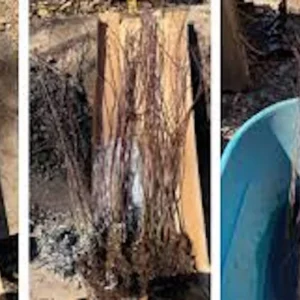
This offering is for one Carolina Buckthorn live plant, specifically a seedling measuring approximately 12 to 18 inches in height. These plants are typically 1 to 2 years old, ensuring they have a well-developed root system ready for transplanting. They are shipped as bare root plants, which means they are carefully dug from the soil when your order is placed, with the roots protected for transit. This method minimizes shock and allows for easy planting upon arrival. The mature size of a Frangula caroliniana plant can reach up to 10-15 feet tall and wide, forming an attractive, multi-stemmed bush or small tree depending on pruning. Its growth rate is moderate, meaning you’ll see noticeable development each season without it becoming unruly.
The Carolina Buckthorn live plant is a deciduous specimen, meaning it will shed its leaves in the fall after its vibrant display. It is known for its relatively compact form, making it suitable for a variety of garden applications, from hedges to specimen plantings. Expect to see its small, greenish-white flowers in late spring to early summer, followed by the development of berries that ripen through the summer and fall. This fall color plant is a valuable addition for its seasonal interest and ecological contributions.
Frequently Asked Questions
- Q: How big does this Carolina Buckthorn live plant get at maturity? A: The Carolina Buckthorn live plant (Frangula caroliniana) can typically reach a mature height and spread of 10 to 15 feet. Its size can be managed with occasional pruning to fit your landscape needs.
- Q: Is this an indoor or outdoor plant? A: The Carolina Buckthorn live plant is an outdoor deciduous shrub. It requires outdoor conditions to thrive and experience its natural growth cycles, including dormancy in winter.
- Q: How much sunlight does the Frangula caroliniana need? A: This plant prefers low to medium sun exposure. It can tolerate partial shade to several hours of direct sunlight. In hotter climates, some afternoon shade is beneficial to protect it from intense sun.
- Q: Is this plant easy to care for? Is it good for beginners? A: Yes, the Carolina Buckthorn live plant is considered relatively easy to care for due to its native resilience and adaptability. It’s a great choice for beginners looking for a low-maintenance shrub.
- Q: What condition will the Carolina Buckthorn live plant arrive in? A: Your Carolina Buckthorn live plant will arrive as a bare root seedling, carefully dug from the soil when your order is placed. The roots will be protected to ensure the plant’s health during transit.
- Q: When is the best time to plant this fall color plant? A: The best time to plant bare root deciduous shrubs like the Carolina Buckthorn live plant is in early spring or late fall when the plant is dormant. This allows it to establish its root system before extreme weather.
- Q: What USDA hardiness zones is this deciduous shrub suitable for? A: The Carolina Buckthorn live plant is generally suitable for USDA hardiness zones 5 through 9, showcasing its adaptability to a wide range of climates across the US.
- Q: Will the berries attract pests to my wildlife garden plant? A: The berries of the Carolina Buckthorn live plant are primarily attractive to birds and other beneficial wildlife, rather than common garden pests. They are a natural food source for these animals.
- Q: Does Frangula caroliniana have thorns? A: No, one of the benefits of the Frangula caroliniana is that it is typically thornless, making it safer and easier to handle and cultivate than some other buckthorn varieties.
- Q: What kind of soil does the Carolina Buckthorn prefer? A: While adaptable to various soil types, the Carolina Buckthorn live plant thrives best in well-draining soil. It can tolerate sandy, loamy, or clay soils as long as they don’t remain waterlogged.
Related products
-20%
Original price was: $20.00.$16.00Current price is: $16.00.
-20%
Original price was: $76.00.$60.80Current price is: $60.80.
-50%
Original price was: $63.00.$31.50Current price is: $31.50.
-50%
Original price was: $133.98.$66.99Current price is: $66.99.
-10%
Original price was: $23.99.$21.59Current price is: $21.59.
PLANTING & CARE

Growing Glencoe Raspberry: A Complete Guide for Gardeners
If you’re looking to add something unique to your garden, look no further than the
31
Mar
Mar

The Comprehensive Guide to Growing Bay Leaf Plants for a Flavorful Garden
Imagine stepping into your garden, greeted by the earthy aroma of fresh bay leaves, their
09
Feb
Feb

How to Make Comfrey Tea: The Ultimate Organic Plant Food
Growing an organic garden can be surprisingly expensive, especially when most store-bought fertilizers come in
02
Feb
Feb

True Comfrey: 7 Essential Tips Before You Plant This Herb
A staple in permaculture practices across the US, True Comfrey easily earns its reputation as
27
Jan
Jan

7 Heart-Shaped Plants for a Lasting Valentine’s Gift
If you’ve ever bought a bouquet of roses for Valentine’s Day, you know they are
26
Jan
Jan

Best Types of Ivy Plant for Houses: How to Choose the Perfect Ones for Your Home
Are you a garden lover looking to introduce some greenery into your home? Maybe you’ve
14
Nov
Nov

When to Harvest Garlic (Especially Fall-Planted Garlic)
TIMING IS EVERYTHING, they say – and for garlic, that truth hits with surprising accuracy.
13
Nov
Nov

11 of the Best Sweet Potato Varieties to Grow for Your Garden
If you’ve ever tried growing sweet potatoes, you know that picking the right variety can
12
Nov
Nov