Trompenburg Japanese Maple Live Plant – 6″ Pot – Unique Foliage – Outdoor Tree
-50%
Trompenburg Japanese Maple Live Plant – 6″ Pot – Unique Foliage – Outdoor Tree
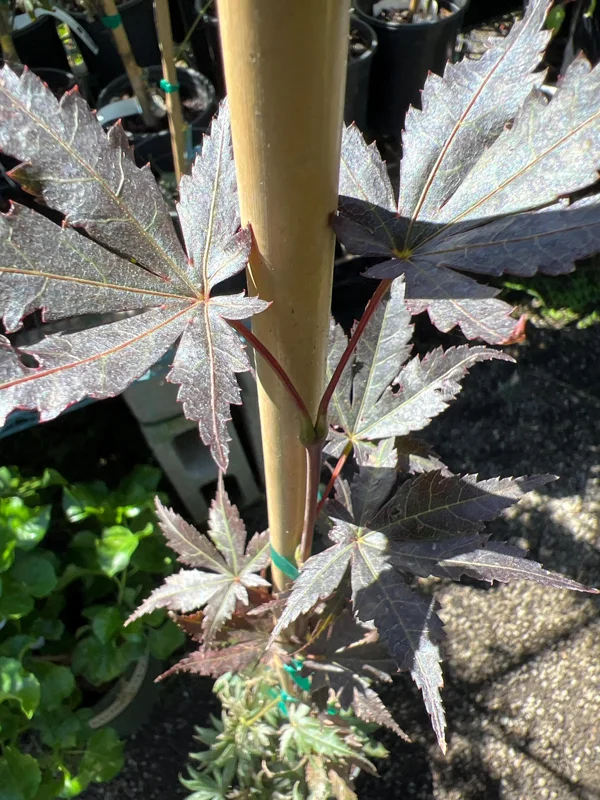
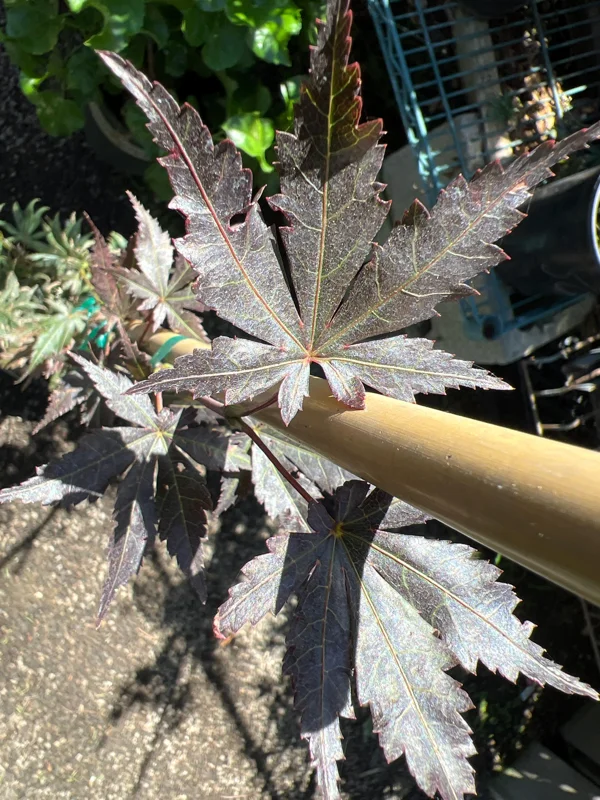
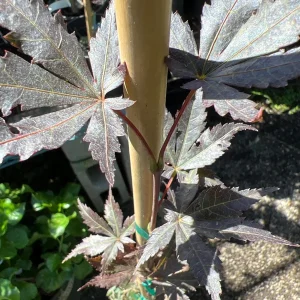
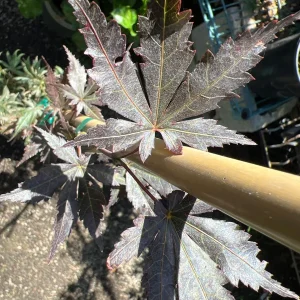
Enhance your landscape with a stunning Trompenburg Japanese Maple live plant. This captivating tree features distinctive, deeply lobed leaves that unfurl with a unique, dragon’s paw-like appearance, offering vibrant color and elegant form for any garden or patio setting.
Original price was: $247.96.$123.98Current price is: $123.98.

With our Alive & Thrive Guarantee, we’ve got your back for the first 30 days! If you have any concerns about your plants, just reach out to us. Our team is here to help answer your questions and guide you in selecting the best plants for your garden, climate, and unique preferences. We're excited to help you create the garden of your dreams!
Estimated arrival
Mar 23
Mar 28 - Mar 30
Apr 02 - Apr 06


Product Details
-
USDA Hardiness Zone
USDA Zones 5-8 -
Soil type
Well-draining, slightly acidic to neutral soil -
Sunlight Exposure
Partial shade (morning sun, afternoon shade) -
Expected Planting Period
Early spring to early fall
Overview
Introduce a touch of sophisticated elegance to your garden with the Trompenburg Japanese Maple live plant. This exquisite cultivar, botanically known as Acer palmatum ‘Trompenburg’, is renowned for its striking, deeply lobed foliage that emerges with a distinctive curved, almost claw-like shape, often likened to a dragon’s paw. As the leaves mature, they transition through rich hues, typically displaying deep red and burgundy tones that hold well throughout the growing season, before intensifying to brilliant crimson in the autumn. Perfect as a specimen tree, in a mixed border, or even grown in a large container, the Trompenburg Japanese Maple offers year-round visual interest and a graceful presence. This live plant arrives ready to be integrated into your outdoor space, promising to be a focal point with its unique texture and color.
The Trompenburg Japanese Maple is a deciduous tree that brings an exotic and refined aesthetic to various garden styles, from traditional to contemporary. Its moderate growth habit and relatively compact size make it suitable for both spacious yards and smaller urban gardens. The intricate leaf structure and consistent color make it a favorite among landscape designers and home gardeners alike, seeking a plant with exceptional character. Enjoy the unfolding beauty of this magnificent tree as it adds depth, color, and architectural interest to your landscape.
Key Benefits
The Trompenburg Japanese Maple live plant offers numerous advantages for any garden, combining aesthetic appeal with robust growth. Its unique characteristics make it a standout choice for those seeking something truly special.
- Striking Foliage: The most prominent feature is its deeply lobed leaves, which unfurl with a distinctive ‘dragon’s paw’ shape. These unique leaves provide exceptional textural interest and a sophisticated look not found in many other maples.
- Vibrant Seasonal Color: Throughout the spring and summer, the leaves maintain rich, deep red to burgundy tones. In autumn, they transform into a spectacular display of brilliant crimson, ensuring continuous visual appeal.
- Elegant Form: The tree develops a graceful, upright, and somewhat vase-shaped habit, making it an excellent focal point or specimen plant. Its mature form adds a refined structure to the garden.
- Versatile Landscaping: Suitable for a variety of garden applications, including borders, rock gardens, small spaces, or as a container plant on patios and decks. Its moderate size allows for flexible placement.
- Moderate Growth Rate: This particular Japanese maple care is relatively straightforward due to its manageable growth, allowing you to enjoy its beauty without excessive pruning or rapid overgrowth.
- Hardy and Resilient: The Acer palmatum Trompenburg is known for its good resistance to common pests and diseases, making it a reliable addition to your landscape.
- Year-Round Interest: Beyond its stunning foliage, the tree’s elegant branching structure provides winter interest, especially when adorned with snow or frost.
Plant Care & Growing Tips
Ensuring the health and vibrancy of your Trompenburg Japanese Maple live plant requires attention to its specific needs regarding light, water, and soil. Proper care will allow this beautiful tree to thrive and display its full glory.
Sunlight requirements: The ‘Trompenburg’ variety thrives best in a location with partial shade, especially in hotter climates. While it can tolerate full sun in cooler regions, afternoon shade is crucial to prevent leaf scorch and help maintain the rich red coloration of its foliage. Aim for 4-6 hours of morning sun with protection from intense midday and afternoon rays. Too much shade can lead to greener leaves, diminishing its characteristic red hues.
Watering schedule and soil moisture preferences: Consistent moisture is key for this Japanese maple, particularly during its establishment period and dry spells. Water deeply and regularly, ensuring the soil remains evenly moist but never waterlogged. Allow the top inch or two of soil to dry out slightly between waterings. Reduce watering frequency in cooler months. Overwatering can lead to root rot, so good drainage is essential. A drip irrigation system or soaker hose can provide consistent, deep watering.
Soil type and drainage requirements: The Trompenburg Japanese Maple prefers well-draining, slightly acidic to neutral soil (pH 5.5-7.0) that is rich in organic matter. Heavy clay soils should be amended with compost or other organic materials to improve drainage and aeration. For container planting, use a high-quality potting mix specifically formulated for trees or shrubs, ensuring it offers excellent drainage.
Temperature range and USDA hardiness zone: This particular unique Japanese maple is generally hardy in USDA Zones 5-8. It can tolerate a range of temperatures but appreciates protection from extreme heat and late spring frosts. In colder zones, consider mulching heavily around the base to protect roots. In hotter zones, afternoon shade becomes even more critical to prevent stress.
Fertilization schedule and type: Fertilize sparingly. A light application of a balanced, slow-release granular fertilizer formulated for trees and shrubs in early spring, just as new growth begins, is usually sufficient. Avoid over-fertilizing, which can burn the roots and lead to excessive, weak growth. Alternatively, amend the soil with compost annually to provide a slow release of nutrients.
Common problems and solutions: Watch out for common issues such as leaf scorch, which indicates too much sun or insufficient water; move to a shadier spot or increase watering. Pests like aphids or scale can occasionally appear; treat with horticultural oil or insecticidal soap as needed. Proper air circulation helps prevent fungal diseases. Ensure good drainage to avoid root rot, a significant threat to red Japanese maple varieties.
Size & Details
This Trompenburg Japanese Maple live plant is carefully cultivated to ensure a strong start in your garden. It is typically shipped as a young tree, approximately 1-2 feet tall from the top of the soil, and established in a 6-inch nursery pot. This size makes it ideal for immediate planting or for growing in a container for a period before transplanting. The growth rate is moderate, with the tree typically reaching a mature height of 10-15 feet and a spread of 8-12 feet over many years, creating a graceful, upright canopy. Expect to see significant new growth and increased branching in its first few seasons once planted in its permanent location.
The unique foliage of this Acer palmatum Trompenburg will begin to show its characteristic ‘dragon’s paw’ shape and deep red coloration shortly after leafing out in spring. While it may take several years to reach its full mature size and form, even young specimens provide significant visual impact. This live plant is a perfect way to introduce a long-lasting, beautiful tree to your landscape, providing enjoyment for decades to come.
Frequently Asked Questions
- Q: How big does this plant get? A: The Trompenburg Japanese Maple live plant typically reaches a mature height of 10-15 feet with a spread of 8-12 feet. Its growth rate is moderate, making it a manageable size for many garden settings.
- Q: What size pot does it come in? A: This live plant is shipped established in a 6-inch nursery pot, ensuring it has a healthy root system ready for planting or up-potting.
- Q: Is this an indoor or outdoor plant? A: The Trompenburg Japanese Maple is an outdoor tree, well-suited for garden beds, landscapes, or large patio containers in appropriate USDA hardiness zones. It is not typically grown as an indoor houseplant.
- Q: How much sunlight does it need? A: It prefers partial shade, especially protection from hot afternoon sun, to prevent leaf scorch and maintain its vibrant foliage color. In cooler climates, it can tolerate more sun.
- Q: Is this plant easy to care for? A: Yes, Japanese maple care for the ‘Trompenburg’ is considered moderate. It requires consistent watering, well-draining soil, and protection from extreme sun and wind, but is generally low-maintenance once established.
- Q: What condition will it arrive in? A: Your Acer palmatum Trompenburg will arrive as a healthy, live plant in its nursery pot, carefully packaged to minimize stress during transit. Some minor leaf drop or soil displacement may occur but is normal.
- Q: When is the best time to plant? A: The best times to plant your unique Japanese maple are in early spring or early fall. This allows the tree to establish its root system before extreme summer heat or winter cold sets in.
- Q: Will it survive winter in my zone? A: This variety is hardy in USDA Zones 5-8. If you are in these zones, it should survive winter outdoors. In colder zones, consider providing winter protection or growing it in a container that can be moved indoors.
- Q: Does this tree have any special features? A: Absolutely! The most distinctive feature of this red Japanese maple is its deeply lobed leaves that unfurl with a unique, curved ‘dragon’s paw’ shape, providing exceptional texture and visual interest.
- Q: How often should I fertilize this Japanese Maple? A: Fertilize sparingly in early spring with a slow-release, balanced fertilizer. Over-fertilization can be detrimental, so less is often more for Japanese maples.
Related products
-50%
Original price was: $73.98.$36.99Current price is: $36.99.

PLANTING & CARE

The Comprehensive Guide to Growing Bay Leaf Plants for a Flavorful Garden
Imagine stepping into your garden, greeted by the earthy aroma of fresh bay leaves, their
09
Feb
Feb

How to Make Comfrey Tea: The Ultimate Organic Plant Food
Growing an organic garden can be surprisingly expensive, especially when most store-bought fertilizers come in
02
Feb
Feb

True Comfrey: 7 Essential Tips Before You Plant This Herb
A staple in permaculture practices across the US, True Comfrey easily earns its reputation as
27
Jan
Jan

7 Heart-Shaped Plants for a Lasting Valentine’s Gift
If you’ve ever bought a bouquet of roses for Valentine’s Day, you know they are
26
Jan
Jan

Best Types of Ivy Plant for Houses: How to Choose the Perfect Ones for Your Home
Are you a garden lover looking to introduce some greenery into your home? Maybe you’ve
14
Nov
Nov

When to Harvest Garlic (Especially Fall-Planted Garlic)
TIMING IS EVERYTHING, they say – and for garlic, that truth hits with surprising accuracy.
13
Nov
Nov

11 of the Best Sweet Potato Varieties to Grow for Your Garden
If you’ve ever tried growing sweet potatoes, you know that picking the right variety can
12
Nov
Nov
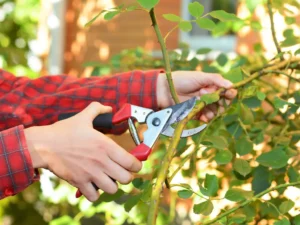
Pruning Bougainvillea for Winter
Bougainvillea vines are known for their dazzling display of magenta, orange, and fuchsia bracts that
05
Nov
Nov