Cashew Live Plant – 2 to 3 feet Tall – Fruit Tree in 3 Gallon Pot
-50%
Cashew Live Plant – 2 to 3 feet Tall – Fruit Tree in 3 Gallon Pot
Cultivate your own exotic fruit with this healthy cashew live plant. Standing 2 to 3 feet tall, this fruit-bearing tree ships in a 3-gallon pot, ready for planting. Enjoy the unique cashew apples and nuts with proper care.
Original price was: $319.96.$159.98Current price is: $159.98.

With our Alive & Thrive Guarantee, we’ve got your back for the first 30 days! If you have any concerns about your plants, just reach out to us. Our team is here to help answer your questions and guide you in selecting the best plants for your garden, climate, and unique preferences. We're excited to help you create the garden of your dreams!
Estimated arrival
Mar 22
Mar 27 - Mar 29
Apr 01 - Apr 05
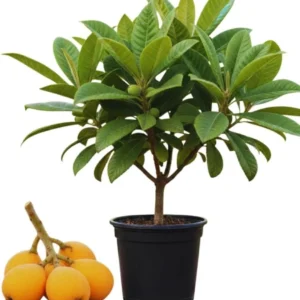
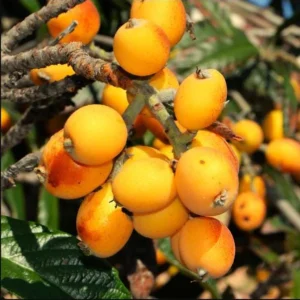
Product Details
-
USDA Hardiness Zone
USDA zones 9-11 (outdoor) or container plant -
Soil type
Well-draining sandy or loamy soil -
Sunlight Exposure
Full sun (6-8+ hours direct light) -
Expected Planting Period
Year-round in warm climates, spring to summer in others
Overview
Bring the tropics to your garden with this impressive cashew live plant. Known botanically as Anacardium occidentale, the cashew tree is a fascinating and rewarding plant to grow, producing both the distinctive cashew nut and the sweet, tangy cashew apple. This vigorous specimen arrives at a convenient size, typically 2 to 3 feet tall, and is shipped securely in a 3-gallon pot, ensuring a healthy start in your landscape. Cashew trees are celebrated for their rapid growth and ability to fruit in as little as two years under optimal conditions, making them an exciting addition for any gardener seeking an exotic, fruit-bearing tree. Despite originating from tropical climates, they exhibit remarkable tolerance to poor soil and drought, adapting well to various environments with the right protection from cold.
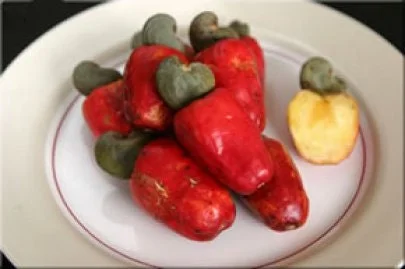
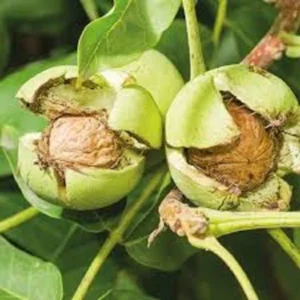
The unique structure of the cashew fruit is a marvel of nature: what we commonly call the cashew ‘apple’ is actually a swollen stem, while the true fruit, containing the nut, hangs below. Both parts are edible and highly prized. This cashew live plant offers a unique opportunity to experience the full growing cycle of this remarkable tree, from bloom to harvest, right in your own backyard or large container.
Key Benefits
Growing a cashew live plant offers a wealth of benefits, from its unique produce to its robust nature. This tree is not just a source of food but also a beautiful and interesting botanical specimen for your garden.
- Unique Dual Harvest: Enjoy both the sweet, tangy cashew ‘apple’ and the delicious, protein-rich cashew nut. The cashew apple can be eaten fresh, candied, or stewed, offering a versatile culinary ingredient.
- Fast Growth & Early Fruiting: Under favorable conditions, this plant can grow very quickly and begin producing fruit in just two years, providing a quicker return on your gardening efforts compared to many other fruit trees.
- Drought and Poor Soil Tolerance: Cashew trees are remarkably resilient, thriving in conditions that might challenge other plants. They tolerate very poor soil and are highly drought-resistant once established, making them suitable for various climates.
- Ornamental Appeal: With its broad leaves and unique fruit structure, the cashew tree makes an attractive addition to any garden or patio, providing shade and visual interest.
- Exotic Garden Addition: Cultivating a cashew nut plant brings an exotic flair to your home garden, allowing you to grow a tropical fruit typically found in warmer regions.
- Sustainable Food Source: Grow your own fresh, organic cashews and cashew apples, reducing reliance on store-bought products and ensuring quality.
- Educational Experience: Provides an engaging learning experience for gardeners of all ages, demonstrating the fascinating lifecycle of a tropical fruit tree.
Plant Care & Growing Tips
Caring for your cashew live plant is relatively straightforward, especially once established. These plants are known for their resilience, but providing the right conditions will ensure optimal growth and fruit production. Cashew trees thrive in warm, tropical, or subtropical climates. They are very cold-sensitive, so if you live in an area with frost, consider growing them in a large container that can be moved indoors during winter, or protect them thoroughly. The ideal USDA hardiness zones for outdoor planting are 9-11.
For sunlight, cashew trees prefer full sun, meaning at least 6-8 hours of direct sunlight per day. While they tolerate poor soil, they perform best in well-draining sandy or loamy soil. Avoid heavy clay soils that retain too much moisture, as this can lead to root rot. Good drainage is crucial. When it comes to watering, young plants need consistent moisture to establish, but mature trees are highly drought-tolerant. Water deeply when the top inch or two of soil feels dry, then allow it to dry out slightly before the next watering. During dry spells, supplemental watering will benefit fruit production. Fertilize your cashew tree care with a balanced slow-release fertilizer during the growing season (spring and summer), following product instructions. Pruning is generally minimal, focusing on removing dead or diseased branches and shaping the tree for desired growth.
One important aspect of growing cashew tree is understanding the nut’s caustic nature. The shell of the raw cashew nut contains an irritant oil, so it must be roasted outside to avoid irritating fumes. Always handle raw nuts with gloves. Pests and diseases are generally not a major issue for healthy cashew trees, but monitor for common garden pests like aphids or scale and treat with organic solutions if necessary.
Size & Details
This cashew live plant is supplied as a healthy, actively growing specimen, typically ranging from 2 to 3 feet in height. It is carefully rooted and shipped in a 3-gallon nursery pot, providing ample space for its initial growth and a strong root system to ensure successful transplanting. Cashew trees are known for their relatively fast growth rate, and with proper care, you can expect them to begin fruiting within two years of planting. They can eventually reach heights of 20 to 40 feet in ideal outdoor conditions, though they can be maintained at a smaller size through pruning or by growing them in containers. The plant will arrive with established foliage, ready to be acclimated to its new environment.
Frequently Asked Questions
- Q: How big does this plant get? A: This cashew live plant typically arrives 2 to 3 feet tall. In optimal outdoor conditions, cashew trees can grow to 20-40 feet, but they can be kept smaller with pruning or by growing them in large containers.
- Q: What size pot does it come in? A: The plant is shipped in a sturdy 3-gallon nursery pot, providing a good starting size for its root system and initial growth.
- Q: Is this an indoor or outdoor plant? A: Cashew trees are tropical plants that thrive outdoors in USDA zones 9-11. In colder climates, they can be grown in large pots and moved indoors to protect them from frost, making them versatile for various gardeners.
- Q: How much sunlight does it need? A: For best growth and fruit production, your cashew nut plant requires full sun, meaning at least 6-8 hours of direct sunlight per day.
- Q: Is this plant easy to care for? Is it good for beginners? A: Cashew trees are quite resilient and drought-tolerant once established. While they do have specific needs regarding cold protection, overall cashew tree care is manageable, making them suitable for enthusiastic beginners with a bit of research.
- Q: What condition will it arrive in? A: Your cashew plant will arrive healthy and actively growing, securely packaged in its 3-gallon pot to minimize stress during transit.
- Q: How long until it fruits? A: Under favorable growing conditions, a cashew tree can begin to fruit in as little as two years from planting.
- Q: Can I eat the cashew apple? A: Yes, the cashew ‘apple’ (the swollen stem) is edible and can be enjoyed fresh, candied, or stewed. It has a sweet and slightly astringent taste.
- Q: What’s the minimum temperature it can tolerate? A: Cashew trees are very cold-sensitive and cannot tolerate frost. They prefer temperatures above 50°F (10°C). Protection is essential in zones below USDA 9.
- Q: What is Anacardium occidentale? A: Anacardium occidentale is the botanical name for the cashew tree, the species from which the cashew nut and apple are harvested.
Related products
-10%
Original price was: $80.99.$72.89Current price is: $72.89.
-20%
Original price was: $36.00.$28.80Current price is: $28.80.
PLANTING & CARE

The Comprehensive Guide to Growing Bay Leaf Plants for a Flavorful Garden
Imagine stepping into your garden, greeted by the earthy aroma of fresh bay leaves, their
09
Feb
Feb

How to Make Comfrey Tea: The Ultimate Organic Plant Food
Growing an organic garden can be surprisingly expensive, especially when most store-bought fertilizers come in
02
Feb
Feb

True Comfrey: 7 Essential Tips Before You Plant This Herb
A staple in permaculture practices across the US, True Comfrey easily earns its reputation as
27
Jan
Jan

7 Heart-Shaped Plants for a Lasting Valentine’s Gift
If you’ve ever bought a bouquet of roses for Valentine’s Day, you know they are
26
Jan
Jan

Best Types of Ivy Plant for Houses: How to Choose the Perfect Ones for Your Home
Are you a garden lover looking to introduce some greenery into your home? Maybe you’ve
14
Nov
Nov

When to Harvest Garlic (Especially Fall-Planted Garlic)
TIMING IS EVERYTHING, they say – and for garlic, that truth hits with surprising accuracy.
13
Nov
Nov

11 of the Best Sweet Potato Varieties to Grow for Your Garden
If you’ve ever tried growing sweet potatoes, you know that picking the right variety can
12
Nov
Nov
Pruning Bougainvillea for Winter
Bougainvillea vines are known for their dazzling display of magenta, orange, and fuchsia bracts that
05
Nov
Nov