Donut Peach Tree Live Plant – 2 to 3 Feet Tall – 3 Gallon Pot – Outdoor Fruit
-50%
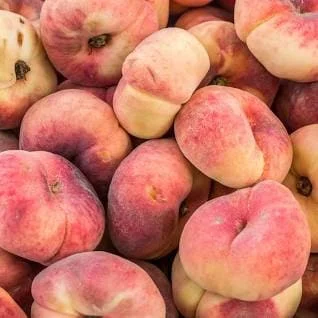
Donut Peach Tree Live Plant – 2 to 3 Feet Tall – 3 Gallon Pot – Outdoor Fruit
Cultivate your own sweet, uniquely shaped fruit with this donut peach tree. A 2-3 feet tall live plant, it arrives in a 3-gallon pot, ready for planting to produce delicious, white-fleshed peaches with a distinctive sunken center. Enjoy beautiful blooms followed by a bountiful harvest of juicy fruit.
Original price was: $319.96.$159.98Current price is: $159.98.

With our Alive & Thrive Guarantee, we’ve got your back for the first 30 days! If you have any concerns about your plants, just reach out to us. Our team is here to help answer your questions and guide you in selecting the best plants for your garden, climate, and unique preferences. We're excited to help you create the garden of your dreams!
Estimated arrival
Mar 22
Mar 27 - Mar 29
Apr 01 - Apr 05
Product Details
-
USDA Hardiness Zone
USDA Zones 5-9 -
Soil type
Well-draining, slightly acidic to neutral soil -
Sunlight Exposure
Full sun (6-8+ hours daily) -
Expected Planting Period
Early spring or fall
Overview
Experience the joy of growing your own delightful fruit with this exceptional donut peach tree. This live plant, standing 2 to 3 feet tall and shipped in a 3-gallon pot, is ready to bring unique flavor and charm to your garden. Known for its distinctive flat, ‘doughnut’ shape and sweet, mild, white-fleshed fruit, the donut peach tree (Prunus persica ‘Donut’) is a favorite among home gardeners. Its beautiful spring blooms add ornamental value before yielding a harvest of juicy, almond-like tasting peaches. This variety is also known for its low chill hour requirement, making it suitable for a wider range of climates.
The ‘Donut’ peach, sometimes called ‘Saturn’ peach, is a fantastic choice for those seeking an easy-to-grow fruit tree that offers both visual appeal and delicious, high-quality produce. With its compact size when young, it’s perfect for smaller gardens or even large containers, allowing you to enjoy fresh, homegrown peaches. This peach donut plant promises a rewarding gardening experience, culminating in a harvest of uniquely shaped and flavored fruit.
Key Benefits
Adding a donut peach tree to your landscape offers numerous advantages beyond just delicious fruit. This versatile tree is a true garden gem:
- Unique Fruit Production: Enjoy a harvest of distinctive, flat ‘doughnut’ shaped peaches with sweet, white flesh, providing a gourmet experience right from your backyard. The unique shape makes them fun for kids and easy to eat.
- Delicious Flavor Profile: The fruit boasts a wonderfully sweet and mild flavor, often described as having subtle almond undertones, making it a delightful treat for fresh eating, desserts, or preserves. This makes it a standout among other peach varieties.
- Ornamental Value: Before producing fruit, the tree adorns itself with beautiful spring blossoms, adding a visually appealing display to your garden or patio. These blooms are often fragrant and attract pollinators.
- Low Chill Requirement: This variety is a low chill peach tree, meaning it requires fewer hours of cold weather to set fruit, extending its suitability to regions with milder winters where other peach varieties might struggle.
- Homegrown Freshness: Nothing compares to the taste of fruit picked fresh from your own garden. You control how it’s grown, ensuring chemical-free, peak-flavor peaches for your family.
- Compact Size: While it will grow, its manageable size as a young plant makes it suitable for various garden sizes, including smaller yards or even container gardening, especially when kept pruned.
- Rewarding Gardening Experience: Cultivating your own fruit tree provides immense satisfaction and a connection to nature, offering a delicious reward for your efforts. The process of watching your peach donut plant grow and bear fruit is incredibly fulfilling.
Plant Care & Growing Tips
Caring for your donut peach tree is relatively straightforward, ensuring a bountiful harvest with proper attention. Peach trees thrive in full sun, requiring at least 6-8 hours of direct sunlight daily for optimal fruit production and overall health. Choose a location with good air circulation to help prevent fungal diseases. When planting, ensure the soil is well-draining. Peach trees prefer a slightly acidic to neutral soil pH (6.0-7.0). If your soil is heavy clay, amend it with organic matter like compost to improve drainage.
Watering is crucial, especially during dry spells and when the fruit is developing. Deep watering once or twice a week is generally better than frequent shallow watering, encouraging deeper root growth. Avoid overwatering, which can lead to root rot. Fertilize in early spring before new growth begins, using a balanced fruit tree fertilizer according to package directions. Pruning is essential for maintaining tree shape, promoting air circulation, and encouraging fruit production. Prune in late winter or early spring, removing dead, damaged, or crossing branches, and thinning out crowded areas. Monitor for common peach tree pests and diseases, addressing them promptly with appropriate organic or chemical treatments. This will ensure your donut peach care routine leads to a healthy, productive tree.
Size & Details
This donut peach tree is a robust live plant, typically arriving 2 to 3 feet tall, making it a great size for immediate planting and establishment. It is shipped securely in a 3-gallon nursery pot, ensuring its root system is well-developed and ready for transplanting into your garden or a larger container. These trees have a moderate growth rate, eventually reaching a mature height of 10-15 feet with a similar spread, depending on pruning and growing conditions. Expect to see fruit production within 2-4 years of planting, with increasing yields as the tree matures. This variety is known for its relatively early fruit set compared to some other peach types, thanks to its low chill hour requirement. The ‘Donut’ peach is an excellent investment for long-term fruit production in your home orchard.
Frequently Asked Questions
- Q: How big does this plant get? A: This donut peach tree typically grows to a mature height of 10-15 feet with a similar spread, depending on pruning. It arrives as a 2-3 foot tall live plant, ready for establishment.
- Q: What size pot does it come in? A: The peach donut plant is shipped in a sturdy 3-gallon nursery pot, providing ample space for its root system and ensuring a healthy start.
- Q: Is this an indoor or outdoor plant? A: This is an outdoor fruit tree. While it can be grown in a large container, it requires full sun and specific chill hours to produce fruit, making it unsuitable for long-term indoor cultivation.
- Q: How much sunlight does it need? A: The donut peach tree thrives in full sun, requiring a minimum of 6-8 hours of direct sunlight each day for optimal growth and fruit production.
- Q: Is this plant easy to care for? A: Yes, with proper planting and consistent care, including adequate sunlight, water, and annual pruning, the donut peach care is considered relatively easy for a fruit tree.
- Q: What condition will it arrive in? A: Your donut peach tree will arrive as a healthy, live plant, securely packaged in its 3-gallon pot, with its root system intact and ready for transplanting.
- Q: When is the best time to plant this tree? A: The best time to plant a donut peach tree is typically in early spring or fall, allowing it to establish its root system before extreme temperatures.
- Q: Will it survive winter in my zone? A: This low chill peach tree is suitable for USDA Hardiness Zones 5-9. Check your local USDA zone to ensure it’s appropriate for your climate.
- Q: How long until it blooms and fruits? A: You can expect to see beautiful blooms in early spring and fruit production typically within 2-4 years of planting, with yields increasing as the tree matures.
- Q: What kind of soil does it prefer? A: The donut peach tree prefers well-draining soil with a slightly acidic to neutral pH (6.0-7.0). Amend heavy soils with organic matter for best results.
Related products
-20%
Original price was: $66.00.$52.80Current price is: $52.80.
-20%
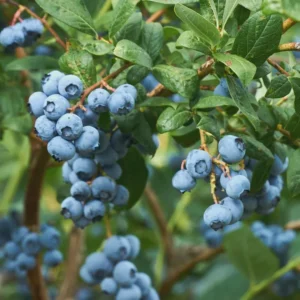
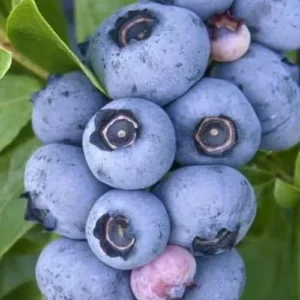
Original price was: $60.00.$48.00Current price is: $48.00.
-20%
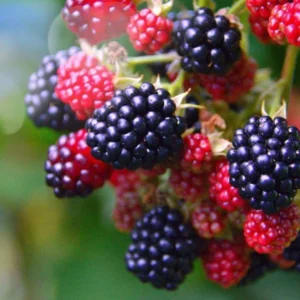
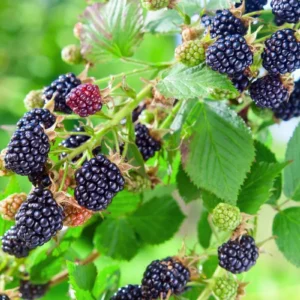
Original price was: $80.00.$64.00Current price is: $64.00.
-20%
Original price was: $36.00.$28.80Current price is: $28.80.
-20%
Original price was: $32.00.$25.60Current price is: $25.60.
-10%
Original price was: $23.99.$21.59Current price is: $21.59.
-20%
Original price was: $32.00.$25.60Current price is: $25.60.
PLANTING & CARE

The Comprehensive Guide to Growing Bay Leaf Plants for a Flavorful Garden
Imagine stepping into your garden, greeted by the earthy aroma of fresh bay leaves, their
09
Feb
Feb

How to Make Comfrey Tea: The Ultimate Organic Plant Food
Growing an organic garden can be surprisingly expensive, especially when most store-bought fertilizers come in
02
Feb
Feb

True Comfrey: 7 Essential Tips Before You Plant This Herb
A staple in permaculture practices across the US, True Comfrey easily earns its reputation as
27
Jan
Jan

7 Heart-Shaped Plants for a Lasting Valentine’s Gift
If you’ve ever bought a bouquet of roses for Valentine’s Day, you know they are
26
Jan
Jan

Best Types of Ivy Plant for Houses: How to Choose the Perfect Ones for Your Home
Are you a garden lover looking to introduce some greenery into your home? Maybe you’ve
14
Nov
Nov

When to Harvest Garlic (Especially Fall-Planted Garlic)
TIMING IS EVERYTHING, they say – and for garlic, that truth hits with surprising accuracy.
13
Nov
Nov

11 of the Best Sweet Potato Varieties to Grow for Your Garden
If you’ve ever tried growing sweet potatoes, you know that picking the right variety can
12
Nov
Nov
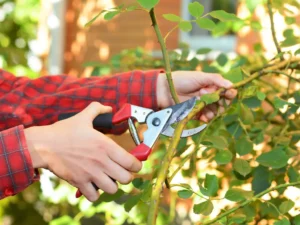
Pruning Bougainvillea for Winter
Bougainvillea vines are known for their dazzling display of magenta, orange, and fuchsia bracts that
05
Nov
Nov