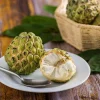
Black Sapote Live Plant – 2-3 Feet Tall – Ship in 3 Gallon Pot – Tropical Fruit Tree
-50%
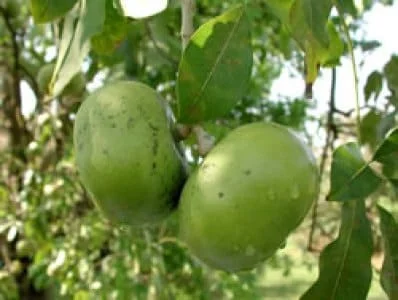
Black Sapote Live Plant – 2-3 Feet Tall – Ship in 3 Gallon Pot – Tropical Fruit Tree
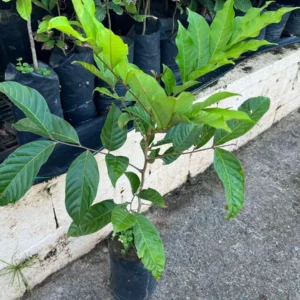
Bring the unique taste of the tropics home with a black sapote live plant. Often called the “Chocolate Pudding Fruit,” this 2 to 3 feet tall grafted tree ships in a 3-gallon pot, ready to produce delicious, melt-in-your-mouth fruit. Perfect for container growing in sunny locations.
Original price was: $391.96.$195.98Current price is: $195.98.

With our Alive & Thrive Guarantee, we’ve got your back for the first 30 days! If you have any concerns about your plants, just reach out to us. Our team is here to help answer your questions and guide you in selecting the best plants for your garden, climate, and unique preferences. We're excited to help you create the garden of your dreams!
Estimated arrival
Oct 14
Oct 19 - Oct 21
Oct 24 - Oct 28
Product Details
-
USDA Hardiness Zone
USDA zones 10-11 -
Soil type
Well-draining, rich loamy soil -
Sunlight Exposure
Full sun -
Expected Planting Period
Year-round indoors; Spring to early summer outdoors
Overview
Cultivate a unique tropical delight in your own garden with a black sapote live plant. Known colloquially as the “Chocolate Pudding Fruit,” this fascinating tree offers an unparalleled culinary experience. Originating from Central America, the Black Sapote (Diospyros nigra) is celebrated for its rich, dark, and custardy pulp that, once ripe, genuinely resembles chocolate pudding in both texture and subtle flavor notes. This particular specimen is a grafted plant, ensuring earlier blooming and fruiting compared to seed-grown trees. Standing 2 to 3 feet tall and shipped in a 3-gallon pot, it’s an ideal size for starting your tropical fruit collection, whether you plan to grow it in a large container or plant it in the ground in suitable climates. The black sapote live plant is a wonderful addition for enthusiasts seeking exotic fruits and a conversation starter for any garden.
The allure of the black sapote live plant extends beyond its unique fruit. It’s a relatively easy-to-grow tropical tree that can thrive in a 10-inch pot, making it accessible even for those with limited space. Imagine harvesting your own “chocolate pudding” directly from your backyard or patio! The fruit typically ripens from July until the end of the year, providing a long season of enjoyment. Its striking dark fruit, coupled with lush green foliage, also makes it an attractive ornamental plant.
Key Benefits
Growing a black sapote live plant offers a multitude of rewards, from its distinctive fruit to its ease of care. This tropical tree provides both aesthetic beauty and gourmet delight.
- Unique Culinary Experience: Enjoy the rich, melt-in-your-mouth brown custardy pulp often likened to chocolate pudding. It’s a healthy, natural dessert straight from your garden.
- Grafted for Early Fruiting: This is a grafted plant, meaning it will bloom and produce fruit much sooner than plants grown from seed, offering quicker gratification for your efforts.
- Container-Friendly Growth: The black sapote live plant can be successfully grown in a 10-inch pot or larger, making it suitable for patios, balconies, or indoor cultivation in colder climates.
- Long Fruiting Season: The fruits can remain on the tree for up to 8 months and will ripen progressively from July until the end of the year, providing a sustained harvest.
- Ornamental Appeal: With its attractive foliage and unique fruit, the tree serves as an interesting focal point in any garden or landscape.
- Relative Ease of Care: Despite its exotic nature, black sapote care is straightforward, requiring full sun and consistent fertilization during growing seasons.
- Healthy and Nutritious Fruit: The fruit is not only delicious but also a source of vitamins and minerals, offering a wholesome treat.
Plant Care & Growing Tips
Proper black sapote care ensures a healthy, productive tree. This tropical plant thrives in warm conditions and requires specific attention to sunlight, watering, and feeding. For optimal growth, provide your black sapote live plant with full sun exposure. This means at least 6-8 hours of direct sunlight per day. If growing indoors, place it near a south-facing window or supplement with grow lights to ensure it receives adequate light. When the plant is established outdoors, it prefers a sunny, sheltered location.
Watering is crucial for the growing black sapote. Keep the soil consistently moist but never waterlogged. Allow the top inch or two of soil to dry out slightly between waterings. Use well-draining soil, ideally a rich, loamy mix that retains some moisture but allows excess water to escape freely. Fertilize your grafted black sapote once a month from spring through summer using a balanced, slow-release fertilizer or a liquid feed formulated for fruit trees. Reduce fertilization during the dormant winter months. Black sapote prefers temperatures above 40°F (4°C) and is best suited for USDA Zones 10-11 for outdoor planting. In cooler zones, it must be grown in a container and brought indoors during colder periods. Pruning can be done after fruit set to maintain a manageable size, especially for container-grown plants.
Size & Details
This black sapote live plant is approximately 2 to 3 feet tall upon arrival, carefully nurtured to reach a robust size ready for continued growth. It is shipped in a 3-gallon nursery pot, providing ample space for its root system and minimizing transplant shock. The plant is a grafted specimen, which is a significant advantage for those eager to enjoy its unique fruit sooner, as grafted trees mature and bear fruit much faster than those grown from seed. Expect a moderate growth rate, and with proper care, your plant will continue to develop into a productive fruit-bearing tree.
The mature fruit typically measures around 3 inches across, offering a substantial harvest. The fruits can remain on the tree for an extended period, ripening gradually from July to the end of the year. This extended ripening window allows for a prolonged enjoyment of the delicious “chocolate pudding fruit.” With attentive black sapote care, you can look forward to a bountiful yield from this particular grafted black sapote.
Frequently Asked Questions
- Q: How big does this black sapote live plant get? A: This particular plant ships at 2 to 3 feet tall. With proper care, a mature Black Sapote tree can reach heights of 25-30 feet, though container growing and pruning can keep it much smaller, making it suitable for various spaces.
- Q: What size pot does it come in? A: Your black sapote live plant will arrive securely planted in a 3-gallon nursery pot, providing a healthy start for its roots and making it easy to transplant.
- Q: Is this an indoor or outdoor plant? How much sunlight does it need? A: Black Sapote is a tropical plant that thrives outdoors in USDA Zones 10-11. In other zones, it can be grown in containers and brought indoors during cooler months. It requires full sun, meaning at least 6-8 hours of direct sunlight daily.
- Q: Is this plant easy to care for? Is it good for beginners? A: Black sapote care is relatively straightforward for those familiar with tropical plants. Beginners can succeed with consistent attention to its needs for sun, water, and fertilizer, especially when growing a grafted black sapote.
- Q: What condition will it arrive in? Is it shipped in soil? A: Your black sapote live plant will be carefully packaged and shipped in its 3-gallon pot with soil, ensuring it arrives healthy and ready for its new home.
- Q: How long until it fruits? A: Since this is a grafted plant, it is expected to bloom and fruit much sooner than seed-grown plants. With good care, you could see fruit within 1-3 years after planting.
- Q: When is the best time to plant a black sapote? A: For outdoor planting in suitable zones, spring or early summer is ideal to allow the plant to establish before cooler weather. Container plants can be planted year-round indoors.
- Q: Will it survive winter in my zone? What’s the minimum temperature? A: Black Sapote is sensitive to cold. It will only survive outdoors year-round in USDA Zones 10-11. The minimum temperature it can tolerate is around 40°F (4°C); prolonged exposure to colder temperatures can cause damage or death.
- Q: How should I water my growing black sapote? A: Keep the soil consistently moist but not waterlogged. Allow the top inch or two of soil to dry out before watering again. Ensure good drainage to prevent root rot.
- Q: Can I grow this chocolate pudding fruit tree in a small space? A: Yes, the black sapote live plant is well-suited for container growing, allowing you to cultivate this tropical fruit even in smaller gardens, patios, or indoors. Pruning helps manage its size.
Related products
-20%
Original price was: $56.00.$44.80Current price is: $44.80.
-20%
Original price was: $66.00.$52.80Current price is: $52.80.
-20%
Original price was: $80.00.$64.00Current price is: $64.00.
-10%
Original price was: $65.00.$58.50Current price is: $58.50.
-20%
Original price was: $60.00.$48.00Current price is: $48.00.
-49%
Original price was: $59.38.$29.99Current price is: $29.99.
-10%
Original price was: $158.00.$142.20Current price is: $142.20.
PLANTING & CARE
Lemon Tree Growing: Choose, Plant, and Harvest
Learn how to choose, plant, feed, and protect a lemon tree so it fits your
23
Sep
Sep
Dwarf Meyer Lemon Tree Australia: Climate Guide
Learn where dwarf Meyer lemon trees grow, how much cold they tolerate, and whether Australia,
Where to Buy a Dwarf Meyer Lemon Tree: Buyer’s Guide
Find the right dwarf Meyer lemon tree online or locally, compare starter sizes and costs,
Dwarf Meyer Lemon Tree for Sale: Buying Guide
Compare Meyer lemon tree sizes, prices, shipping limits, indoor growing and California options before you
Dwarf Meyer Lemon Tree Guide: Size, Care and Fruit
META: Learn how large a dwarf Meyer lemon tree grows, where it thrives, and how
How to Prune a Dwarf Meyer Lemon Tree
Learn when and how to prune a dwarf Meyer lemon tree, including tools, shaping cuts,
Can You Grow a Dwarf Meyer Lemon Tree in a Pot?
META: Learn how to grow a dwarf Meyer lemon tree in a pot, including container
When Do Dwarf Meyer Lemon Trees Bloom and Fruit?
META: Dwarf Meyer lemon trees usually bloom from winter through spring and may flower again