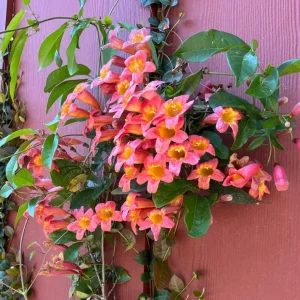
 Tangerine Beauty Crossvine Live Plant 3-Pack – 5-9" Tall Climbing Vine
 1 Black Mission Fig Tree Starter Plant – Ficus Carica Perennial Live Plant
-20%
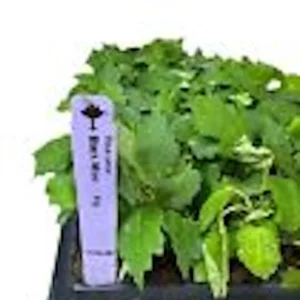
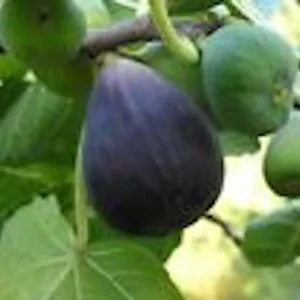
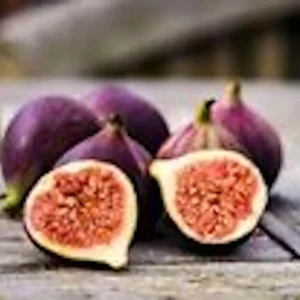
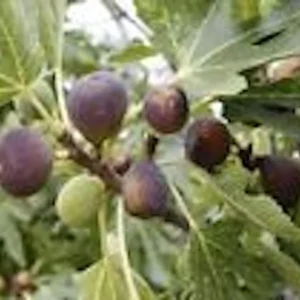
1 Black Mission Fig Tree Starter Plant – Ficus Carica Perennial Live Plant
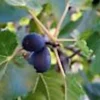
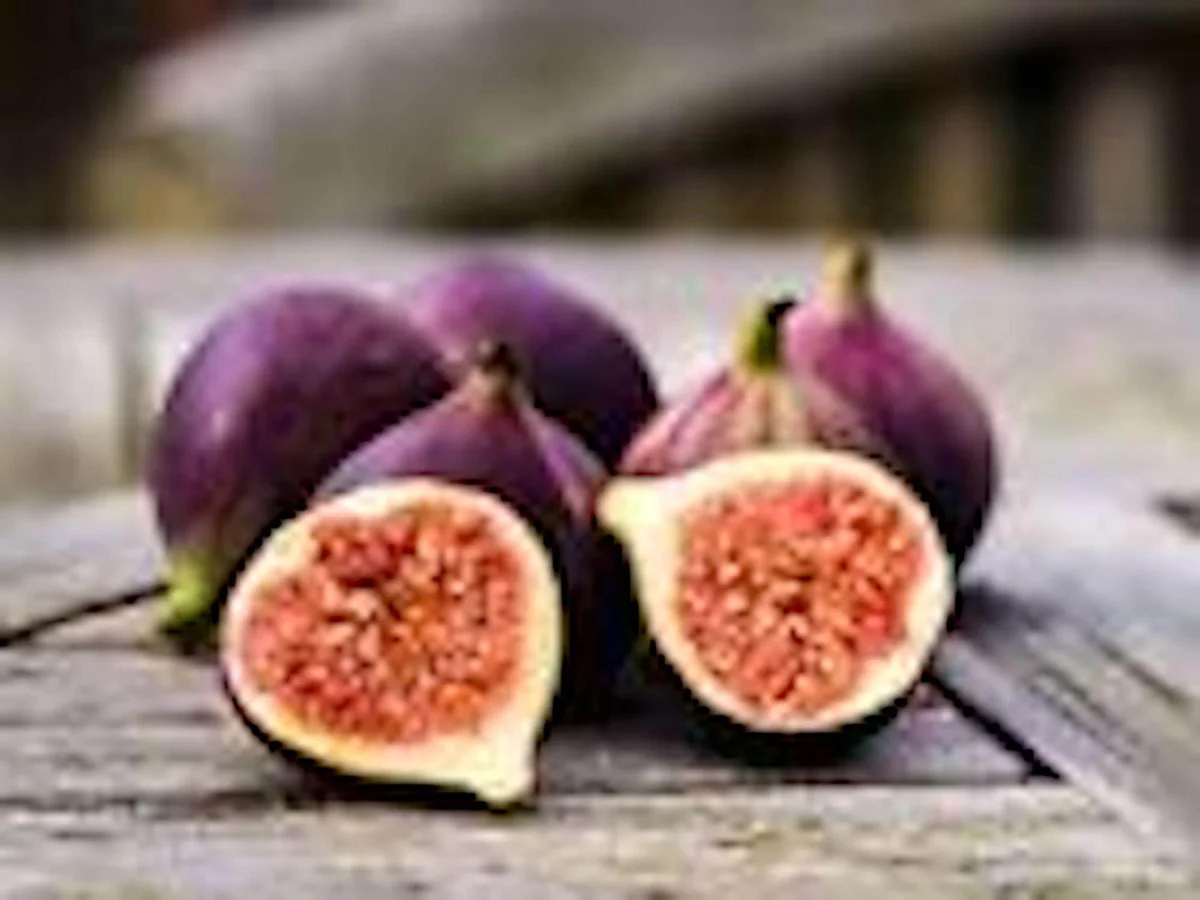
Cultivate your own delicious fruit with this black mission fig tree starter plant. A versatile ficus carica perennial, it’s known for producing both an early breba crop and a main crop of dark-skinned, strawberry-colored figs. Ideal for various climates across the continental U.S.
Original price was: $32.00.$25.60Current price is: $25.60.

With our Alive & Thrive Guarantee, we’ve got your back for the first 30 days! If you have any concerns about your plants, just reach out to us. Our team is here to help answer your questions and guide you in selecting the best plants for your garden, climate, and unique preferences. We're excited to help you create the garden of your dreams!
Estimated arrival
Apr 08
Apr 13 - Apr 15
Apr 18 - Apr 22

Product Details
-
USDA Hardiness Zone
USDA Zones 7-10 -
Soil type
Well-draining loamy soil -
Sunlight Exposure
Full sun (6-8 hours daily) -
Expected Planting Period
Spring to early summer
Overview
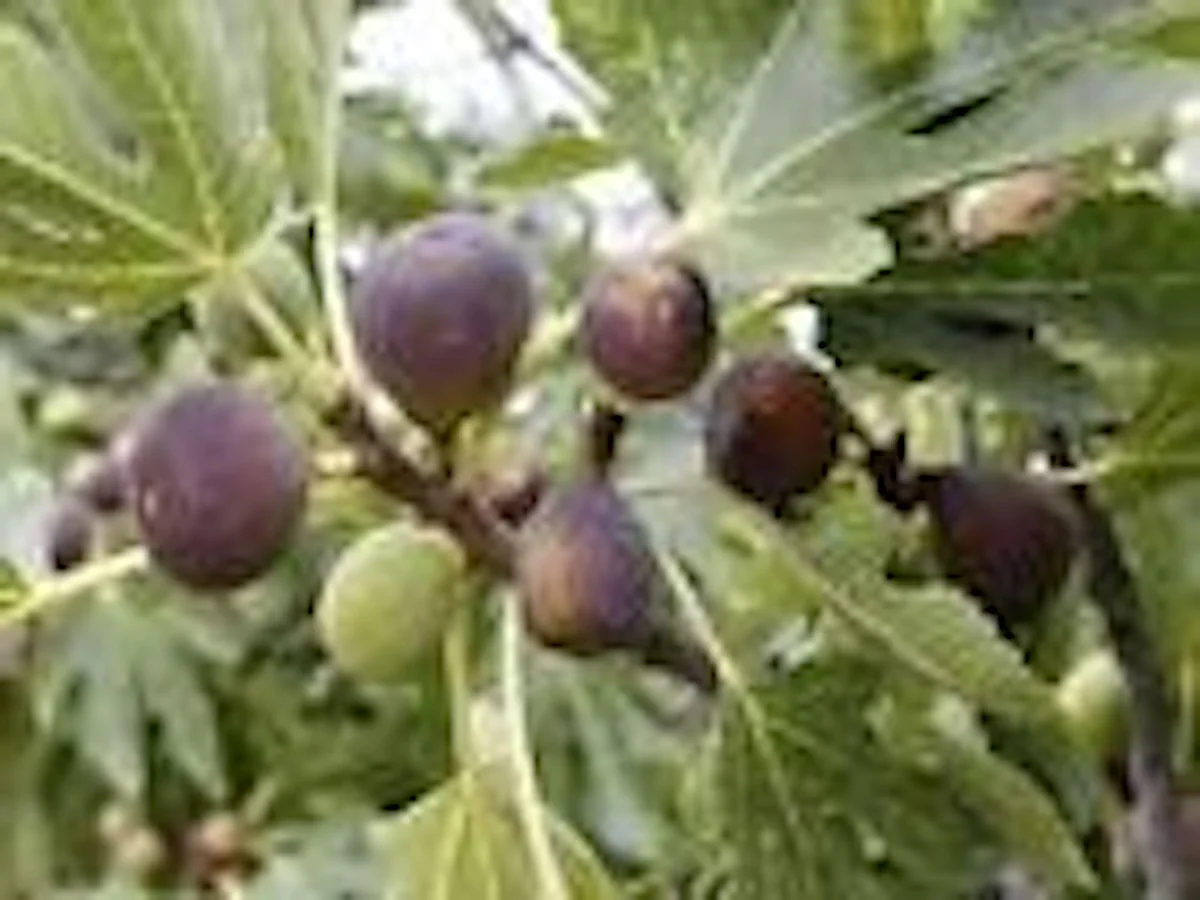
Embark on a rewarding gardening journey with the black mission fig tree starter plant, a truly exceptional addition to any home orchard or garden. This Ficus Carica variety is celebrated for its adaptability and prolific fruiting, making it a favorite among fig enthusiasts across the continental United States. Known for its robust nature and delicious yield, the ficus carica perennial is a high-quality fig variety that thrives in diverse climates, from northern to southern regions, and across both coastal and inland locations. Its large, lobed leaves contribute to a lush, spreading growth habit, providing not only an abundant harvest but also a wonderful shade tree for your landscape. This live plant offers the unique opportunity to grow your own fresh, sweet figs right at home, bringing a touch of Mediterranean charm and gourmet flavor to your table.
The Black Mission fig is particularly prized for its dual-cropping nature, producing both an early ‘breba’ crop and a later, more substantial main crop. This characteristic ensures a longer harvest season, allowing you to enjoy its delectable fruits over an extended period. Whether you’re a seasoned gardener or just starting out, this black mission fig tree starter plant provides an excellent foundation for a thriving fig tree. Its resilience and ease of care make it an ideal choice for varying skill levels, promising a bountiful return of sweet, dark-skinned figs with a rich, strawberry-colored interior. Prepare to be delighted by the fresh taste and the satisfaction of harvesting your own home-grown fruit.
Key Benefits
The black mission fig tree starter plant offers a multitude of benefits, from its delicious fruit to its ornamental value, making it a highly desirable plant for any garden. Cultivating this ficus carica perennial brings both aesthetic pleasure and a bounty of healthy, fresh produce.
- Prolific Fruit Production: This fig tree is renowned for its ability to produce two distinct crops annually – an early breba crop and a larger main crop. This ensures a prolonged harvest season, providing you with fresh figs for an extended period. The fruit is dark-skinned with a vibrant strawberry-colored interior, offering a delightful flavor.
- Adaptable & Resilient: The Black Mission fig demonstrates exceptional adaptability, performing well across a wide range of climates in the continental U.S. It tolerates various growing conditions, making it a reliable choice for many gardeners.
- Ornamental Value: Beyond its fruit, the tree boasts large, attractive lobed leaves and a graceful, spreading growth habit. It serves as an excellent shade tree, enhancing the aesthetic appeal of your garden or outdoor living space.
- Everbearing Potential: In suitable climates, the Black Mission fig is considered an everbearing variety, continuously producing fruit. This maximises your yield and enjoyment throughout the growing season.
- Nutritious Harvest: Figs are a healthy snack, rich in fiber, vitamins, and minerals. Growing your own ensures a fresh, organic supply of these nutritious fruits, free from pesticides and chemicals.
- Easy to Grow: Even for novice gardeners, mission fig care is relatively straightforward. With proper sunlight and watering, these trees are quite hardy and forgiving, making them a great entry point into fruit tree cultivation.
- Versatile Culinary Use: The sweet, rich flavor of Black Mission figs makes them perfect for eating fresh, drying, making jams, or incorporating into various culinary dishes, from salads to desserts. Understanding growing mission figs opens up a world of culinary possibilities.
Plant Care & Growing Tips
Proper mission fig care is crucial for a healthy, productive tree. This black mission fig tree starter plant thrives with adequate sunlight, consistent watering, and well-draining soil. Figs, including the ficus carica perennial, generally require 6-8 hours of direct sunlight per day to produce the best fruit. Choose a location in your garden that receives full sun, or if growing in a container, place it where it can bask in ample light. While adaptable, protecting young trees from extreme winter cold in colder zones (below USDA Zone 7) is advisable. Consider planting in a sheltered spot or providing winter protection if temperatures drop significantly.
Watering should be consistent, especially during dry spells and when the fruit is developing. The soil should be kept consistently moist but never waterlogged, as figs are susceptible to root rot. Allow the top inch or two of soil to dry out slightly between waterings. Well-draining soil is paramount; sandy loam with a neutral to slightly alkaline pH is ideal. If your soil is heavy clay, amend it with organic matter like compost or sand to improve drainage. Fertilize your fig tree in early spring with a balanced, slow-release fertilizer formulated for fruit trees. Avoid excessive nitrogen, which can promote leafy growth at the expense of fruit production. Pruning is best done in late winter or early spring while the tree is dormant, focusing on removing dead, damaged, or crossing branches to improve air circulation and sunlight penetration.
Common issues with growing mission figs include fig rust and fig mosaic virus, though these are often managed with good cultural practices. Keep an eye out for pests like fig beetles or spider mites, and address them promptly with organic pest control methods if necessary. The Black Mission fig is known for its hardiness, but consistent monitoring and care will ensure a robust and fruitful tree for many years. Understanding the nuances of best fig varieties often comes down to successful cultivation practices tailored to the specific plant’s needs.
Size & Details
This offering is for 1 black mission fig tree starter plant, a young yet robust specimen ready for planting and establishment in your garden. As a ficus carica perennial, it will mature into a medium-sized tree, typically reaching heights of 10-20 feet with a similar spread when grown in optimal conditions in the ground. The growth rate is moderate, allowing for significant development within a few seasons. When cultivated in containers, its size can be managed through pruning, typically staying smaller, around 6-10 feet tall. This starter plant ships bare root, meaning it will arrive without soil or a pot, which is a common and effective method for shipping deciduous fruit trees to minimize transplant shock and encourage rapid root establishment upon planting.
The Black Mission fig is known for its reliable production of both breba (early) and main crops. The breba crop typically consists of larger fruits, while the main crop yields medium-sized figs. Expect your young tree to begin fruiting within 1-3 years after planting, with increasing yields as it matures. Its ability to produce fruit over an extended period makes it one of the best fig varieties for home gardeners seeking a consistent supply of fresh figs. Proper planting and initial care will set the stage for a long and productive life for your fig tree.
Frequently Asked Questions
- Q: How big does this plant get? A: A mature black mission fig tree starter plant can reach heights of 10-20 feet with a similar spread when planted in the ground. Its size can be controlled with pruning, especially if grown in a container, where it typically stays smaller, around 6-10 feet.
- Q: Is this an indoor or outdoor plant? A: The ficus carica perennial is primarily an outdoor plant, thriving in full sun. However, it can be grown in large containers and brought indoors during winter in colder climates to protect it from frost.
- Q: How much sunlight does it need? A: For optimal fruit production and healthy growth, the Black Mission fig tree requires at least 6-8 hours of direct sunlight per day. Choose a sunny location in your garden or a bright spot if growing indoors.
- Q: Is this plant easy to care for? A: Yes, mission fig care is relatively straightforward. They are quite hardy and adaptable, making them a good choice for both experienced and novice gardeners. Consistent watering and adequate sunlight are key.
- Q: What condition will it arrive in? A: This black mission fig tree starter plant typically ships bare root, meaning it will arrive without soil or a pot. This method helps reduce shipping stress and promotes healthy root development when planted.
- Q: How long until it blooms/fruits? A: You can generally expect your young Black Mission fig tree to begin producing fruit within 1-3 years after planting, with yields increasing as the tree matures.
- Q: What’s the minimum temperature this plant can tolerate? A: The Black Mission fig is cold-hardy down to USDA Zone 7 (around 0-10°F or -18 to -12°C). In colder zones, winter protection or container growing with indoor overwintering is recommended to ensure survival.
- Q: Can I grow this fig in a pot? A: Yes, the Black Mission fig grows very well in large containers. This is an excellent option for gardeners in colder climates or those with limited garden space. Regular pruning will help maintain a manageable size.
- Q: Why is the Black Mission considered one of the best fig varieties? A: It’s lauded for its exceptional flavor, dual cropping (breba and main crop), adaptability to various climates, and relatively easy cultivation, making growing mission figs a popular choice.
- Q: What does the fruit taste like? A: The Black Mission fig produces sweet, rich, and juicy fruit with a dark purplish-black skin and a vibrant strawberry-colored interior. The skin often cracks when ripe, indicating peak sweetness.
Related products

-20%
Original price was: $36.00.$28.80Current price is: $28.80.

PLANTING & CARE

Growing Glencoe Raspberry: A Complete Guide for Gardeners
If you’re looking to add something unique to your garden, look no further than the
31
Mar
Mar

The Comprehensive Guide to Growing Bay Leaf Plants for a Flavorful Garden
Imagine stepping into your garden, greeted by the earthy aroma of fresh bay leaves, their
09
Feb
Feb

How to Make Comfrey Tea: The Ultimate Organic Plant Food
Growing an organic garden can be surprisingly expensive, especially when most store-bought fertilizers come in
02
Feb
Feb

True Comfrey: 7 Essential Tips Before You Plant This Herb
A staple in permaculture practices across the US, True Comfrey easily earns its reputation as
27
Jan
Jan

7 Heart-Shaped Plants for a Lasting Valentine’s Gift
If you’ve ever bought a bouquet of roses for Valentine’s Day, you know they are
26
Jan
Jan

Best Types of Ivy Plant for Houses: How to Choose the Perfect Ones for Your Home
Are you a garden lover looking to introduce some greenery into your home? Maybe you’ve
14
Nov
Nov

When to Harvest Garlic (Especially Fall-Planted Garlic)
TIMING IS EVERYTHING, they say – and for garlic, that truth hits with surprising accuracy.
13
Nov
Nov

11 of the Best Sweet Potato Varieties to Grow for Your Garden
If you’ve ever tried growing sweet potatoes, you know that picking the right variety can
12
Nov
Nov