1 Violette de Bordeaux Fig Tree Starter Plug – Dwarf, Sweet Fruit
-20%
1 Violette de Bordeaux Fig Tree Starter Plug – Dwarf, Sweet Fruit
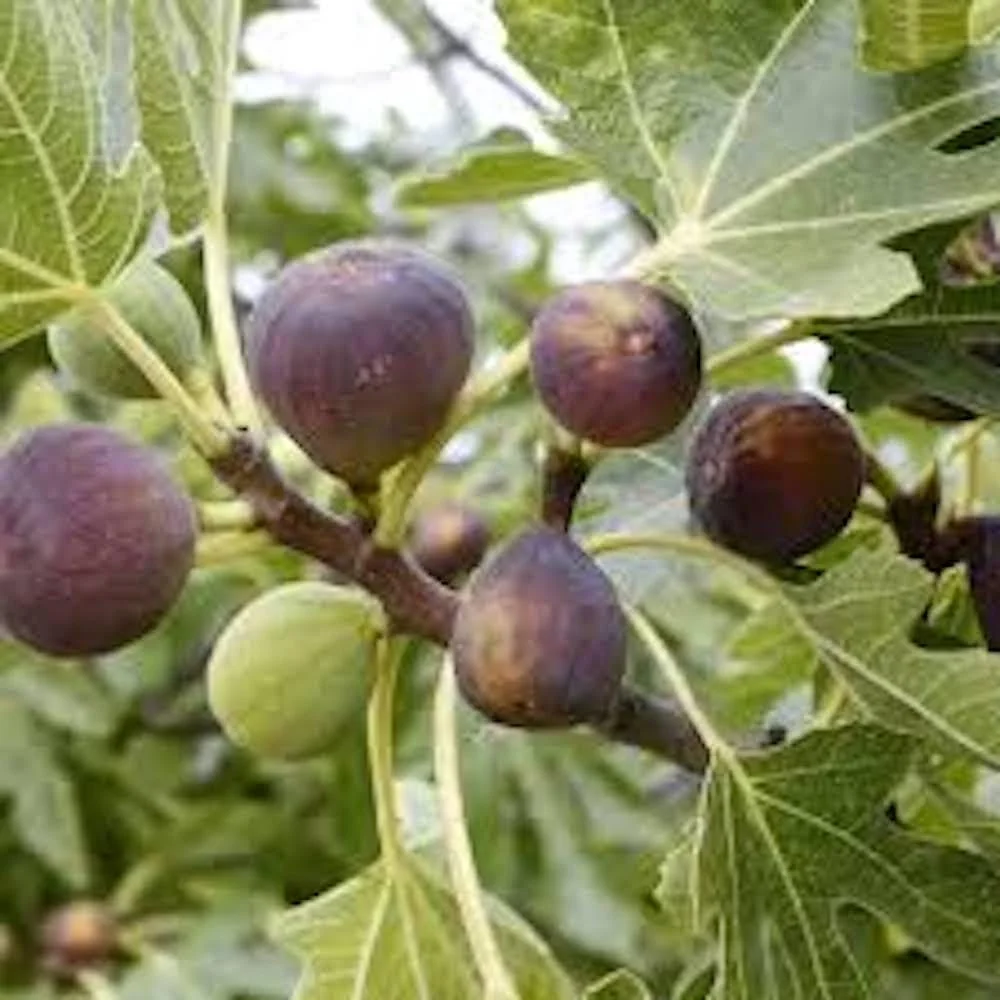
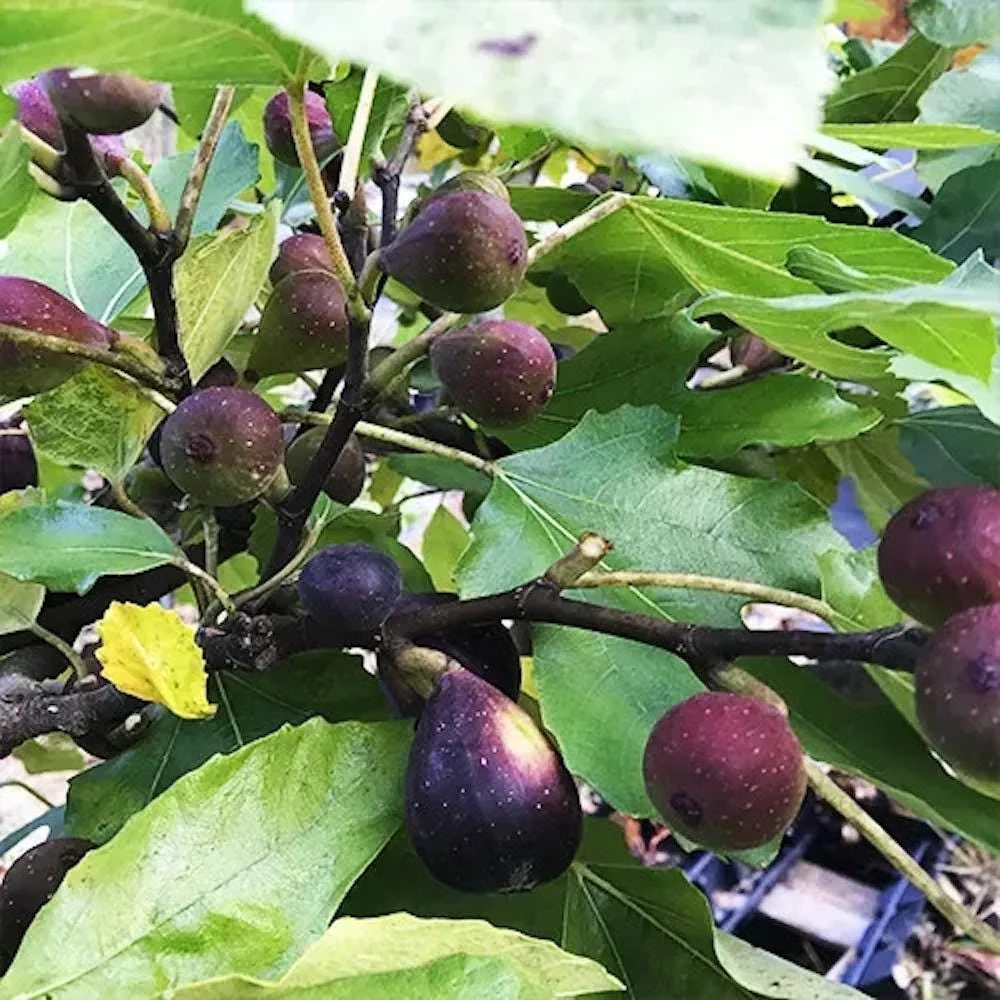
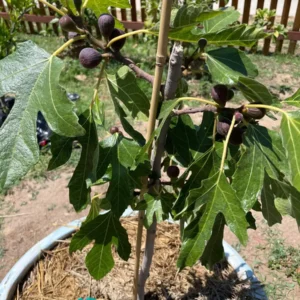
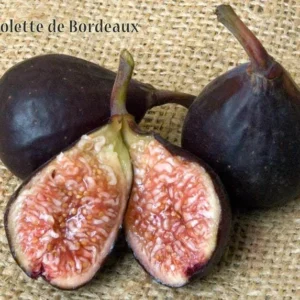
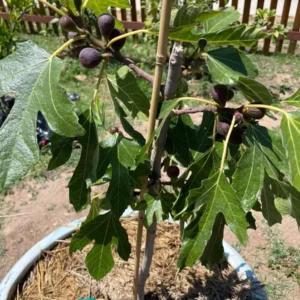
Cultivate your own sweet fruit with the Violette de Bordeaux fig tree. This naturally dwarf and self-pollinating fig variety is perfect for home gardens, thriving in containers or in the ground. Enjoy its exceptionally sweet, rich-flavored fruit with deep red pulp.
Original price was: $36.00.$28.80Current price is: $28.80.

With our Alive & Thrive Guarantee, we’ve got your back for the first 30 days! If you have any concerns about your plants, just reach out to us. Our team is here to help answer your questions and guide you in selecting the best plants for your garden, climate, and unique preferences. We're excited to help you create the garden of your dreams!
Estimated arrival
Mar 31
Apr 05 - Apr 07
Apr 10 - Apr 14
Product Details
-
USDA Hardiness Zone
USDA zones 7-10 (can be grown in colder zones with winter protection) -
Soil type
Well-draining potting mix or loamy garden soil -
Sunlight Exposure
Full sun (6-8+ hours daily) -
Expected Planting Period
Spring to early summer (or year-round indoors)
Overview
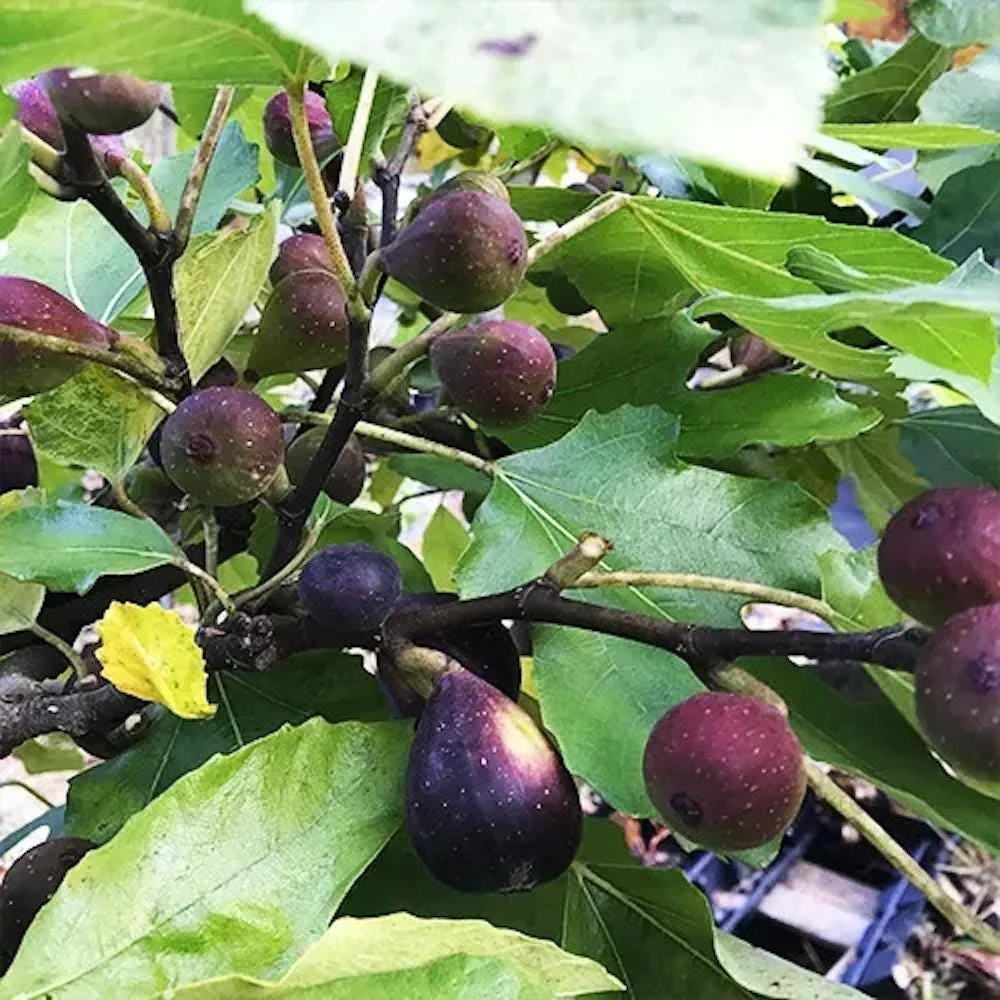
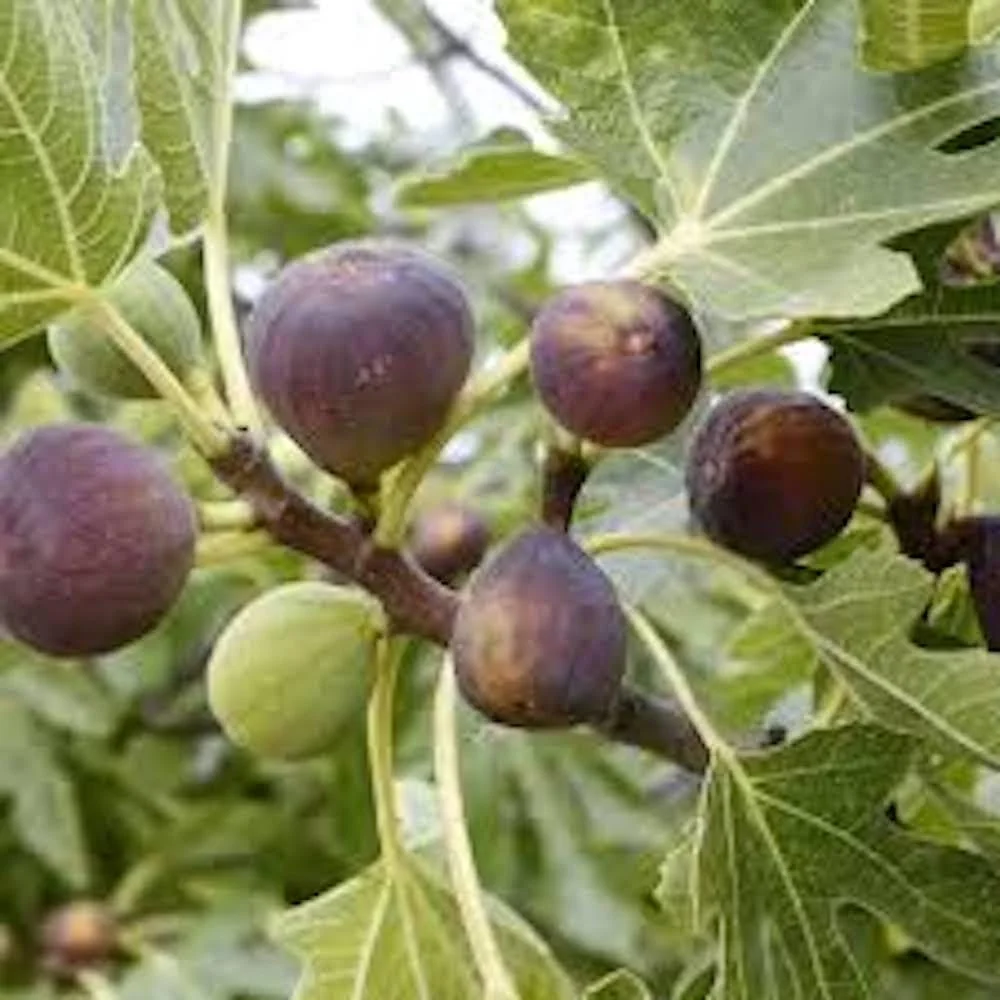
Experience the joy of growing your own gourmet fruit with the Violette de Bordeaux fig tree. This highly sought-after variety, scientifically known as Ficus carica ‘Violette de Bordeaux’, is renowned for its exceptional flavor and manageable size. Originating in 17th-century France, this specific fig cultivar is a naturally dwarf, self-pollinating variety, making it an ideal choice for both experienced gardeners and enthusiastic beginners. Its compact growth habit allows it to thrive not only in traditional garden settings but also in containers on patios, balconies, or even indoors in colder climates. The Violette de Bordeaux fig tree produces an abundance of small to medium-sized figs with a distinctive deep purple skin and a luscious, sweet, deep red “strawberry” pulp. It’s a robust and reliable performer, offering a taste of the Mediterranean right in your backyard or on your patio.
This particular offering is for 1 Violette de Bordeaux fig tree starter plug, ready to be potted up and nurtured into a mature, fruit-bearing plant. Known for its cold hardiness and pest resistance, it simplifies the growing process, ensuring a more rewarding experience. Whether you’re looking to add a unique fruit tree to your collection or simply enjoy fresh, homegrown figs, this dwarf fig tree is an excellent investment for any edible landscape.
Key Benefits
The Violette de Bordeaux fig tree offers a multitude of advantages for the home gardener, blending ornamental appeal with bountiful, delicious harvests. Its unique characteristics make it a standout choice:
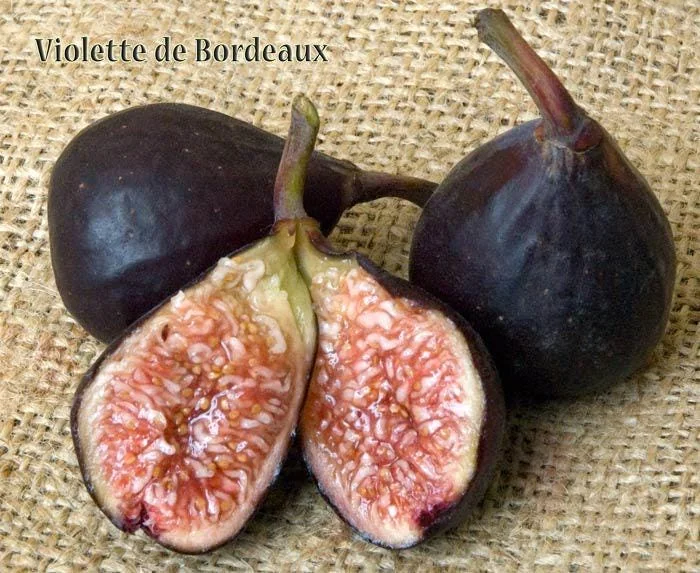
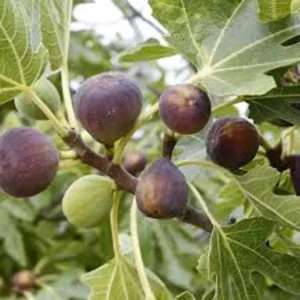
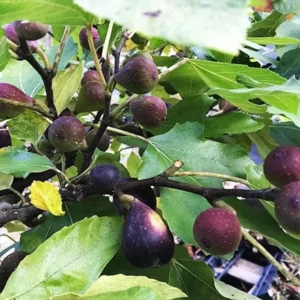
- Exceptional Fruit Quality: Produces small to medium-sized figs with a deep purple skin and an incredibly sweet, rich, and juicy deep red pulp, often described as having “strawberry” notes. These figs are perfect for fresh eating, jams, preserves, or drying.
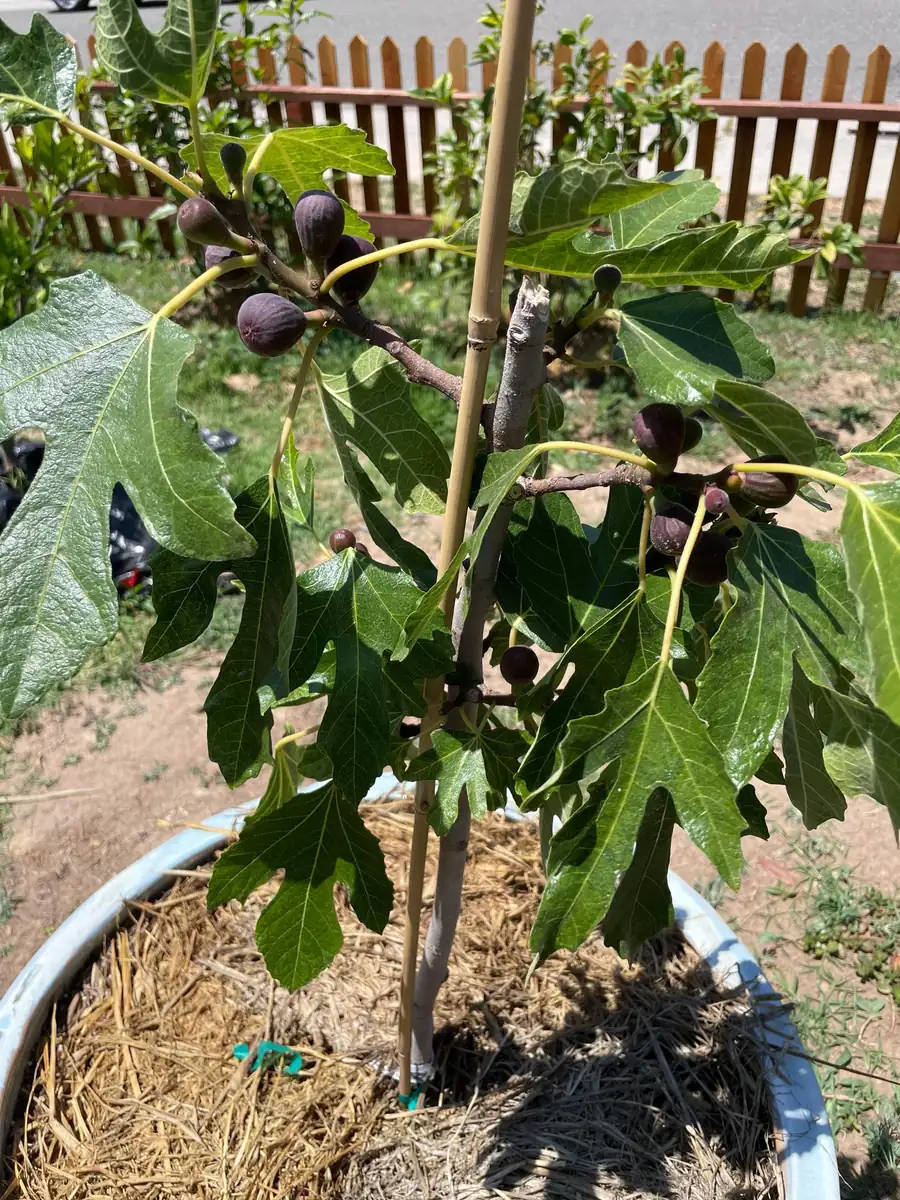
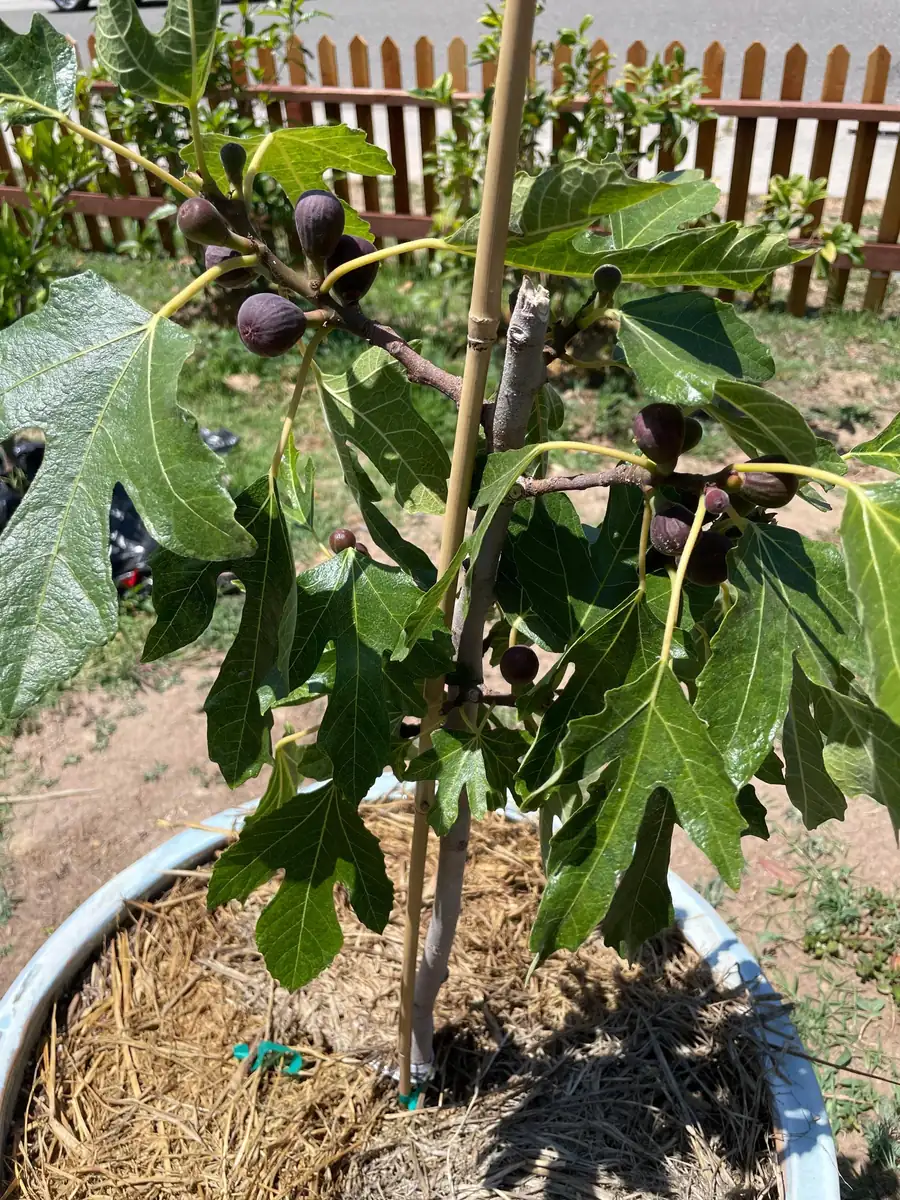
- Naturally Dwarf Growth Habit: This variety remains compact, typically reaching 6-10 feet in height when mature, making it ideal for smaller gardens, urban spaces, or for growing as a container fig tree. Its manageable size simplifies harvesting and care.
- Self-Pollinating: The ‘Violette de Bordeaux’ fig is a self-pollinating fig, meaning you only need one plant to produce fruit. This eliminates the need for cross-pollination from other fig varieties or specific fig wasps, ensuring a reliable harvest.
- Cold Hardy and Pest Resistant: Known for its good cold tolerance, this variety can withstand temperatures down to USDA Zone 7, and sometimes even Zone 6 with protection. It also exhibits good resistance to common fig pests, reducing the need for extensive pest management.
- Versatile Growing Options: Thrives both in the ground in suitable climates and as a potted plant, offering flexibility for gardeners in various regions. Growing it in a container allows for easy relocation indoors during harsh winters, extending its growing range considerably.
- Long Harvest Season: Often produces two crops per year (breba crop in early summer and main crop in late summer/fall), providing an extended period to enjoy its delicious fruit.
- Ornamental Appeal: Beyond its fruit, the fig tree possesses attractive lobed leaves, adding a touch of Mediterranean elegance to any garden or patio setting.
Plant Care & Growing Tips
Caring for your Violette de Bordeaux fig tree starter plug is relatively straightforward, ensuring it grows into a healthy, productive plant. Upon arrival, gently pot your starter plug into a larger container (at least 1-gallon to start) with a high-quality, well-draining potting mix. Figs thrive in full sun, requiring at least 6-8 hours of direct sunlight per day to produce the sweetest fruit. If growing indoors or in a greenhouse, ensure it receives ample light or supplement with grow lights. The ideal temperature range for active growth is between 60-80°F (15-27°C).
Watering is crucial, especially for young plants and those in containers. Keep the soil consistently moist but never waterlogged. Allow the top inch or two of soil to dry out slightly between waterings, then water deeply until it drains from the bottom. Overwatering can lead to root rot, while underwatering can stress the plant and affect fruit production. Fertilize established plants during the growing season (spring through summer) with a balanced, all-purpose fertilizer, following the product’s instructions. A cold hardy fig like ‘Violette de Bordeaux’ can tolerate winter temperatures in USDA zones 7-10 when planted in the ground. In colder zones (6 and below), it’s best to grow it as a container fig tree and bring it indoors to an unheated garage or basement once temperatures consistently drop below freezing. Pruning in late winter or early spring helps maintain shape, size, and encourages better fruit production. Look out for common fig issues like fig rust or spider mites, and treat promptly if observed.
Size & Details
This offering includes 1 Violette de Bordeaux fig tree starter plug, carefully cultivated and ready for transplanting. Each starter plug is a young, vigorous plant, typically measuring a few inches in height, with a well-developed root system, ensuring a strong start in its new home. As a naturally dwarf fig tree, the ‘Violette de Bordeaux’ variety will mature into a compact shrub or small tree, reaching an average height of 6 to 10 feet and a similar spread when planted in the ground. In containers, its size can be easily managed through pruning and pot size, often staying smaller. This makes it an excellent choice for patios, small gardens, or even as an attractive edible landscape feature. The plant ships bare root, without a pot, to ensure optimal health during transit and reduce shipping stress. With proper care and growing conditions, you can expect your Violette de Bordeaux fig tree to begin producing fruit within 1-2 years after planting, with significant yields as it matures.
Frequently Asked Questions
- Q: How big does this plant get? A: The Violette de Bordeaux fig tree is a naturally dwarf variety, typically reaching 6 to 10 feet tall and wide when mature in the ground. When grown in a container, its size can be kept smaller through pruning and root management, usually staying within 3-6 feet.
- Q: Is this an indoor or outdoor plant? A: This fig tree can be grown both indoors and outdoors. It is a cold hardy fig that thrives outdoors in USDA Zones 7-10. In colder climates (Zones 6 and below), it’s best grown as a container fig tree and brought indoors during winter.
- Q: How much sunlight does it need? A: For optimal fruit production and plant health, the Violette de Bordeaux fig tree requires at least 6-8 hours of direct sunlight per day. Choose a sunny location in your garden or a bright spot near a south-facing window if growing indoors.
- Q: Is this plant easy to care for? A: Yes, the ‘Violette de Bordeaux’ fig is considered relatively easy to care for. It’s a robust and forgiving plant, especially suitable for beginners. Providing adequate sunlight, consistent watering, and occasional feeding will ensure its success.
- Q: What condition will it arrive in? A: Your Violette de Bordeaux fig tree starter plug will arrive bare root. This means it will be carefully packaged without soil or a pot, ensuring minimal stress during transit and readiness for immediate planting into your chosen container or garden bed.
- Q: How long until it produces fruit? A: With proper care, your Violette de Bordeaux fig tree can begin producing fruit within 1 to 2 years after planting from a starter plug. Mature plants typically yield two crops per season: a smaller breba crop in early summer and a main crop in late summer/fall.
- Q: What is the best soil for this fig tree? A: Fig trees prefer well-draining soil. For container growing, use a high-quality potting mix. If planting in the ground, ensure the soil is loamy and amended with organic matter to improve drainage and fertility. Avoid heavy clay soils that retain too much moisture.
- Q: Is the Violette de Bordeaux fig tree really self-pollinating? A: Yes, ‘Violette de Bordeaux’ is a truly self-pollinating fig variety. You do not need another fig tree or specific pollinators to get fruit from this plant, making it very convenient for home gardeners.
- Q: Can I grow this fig tree in a small space? A: Absolutely! Its naturally dwarf growth habit makes it an excellent choice for small gardens, patios, and balconies. Growing it in a container allows for flexible placement and size management, fitting well into limited spaces.
- Q: What are the figs like from this tree? A: The figs are known for their exceptional sweetness and rich flavor. They have a dark, deep purple skin and a striking, juicy, deep red interior pulp that many compare to the taste of strawberries. They are delicious fresh or used in various culinary applications.
Related products
-10%
Original price was: $36.99.$33.29Current price is: $33.29.
-10%
Original price was: $23.99.$21.59Current price is: $21.59.
PLANTING & CARE

The Comprehensive Guide to Growing Bay Leaf Plants for a Flavorful Garden
Imagine stepping into your garden, greeted by the earthy aroma of fresh bay leaves, their
09
Feb
Feb

How to Make Comfrey Tea: The Ultimate Organic Plant Food
Growing an organic garden can be surprisingly expensive, especially when most store-bought fertilizers come in
02
Feb
Feb

True Comfrey: 7 Essential Tips Before You Plant This Herb
A staple in permaculture practices across the US, True Comfrey easily earns its reputation as
27
Jan
Jan

7 Heart-Shaped Plants for a Lasting Valentine’s Gift
If you’ve ever bought a bouquet of roses for Valentine’s Day, you know they are
26
Jan
Jan

Best Types of Ivy Plant for Houses: How to Choose the Perfect Ones for Your Home
Are you a garden lover looking to introduce some greenery into your home? Maybe you’ve
14
Nov
Nov

When to Harvest Garlic (Especially Fall-Planted Garlic)
TIMING IS EVERYTHING, they say – and for garlic, that truth hits with surprising accuracy.
13
Nov
Nov

11 of the Best Sweet Potato Varieties to Grow for Your Garden
If you’ve ever tried growing sweet potatoes, you know that picking the right variety can
12
Nov
Nov
Pruning Bougainvillea for Winter
Bougainvillea vines are known for their dazzling display of magenta, orange, and fuchsia bracts that
05
Nov
Nov