10 American Crabapple Trees Live Plants 1 ft Tall, Sweet Crab Apple Tree, Pink Red Crabapple Plants-No Ship CA
-46%
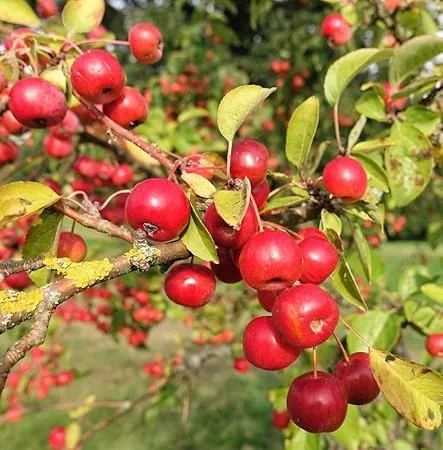
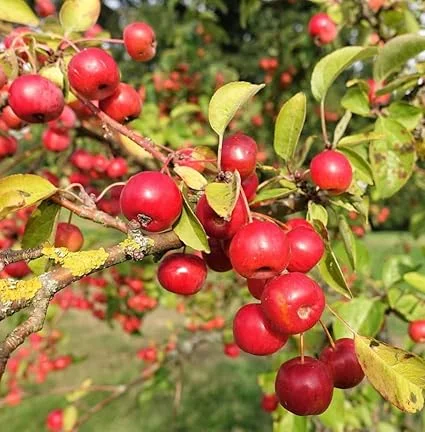
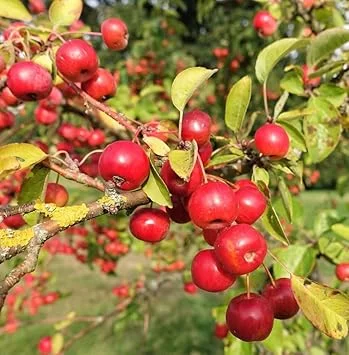
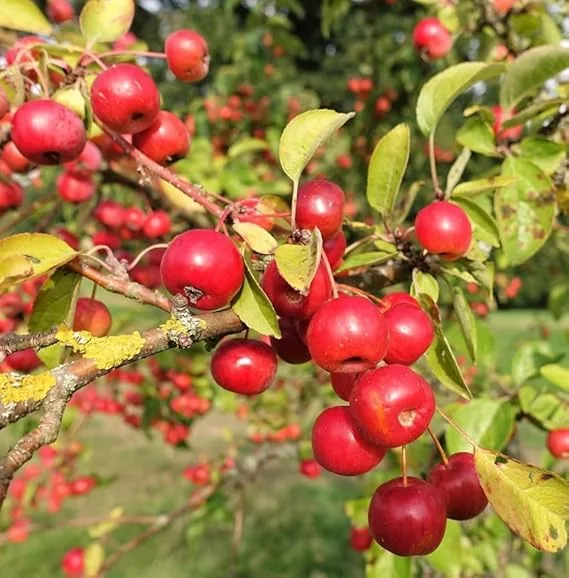
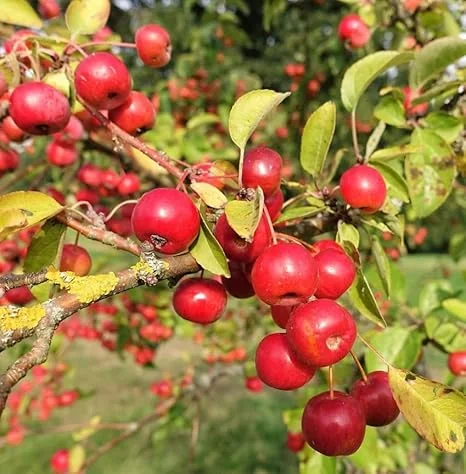
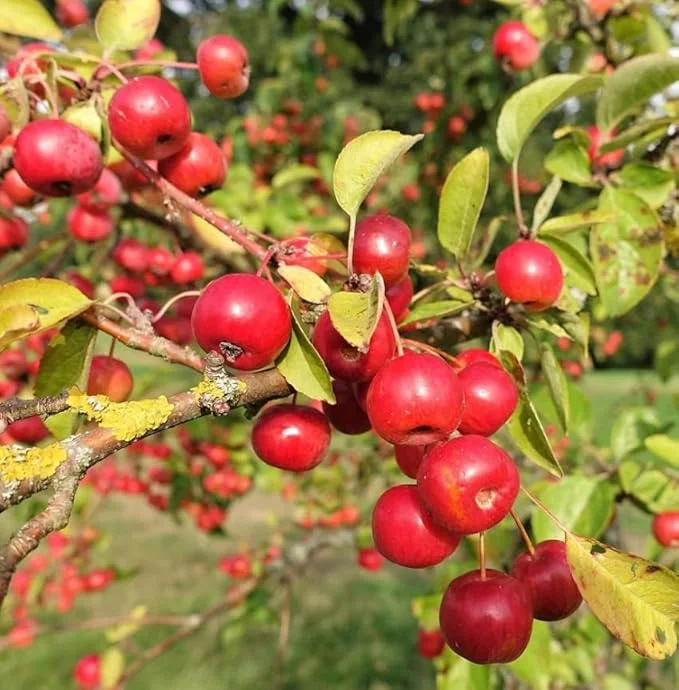
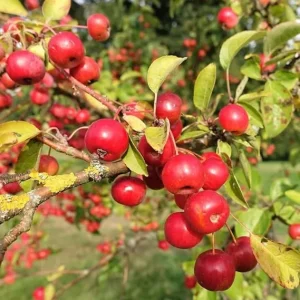
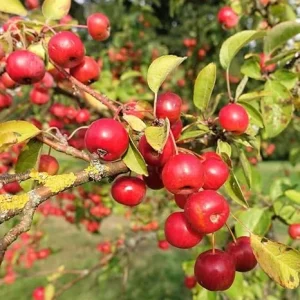
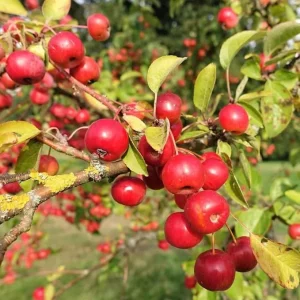
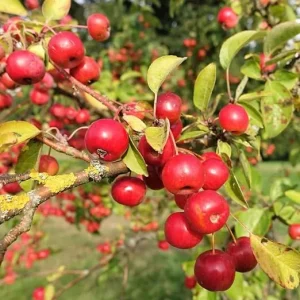
10 American Crabapple Trees Live Plants 1 ft Tall, Sweet Crab Apple Tree, Pink Red Crabapple Plants-No Ship CA
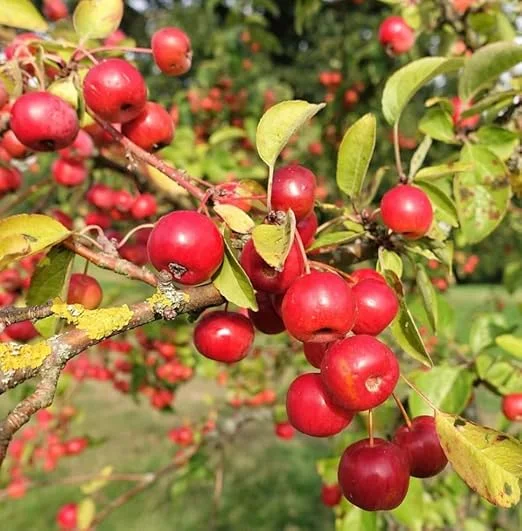
Bring the beauty of spring to your garden with a American Crabapple tree. These crabapple live plant specimens are 1 ft tall, ready to thrive in USDA Zones 5-9. Enjoy fragrant pink and white blossoms that add stunning curb appeal and attract pollinators. Perfect for landscaping or as a specimen tree.
Original price was: $200.99.$108.80Current price is: $108.80.

With our Alive & Thrive Guarantee, we’ve got your back for the first 30 days! If you have any concerns about your plants, just reach out to us. Our team is here to help answer your questions and guide you in selecting the best plants for your garden, climate, and unique preferences. We're excited to help you create the garden of your dreams!
Estimated arrival
Apr 08
Apr 13 - Apr 15
Apr 18 - Apr 22
Product Details
-
USDA Hardiness Zone
5-9 -
Soil type
Loam soil, well-draining -
Sunlight Exposure
Full Sun -
Expected Planting Period
Spring to Fall
Overview
Transform your landscape with the enchanting beauty of an American Crabapple tree. This delightful crabapple live plant is supplied at a foot tall, poised to establish itself and grow into a charming addition to any garden. Known scientifically as Malus coronaria, the American Crabapple is a native flowering tree celebrated for its spectacular spring display of fragrant blossoms. These particular trees boast delicate pink and white flowers that emerge early in the spring, creating a breathtaking visual and aromatic experience. Beyond their ornamental value, these trees offer ecological benefits, providing food and habitat for local wildlife. They are a hardy and adaptable choice for a wide range of climates, making them a popular selection for gardeners across the United States.
The American Crabapple tree is a truly versatile and resilient species. It’s a small to medium-sized tree that can reach mature heights of 10 to 30 feet, making it suitable for various garden sizes, from spacious yards to more compact urban settings. Its relatively compact nature and beautiful seasonal interest ensure it stands out as a focal point. With its vibrant blooms and strong growth habit, this crabapple live plant promises years of enjoyment and natural charm.
Key Benefits
The American Crabapple tree offers a multitude of benefits, making it an excellent choice for enhancing your outdoor space. Its attractive features and ecological contributions are highly valued by gardeners and nature enthusiasts alike.
- Stunning Spring Blooms: Enjoy an abundance of fragrant pink and white flowers each spring. These beautiful blossoms create a spectacular display, signaling the arrival of warmer weather and adding significant curb appeal to your property. The vibrant colors are a true highlight of the early growing season.
- Wildlife Attraction: The flowers serve as an important nectar source for pollinators like bees and butterflies, while the small crabapples that follow provide food for birds and other wildlife, contributing to local biodiversity. Planting a pink crabapple tree can help support your garden’s ecosystem.
- Hardy and Adaptable: These trees are remarkably resilient, thriving in a wide range of climates and soil conditions. They are suitable for USDA Hardiness Zones 5-9, ensuring they can withstand varying temperatures and environmental stressors, making them a reliable choice for many regions.
- Low Maintenance: Once established, the American Crabapple tree is relatively easy to care for, requiring minimal intervention to maintain its health and beauty. Its robust nature means less work for the gardener while still delivering impressive results.
- Versatile Landscaping Use: Suitable for various landscape designs, these trees can be used as specimen plants, in group plantings, or as part of a mixed border. Their moderate size means they fit well in many garden settings without overwhelming the space.
- Seasonal Interest: Beyond its spring flowers, the tree offers attractive foliage throughout the summer and often retains small, colorful crabapples into the fall and winter, providing year-round visual interest.
- Natural Beauty: The natural form and elegant branching of the Malus coronaria add a touch of rustic charm and timeless beauty to any garden setting, enhancing the overall aesthetic appeal of your outdoor living space.
Plant Care & Growing Tips
Caring for your American Crabapple tree is straightforward, especially when you provide the right conditions from the start. These resilient trees prefer a location with full sun exposure, meaning they should receive at least 6 hours of direct sunlight per day to ensure robust growth and abundant flowering. While they are adaptable, a spot with good air circulation is beneficial to prevent common fungal issues. When planting your crabapple live plant, dig a hole twice as wide as the root ball and just as deep, ensuring the top of the root ball is level with the soil surface. Backfill with enriched soil, gently tamping down to remove air pockets, and water thoroughly.
The ideal soil for an American Crabapple tree is well-draining loam. While they can tolerate a range of soil types, good drainage is crucial to prevent root rot. Moderate watering is generally sufficient; water deeply and regularly during the first year to help establish a strong root system. Once established, they are somewhat drought-tolerant but will benefit from supplemental watering during prolonged dry spells. Fertilize in early spring with a balanced, slow-release fertilizer formulated for flowering trees, following the product instructions. Pruning should be done in late winter or early spring while the tree is dormant, focusing on removing dead, damaged, or crossing branches to maintain a healthy structure and encourage better air circulation. Watch for common pests like aphids and diseases such as apple scab, and address them promptly with appropriate organic or chemical treatments. This care regimen will help your pink crabapple tree thrive.
Size & Details
This offering includes American Crabapple tree live plants, each approximately 1 ft tall upon arrival. These young trees are grown and shipped ready for planting, allowing you to establish them quickly in your garden. At maturity, the American Crabapple tree typically reaches a height of 10 to 30 feet with a spread of similar proportions, forming a rounded to oval canopy. Its growth rate is moderate, allowing it to establish itself without becoming overly dominant in the landscape too quickly. The tree will arrive in a nursery pot or bare root, depending on the season and specific nursery practices, ensuring its roots are protected for transit. Expect the first fragrant pink and white blossoms to appear within 1-3 years after planting, with increasingly abundant blooms as the tree matures. These plants are ideal for USDA Hardiness Zones 5 through 9.
Frequently Asked Questions
- Q: How big does this American Crabapple tree get? A: The American Crabapple tree typically grows to a mature height of 10 to 30 feet, with a similar spread, creating a beautiful rounded canopy. The exact size can vary depending on growing conditions and pruning.
- Q: What size pot does the crabapple live plant come in? A: The crabapple live plant is shipped as a 1 ft tall specimen, usually in a nursery pot or as a bare-root plant, specifically prepared to ensure a healthy transition to your garden.
- Q: Is this an indoor or outdoor plant? A: The American Crabapple tree is an outdoor plant, best suited for planting in gardens, landscapes, and open spaces where it can receive adequate sunlight and space to grow to its mature size.
- Q: How much sunlight does the pink crabapple tree need? A: This tree thrives in full sun exposure, requiring at least 6 hours of direct sunlight per day to produce the most vibrant blooms and maintain optimal health.
- Q: Is this plant easy to care for? A: Yes, the American Crabapple tree is considered relatively easy to care for once established. It’s a hardy species that tolerates various conditions, making it suitable for both experienced gardeners and beginners.
- Q: What condition will the Malus coronaria arrive in? A: Your Malus coronaria will arrive as a healthy, 1 ft tall live plant, carefully packaged to ensure its safety during transit. It will be ready for immediate planting upon arrival.
- Q: How long until this flowering crabapple blooms? A: You can typically expect your flowering crabapple to begin producing its beautiful pink and white blossoms within 1 to 3 years after planting, with more profuse blooms as it matures.
- Q: When is the best time to plant an American Crabapple tree? A: The best time to plant is in early spring or fall when the weather is mild, allowing the tree to establish its root system before extreme heat or cold.
- Q: Will this American Crabapple tree survive winter in my zone? A: Yes, the American Crabapple tree is hardy in USDA Zones 5-9, meaning it is well-equipped to survive the winter temperatures within these regions.
- Q: What’s the minimum temperature this crabapple live plant can tolerate? A: This crabapple live plant can tolerate winter temperatures down to approximately -20°F to -10°F, corresponding to its hardiness in USDA Zone 5.
Related products
-10%
Original price was: $36.99.$33.29Current price is: $33.29.
-10%
Original price was: $23.99.$21.59Current price is: $21.59.
PLANTING & CARE
Growing Glencoe Raspberry: A Complete Guide for Gardeners
If you’re looking to add something unique to your garden, look no further than the
31
Mar
Mar

The Comprehensive Guide to Growing Bay Leaf Plants for a Flavorful Garden
Imagine stepping into your garden, greeted by the earthy aroma of fresh bay leaves, their
09
Feb
Feb

How to Make Comfrey Tea: The Ultimate Organic Plant Food
Growing an organic garden can be surprisingly expensive, especially when most store-bought fertilizers come in
02
Feb
Feb

True Comfrey: 7 Essential Tips Before You Plant This Herb
A staple in permaculture practices across the US, True Comfrey easily earns its reputation as
27
Jan
Jan

7 Heart-Shaped Plants for a Lasting Valentine’s Gift
If you’ve ever bought a bouquet of roses for Valentine’s Day, you know they are
26
Jan
Jan

Best Types of Ivy Plant for Houses: How to Choose the Perfect Ones for Your Home
Are you a garden lover looking to introduce some greenery into your home? Maybe you’ve
14
Nov
Nov

When to Harvest Garlic (Especially Fall-Planted Garlic)
TIMING IS EVERYTHING, they say – and for garlic, that truth hits with surprising accuracy.
13
Nov
Nov

11 of the Best Sweet Potato Varieties to Grow for Your Garden
If you’ve ever tried growing sweet potatoes, you know that picking the right variety can
12
Nov
Nov