10 Heartleaf Ginger Bareroot Plants – Asarum Perennial Groundcover
-10%
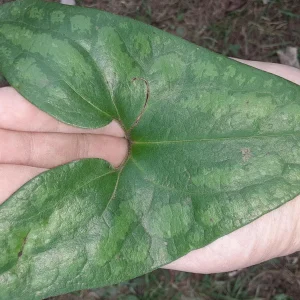
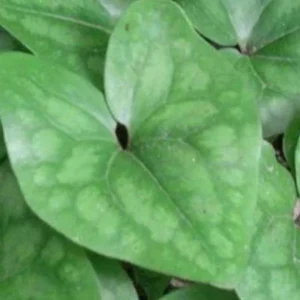
10 Heartleaf Ginger Bareroot Plants – Asarum Perennial Groundcover
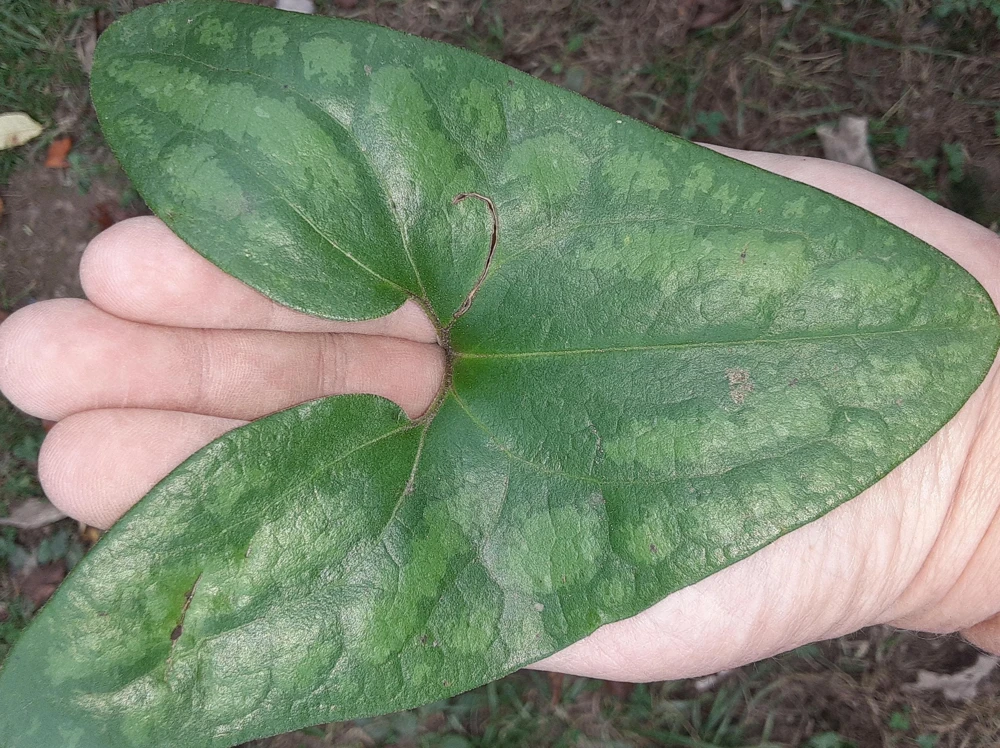
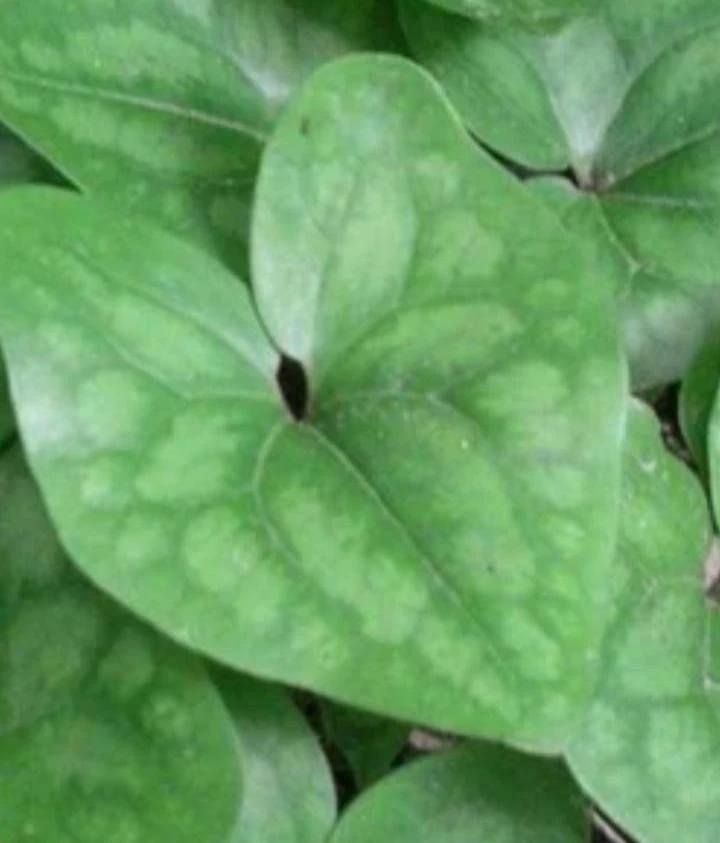
Enhance your shade garden with these 10 Heartleaf Ginger bareroot plants. A beautiful shade loving perennial, it forms an attractive groundcover with heart-shaped, aromatic leaves. Ideal for woodland garden plant settings and easy to grow.
Original price was: $52.00.$46.80Current price is: $46.80.

With our Alive & Thrive Guarantee, we’ve got your back for the first 30 days! If you have any concerns about your plants, just reach out to us. Our team is here to help answer your questions and guide you in selecting the best plants for your garden, climate, and unique preferences. We're excited to help you create the garden of your dreams!
Estimated arrival
Oct 13
Oct 18 - Oct 20
Oct 23 - Oct 27

Product Details
-
USDA Hardiness Zone
USDA Zones 4-9 -
Soil type
Rich, well-draining, high in organic matter -
Sunlight Exposure
Partial to full shade -
Expected Planting Period
Spring or fall
Overview
Introduce natural charm and lush greenery to your shaded landscapes with our offering of 10 Heartleaf Ginger bareroot plants. Scientifically known as Asarum canadense, this exquisite native perennial is celebrated for its distinctive heart-shaped leaves and its ability to thrive in challenging low-light conditions. Often called Wild Ginger, though not related to culinary ginger, its leaves release a pleasant, spicy aroma when bruised, adding a sensory delight to your garden. Perfect for creating a verdant carpet, these heartleaf ginger bareroot plants are an excellent choice for woodland settings, naturalized areas, or any spot needing a vibrant, low-maintenance groundcover. They establish readily and spread gently, forming a dense, attractive foliage display that suppresses weeds and enhances biodiversity.
Key Benefits
Integrating heartleaf ginger bareroot into your garden offers numerous advantages, blending aesthetic appeal with ecological value. These plants are not just beautiful; they are incredibly adaptable and provide long-term benefits to your outdoor space:
-
Exceptional Shade Performance: Unlike many plants that struggle in low light, heartleaf ginger bareroot is a true shade loving perennial, flourishing under the canopy of trees or in north-facing beds. It reliably provides lush foliage in areas where other plants might fail, ensuring your shady spots are vibrant and full.
-
Effective Groundcover: With its spreading habit, this plant quickly forms a dense, attractive mat, making it an ideal easy to grow groundcover. It helps to prevent soil erosion, reduce weed growth, and maintain soil moisture, contributing to a healthier garden ecosystem.
-
Aromatic Foliage: The unique heart-shaped leaves release a delightful, spicy fragrance when touched or walked upon. This aromatic quality adds another layer of sensory pleasure to your garden, making it a wonderful addition to paths or seating areas in a woodland garden plant design.
-
Low Maintenance: Once established, Asarum canadense requires minimal care, making it perfect for gardeners seeking beauty without constant upkeep. It is generally resistant to pests and diseases and does not require frequent watering or fertilizing in suitable conditions.
-
Native Plant Appeal: As a native species, heartleaf ginger bareroot supports local wildlife, providing habitat and food sources for beneficial insects and pollinators. This makes it an excellent choice for ecological gardening and promoting biodiversity.
-
Year-Round Interest: While primarily grown for its foliage, heartleaf ginger bareroot produces intriguing, cup-shaped maroon flowers at ground level in spring. These subtle blooms add a unique touch of interest before being covered by the expanding foliage.
-
Deer Resistant: Its distinctive aroma and taste generally deter deer, making it a reliable choice for gardens in areas with deer populations, ensuring your beautiful groundcover remains undisturbed.
Plant Care & Growing Tips
Caring for your heartleaf ginger bareroot plants is straightforward, ensuring they thrive and provide years of beauty. These robust perennials prefer conditions that mimic their natural woodland habitat. For optimal growth, plant them in a location that receives partial to full shade. Morning sun is acceptable, but they should be protected from harsh afternoon sun, which can scorch their leaves. Consistent moisture is key, especially during their establishment phase. The soil should remain consistently damp but never waterlogged. Regular watering during dry spells will help them flourish, particularly in their first year.
The ideal soil for heartleaf ginger bareroot is rich in organic matter, well-draining, and slightly acidic to neutral. Amending your planting site with compost or leaf mold will provide the nutrients and structure these plants love. While they are quite hardy, a layer of mulch applied in the fall can help protect their root systems during harsh winters and retain soil moisture throughout the growing season. Fertilization is generally not necessary in rich soil, but a light application of a balanced, slow-release granular fertilizer in early spring can encourage vigorous growth. Keep an eye out for slugs and snails, which can occasionally feast on their tender leaves, especially in damp conditions. With these simple care practices, your asarum canadense will quickly establish into a beautiful and resilient woodland garden plant.
Size & Details
Each order includes 10 Heartleaf Ginger bareroot plants, ready for planting upon arrival. These bareroot specimens are carefully harvested to ensure a robust root system, promoting quick establishment and healthy growth in your garden. Once established, this shade loving perennial typically reaches a height of 4-6 inches with a spread of 6-12 inches per plant, eventually forming a dense mat as it colonizes. The growth rate is moderate, allowing it to fill in shaded areas effectively over a few seasons. The heart-shaped leaves are typically 2-4 inches wide, creating a lush, textured groundcover. These plants are shipped dormant and are ready to be planted in spring or fall for best results. Expect them to begin showing new foliage within a few weeks of planting, developing into a full and vibrant display by their second growing season.
Frequently Asked Questions
-
Q: How big do these heartleaf ginger bareroot plants get? A: Each plant typically grows to about 4-6 inches tall with a spread of 6-12 inches. They will gradually spread to form a beautiful, dense groundcover.
-
Q: Is this an indoor or outdoor plant? A: Heartleaf Ginger is primarily an outdoor plant, ideally suited for woodland gardens, shaded beds, or naturalized areas where it can thrive in a natural environment.
-
Q: How much sunlight does it need? A: This is a true shade loving perennial. It prefers partial to full shade, especially protection from intense afternoon sun to prevent leaf scorch.
-
Q: Is this plant easy to care for? A: Yes, asarum canadense is considered an easy to grow groundcover. Once established, it requires minimal maintenance, primarily consistent moisture and protection from harsh sun.
-
Q: What condition will the bareroot plants arrive in? A: Your 10 Heartleaf Ginger bareroot plants will arrive dormant and carefully packaged with a healthy root system, ready for immediate planting to ensure successful establishment.
-
Q: Can I use this plant for culinary purposes? A: While often called Wild Ginger, Asarum canadense is not related to culinary ginger (Zingiber officinale) and should not be consumed due to its emetic properties. It is grown for its ornamental value as a woodland garden plant.
-
Q: When is the best time to plant heartleaf ginger bareroot? A: The best time to plant bareroot Heartleaf Ginger is in early spring or fall, allowing the roots to establish before the heat of summer or the deep cold of winter.
-
Q: Will it survive winter in my zone? A: Yes, Heartleaf Ginger is hardy in USDA Zones 4-9, meaning it is well-equipped to survive cold winters and re-emerge in spring within these regions.
-
Q: What kind of soil does it prefer? A: It thrives in rich, well-draining soil that is high in organic matter, mimicking the conditions found on a forest floor. A slightly acidic to neutral pH is ideal.
-
Q: Is heartleaf ginger deer resistant? A: Yes, Heartleaf Ginger is generally deer resistant, making it a good choice for gardens in areas with deer populations.
Related products
-80%
Original price was: $113.97.$22.69Current price is: $22.69.
-40%
Original price was: $59.98.$35.99Current price is: $35.99.
-67%
Original price was: $37.47.$12.49Current price is: $12.49.
-67%
Original price was: $44.97.$14.98Current price is: $14.98.


-32%
Original price was: $73.98.$49.99Current price is: $49.99.
PLANTING & CARE
Lemon Tree Growing: Choose, Plant, and Harvest
Learn how to choose, plant, feed, and protect a lemon tree so it fits your
23
Sep
Sep
Dwarf Meyer Lemon Tree Australia: Climate Guide
Learn where dwarf Meyer lemon trees grow, how much cold they tolerate, and whether Australia,
Where to Buy a Dwarf Meyer Lemon Tree: Buyer’s Guide
Find the right dwarf Meyer lemon tree online or locally, compare starter sizes and costs,
Dwarf Meyer Lemon Tree for Sale: Buying Guide
Compare Meyer lemon tree sizes, prices, shipping limits, indoor growing and California options before you
Dwarf Meyer Lemon Tree Guide: Size, Care and Fruit
META: Learn how large a dwarf Meyer lemon tree grows, where it thrives, and how
How to Prune a Dwarf Meyer Lemon Tree
Learn when and how to prune a dwarf Meyer lemon tree, including tools, shaping cuts,
Can You Grow a Dwarf Meyer Lemon Tree in a Pot?
META: Learn how to grow a dwarf Meyer lemon tree in a pot, including container
When Do Dwarf Meyer Lemon Trees Bloom and Fruit?
META: Dwarf Meyer lemon trees usually bloom from winter through spring and may flower again