20 Virginia Bluebells Bare Root Plants – Spring Wildflower Perennials
-10%
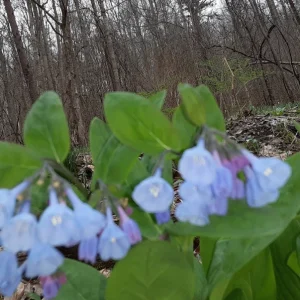
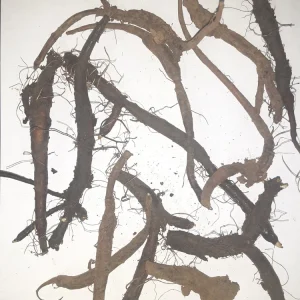
20 Virginia Bluebells Bare Root Plants – Spring Wildflower Perennials
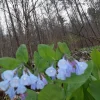
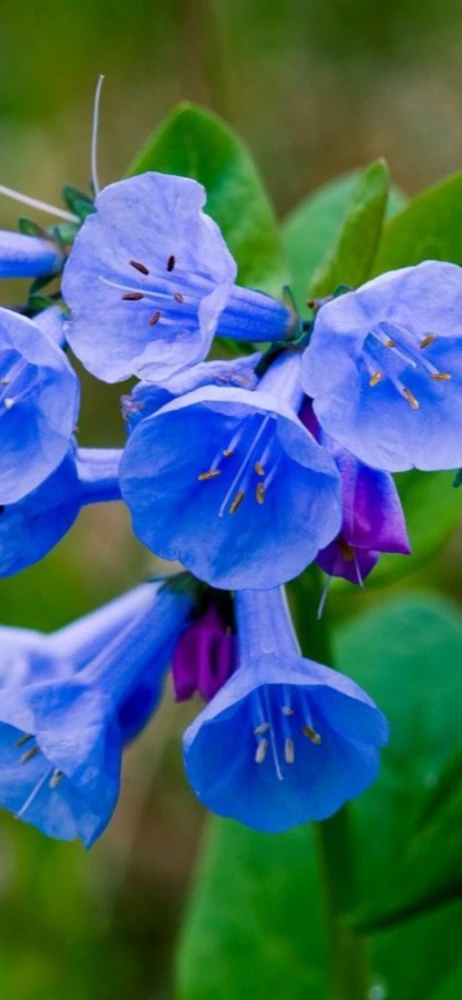
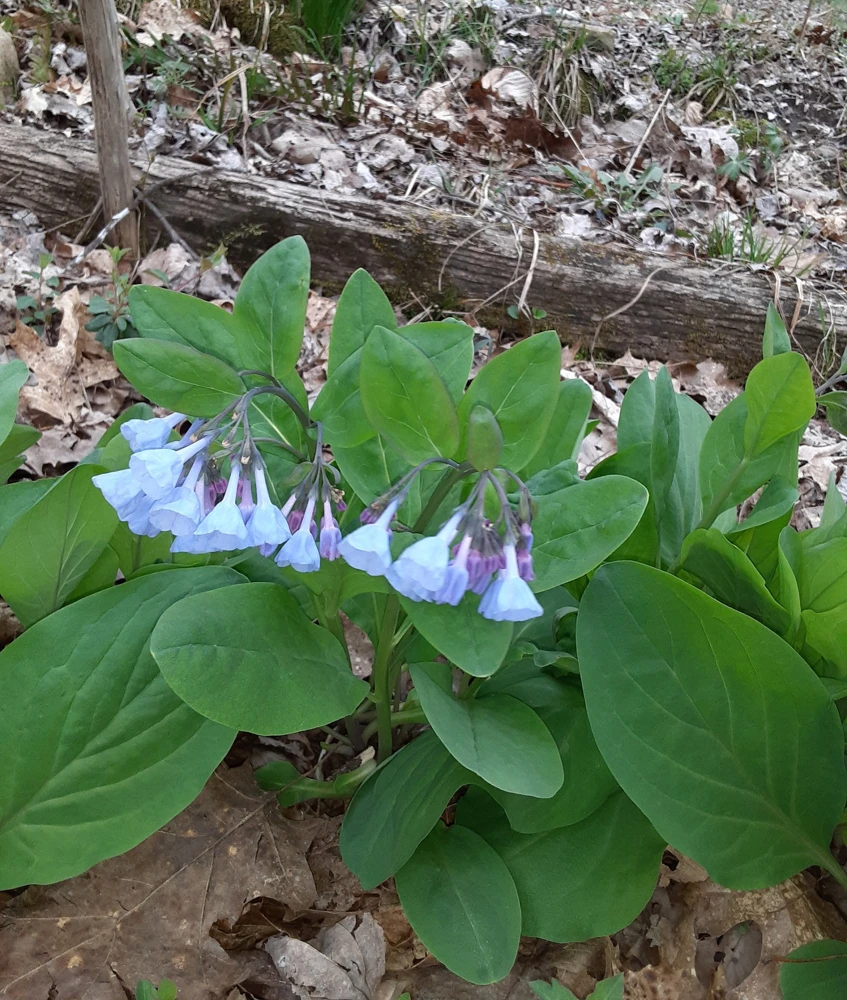
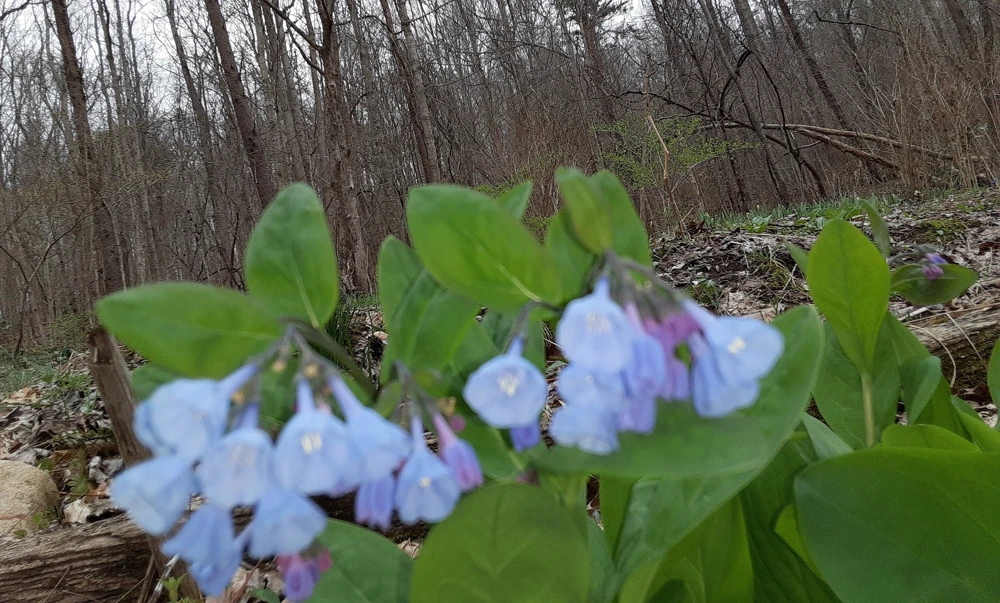
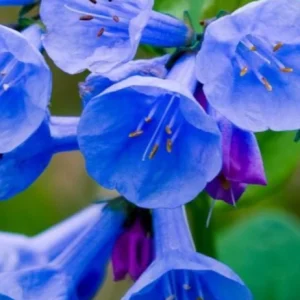
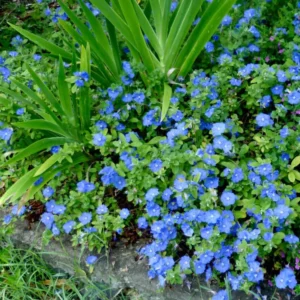
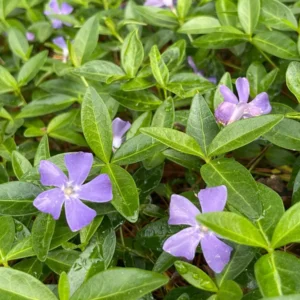
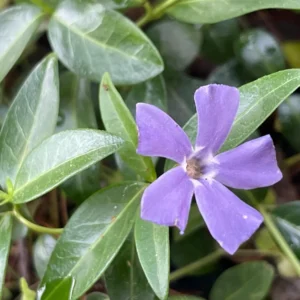
Add enchanting beauty to your garden with Virginia Bluebells bare root plants. These spring wildflower perennials (Mertensia virginica) feature delicate, bell-shaped blue flowers, thriving in shaded areas and returning year after year.
Original price was: $100.00.$90.00Current price is: $90.00.

With our Alive & Thrive Guarantee, we’ve got your back for the first 30 days! If you have any concerns about your plants, just reach out to us. Our team is here to help answer your questions and guide you in selecting the best plants for your garden, climate, and unique preferences. We're excited to help you create the garden of your dreams!
Estimated arrival
Oct 13
Oct 18 - Oct 20
Oct 23 - Oct 27
Product Details
-
USDA Hardiness Zone
USDA zones 3-8 -
Soil type
Moist, well-draining, rich in organic matter -
Sunlight Exposure
Partial shade to full shade -
Expected Planting Period
Late fall or early spring
Overview
Introduce a touch of serene beauty to your landscape with these Virginia Bluebells bare root plants. Each order includes 20 bare root specimens of Mertensia virginica, ready to establish themselves and transform your garden into a spring wonderland. Known for their nodding, bell-shaped flowers in shades of soft blue, these native North American wildflowers are a cherished sight, signaling the arrival of warmer weather. As ephemeral perennials, they emerge in early spring, bloom vibrantly, and then gracefully recede as summer approaches, making way for other shade-loving plants. They are an excellent choice for naturalizing in woodland gardens, shady borders, or under deciduous trees, providing a carpet of color before the canopy fills in. These Mertensia virginica plants are robust and easy to grow, making them suitable for both experienced gardeners and those new to cultivating native flora.
Spring wildflower perennials like Virginia Bluebells are not only visually appealing but also play a crucial role in supporting early pollinators. Their nectar-rich flowers attract bees and butterflies, contributing to the biodiversity of your garden ecosystem. Planting bare roots is an economical and effective way to establish a large patch of these delightful plants, ensuring a spectacular display for many springs to come. With proper care, these long-lived perennials will multiply and spread, creating an increasingly impressive naturalized area. Prepare to be enchanted by their delicate charm and effortless elegance each season.
Key Benefits
Virginia Bluebells offer numerous advantages for the discerning gardener, combining aesthetic appeal with ecological benefits. Here are some compelling reasons to incorporate these beautiful plants into your garden:
- Early Spring Bloom: These spring wildflower perennials are among the first to bloom, offering a burst of color when most other plants are just beginning to emerge. This early display is a welcome sight after the long winter months and provides essential nectar for early-season pollinators.
- Shade Tolerance: Thriving in partial to full shade, Virginia Bluebells are perfect for those challenging areas under trees or on the north side of buildings where other flowering plants struggle. They prefer the dappled light of woodland settings.
- Low Maintenance: Once established, Virginia Bluebells bare root plants require minimal care. They are generally resistant to pests and diseases and do not need frequent watering or fertilization after their initial planting.
- Pollinator Friendly: The bell-shaped flowers are a magnet for native bees, butterflies, and even hummingbirds, providing a vital food source early in the growing season. This supports local wildlife and promotes a healthy garden environment.
- Naturalizing Capabilities: These plants readily self-seed and spread over time, creating a beautiful, naturalized groundcover. They are excellent for woodland gardens, stream banks, or any area where you want a natural, informal look.
- Ephemeral Beauty: Their unique ephemeral nature means they bloom and then go dormant by mid-summer, allowing you to plant other shade-loving annuals or perennials in the same space for continuous interest.
- Deer Resistant: Generally, deer tend to avoid browsing on Mertensia virginica plants, making them a good choice for gardens in areas with deer populations.
Plant Care & Growing Tips
Caring for your Virginia Bluebells bare root plants is straightforward, ensuring a vibrant display for years to come. These plants thrive in conditions that mimic their native woodland habitats. When planting your bare roots, select a location that receives partial shade to full shade. While they can tolerate some morning sun, direct afternoon sunlight can scorch their delicate foliage, especially in warmer climates. The ideal spot would be under deciduous trees, where they receive spring sunlight before the leaves emerge, and then dappled shade throughout their active growing period.
The key to successful growth for these Mertensia virginica plants is moist, well-drained soil. They prefer rich, humus-filled soil that retains moisture but never becomes waterlogged. Amend heavy clay soils with compost or other organic matter to improve drainage and fertility. Sandy soils will benefit from added organic material to enhance moisture retention. Water regularly after planting, especially during dry spells, to help the bare roots establish. Once established, they are somewhat drought-tolerant but will perform best with consistent moisture. Fertilization is generally not necessary in rich soil; however, a light application of a balanced, slow-release granular fertilizer in early spring can be beneficial in poorer soils. These shade garden plants are quite hardy and typically do not suffer from many pest or disease issues, making them a robust choice for a low-maintenance garden.
Size & Details
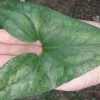
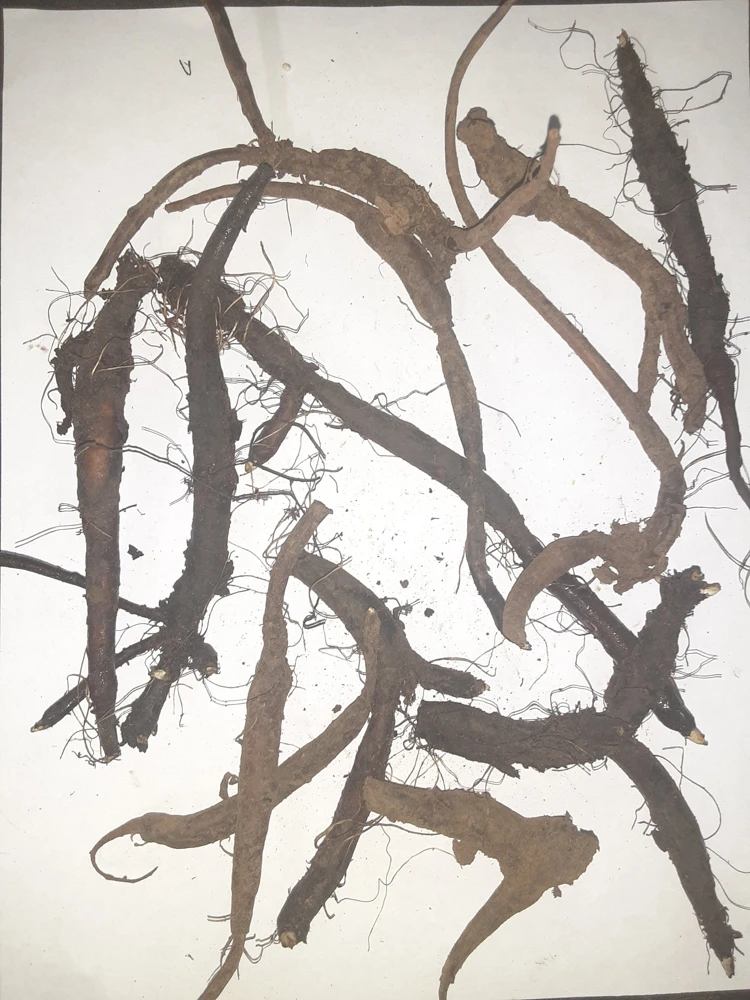
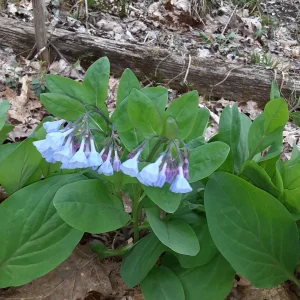
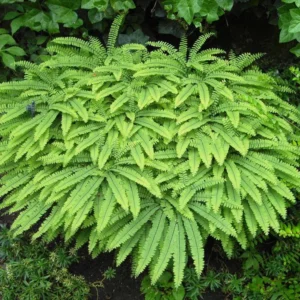
This offering includes 20 Virginia Bluebells bare root plants, providing a generous quantity to establish a significant planting area. These bare root specimens are dormant, allowing for easy planting and successful establishment. At maturity, Mertensia virginica plants typically reach a height of 12-18 inches, forming attractive clumps with their distinctive blue, bell-shaped flowers. The foliage is a soft, bluish-green, adding to their understated elegance. These are true spring wildflower perennials, meaning they will emerge in early spring, bloom, and then die back to the ground by mid-summer as they enter dormancy. This ephemeral nature allows for other plants to fill the space later in the season. They are known for their moderate growth rate and their ability to naturalize and slowly spread over time, creating a beautiful, expanding colony in suitable conditions. Expect blooms to appear the first spring after planting, or sometimes the second, offering a delightful return year after year.
Frequently Asked Questions
- Q: How many Virginia Bluebells bare root plants are included? A: This order includes 20 Virginia Bluebells bare root plants, providing a good number to start a beautiful patch in your garden.
- Q: How tall do Virginia Bluebells grow? A: Mertensia virginica plants typically grow to a height of 12-18 inches at maturity, creating an attractive mid-height layer in your shade garden.
- Q: Is this an indoor or outdoor plant? A: Virginia Bluebells are outdoor plants, perfectly suited for woodland gardens, shady borders, and naturalized areas. They are not typically grown as houseplants.
- Q: How much sunlight do Virginia Bluebells need? A: These shade garden plants thrive in partial to full shade. They prefer dappled sunlight or morning sun with afternoon shade, as direct, intense sunlight can damage their foliage.
- Q: Are Virginia Bluebells easy to care for? A: Yes, once established, Virginia Bluebells bare root plants are relatively low-maintenance. They are robust, adaptable, and generally resistant to pests and diseases, making them a great choice for various gardeners.
- Q: What condition will the plants arrive in? A: The plants will arrive as dormant bare roots, which is the ideal state for planting and ensures good establishment in your garden. They will begin to sprout in the spring after planting.
- Q: When is the best time to plant Virginia Bluebells bare roots? A: The best time to plant bare roots is in late fall or early spring, allowing them time to establish before the growing season. This ensures a strong start for your spring wildflower perennials.
- Q: How long until they bloom? A: You can typically expect your Mertensia virginica plants to bloom the first spring after planting, though sometimes it may take until the second spring for a more robust display.
- Q: Will they survive winter in my zone? A: Virginia Bluebells are hardy perennials, generally thriving in USDA Zones 3-8, meaning they are well-equipped to survive cold winters and return each spring.
- Q: What type of soil do they prefer? A: Virginia Bluebells prefer moist, well-drained soil rich in organic matter. They do not tolerate overly dry or waterlogged conditions.
Related products
-70%
Original price was: $89.98.$27.00Current price is: $27.00.
-67%
Original price was: $37.47.$12.49Current price is: $12.49.
-40%
Original price was: $59.98.$35.99Current price is: $35.99.
-50%
Original price was: $63.00.$31.50Current price is: $31.50.
-80%
Original price was: $113.97.$22.69Current price is: $22.69.
-50%
Original price was: $23.98.$11.99Current price is: $11.99.
-81%
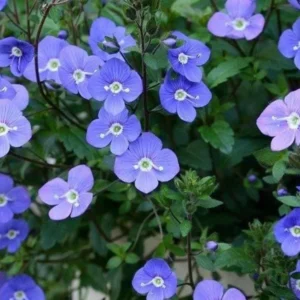
Original price was: $80.97.$15.54Current price is: $15.54.
PLANTING & CARE
Lemon Tree Growing: Choose, Plant, and Harvest
Learn how to choose, plant, feed, and protect a lemon tree so it fits your
23
Sep
Sep
Dwarf Meyer Lemon Tree Australia: Climate Guide
Learn where dwarf Meyer lemon trees grow, how much cold they tolerate, and whether Australia,
Where to Buy a Dwarf Meyer Lemon Tree: Buyer’s Guide
Find the right dwarf Meyer lemon tree online or locally, compare starter sizes and costs,
Dwarf Meyer Lemon Tree for Sale: Buying Guide
Compare Meyer lemon tree sizes, prices, shipping limits, indoor growing and California options before you
Dwarf Meyer Lemon Tree Guide: Size, Care and Fruit
META: Learn how large a dwarf Meyer lemon tree grows, where it thrives, and how
How to Prune a Dwarf Meyer Lemon Tree
Learn when and how to prune a dwarf Meyer lemon tree, including tools, shaping cuts,
Can You Grow a Dwarf Meyer Lemon Tree in a Pot?
META: Learn how to grow a dwarf Meyer lemon tree in a pot, including container
When Do Dwarf Meyer Lemon Trees Bloom and Fruit?
META: Dwarf Meyer lemon trees usually bloom from winter through spring and may flower again