10 Ostrich Fern Bareroot Plants – Native Perennial – Green Fronds – Zones 4-8
-10%
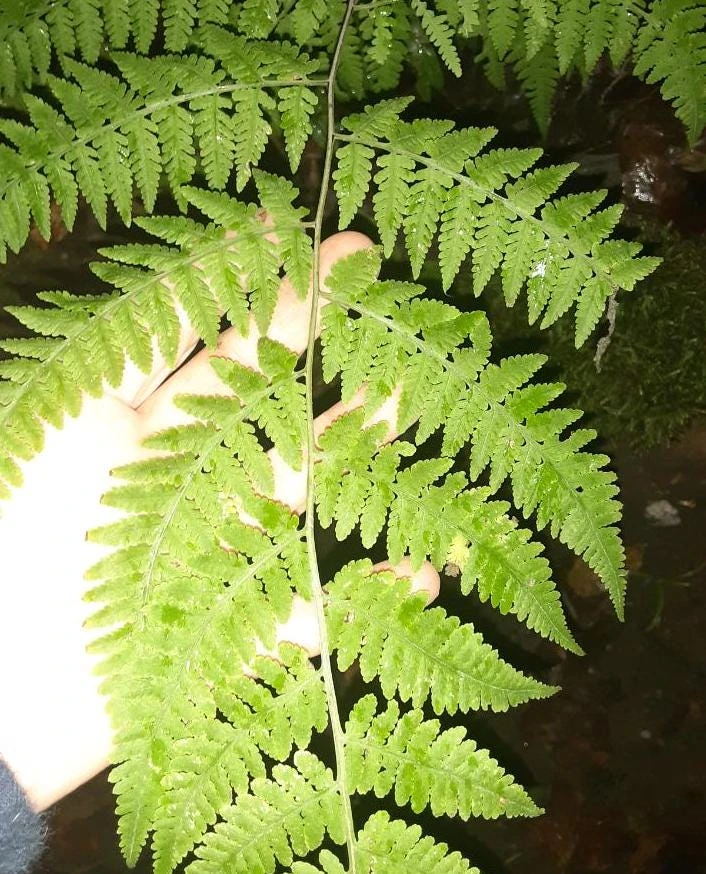
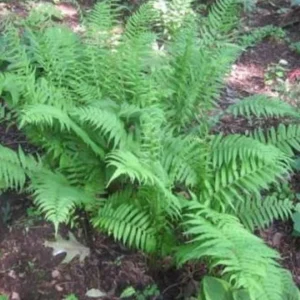
10 Ostrich Fern Bareroot Plants – Native Perennial – Green Fronds – Zones 4-8
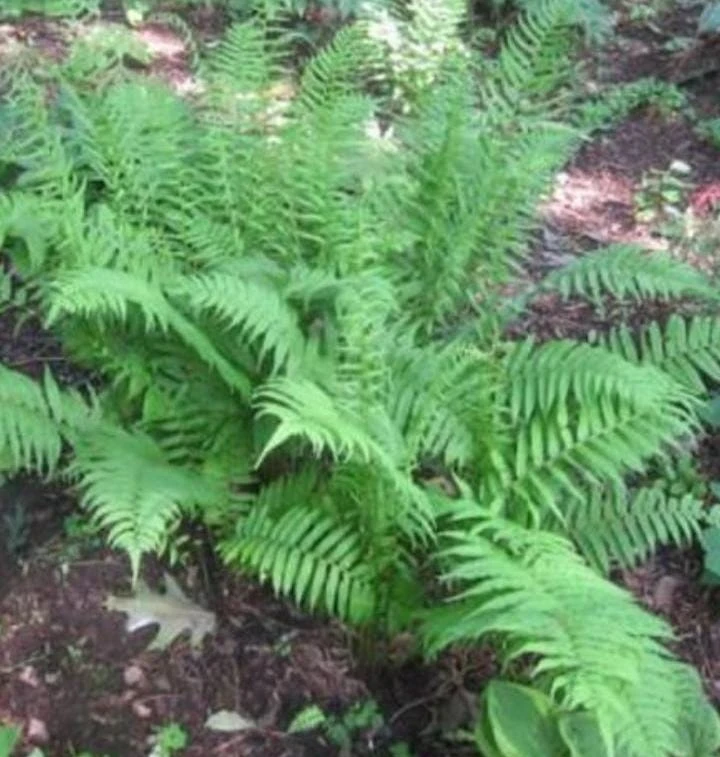
Cultivate a rich, green landscape with these 10 ostrich fern bareroot plants. Ideal for moist, shady garden spots, this native ostrich fern variety offers elegant, feathery fronds. Perfect for zones 4-8, bringing natural beauty to your outdoor spaces.
Original price was: $70.00.$63.00Current price is: $63.00.

With our Alive & Thrive Guarantee, we’ve got your back for the first 30 days! If you have any concerns about your plants, just reach out to us. Our team is here to help answer your questions and guide you in selecting the best plants for your garden, climate, and unique preferences. We're excited to help you create the garden of your dreams!
Estimated arrival
Oct 14
Oct 19 - Oct 21
Oct 24 - Oct 28
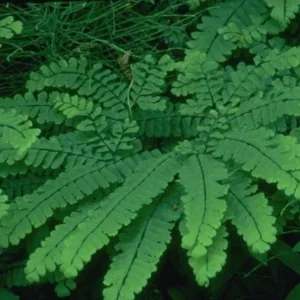
Product Details
-
USDA Hardiness Zone
USDA Zones 4-8 -
Soil type
Rich, moist, well-draining soil -
Sunlight Exposure
Partial to full shade -
Expected Planting Period
Early spring to early fall
Overview
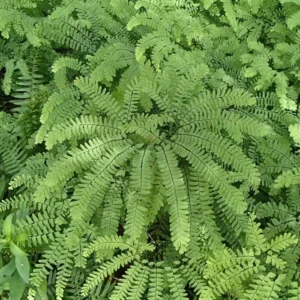
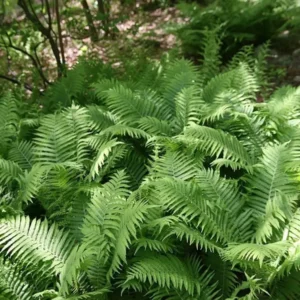
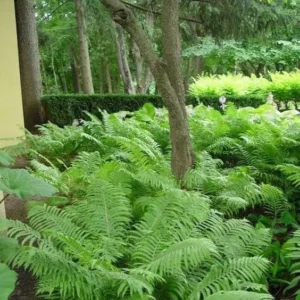
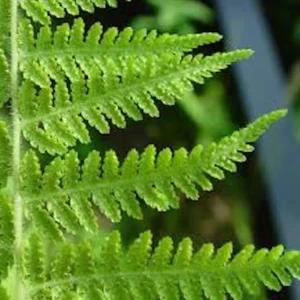
Transform your garden into a lush, verdant sanctuary with our collection of 10 ostrich fern bareroot plants. These exquisite native perennials, scientifically known as Matteuccia struthiopteris, are renowned for their striking, feathery fronds that gracefully unfurl to create a captivating visual display. The name “ostrich fern” perfectly describes the elegant, plume-like appearance of its sterile fronds, which can reach impressive heights, adding architectural interest and a sense of tranquility to any shaded area. Thriving in moist conditions, these ferns are a superb choice for woodland gardens, stream banks, or any spot where you desire a natural, established look. Our ostrich fern bareroot plants provide an excellent foundation for a thriving, low-maintenance landscape.
Originating from temperate regions, including parts of North America like Tennessee, the native ostrich fern is a robust and resilient plant, perfectly adapted to various climates within its hardiness zones. They spread gradually to form colonies, making them excellent ground cover or naturalizing plants in suitable environments. These ferns are not only beautiful but also play an important role in local ecosystems, providing habitat and contributing to soil health. Opting for bareroot ferns ensures a strong start, as they are shipped dormant and ready to establish quickly once planted, minimizing transplant shock and maximizing growth potential.
Key Benefits
Our ostrich fern bareroot plants offer a multitude of benefits for both the discerning gardener and the natural environment. Their unique characteristics make them a standout choice for various landscape designs:
- Stunning Visual Appeal: The elegant, arching fronds of the ostrich fern bareroot add a sophisticated, natural aesthetic to any garden. Their vibrant green color and delicate texture create a calming and serene atmosphere, especially in shaded areas where other plants might struggle.
- Excellent for Shade Gardens: These ferns are true shade lovers, thriving in conditions where many flowering plants fail. They are perfect for brightening up dark corners, under trees, or along north-facing walls, bringing life and greenery to otherwise neglected spaces.
- Low Maintenance: Once established, native ostrich fern plants require minimal care. They are generally pest and disease resistant, reducing the need for constant intervention. This makes them an ideal choice for gardeners seeking beauty without significant effort.
- Naturalizes Beautifully: Ostrich ferns spread by rhizomes, gradually forming dense colonies. This natural spreading habit makes them excellent for ground cover, erosion control on slopes, or creating a naturalized woodland feel in larger landscapes.
- Cold Hardy: With a hardiness range spanning USDA Zones 4-8, these ferns are incredibly resilient to cold temperatures, making them suitable for a wide array of climates across the United States. They reliably return year after year, providing consistent beauty.
- Supports Wildlife: As a native ostrich fern, this plant contributes to local biodiversity, offering shelter and cover for small wildlife. Its presence helps create a balanced and healthy ecosystem in your garden.
- Edible Fiddleheads: In spring, the young, coiled fronds, known as fiddleheads, are a prized culinary delicacy in some regions. Harvested sustainably, they offer a unique seasonal treat, though care should be taken to ensure proper identification.
Plant Care & Growing Tips
Caring for your ostrich fern bareroot plants is straightforward, especially when you understand their preferred growing conditions. These ferns are known for their adaptability, but providing optimal care will ensure vigorous growth and lush, healthy fronds. One of the most critical aspects of ostrich fern care is proper site selection. They thrive in partial to full shade; direct, intense afternoon sun can scorch their delicate fronds. Morning sun or dappled light throughout the day is ideal. When planting the bareroots, ensure the crown is just at or slightly below the soil line, and water thoroughly immediately after planting to settle the soil.
Moisture is paramount for ostrich ferns. They naturally grow in moist environments near riverbanks and ponds, so consistent soil moisture is crucial. The soil should never be allowed to dry out completely, especially during the establishment phase and hot summer months. However, good drainage is also important to prevent root rot, so avoid overly waterlogged conditions. A rich, organic soil that retains moisture but drains well is perfect. Amending heavy clay soils with compost or peat moss can improve structure and drainage, while sandy soils will benefit from organic matter for better water retention. These ferns are quite tolerant of various soil pH levels, though slightly acidic to neutral is generally preferred.
Maintaining a consistent temperature and providing adequate nutrients will further enhance your ferns’ health. Ostrich ferns are hardy in USDA Zones 4-8, meaning they can withstand significant winter cold and will go dormant, returning with fresh growth in spring. Fertilization is not usually heavily required; a light application of a balanced, slow-release granular fertilizer in early spring or a layer of compost around the base of the plants can provide sufficient nutrients. Keep an eye out for common garden pests, though ostrich ferns are generally resistant. Adequate spacing for your native ostrich fern will allow for good air circulation, minimizing fungal issues. Learning ostrich fern care will ensure your plants flourish for years to come.
Size & Details
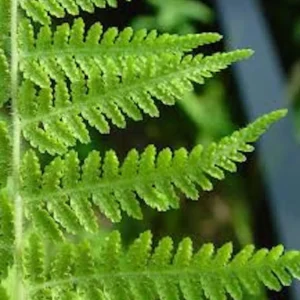
This offering includes 10 ostrich fern bareroot plants, ready for planting upon arrival. Bareroot plants are shipped dormant, without soil, allowing for easier transport and minimal transplant shock. Each bareroot consists of a healthy rhizome with developed roots, poised to burst forth with new growth once planted in suitable conditions. These ferns are known for their vigorous growth once established, typically reaching a mature height of 3 to 6 feet, with a spread of 2 to 3 feet, forming dense, upright clumps of fronds. The sterile fronds are the tall, green, feathery ones, while smaller, darker fertile fronds appear later in the season, carrying the spores.
The growth rate of the native ostrich fern is considered moderate to fast, especially in ideal, consistently moist, and shady environments. They will begin to unfurl their characteristic fiddleheads in early spring, quickly developing into full, lush fronds. Expect to see significant establishment and spreading within the first few growing seasons. These ferns are ideal for creating a naturalistic look and will gradually colonize an area, making them perfect for mass plantings or borders in shaded garden spots. Proper planting and consistent moisture are key to helping these bareroots establish quickly and thrive.
Frequently Asked Questions
- Q: How big does this plant get? A: The ostrich fern bareroot typically grows to an impressive height of 3 to 6 feet, with a spread of 2 to 3 feet per plant, forming upright, vase-shaped clumps. They will gradually spread to form a larger colony over time.
- Q: What size pot does it come in? A: This product consists of 10 ostrich fern bareroot plants, meaning they are shipped dormant and without soil or a pot. You will receive healthy rhizomes ready for direct planting in your garden bed.
- Q: Is this an indoor or outdoor plant? A: The native ostrich fern is primarily an outdoor perennial plant, thriving in garden settings, especially in shaded, moist areas. It is not typically grown as an indoor houseplant due to its size and light requirements.
- Q: How much sunlight does it need? A: This fern prefers partial to full shade. While it can tolerate some morning sun, it should be protected from harsh afternoon sunlight to prevent scorching of its delicate fronds.
- Q: Is this plant easy to care for? A: Yes, ostrich fern care is relatively easy once established. They require consistent moisture and shade, but are otherwise low-maintenance, pest-resistant, and return reliably each year.
- Q: What condition will it arrive in? A: Your ostrich fern bareroot plants will arrive dormant, which is normal for bareroot stock. They will appear as roots and rhizomes, ready to be planted and begin growing in the spring.
- Q: When is the best time to plant? A: The best time to plant ostrich fern bareroot is in early spring after the last frost, or in early fall. This allows the roots to establish before extreme temperatures set in.
- Q: Will it survive winter in my zone? A: Yes, the native ostrich fern is very cold hardy and thrives in USDA Zones 4-8. It will go dormant in winter and reliably re-emerge with new growth in the spring.
- Q: What kind of soil does it prefer? A: Ostrich ferns prefer rich, organic soil that is consistently moist but well-draining. Amending your soil with compost will help achieve these conditions.
- Q: Is it good for beginners? A: Absolutely! Due to its low-maintenance nature and ability to thrive in shaded areas, the ostrich fern bareroot is an excellent choice for beginner gardeners looking to add lush greenery to their landscape. If you want to buy ostrich fern, you won’t be disappointed.
Related products
-20%
Original price was: $43.98.$35.18Current price is: $35.18.
-50%

From Original price was: $87.60.$43.80Current price is: $43.80.
-20%
Original price was: $80.00.$64.00Current price is: $64.00.
-20%


Original price was: $33.98.$27.18Current price is: $27.18.
-20%
Original price was: $64.00.$51.20Current price is: $51.20.
-20%
Original price was: $50.00.$40.00Current price is: $40.00.
-20%
Original price was: $40.00.$32.00Current price is: $32.00.
-20%
Original price was: $30.00.$24.00Current price is: $24.00.
PLANTING & CARE
Lemon Tree Growing: Choose, Plant, and Harvest
Learn how to choose, plant, feed, and protect a lemon tree so it fits your
23
Sep
Sep
Dwarf Meyer Lemon Tree Australia: Climate Guide
Learn where dwarf Meyer lemon trees grow, how much cold they tolerate, and whether Australia,
Where to Buy a Dwarf Meyer Lemon Tree: Buyer’s Guide
Find the right dwarf Meyer lemon tree online or locally, compare starter sizes and costs,
Dwarf Meyer Lemon Tree for Sale: Buying Guide
Compare Meyer lemon tree sizes, prices, shipping limits, indoor growing and California options before you
Dwarf Meyer Lemon Tree Guide: Size, Care and Fruit
META: Learn how large a dwarf Meyer lemon tree grows, where it thrives, and how
How to Prune a Dwarf Meyer Lemon Tree
Learn when and how to prune a dwarf Meyer lemon tree, including tools, shaping cuts,
Can You Grow a Dwarf Meyer Lemon Tree in a Pot?
META: Learn how to grow a dwarf Meyer lemon tree in a pot, including container
When Do Dwarf Meyer Lemon Trees Bloom and Fruit?
META: Dwarf Meyer lemon trees usually bloom from winter through spring and may flower again