10 Christmas Fern Bare Root Plants – Polystichum Acrostichoides – Outdoor Native Perennial
-10%
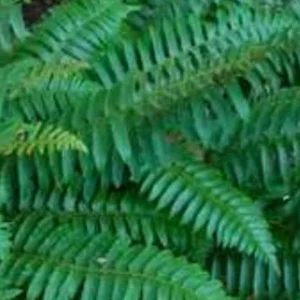
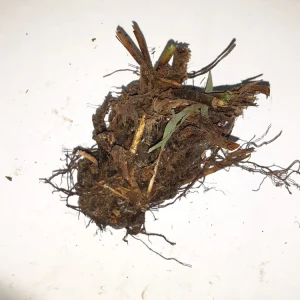
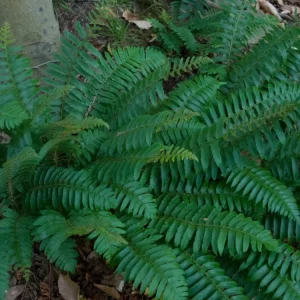
10 Christmas Fern Bare Root Plants – Polystichum Acrostichoides – Outdoor Native Perennial
Introduce natural beauty to your garden with 10 Christmas fern bare root plants. These native Christmas fern (Polystichum acrostichoides) are perfect for shade to partial sun areas and offer year-round green foliage. Known for their resilience and deer resistance, they are an excellent choice for low-maintenance landscaping across USDA zones 3-9.
Original price was: $60.00.$54.00Current price is: $54.00.

With our Alive & Thrive Guarantee, we’ve got your back for the first 30 days! If you have any concerns about your plants, just reach out to us. Our team is here to help answer your questions and guide you in selecting the best plants for your garden, climate, and unique preferences. We're excited to help you create the garden of your dreams!
Estimated arrival
Oct 14
Oct 19 - Oct 21
Oct 24 - Oct 28
Product Details
-
USDA Hardiness Zone
USDA zones 3-9 -
Soil type
Well-draining, medium moisture soil -
Sunlight Exposure
Partial sun, shade -
Expected Planting Period
Early spring or fall
Overview
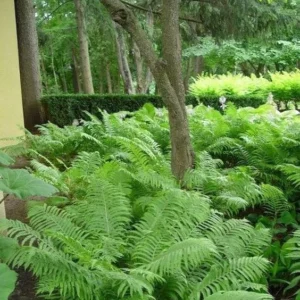
Transform your shaded garden spaces into lush, verdant retreats with the addition of 10 Christmas fern bare root plants. These remarkable ferns, scientifically known as Polystichum acrostichoides, are a truly special addition to any landscape. As a native fern species, the Christmas fern brings a touch of woodland elegance and enduring green color, even through the winter months in many regions. Unlike many deciduous plants, its fronds remain green, providing visual interest when other plants have faded. This makes it an invaluable asset for year-round garden appeal. Each bare root plant offers a cost-effective and robust way to establish these beautiful, hardy ferns in your garden, promising healthy growth and a thriving display for years to come.
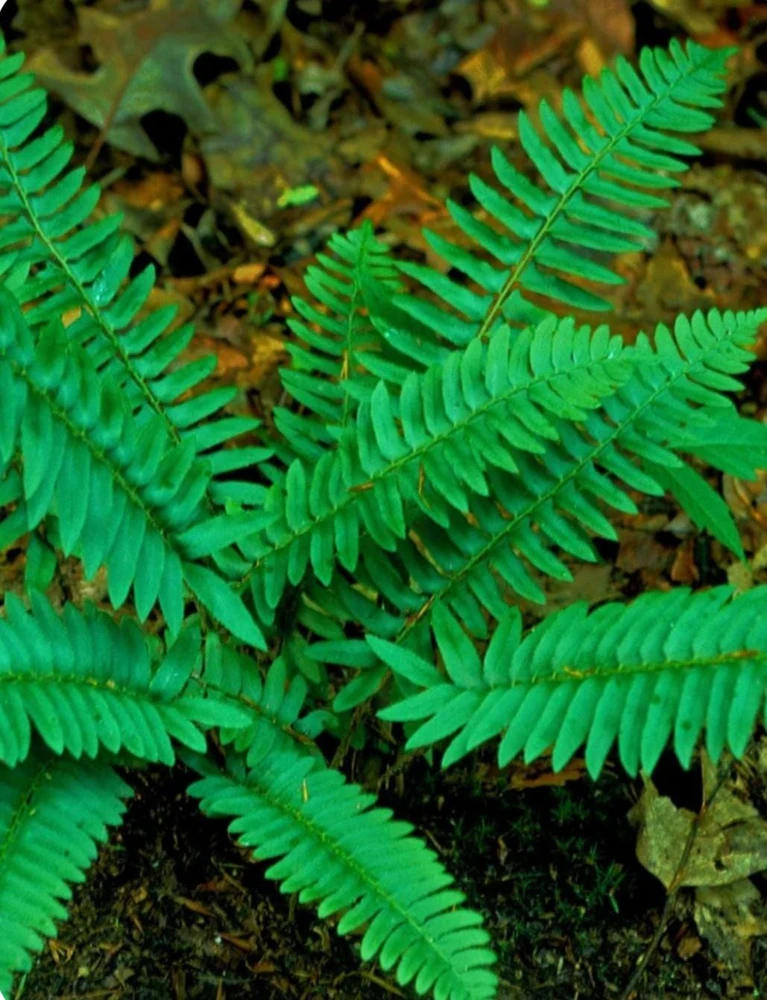
The Christmas fern bare root is an ideal choice for gardeners seeking to create a naturalized look or to fill challenging shaded areas. Its distinctive, leathery fronds resemble miniature Christmas stockings, hence its charming common name. These ferns are incredibly adaptable, thriving in a range of soil conditions and light exposures from partial sun to full shade. Their robust nature and minimal care requirements make them suitable for both experienced gardeners and those just starting out. Embrace the timeless beauty and ecological benefits of this wonderful native plant.
Key Benefits
Adding the Christmas fern bare root to your garden offers a multitude of advantages, enhancing both the aesthetic and ecological value of your landscape. These benefits extend beyond their undeniable beauty, providing practical solutions for various gardening challenges.
- Evergreen Foliage: One of the most significant benefits of the Christmas fern is its evergreen nature. Unlike many other ferns that die back in winter, the native Christmas fern retains its vibrant green fronds, providing continuous color and texture to your garden during the colder months when other plants are dormant. This ensures your landscape remains visually appealing all year long.
- Deer Resistant: If deer are a common problem in your area, the Christmas fern is an excellent solution. Its fronds are unpalatable to deer, making it a reliable choice for gardens in areas prone to browsing, allowing you to enjoy lush greenery without worry. This natural resistance makes it a hassle-free addition to your outdoor space.
- Shade Loving & Adaptable: These ferns thrive in partial sun to full shade conditions, making them perfect for those tricky spots under trees or on the north side of buildings where many other plants struggle. They are incredibly adaptable to various soil types, provided there is adequate drainage, ensuring success in diverse garden settings.
- Low Maintenance: Once established, the Polystichum acrostichoides requires very little attention. It’s a robust and self-sufficient plant that doesn’t demand constant watering, fertilizing, or pruning. This makes it an ideal choice for busy gardeners or those looking for an effortless way to add greenery.
- Native Plant Benefits: As a native Christmas fern, this plant supports local ecosystems by providing habitat and food for native wildlife. Incorporating native species helps to maintain biodiversity and creates a more resilient and sustainable garden environment.
- Erosion Control: Due to its fibrous root system and ability to colonize, the Christmas fern can be effective in stabilizing soil on slopes and preventing erosion, particularly in shaded areas where other groundcovers might not thrive.
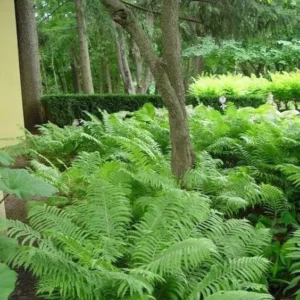
- Naturalizing Groundcover: With its ability to spread slowly, the Christmas fern can create a beautiful, dense groundcover over time, suppressing weeds and creating a uniform, naturalistic carpet of green in woodland gardens or under large trees.
Plant Care & Growing Tips
Ensuring the successful establishment and thriving growth of your Christmas fern bare root plants is straightforward with a few key care practices. These hardy ferns are known for their resilience, but providing them with optimal conditions will lead to the most vigorous and beautiful results. The first step after receiving your bare roots is proper planting. Dig a hole wide enough to accommodate the roots spread out, and deep enough so that the crown of the plant (where the fronds emerge) is at soil level. Gently spread the roots, backfill with soil, and water thoroughly to settle the soil around the roots. Initial deep watering is crucial for bare root plants.
When considering sunlight, Polystichum acrostichoides prefers partial sun to full shade. While it can tolerate a little morning sun, it’s best to protect it from harsh afternoon sun, which can scorch its fronds. Ideal locations include under the canopy of deciduous trees, on the north side of a building, or in deep woodland settings. Regarding soil, these ferns are not overly particular but thrive in well-drained, consistently moist soil. Avoid overly wet or waterlogged conditions, as this can lead to root rot. Amending heavy clay soils with organic matter like compost can improve drainage and provide essential nutrients. The native Christmas fern is quite tolerant of various soil pH levels, from slightly acidic to neutral.
Watering should be consistent, especially during dry periods in the first year after planting to help the plant establish. Once mature, deer resistant ferns are relatively drought-tolerant but will appreciate supplemental watering during extended dry spells. Fertilization is generally not necessary for Christmas ferns, as they naturally grow in woodland conditions where organic matter provides sufficient nutrients. If your soil is very poor, a light application of a balanced, slow-release granular fertilizer in spring can be beneficial. These ferns are cold-hardy, thriving in USDA zones 3-9, making them suitable for a wide range of climates. They are relatively pest and disease-free, further contributing to their low-maintenance appeal. With these simple guidelines, your shade garden ferns will flourish, providing enduring beauty.
Size & Details
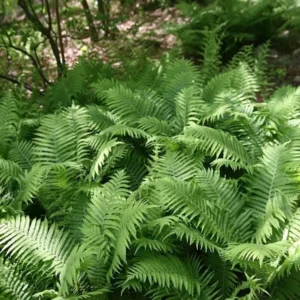
This offering includes 10 Christmas fern bare root plants, providing a generous quantity to establish a significant planting area or to spread throughout your garden. When mature, individual Christmas ferns typically grow to a height of 1-3 feet and spread about 1-2 feet wide, forming attractive clumps. The growth rate is moderate, meaning they will establish and fill out within a few growing seasons, creating a lush, verdant display. These plants are shipped in a dormant, bare root form, which is an excellent way to transport and plant deciduous or semi-evergreen perennials. This method allows the plant to focus its energy on root development once planted, leading to stronger establishment.
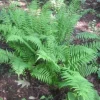
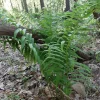
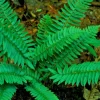
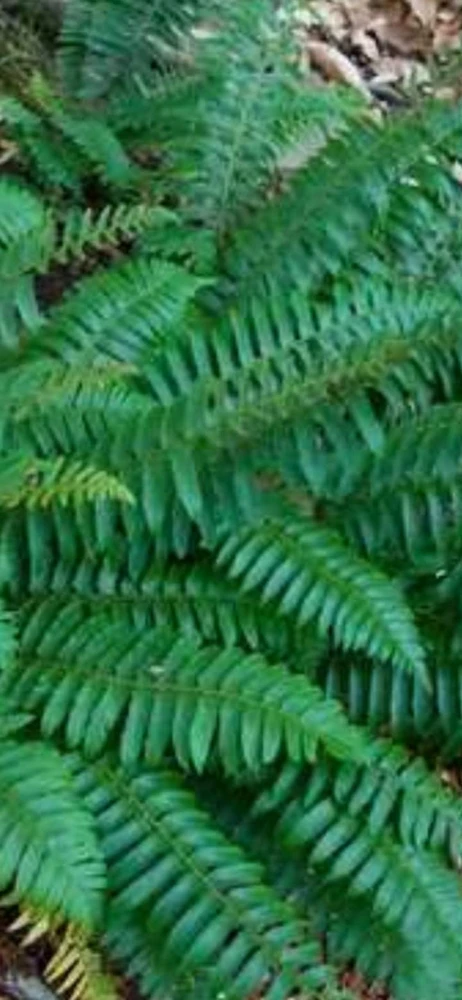
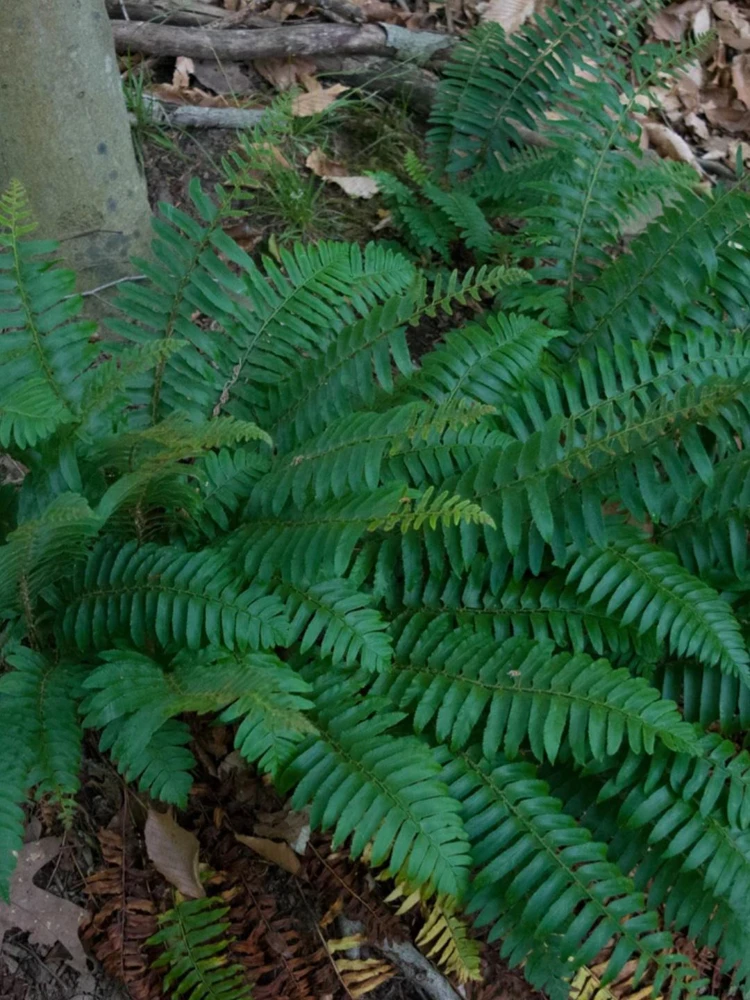
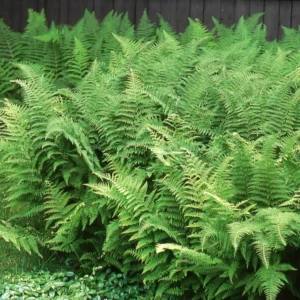
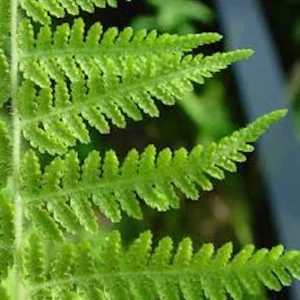
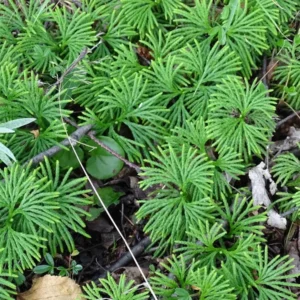
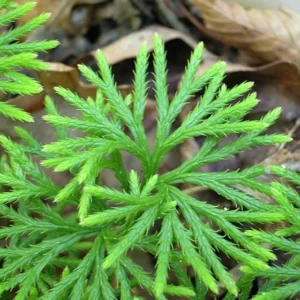
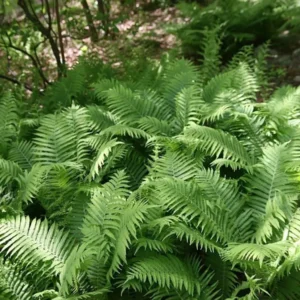
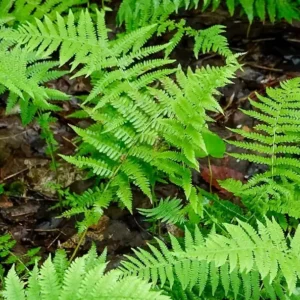
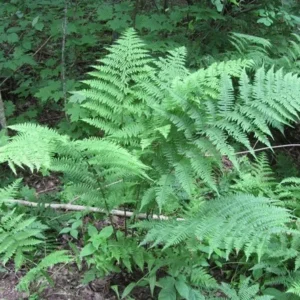
Each bare root is carefully packaged to ensure it arrives in optimal condition, ready for planting. The fronds of the Polystichum acrostichoides are typically dark green, leathery, and pinnate, with small, ear-like lobes near the stem, giving them their characteristic ‘Christmas stocking’ appearance. These ferns are long-lived perennials, offering many years of beauty and ecological benefit. They are an excellent choice for naturalizing, woodland gardens, shaded borders, or as an underplanting for larger trees and shrubs. The bare root format ensures you are getting robust, established root systems ready to spring to life in your garden.
Frequently Asked Questions
- Q: How big does the Christmas fern get? A: The Christmas fern bare root typically grows to a mature height of 1 to 3 feet and spreads about 1 to 2 feet wide, forming attractive, dense clumps. Its size makes it suitable for various garden settings without becoming overly dominant.
- Q: Is this an indoor or outdoor plant? A: The Christmas fern is primarily an outdoor plant, ideally suited for woodland gardens, shaded borders, and naturalized areas. It thrives in outdoor conditions within USDA zones 3-9.
- Q: How much sunlight does it need? A: These native Christmas fern plants prefer partial sun to full shade. They should be protected from intense afternoon sun, which can scorch their fronds. Morning sun is generally tolerated well.
- Q: Is this plant easy to care for? A: Yes, the Christmas fern is considered very easy to care for. Once established, it is remarkably low-maintenance, requiring minimal watering, fertilizing, or pruning, making it excellent for beginners or busy gardeners.
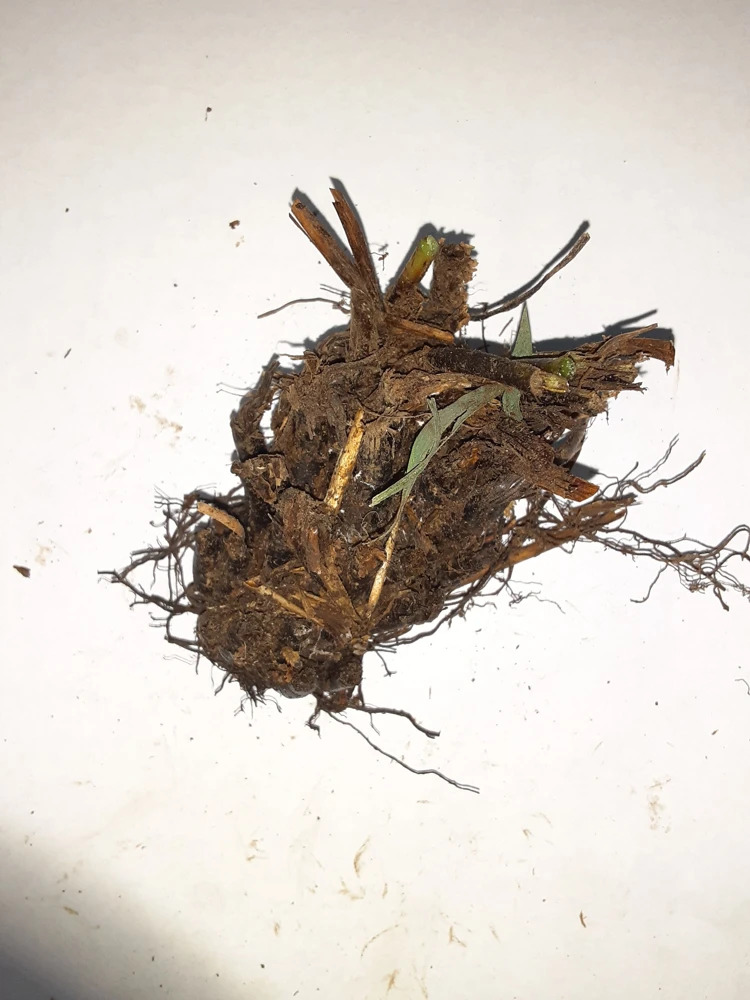
- Q: What condition will it arrive in? A: Your order will arrive as 10 Christmas fern bare root plants. These are dormant, carefully packaged root systems without foliage, ready to be planted directly into your garden.
- Q: When is the best time to plant Christmas fern bare roots? A: The best time to plant bare root Christmas ferns is in early spring or fall when the weather is cool and the soil is workable. This allows the roots to establish before extreme heat or cold.
- Q: Will the Polystichum acrostichoides survive winter in my zone? A: Yes, Polystichum acrostichoides is very cold-hardy and will survive winter in USDA zones 3-9. Its fronds are evergreen in many of these zones, providing winter interest.
- Q: Is this a deer resistant fern? A: Absolutely. The Christmas fern is well-known for its deer resistance, making it an excellent choice for gardens in areas where deer browsing is a concern.
- Q: What kind of soil does it prefer? A: The Christmas fern thrives in well-drained, consistently moist soil. It tolerates various soil types but dislikes waterlogged conditions. Amending with organic matter can improve soil structure.
- Q: Can I grow these shade garden ferns in containers? A: While primarily an in-ground plant, you can grow Christmas ferns in large containers, provided they have good drainage and are placed in a shaded location. Ensure the container is large enough to accommodate its eventual size.
Related products
-20%


Original price was: $31.98.$25.58Current price is: $25.58.
-20%
Original price was: $190.00.$152.00Current price is: $152.00.
-20%
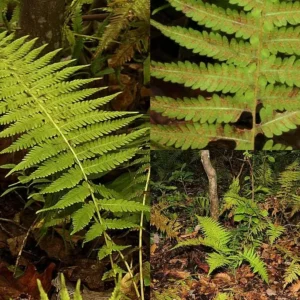
Original price was: $80.00.$64.00Current price is: $64.00.
-50%
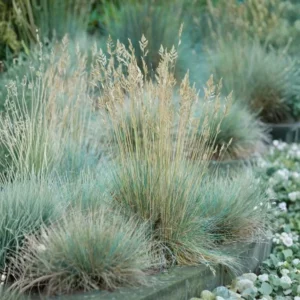
Original price was: $65.98.$32.99Current price is: $32.99.
-50%
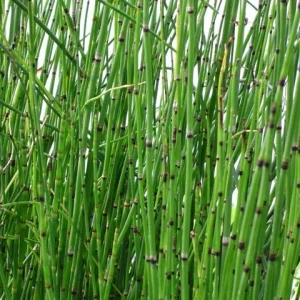
From Original price was: $87.60.$43.80Current price is: $43.80.
-20%
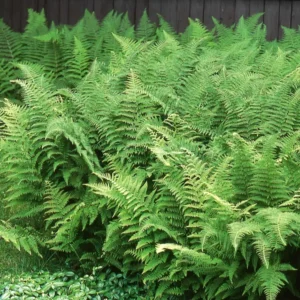
Original price was: $40.00.$32.00Current price is: $32.00.
-50%
From Original price was: $87.60.$43.80Current price is: $43.80.
-20%
Original price was: $64.00.$51.20Current price is: $51.20.
PLANTING & CARE
Lemon Tree Growing: Choose, Plant, and Harvest
Learn how to choose, plant, feed, and protect a lemon tree so it fits your
23
Sep
Sep
Dwarf Meyer Lemon Tree Australia: Climate Guide
Learn where dwarf Meyer lemon trees grow, how much cold they tolerate, and whether Australia,
Where to Buy a Dwarf Meyer Lemon Tree: Buyer’s Guide
Find the right dwarf Meyer lemon tree online or locally, compare starter sizes and costs,
Dwarf Meyer Lemon Tree for Sale: Buying Guide
Compare Meyer lemon tree sizes, prices, shipping limits, indoor growing and California options before you
Dwarf Meyer Lemon Tree Guide: Size, Care and Fruit
META: Learn how large a dwarf Meyer lemon tree grows, where it thrives, and how
How to Prune a Dwarf Meyer Lemon Tree
Learn when and how to prune a dwarf Meyer lemon tree, including tools, shaping cuts,
Can You Grow a Dwarf Meyer Lemon Tree in a Pot?
META: Learn how to grow a dwarf Meyer lemon tree in a pot, including container
When Do Dwarf Meyer Lemon Trees Bloom and Fruit?
META: Dwarf Meyer lemon trees usually bloom from winter through spring and may flower again