2 Japanese Snowball Viburnum Plicatum Tomentosum Bare-root Plant
-50%
2 Japanese Snowball Viburnum Plicatum Tomentosum Bare-root Plant
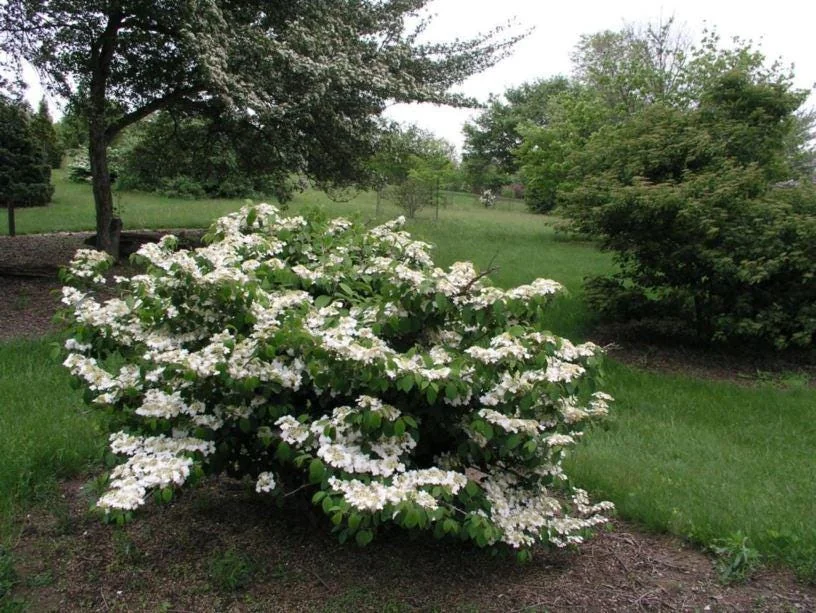
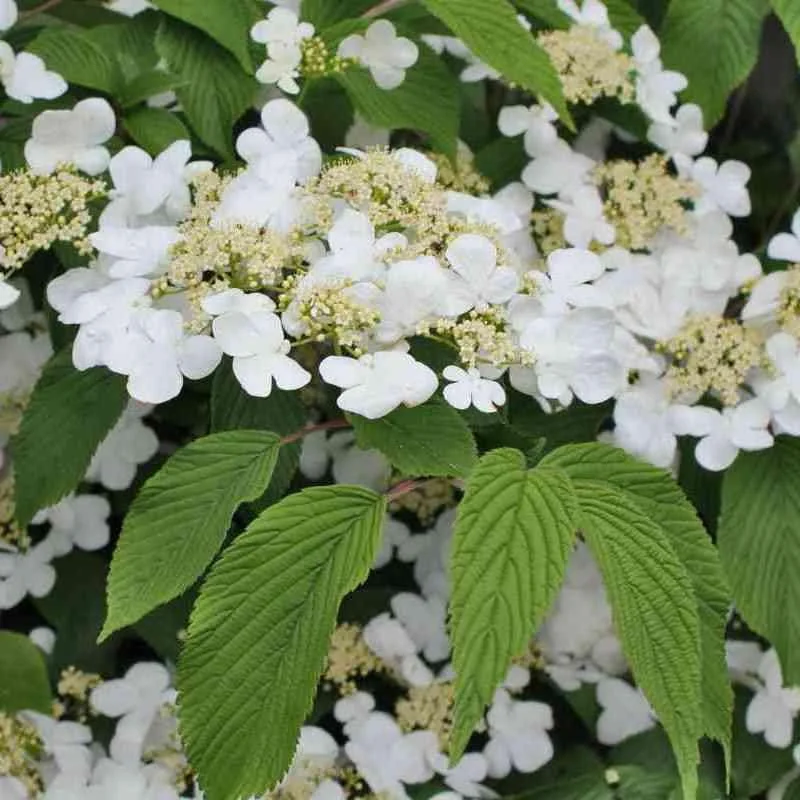
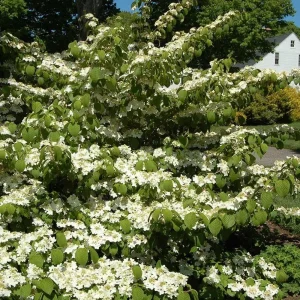
Introduce elegance to your landscape with two Japanese Snowball Viburnum bare-root plants. These deciduous shrubs boast abundant clusters of showy white flowers in spring, followed by attractive fall foliage. Ideal for creating a stunning focal point or natural hedge, they are a beautiful and resilient addition to any garden.
From Original price was: $135.92.$67.96Current price is: $67.96.

With our Alive & Thrive Guarantee, we’ve got your back for the first 30 days! If you have any concerns about your plants, just reach out to us. Our team is here to help answer your questions and guide you in selecting the best plants for your garden, climate, and unique preferences. We're excited to help you create the garden of your dreams!
Estimated arrival
Mar 28
Apr 02 - Apr 04
Apr 07 - Apr 11
Product Details
-
USDA Hardiness Zone
USDA zones 5-8 -
Soil type
Fertile, well-draining loam -
Sunlight Exposure
Full sun to partial shade -
Expected Planting Period
Early spring or fall
Overview
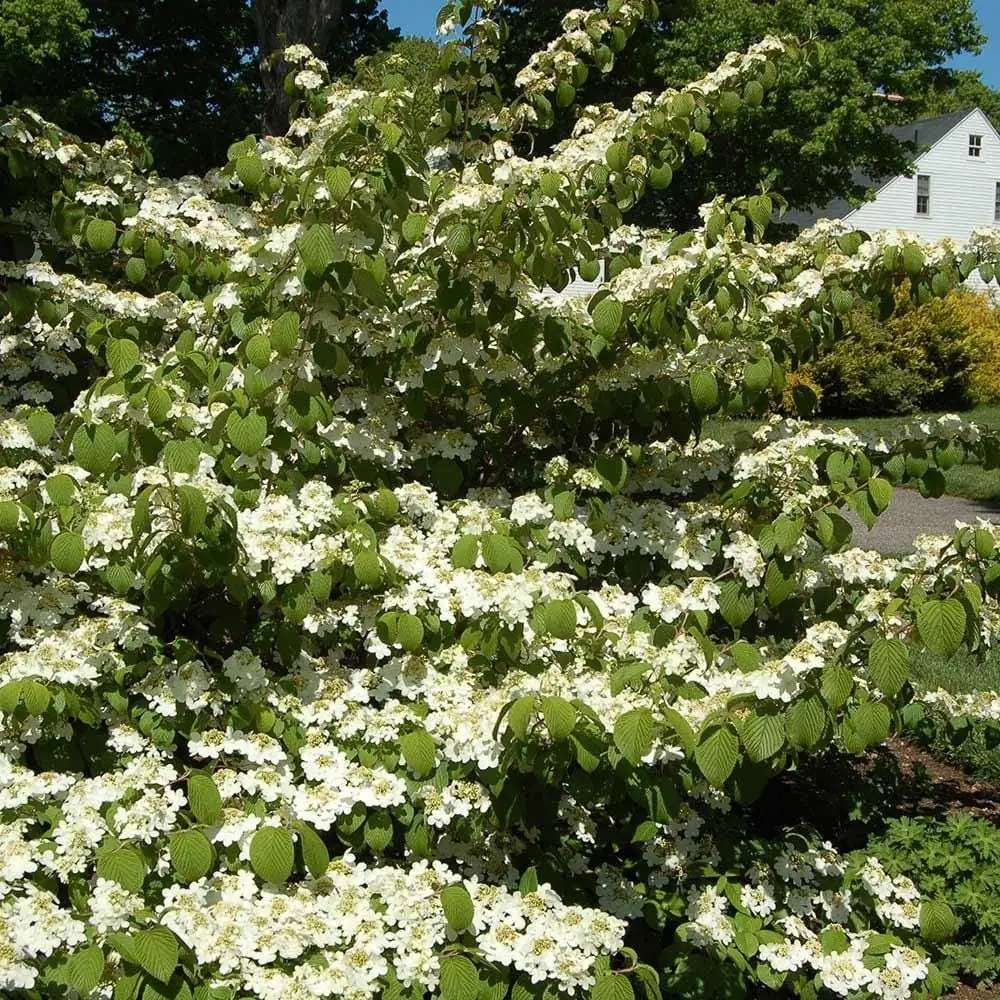
Transform your garden with the timeless beauty of the Japanese Snowball Viburnum bare-root plant. This offering includes two bare-root specimens of Viburnum plicatum tomentosum, a magnificent deciduous shrub renowned for its striking floral display and seasonal interest. The Japanese Snowball Viburnum, also known as Doublefile Viburnum, is a multi-stemmed shrub that typically matures to an impressive height of 8-15 feet with a slightly larger spread, making it an excellent choice for creating a dramatic statement in your landscape. Its ovate, toothed, and strongly-veined dark green leaves add texture to the garden throughout the growing season, before transitioning to spectacular burgundy red to purplish red hues in the fall. These plants are shipped as bare-root, ensuring a robust start once planted in your garden. The unique tiered branching of this variety creates a beautiful architectural presence, even when not in bloom. For those seeking a reliable and visually stunning ornamental garden plant, the Japanese Snowball Viburnum bare-root is an exceptional choice.
Key Benefits
The Japanese Snowball Viburnum bare-root offers a multitude of benefits for any gardener looking to enhance their outdoor space. Its exceptional ornamental qualities and adaptability make it a favorite among landscape designers and home gardeners alike. Consider these advantages:
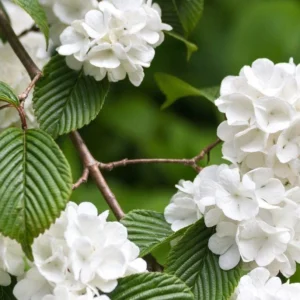
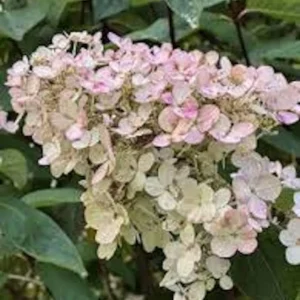
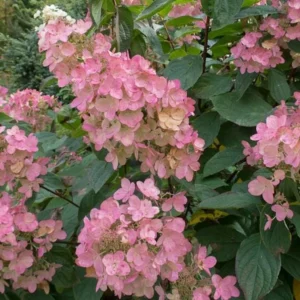
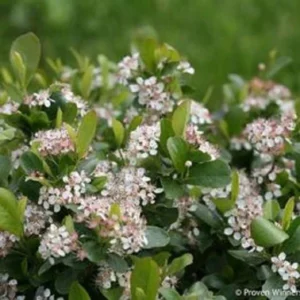
- Spectacular Spring Blooms: Enjoy an abundance of showy white, flat-topped flower clusters that bloom along tiered horizontal branches in spring. These lacecap-like flowers create a breathtaking display, reminiscent of fresh snowballs, hence its common name.
- Vibrant Fall Color: The dark green leaves provide a lush backdrop throughout summer, then transform into brilliant shades of burgundy red and purplish red in autumn, extending the plant’s visual interest well into the cooler months.
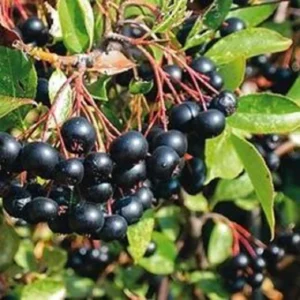
- Attractive Berries for Wildlife: Following successful pollination, the fertile flowers give way to egg-shaped, berry-like drupes that mature from red to black. These fruits are not only ornamentally attractive but also provide a valuable food source for birds and other wildlife.
- Architectural Branching: The distinctive layered, horizontal branching habit of the Doublefile Viburnum (f. tomentosum) provides strong structural interest in the garden, even after the leaves have fallen in winter.
- Low Maintenance & Hardy: This deciduous viburnum is known for its general resilience and lack of serious insect or disease problems, making it a relatively easy-care addition to most gardens.
- Versatile Landscape Use: Its mature size and attractive form make it suitable for various landscape applications, including specimen planting, hedges, borders, or as a backdrop for smaller plants.
- Established Form: As a bare-root plant, it establishes quickly and vigorously, ready to thrive in its new environment.
Plant Care & Growing Tips
Caring for your Japanese Snowball Viburnum bare-root is straightforward, ensuring years of beautiful blooms and foliage. These shrubs are quite adaptable but will perform best with proper attention to their environmental needs. Understanding Viburnum plicatum care is crucial for a thriving plant. They prefer a location with full sun to partial shade. Full sun encourages the most prolific flowering and best fall color, but some afternoon shade can be beneficial in hotter climates to prevent leaf scorch.
When it comes to watering, maintain consistently moist, but not waterlogged, soil, especially during the establishment phase for bare-root plants. Once established, they are moderately drought-tolerant but will benefit from regular watering during dry spells. The ideal soil type is a fertile, well-draining loam with a slightly acidic to neutral pH. Incorporating organic matter into the planting hole will help improve soil structure and fertility. These shrubs are hardy in USDA zones 5-8, making them suitable for a wide range of climates. Fertilize in early spring with a balanced, slow-release granular fertilizer formulated for flowering shrubs. Pruning should be done after flowering to shape the plant and remove any dead or crossing branches. While generally robust, occasionally watch for issues like leaf spot or powdery mildew, especially in humid conditions, and address them promptly. Squirrels can sometimes eat unopened flower buds in late winter, which may reduce blooming.
Size & Details
This offering includes two Japanese Snowball Viburnum bare-root plants, ready for planting upon arrival. These bare-root specimens provide a cost-effective and robust way to establish these impressive shrubs in your garden. The Viburnum plicatum tomentosum form typically matures to a height of 8-15 feet and can spread slightly wider, creating a magnificent presence. Its growth rate is moderate, allowing it to reach a substantial size within a few years while offering a consistent display of seasonal beauty. The tiered horizontal branching is a hallmark of this variety, providing a distinctive silhouette. Expect the first significant blooms to appear within 1-2 years after planting, with the plant growing larger and more floriferous each subsequent year. This ornamental garden plant will quickly become a cherished part of your landscape, providing beauty from spring to fall.
Frequently Asked Questions
- Q: How big will the Japanese Snowball Viburnum get? A: The Japanese Snowball Viburnum bare-root typically matures to an impressive height of 8-15 feet with a slightly wider spread, making it a substantial and beautiful addition to your landscape. Its mature size offers a significant visual impact.
- Q: Is this an indoor or outdoor plant? A: This is an outdoor deciduous shrub. It requires seasonal changes and sufficient space to grow into its mature size, making it unsuitable for indoor cultivation.
- Q: How much sunlight does the Viburnum need? A: The deciduous viburnum thrives best in full sun to partial shade. For the most abundant flowers and vibrant fall color, aim for at least 6 hours of direct sunlight per day.
- Q: When is the best time to plant these bare-root Viburnums? A: The ideal time to plant bare-root Viburnums is in early spring, after the last frost, or in the fall before the ground freezes. This allows the plant time to establish its root system before extreme temperatures.
- Q: Is this plant easy to care for? A: Yes, the Viburnum plicatum care requirements are generally considered low to moderate. It’s a robust shrub that tolerates a range of conditions once established, making it suitable for gardeners of various experience levels.
- Q: What kind of soil does it prefer? A: This shrub prefers fertile, well-draining soil with a slightly acidic to neutral pH. Good drainage is crucial to prevent root rot.
- Q: Will it survive winter in my zone? A: The Japanese Snowball Viburnum is hardy in USDA Zones 5-8. If you are within these zones, it should successfully overwinter and return each spring.
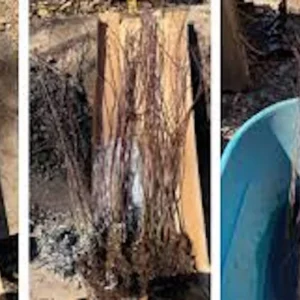
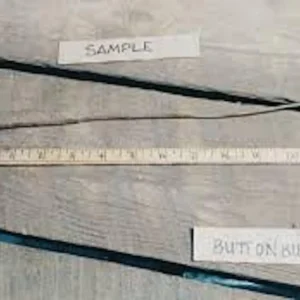
- Q: What condition will the bare-root plants arrive in? A: Your Japanese Snowball Viburnum bare-root plants will arrive dormant, without leaves, and with their roots carefully packed to retain moisture. This is normal for bare-root stock and ensures they are ready for planting.
- Q: How long until it blooms? A: While establishment takes time, you can typically expect your Japanese Snowball Viburnum to begin producing its characteristic white flowers within 1-2 years after planting, with more prolific blooming as it matures.
- Q: Are the berries safe for pets or humans? A: The berries of Viburnum plicatum tomentosum are generally considered mildly toxic if ingested in large quantities by humans and pets. It’s best to enjoy their ornamental value and their benefit to birds.
| Size | 12-18'', 18-24'' |
|---|
Related products
-50%
Original price was: $49.98.$24.99Current price is: $24.99.
-50%
Original price was: $55.98.$27.99Current price is: $27.99.
-50%


Original price was: $63.00.$31.50Current price is: $31.50.
-76%
Original price was: $103.96.$24.99Current price is: $24.99.
-20%
Original price was: $36.00.$28.80Current price is: $28.80.
-20%
Original price was: $20.00.$16.00Current price is: $16.00.
PLANTING & CARE

The Comprehensive Guide to Growing Bay Leaf Plants for a Flavorful Garden
Imagine stepping into your garden, greeted by the earthy aroma of fresh bay leaves, their
09
Feb
Feb

How to Make Comfrey Tea: The Ultimate Organic Plant Food
Growing an organic garden can be surprisingly expensive, especially when most store-bought fertilizers come in
02
Feb
Feb

True Comfrey: 7 Essential Tips Before You Plant This Herb
A staple in permaculture practices across the US, True Comfrey easily earns its reputation as
27
Jan
Jan

7 Heart-Shaped Plants for a Lasting Valentine’s Gift
If you’ve ever bought a bouquet of roses for Valentine’s Day, you know they are
26
Jan
Jan

Best Types of Ivy Plant for Houses: How to Choose the Perfect Ones for Your Home
Are you a garden lover looking to introduce some greenery into your home? Maybe you’ve
14
Nov
Nov

When to Harvest Garlic (Especially Fall-Planted Garlic)
TIMING IS EVERYTHING, they say – and for garlic, that truth hits with surprising accuracy.
13
Nov
Nov

11 of the Best Sweet Potato Varieties to Grow for Your Garden
If you’ve ever tried growing sweet potatoes, you know that picking the right variety can
12
Nov
Nov
Pruning Bougainvillea for Winter
Bougainvillea vines are known for their dazzling display of magenta, orange, and fuchsia bracts that
05
Nov
Nov