3 Live Yellow Bell Pepper Plants 4-6” – Spring Garden Seedlings
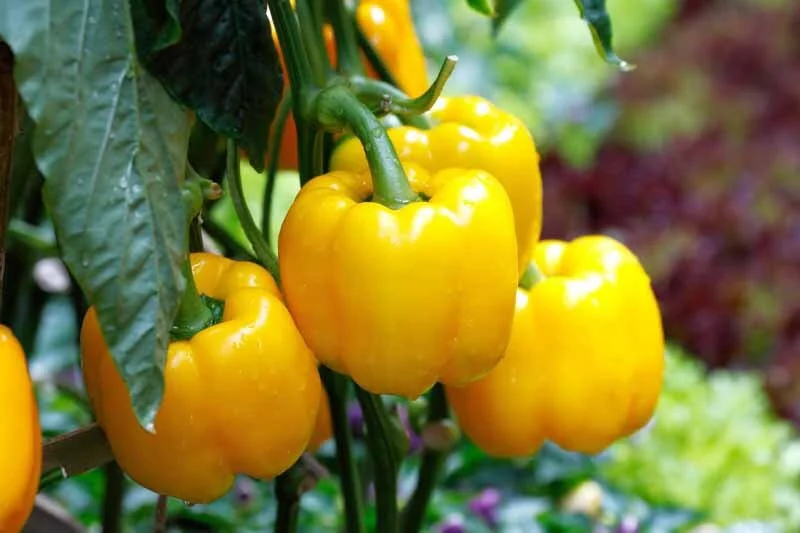
3 Live Yellow Bell Pepper Plants 4-6” – Spring Garden Seedlings
Start your edible garden with these vibrant yellow bell pepper live plant seedlings. You’ll receive 3 healthy, 4-6 inch tall plants, ready for transplanting. Enjoy fresh, sweet peppers straight from your garden.
$31.98

With our Alive & Thrive Guarantee, we’ve got your back for the first 30 days! If you have any concerns about your plants, just reach out to us. Our team is here to help answer your questions and guide you in selecting the best plants for your garden, climate, and unique preferences. We're excited to help you create the garden of your dreams!
Estimated arrival
Aug 16
Aug 21 - Aug 23
Aug 26 - Aug 30

Product Details
-
USDA Hardiness Zone
USDA zones 9-11 (as annuals in colder zones) -
Soil type
Well-draining, rich in organic matter -
Sunlight Exposure
Full sun (6-8 hours daily) -
Expected Planting Period
Spring to early summer (after last frost)
Overview
Cultivate your own flavorful harvest with this offering of three yellow bell pepper live plant seedlings. These vibrant plants are an excellent choice for any home gardener looking to add a splash of color and a sweet, crisp taste to their culinary creations. Bell peppers, scientifically known as Capsicum annuum, are a staple in many kitchens, prized for their versatility and nutritional value. Our carefully cultivated seedlings are approximately 4-6 inches tall, ensuring they are well-established and ready for successful transplanting into your garden or containers. These young plants are an ideal way to kickstart your spring garden, providing a head start on the growing season and promising a bountiful yield of delicious yellow bell peppers. Growing your own vegetables offers the satisfaction of fresh produce and the peace of mind knowing exactly how your food was grown.
Each yellow bell pepper live plant has been nurtured to promote a strong root system and a sturdy stem, crucial for healthy development and fruit production. They are perfect for both novice and experienced gardeners who wish to enjoy the experience of growing their own food. The cheerful yellow hue of these peppers will brighten any garden space, and their sweet flavor makes them a favorite for salads, stir-fries, and grilling. These seedlings are specifically selected for their vigor, ensuring you receive robust plants that are prepared to thrive in your home garden environment, leading to a successful and rewarding growing season.
Key Benefits
Adding a yellow bell pepper live plant to your garden comes with a multitude of advantages, from culinary delight to gardening satisfaction. These plants are not only productive but also contribute to a vibrant garden aesthetic.
- Fresh, Homegrown Produce: Enjoy the unparalleled taste of freshly picked yellow bell peppers, free from pesticides and picked at peak ripeness. There’s nothing quite like harvesting your own food.
- Rich in Nutrients: Yellow bell peppers are packed with vitamins A and C, antioxidants, and fiber, contributing to a healthy diet. Growing them yourself ensures maximum freshness and nutrient retention.
- Versatile Culinary Ingredient: These sweet peppers are incredibly versatile. Use them raw in salads, sautéed in stir-fries, roasted for a smoky flavor, or stuffed for a hearty meal. They add color and crunch to almost any dish.
- Garden Beauty: The bright yellow fruits against the lush green foliage create an attractive display in your garden beds or patio containers, enhancing the overall appeal of your outdoor space.
- Sense of Accomplishment: Experience the joy and satisfaction of nurturing plants from seedlings to mature, fruit-bearing specimens. It’s a rewarding hobby that connects you with nature.
- Eco-Friendly Choice: Growing your own vegetables reduces your carbon footprint by minimizing transportation and packaging waste associated with store-bought produce. This yellow bell pepper live plant is a step towards sustainable living.
- Supports Healthy Eating: Having fresh, delicious vegetables readily available encourages healthier eating habits for you and your family. Learning to grow yellow bell peppers is a great family activity.
Plant Care & Growing Tips
Caring for your yellow bell pepper live plant seedlings is straightforward, and with proper attention, you’ll be rewarded with a bountiful harvest. Bell peppers thrive in warm conditions and require specific care to produce well. For optimal growth, choose a location that receives full sun, meaning at least 6-8 hours of direct sunlight per day. If you live in a region with extremely hot summers, some afternoon shade can prevent scorching, but generally, more sun equals more peppers. Ensure your soil is well-draining and rich in organic matter. A slightly acidic to neutral pH (6.0-7.0) is ideal. Amending your soil with compost before planting will provide essential nutrients and improve soil structure.
Watering is crucial, especially during flowering and fruiting. Keep the soil consistently moist but not waterlogged. Deep watering once or twice a week is usually sufficient, adjusting based on weather conditions. Avoid overhead watering to prevent fungal diseases; instead, water at the base of the plant. Fertilize your bell pepper seedlings with a balanced fertilizer when transplanting, and then switch to a fertilizer higher in phosphorus and potassium once flowering begins to encourage fruit development. Regular feeding every 2-4 weeks throughout the growing season will support continuous production. Protect your plants from extreme cold; bell peppers are sensitive to frost and will not survive freezing temperatures. Consider using row covers or bringing container-grown plants indoors if an unexpected cold snap occurs. Watch out for common pests like aphids and cutworms, and treat them with organic pest control methods if necessary. Proper care will help your yellow pepper plant care lead to success.
Staking or caging your pepper plants is highly recommended, especially as they grow taller and begin to bear fruit. This support prevents branches from breaking under the weight of the peppers and keeps the fruit off the ground, reducing the risk of rot and pest damage. Pinching off the first few flowers when the plant is young can encourage the plant to put more energy into vegetative growth, leading to a stronger plant and eventually a larger harvest. Regularly harvesting the peppers as they ripen will also signal the plant to produce more. Don’t be afraid to harvest them when they are fully yellow and firm; this encourages continuous fruiting throughout the season. These sweet pepper plants are generally resilient but consistent care is key.
Size & Details
This offering includes three (3) individual yellow bell pepper live plant seedlings. Each plant measures approximately 4-6 inches in height from the base of the plant to the top of its foliage, making them an ideal size for transplanting directly into your garden beds or larger containers. These young plants are shipped with a healthy root ball, ensuring they establish quickly in their new environment. Bell pepper plants typically grow to a mature height of 2-3 feet tall and can spread about 1.5-2 feet wide, depending on the variety and growing conditions. They are annual plants in most climates, completing their life cycle within one growing season, though they can be overwintered indoors in warmer zones or as houseplants.
The plants are in their early growth stage, having been transplanted with a portion of their stalk into a substrate to promote a robust root system and sturdy stem. Expect your plants to begin producing fruit approximately 60-90 days after transplanting, with continuous harvesting possible throughout the warm season. They are shipped ready for immediate planting upon arrival, ensuring minimal stress and a smooth transition to your garden. These seedlings offer a significant head start compared to growing from seed, allowing you to enjoy fresh peppers sooner.
Frequently Asked Questions
- Q: How big will these yellow bell pepper plants get? A: Your yellow bell pepper live plant seedlings will grow to an average mature height of 2-3 feet tall and can spread about 1.5-2 feet wide, depending on growing conditions and care.
- Q: Is this an indoor or outdoor plant? A: While bell peppers are primarily outdoor plants that thrive in full sun, they can be grown in containers and brought indoors during colder months or grown year-round in very warm climates or a greenhouse. They need significant light to fruit.
- Q: How much sunlight does a yellow bell pepper live plant need? A: Bell pepper plants require at least 6-8 hours of direct sunlight per day to produce the best yields. Choose a sunny spot in your garden for optimal growth.
- Q: Is this plant easy to care for? A: Yes, yellow bell pepper live plant seedlings are relatively easy to care for, making them suitable for beginners. Consistent watering, adequate sunlight, and occasional fertilization are key to success.
- Q: What condition will the plants arrive in? A: Your plants are carefully packaged to ensure live arrival. They are shipped as healthy, 4-6 inch tall seedlings with robust root systems, ready for transplanting.
- Q: When is the best time to plant these bell pepper seedlings? A: The best time to plant these bell pepper seedlings outdoors is after the last frost date in your area, typically in late spring or early summer, when soil temperatures have warmed up.
- Q: How long until I can harvest peppers from these plants? A: You can expect to start harvesting your delicious yellow bell peppers approximately 60-90 days after transplanting these seedlings into your garden.
- Q: Can I grow yellow bell peppers in containers? A: Absolutely! These sweet pepper plants are well-suited for container gardening. Choose a pot at least 5 gallons in size with good drainage to allow for proper root development.
- Q: What kind of soil is best for growing yellow bell peppers? A: Bell peppers prefer well-draining soil that is rich in organic matter. A slightly acidic to neutral pH (6.0-7.0) is ideal. Amending with compost is highly beneficial.
- Q: Are these plants pest-resistant? A: While no plant is completely pest-resistant, consistent monitoring and good garden hygiene can help prevent common pepper pests. Organic pest control methods are recommended if issues arise.
Related products
-22%
Original price was: $160.99.$125.99Current price is: $125.99.
-20%
Original price was: $36.00.$28.80Current price is: $28.80.
-20%
Original price was: $36.00.$28.80Current price is: $28.80.
-78%
Original price was: $39.99.$8.99Current price is: $8.99.
-20%
Original price was: $60.00.$48.00Current price is: $48.00.
-30%
Original price was: $59.98.$41.98Current price is: $41.98.
-20%
Original price was: $48.00.$38.40Current price is: $38.40.
-10%
Original price was: $29.99.$26.99Current price is: $26.99.
PLANTING & CARE
How to Grow Persian Silk Trees Easily in Your Garden
If you’re looking for a tree that brings a soft, tropical feel to your garden,
04
Aug
Aug
How to Grow Blue Java Banana Trees: A Beginner’s Guide
Have you ever heard of the Blue Java banana tree? If not, you’re in for
28
Jun
Jun
5 Common Blue Java Banana Tree Problems and How to Fix Them
Have you ever looked at your Blue Java banana tree (aka “ice cream banana”) and
19
Jun
Jun
Top 10 Plants for Father’s Day to Honor Dad This Father’s Day
Father’s Day is a special time to show your dad just how much he means
19
Jun
Jun
The Comprehensive Guide to Growing Bougainvillea for Colorful Blooms
Have you ever wanted your garden to be filled with brilliant color and tropical energy
19
Jun
Jun
How to Successfully Plant Bare Root Strawberries in Containers
Have you ever wondered about planting strawberries in containers, but aren’t sure where to begin?
11
Jun
Jun
Top 5 Easiest Ornamental Trees to Grow for Beginners
Ever feel overwhelmed by the idea of planting a tree in your yard? You’re not
11
Jun
Jun
Growing Glencoe Raspberry: A Complete Guide for Gardeners
If you’re looking to add something unique to your garden, look no further than the
31
Mar
Mar