Ancho Pepper Live Plants – 3 Pack, 10-14 Inches Tall, Outdoor Vegetable
Ancho Pepper Live Plants – 3 Pack, 10-14 Inches Tall, Outdoor Vegetable
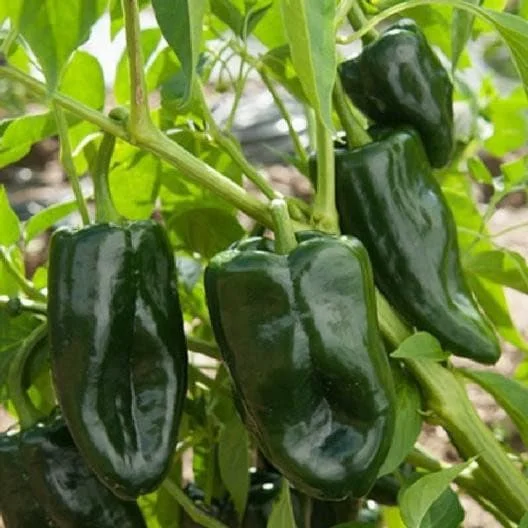
Cultivate your own delicious Ancho peppers with this pack of three ancho pepper live plant seedlings, each standing 10-14 inches tall. These healthy, stalky plants are perfect for your spring garden, producing mild, large peppers ideal for making chili paste, smoking, and roasting. Enjoy the satisfaction of growing your own fresh produce with these easy-to-care-for ancho chili plant starters.
$33.98

With our Alive & Thrive Guarantee, we’ve got your back for the first 30 days! If you have any concerns about your plants, just reach out to us. Our team is here to help answer your questions and guide you in selecting the best plants for your garden, climate, and unique preferences. We're excited to help you create the garden of your dreams!
Estimated arrival
Aug 16
Aug 21 - Aug 23
Aug 26 - Aug 30
Product Details
-
USDA Hardiness Zone
USDA zones 9-11 (as perennial), annual in other zones -
Soil type
Well-draining, rich soil -
Sunlight Exposure
Full sun (6-8 hours daily) -
Expected Planting Period
Spring to early summer (after last frost)
Overview
Bring the authentic flavor of Mexico to your garden with this three-pack of ancho pepper live plant seedlings. Each plant arrives healthy and robust, standing 10-14 inches tall, ready to thrive in your spring garden. The Ancho pepper, scientifically known as Capsicum annuum ‘Ancho’, is renowned for its mild heat and rich, smoky flavor when dried. These versatile peppers are a culinary delight, perfect for creating traditional ancho chili paste, adding depth to smoked dishes, or roasting for a sweet and savory treat. Growing your own ancho pepper live plant ensures a fresh supply of these beloved peppers, providing a rewarding gardening experience and delicious harvests. Our seedlings are carefully cultivated to promote strong root systems and sturdy stems, giving you the best start for a bountiful yield.
The Ancho pepper is a classic choice for home gardeners due to its relatively easy care and generous production. These plants are grown from high-quality stock, ensuring vigorous growth and healthy fruit development. Whether you’re an experienced gardener or just starting, our ancho pepper live plant offers an excellent opportunity to cultivate a flavorful and versatile vegetable right in your backyard. Experience the joy of harvesting fresh, mild peppers that are far superior to store-bought varieties, enhancing your culinary adventures with their unique taste and aroma.
Key Benefits
Adding an ancho pepper live plant to your garden offers numerous advantages, from culinary versatility to the simple pleasure of growing your own food. These plants are not only productive but also relatively low maintenance, making them suitable for various garden settings.
- Exceptional Culinary Versatility: Ancho peppers are a staple in Mexican cuisine, prized for their mild heat (1,000-1,500 Scoville Heat Units) and rich, fruity flavor. They are perfect for making authentic chili sauces, moles, and stews. You can also dry them to create the famous Ancho chili, adding a smoky depth to any dish.
- Ideal for Smoking and Roasting: The moderate size walls and robust flesh of these peppers make them excellent for smoking and roasting. Roasting brings out their natural sweetness, while smoking imparts a deep, complex flavor that elevates barbecues and other savory dishes.
- Healthy and Vigorous Growth: Our ancho chili plant seedlings are carefully nurtured to develop strong root systems and stalky stems, ensuring they establish quickly in your garden and grow into productive plants. This robust start minimizes transplant shock and promotes healthier overall development.
- Garden Beauty and Productivity: Beyond their culinary uses, pepper plants add a vibrant touch to your garden with their lush green foliage and developing peppers. You’ll enjoy watching your ancho pepper live plant mature and produce a generous harvest throughout the growing season.
- Satisfaction of Homegrown Produce: There’s nothing quite like the taste of fresh, homegrown vegetables. Cultivating your own Ancho peppers allows you to control the growing conditions, ensuring organic and flavorful produce for your kitchen.
- Easy to Grow for All Skill Levels: These pepper plants are relatively straightforward to care for, making them a great choice for both novice and experienced gardeners looking to grow ancho peppers. With proper sunlight and watering, they will thrive and produce abundant fruit.
- Great for Seed Saving: Once you successfully grow ancho peppers, you can save the seeds from your best peppers for future planting, further enhancing your sustainable gardening practices.
Plant Care & Growing Tips
Caring for your ancho pepper live plant is a rewarding experience that yields delicious results. Ancho peppers thrive in warm conditions and require specific care to ensure a bountiful harvest. For optimal growth, these plants need plenty of sunlight, well-draining soil, and consistent moisture. They are typically grown as annuals in most climates, but can be perennial in warmer, frost-free regions. Understanding the basic needs of your capsicum annuum ancho will set you up for success.
Sunlight Requirements: Ancho peppers are sun-loving plants. They require at least 6-8 hours of direct sunlight per day to produce healthy fruits. Choose a location in your garden that receives full sun throughout the day. In extremely hot climates, some afternoon shade can prevent scorching, but generally, more sun equals more peppers. Watering Schedule: Consistent moisture is key for pepper plants. Water regularly, especially during dry spells and when fruits are developing. The soil should be kept evenly moist but not waterlogged. Check the soil moisture by sticking your finger about an inch deep; if it feels dry, it’s time to water. Avoid overhead watering to prevent fungal diseases; instead, water at the base of the plant. Soil Type and Drainage: A rich, well-draining soil is essential for your ancho pepper live plant. Amend heavy clay soils with compost or other organic matter to improve drainage and fertility. A slightly acidic to neutral pH (6.0-7.0) is ideal. Good drainage prevents root rot and other moisture-related issues. Temperature Range and USDA Hardiness Zone: Ancho peppers prefer warm temperatures, ideally between 65-80°F (18-27°C). They are not frost-tolerant and should be planted outdoors after all danger of frost has passed. In most parts of the US, they are grown as annuals. For perennial growth, they would need to be in USDA zones 9-11 or grown in containers and brought indoors during colder months. Fertilization Schedule: Feed your grow ancho peppers plants with a balanced fertilizer once they start setting fruit. A fertilizer formulated for tomatoes or vegetables is suitable. Avoid high-nitrogen fertilizers early on, as this can promote leafy growth at the expense of fruit production. Common Problems and Solutions: Watch out for common pests like aphids and spider mites, which can be managed with insecticidal soap. Blossom end rot, characterized by dark spots on the bottom of the peppers, is often caused by inconsistent watering or calcium deficiency; ensure even moisture and consider a calcium supplement if needed.
Size & Details
This offering includes three (3) robust ancho pepper live plant seedlings, each measuring approximately 10-14 inches in height from the base of the plant to the top. These young plants are carefully selected for their strong, stalky stems and well-developed root systems, ensuring they are ready for successful transplanting into your garden. They are shipped in a manner that protects their delicate structure, promoting live arrival and quick establishment. Upon arrival, these seedlings are at an ideal stage for planting, allowing them to acclimate quickly and begin their growth cycle in your chosen outdoor location.
Ancho pepper plants typically grow to a mature height of 2-3 feet and can spread about 1.5-2 feet wide, forming a bushy habit. They begin to produce fruit in mid to late summer, approximately 75-80 days after transplanting. The peppers themselves are large, heart-shaped, and mature from dark green to a deep red color. Each plant can yield a significant number of peppers throughout the growing season, providing ample opportunities for culinary experimentation and preservation. The moderate size and vigor of these plants make them suitable for both in-ground gardening and larger container planting, offering flexibility for various garden designs.
Frequently Asked Questions
- Q: How big will these Ancho pepper plants get? A: These ancho pepper live plant seedlings are 10-14 inches tall when they arrive. Once mature, they typically grow to about 2-3 feet tall and 1.5-2 feet wide, producing numerous peppers throughout the season.
- Q: Is this an indoor or outdoor plant? A: Ancho peppers are best grown outdoors in full sun. They are warm-weather plants and are typically cultivated as annuals in most regions. They can be grown in containers and brought indoors in colder climates for overwintering.
- Q: How much sunlight does an ancho chili plant need? A: To thrive and produce abundant fruit, your ancho chili plant requires at least 6-8 hours of direct sunlight per day. Choose the sunniest spot in your garden for planting.
- Q: Is this plant easy to care for? A: Yes, Ancho peppers are considered relatively easy to care for, making them suitable for gardeners of all experience levels. Consistent watering, adequate sunlight, and well-draining soil are the main requirements to grow ancho peppers successfully.
- Q: What condition will the plants arrive in? A: We guarantee live arrival. Your ancho pepper live plant seedlings will be carefully packaged to ensure they reach you healthy and ready for planting, with strong roots and sturdy stems.
- Q: When is the best time to plant these Ancho pepper seedlings? A: The best time to plant these seedlings outdoors is in spring, after all danger of frost has passed and soil temperatures have warmed up. This typically corresponds to late April or May in many regions.
- Q: Can I use these peppers to make chili paste? A: Absolutely! Ancho peppers are famous for their use in traditional Mexican cuisine, especially for making rich and flavorful ancho chili paste. Their mild heat and robust flesh are perfect for this purpose.
- Q: What’s the Scoville heat unit (SHU) range for Ancho peppers? A: Ancho peppers are considered mild, with a Scoville Heat Unit (SHU) range of 1,000-1,500. This makes them flavorful without being overwhelmingly spicy.
- Q: What type of soil is best for capsicum annuum ancho? A: A rich, well-draining soil with a slightly acidic to neutral pH (6.0-7.0) is ideal for capsicum annuum ancho. Amending your garden soil with compost will significantly improve its quality and fertility.
- Q: Will these plants survive winter in my zone? A: Ancho peppers are frost-sensitive. In most USDA zones, they are grown as annuals and will not survive winter outdoors. In warmer climates (USDA zones 9-11), they can potentially be grown as perennials.
Related products
-58%
Original price was: $50.00.$20.99Current price is: $20.99.
-30%
Original price was: $59.98.$41.98Current price is: $41.98.
-20%
Original price was: $35.00.$28.00Current price is: $28.00.
-20%
Original price was: $48.00.$38.40Current price is: $38.40.
-20%
Original price was: $36.00.$28.80Current price is: $28.80.
-42%
Original price was: $36.00.$20.80Current price is: $20.80.
-50%

Original price was: $59.96.$29.98Current price is: $29.98.
PLANTING & CARE
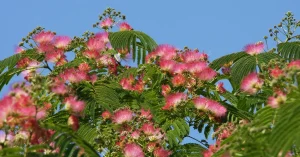
How to Grow Persian Silk Trees Easily in Your Garden
If you’re looking for a tree that brings a soft, tropical feel to your garden,
04
Aug
Aug
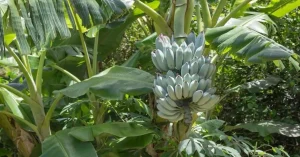
How to Grow Blue Java Banana Trees: A Beginner’s Guide
Have you ever heard of the Blue Java banana tree? If not, you’re in for
28
Jun
Jun
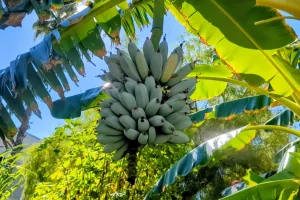
5 Common Blue Java Banana Tree Problems and How to Fix Them
Have you ever looked at your Blue Java banana tree (aka “ice cream banana”) and
19
Jun
Jun
Top 10 Plants for Father’s Day to Honor Dad This Father’s Day
Father’s Day is a special time to show your dad just how much he means
19
Jun
Jun
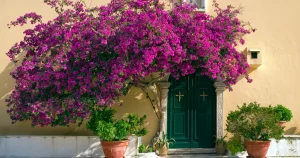
The Comprehensive Guide to Growing Bougainvillea for Colorful Blooms
Have you ever wanted your garden to be filled with brilliant color and tropical energy
19
Jun
Jun
How to Successfully Plant Bare Root Strawberries in Containers
Have you ever wondered about planting strawberries in containers, but aren’t sure where to begin?
11
Jun
Jun
Top 5 Easiest Ornamental Trees to Grow for Beginners
Ever feel overwhelmed by the idea of planting a tree in your yard? You’re not
11
Jun
Jun

Growing Glencoe Raspberry: A Complete Guide for Gardeners
If you’re looking to add something unique to your garden, look no further than the
31
Mar
Mar