5 Weeping Willow Tree Live Plant – 12-24in Tall Bare Root Salix babylonica Outdoor Screening Tree
-20%






5 Weeping Willow Tree Live Plant – 12-24in Tall Bare Root Salix babylonica Outdoor Screening Tree
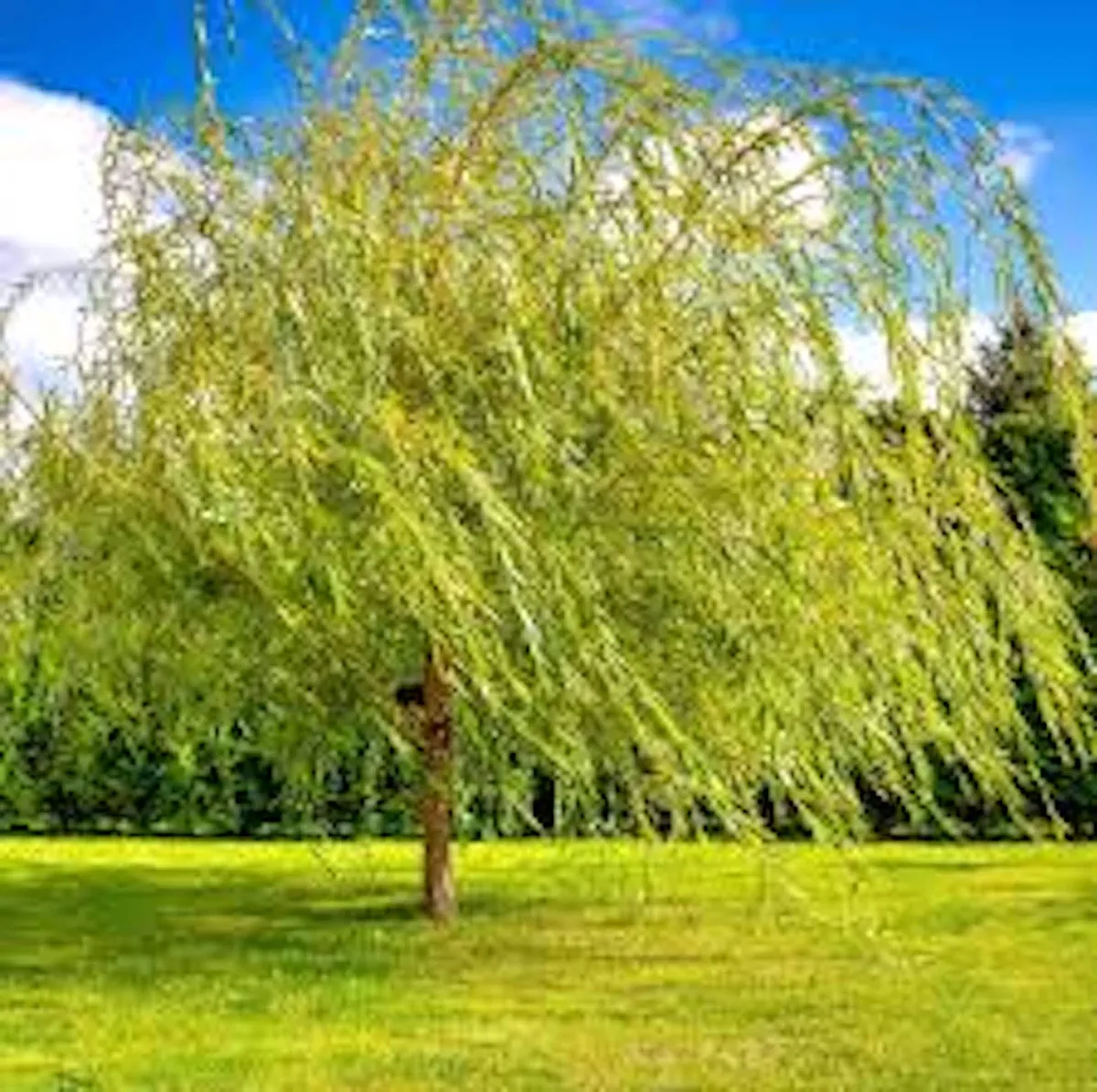
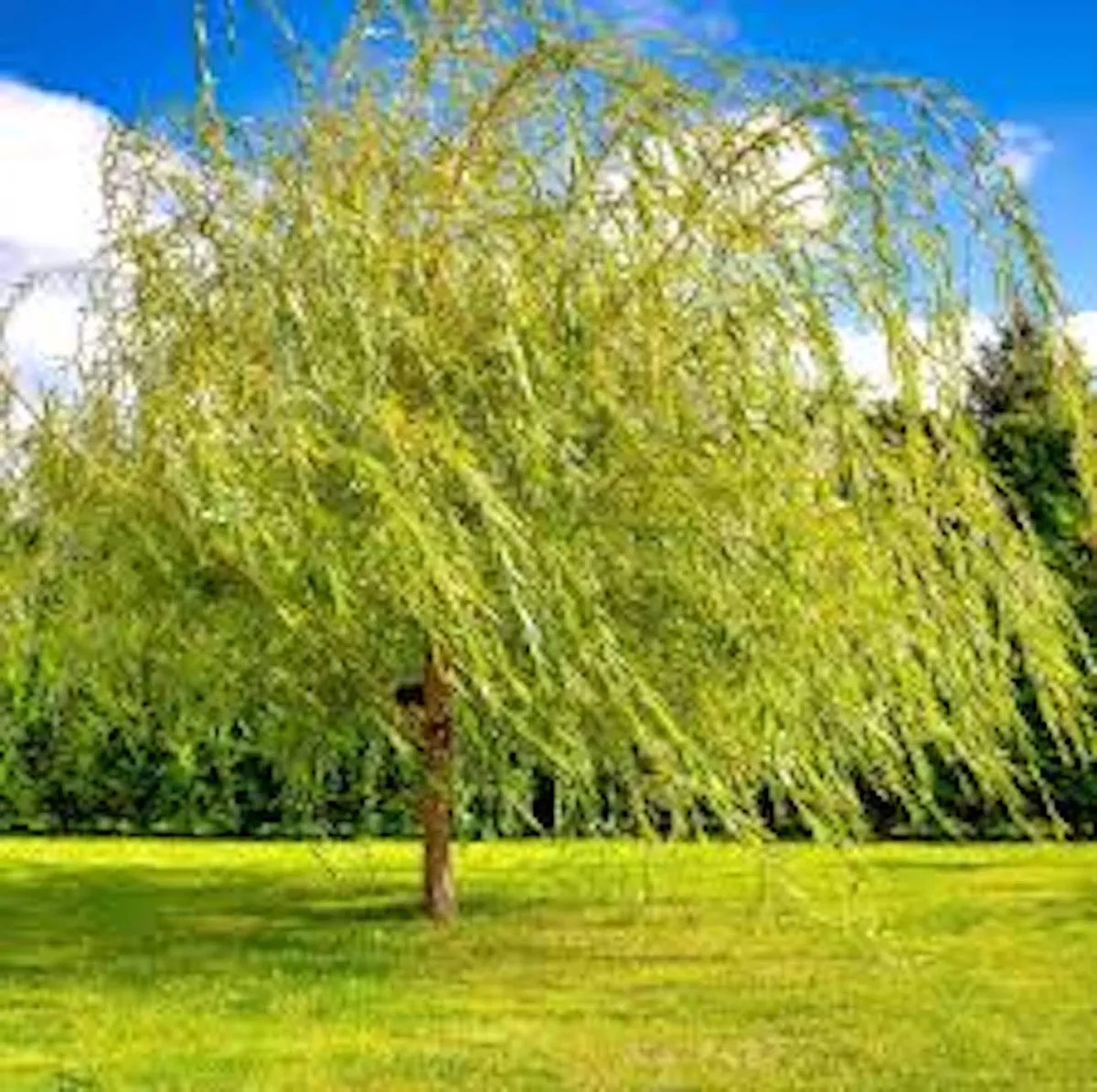
Bring graceful beauty to your garden with this bundle of 5 Weeping Willow Tree live plant specimens. Each bare root willow measures 12-24 inches tall, ready to establish quickly. Known for their fast growth and elegant cascading branches, these salix babylonica tree are ideal for creating a stunning focal point or natural screen in your landscape.
Original price was: $96.00.$76.80Current price is: $76.80.

With our Alive & Thrive Guarantee, we’ve got your back for the first 30 days! If you have any concerns about your plants, just reach out to us. Our team is here to help answer your questions and guide you in selecting the best plants for your garden, climate, and unique preferences. We're excited to help you create the garden of your dreams!
Estimated arrival
Apr 12
Apr 17 - Apr 19
Apr 22 - Apr 26






Product Details
-
USDA Hardiness Zone
USDA Zones 6-8 -
Soil type
Well-drained, moderately wet soil -
Sunlight Exposure
Full sun or partial shade -
Expected Planting Period
Early spring
Overview
Introduce a touch of classic elegance to your outdoor space with the weeping willow live plant. This offering includes five vigorous weeping willow live plant specimens, each measuring 12-24 inches tall and shipped as bare roots. Scientifically known as Salix babylonica, the Weeping Willow is celebrated for its distinctive long, drooping branches that create a picturesque, serene atmosphere. These trees are excellent choices for adding vertical interest, providing shade, or establishing a natural privacy screen. The salix babylonica tree is a beloved ornamental species, renowned for its rapid growth and adaptability to various soil conditions, making it a rewarding addition for both novice and experienced gardeners seeking a majestic landscape feature.
Key Benefits
The weeping willow live plant offers numerous advantages for your garden and landscape, transforming ordinary spaces into tranquil havens. Its unique characteristics contribute significantly to both aesthetic appeal and environmental well-being.
- Stunning Aesthetic Appeal: The most striking feature of the Weeping Willow is its graceful, cascading branches that sweep towards the ground. This unique form creates a dramatic focal point in any landscape, adding movement and visual interest, especially when planted near water features or as a solitary specimen.
- Rapid Growth & Shade: Known as a fast growing shade tree, the Weeping Willow quickly establishes itself and provides ample shade. Its rapid growth rate means you won’t have to wait long to enjoy the benefits of a mature, shady canopy, perfect for cooling your yard in summer.
- Erosion Control: With its extensive, shallow root system, the salix babylonica tree is highly effective at stabilizing soil, particularly in areas prone to erosion near ponds, streams, or sloped landscapes. This makes it a practical choice for challenging garden spots.
- Wildlife Habitat: The dense foliage and branching structure offer shelter and nesting sites for various bird species, contributing to local biodiversity. The tree can also attract beneficial insects, enriching your garden ecosystem.
- Versatile Landscaping Use: Whether you desire a majestic specimen tree, a living privacy screen, or an elegant addition to a waterside planting, the weeping willow live plant adapts beautifully to many landscaping roles. Its distinctive silhouette is recognizable and admired globally.
- Adaptable & Resilient: These trees are remarkably tolerant of a wide range of soil types and moisture levels, thriving in conditions that might challenge other species. This resilience makes weeping willow tree care relatively straightforward, even for those new to tree planting.
- Bare Root Advantage: Shipping as a bare root willow means the plant establishes quickly into its new environment, often with less transplant shock than potted alternatives. This method encourages robust root development from the start.
Plant Care & Growing Tips
Proper weeping willow tree care ensures your weeping willow live plant thrives and develops into a magnificent specimen. These trees are generally low-maintenance once established but benefit from specific attention during their early stages.
Sunlight Requirements: The Weeping Willow prefers full sun to partial shade, meaning it needs at least 6 hours of direct sunlight per day to achieve its best growth and form. While it can tolerate some shade, ample sunlight promotes denser foliage and stronger branch development. Position your salix babylonica tree where it will receive plenty of light throughout the day.
Watering Schedule and Soil Moisture: These trees love moisture. They prefer well-drained, moderately wet soil, making them ideal for planting near ponds, streams, or in areas with naturally high water tables. During dry periods, especially in the first few years after planting, ensure consistent watering to keep the soil moist but not waterlogged. Established trees are more tolerant of varying moisture levels but will always perform best with adequate hydration. The bare root willow will need regular watering immediately after planting to encourage root establishment.
Soil Type and Drainage: Salix babylonica is adaptable to a range of soil types, including sandy or heavy clay soils, but it truly thrives in moist, fertile, well-draining soil. Good drainage is essential to prevent root rot, even though the tree enjoys wet conditions. Amending heavy clay soils with organic matter can improve drainage and aeration, benefiting your weeping willow live plant.
Temperature Range and USDA Hardiness Zone: Weeping Willows are hardy and can withstand a significant range of temperatures. They are typically suited for USDA Hardiness Zones 6-8, meaning they can tolerate winter temperatures down to -10°F (-23°C). In colder zones, extra winter protection for young trees might be beneficial. In warmer zones, ensure consistent moisture during hot, dry spells.
Fertilization: Generally, Weeping Willows do not require heavy fertilization. A balanced, slow-release fertilizer can be applied in early spring, especially for young trees, to support vigorous growth. Follow package instructions carefully to avoid over-fertilization, which can harm the tree. For mature trees, a layer of compost around the base can provide sufficient nutrients.
Common Problems and Solutions: Weeping Willows can be susceptible to certain pests and diseases, such as aphids, willow leaf beetles, and canker. Regular inspection can help detect issues early. Good air circulation and proper watering practices can prevent many fungal diseases. Pruning any dead or diseased branches promptly is also crucial for maintaining tree health and vigor, which is an important aspect of weeping willow tree care.
Size & Details
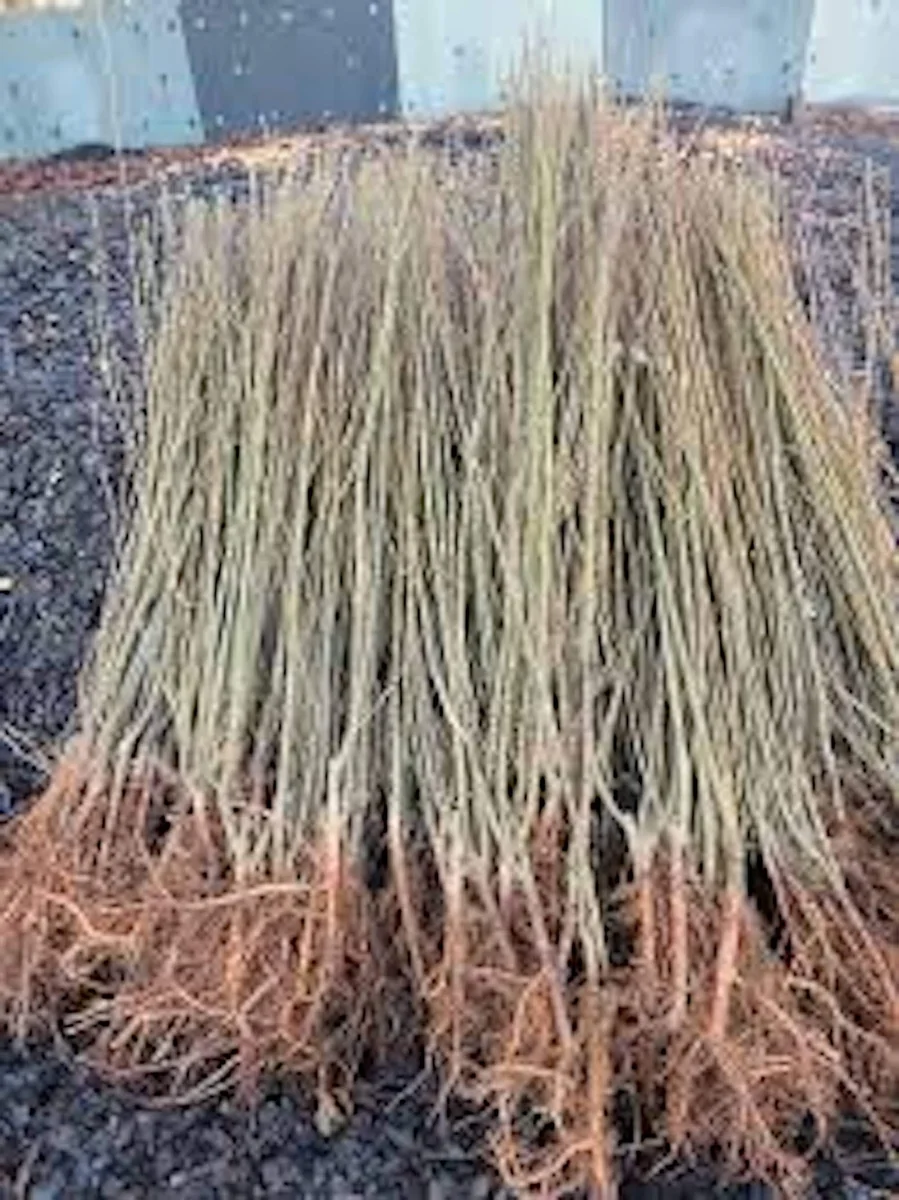
This offering includes five (5) weeping willow live plant specimens, each supplied as a bare root willow. Upon arrival, these bare roots will measure approximately 12-24 inches tall, providing a robust start for your new trees. Weeping Willows are renowned for their rapid growth rate, quickly developing into impressive landscape features. A mature salix babylonica tree typically reaches heights of 65 to 85 feet (19.8 – 25.9 meters) with a similar spread, forming a broad, majestic crown. Their roots spread shallowly and widely, making them excellent for erosion control but also something to consider when planting near underground pipes or foundations. These trees are expected to establish quickly and begin showcasing their iconic weeping form within a few growing seasons, contributing to their reputation as a fast growing shade tree.
Frequently Asked Questions
- Q: How big does this weeping willow live plant get? A: A mature Weeping Willow typically reaches an impressive height of 65 to 85 feet with a similar spread, creating a very broad and graceful canopy.
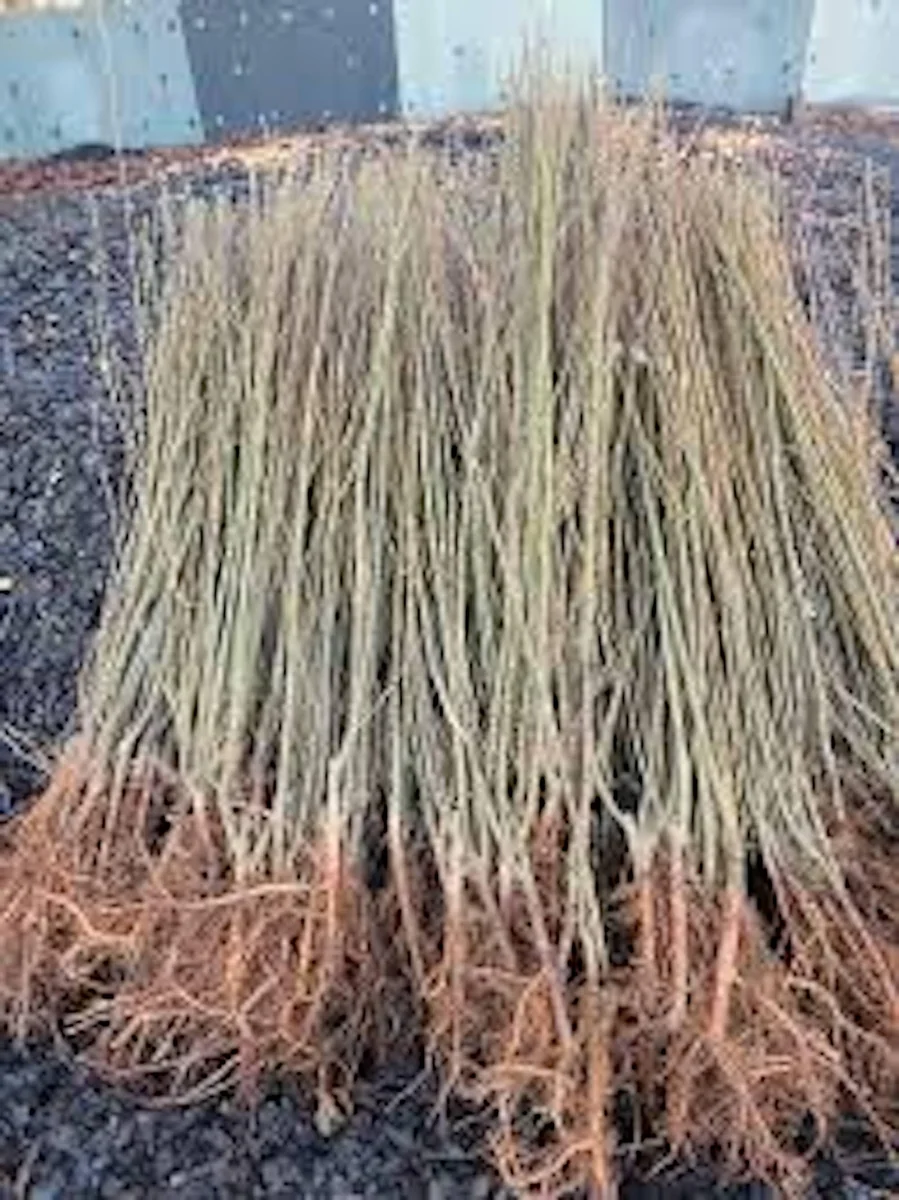
- Q: What size pot does it come in? A: These Weeping Willows are shipped as 12-24 inch tall bare roots, not in pots. This allows for easier transplanting and encourages rapid root establishment.
- Q: Is this an indoor or outdoor plant? A: The weeping willow live plant is an outdoor tree, primarily grown for landscaping purposes in gardens, parks, and along waterways. It is not suitable for indoor cultivation.
- Q: How much sunlight does it need? A: For optimal growth and health, your salix babylonica tree requires full sun to partial shade, meaning at least 6 hours of direct sunlight per day.
- Q: Is this plant easy to care for? A: Yes, weeping willow tree care is generally considered easy. They are adaptable and resilient, especially once established, though consistent moisture is key in their early years.
- Q: What condition will the bare root willow arrive in? A: Your plants will arrive as dormant bare roots, meaning they will not have leaves and will appear to be just roots and stems. This is normal for bare root plants and ensures a successful transplant.
- Q: How long until it blooms? A: Weeping Willows produce small, inconspicuous catkins (flowers) in spring, typically within a few years of planting once the tree has matured enough to flower.
- Q: When is the best time to plant a bare root willow? A: The ideal time to plant bare root Weeping Willows is in early spring, after the last frost, but before the tree breaks dormancy and begins to leaf out.
- Q: Will it survive winter in my zone? A: Weeping Willows are hardy in USDA Zones 6-8. If you are within these zones, your tree should survive winter without special protection once established.
- Q: What’s the minimum temperature this tree can tolerate? A: The salix babylonica tree can tolerate winter temperatures down to approximately -10°F (-23°C), which corresponds to USDA Zone 6.
Related products


-10%
Original price was: $36.99.$33.29Current price is: $33.29.
PLANTING & CARE

Growing Glencoe Raspberry: A Complete Guide for Gardeners
If you’re looking to add something unique to your garden, look no further than the
31
Mar
Mar

The Comprehensive Guide to Growing Bay Leaf Plants for a Flavorful Garden
Imagine stepping into your garden, greeted by the earthy aroma of fresh bay leaves, their
09
Feb
Feb

How to Make Comfrey Tea: The Ultimate Organic Plant Food
Growing an organic garden can be surprisingly expensive, especially when most store-bought fertilizers come in
02
Feb
Feb

True Comfrey: 7 Essential Tips Before You Plant This Herb
A staple in permaculture practices across the US, True Comfrey easily earns its reputation as
27
Jan
Jan

7 Heart-Shaped Plants for a Lasting Valentine’s Gift
If you’ve ever bought a bouquet of roses for Valentine’s Day, you know they are
26
Jan
Jan

Best Types of Ivy Plant for Houses: How to Choose the Perfect Ones for Your Home
Are you a garden lover looking to introduce some greenery into your home? Maybe you’ve
14
Nov
Nov

When to Harvest Garlic (Especially Fall-Planted Garlic)
TIMING IS EVERYTHING, they say – and for garlic, that truth hits with surprising accuracy.
13
Nov
Nov

11 of the Best Sweet Potato Varieties to Grow for Your Garden
If you’ve ever tried growing sweet potatoes, you know that picking the right variety can
12
Nov
Nov