Allspice Tree Live Plant 3-4 ft Tall – Pimenta dioica – Potted, Green
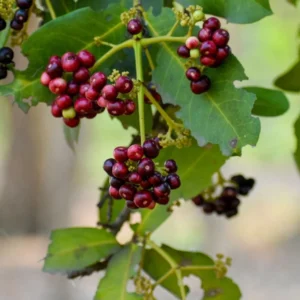
Allspice Tree Live Plant 3-4 ft Tall – Pimenta dioica – Potted, Green
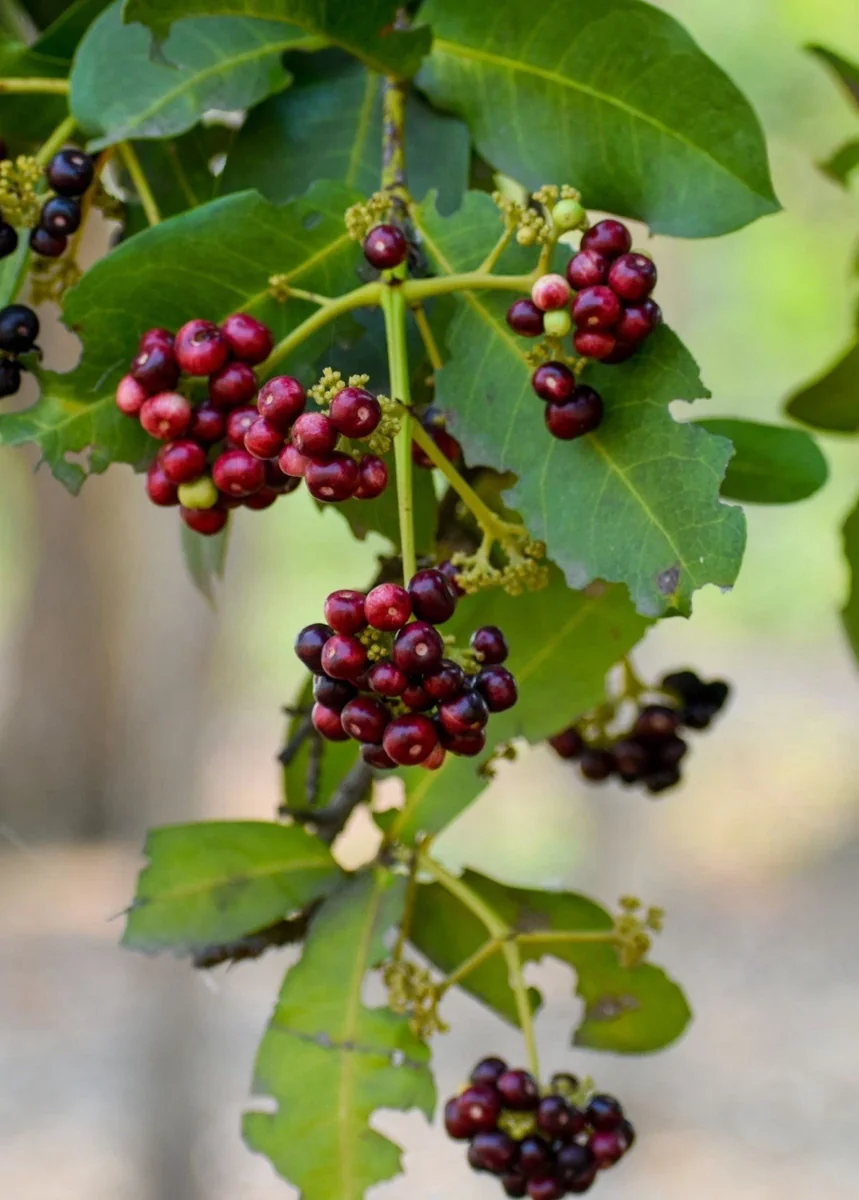
Bring the exotic aroma of the Caribbean to your home with this beautiful allspice tree live plant. Standing 3-4 feet tall, this Pimenta dioica tree is perfect for adding a tropical touch to your garden or patio. Enjoy its lush green foliage and the potential for harvesting your own allspice berries. This pimenta dioica plant is a wonderful addition for both ornamental beauty and culinary use.
$150.00

With our Alive & Thrive Guarantee, we’ve got your back for the first 30 days! If you have any concerns about your plants, just reach out to us. Our team is here to help answer your questions and guide you in selecting the best plants for your garden, climate, and unique preferences. We're excited to help you create the garden of your dreams!
Estimated arrival
Apr 01
Apr 06 - Apr 08
Apr 11 - Apr 15
Product Details
-
USDA Hardiness Zone
USDA zones 9-11 -
Soil type
Well-draining potting mix -
Sunlight Exposure
Full sun to partial shade -
Expected Planting Period
Year-round indoors, spring to early summer outdoors
Overview
Discover the unique charm and aromatic delights of the allspice tree live plant. Also known as Pimenta dioica, this versatile tree is famed for its leaves and berries, which carry the combined fragrances of cloves, cinnamon, and nutmeg. Originating from the Greater Antilles, southern Mexico, and Central America, the allspice tree is a beautiful evergreen that can thrive in suitable climates or be grown in containers in cooler regions. This particular specimen stands an impressive 3-4 feet tall, offering a significant presence from the moment it arrives. Whether you’re a seasoned gardener looking for a unique culinary ingredient or a plant enthusiast seeking an exotic addition to your collection, the allspice tree live plant promises both beauty and utility.
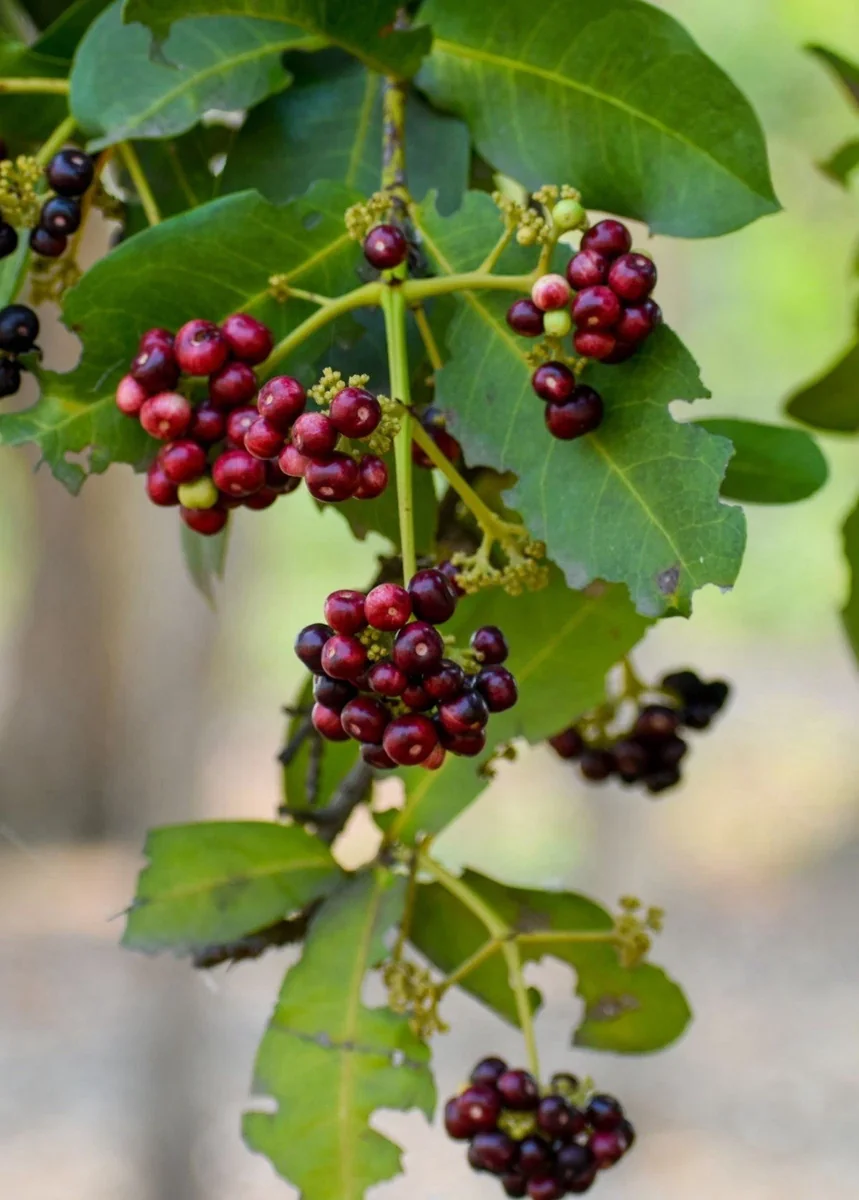
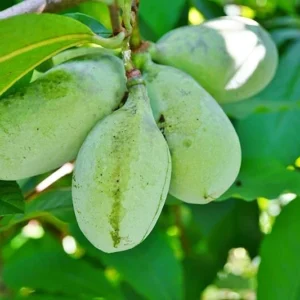
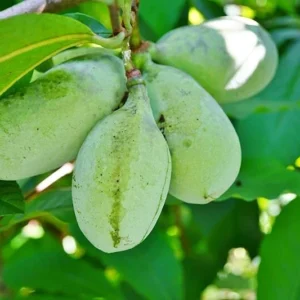
The Pimenta dioica is a medium-sized tree in its native habitat, but when cultivated outside of tropical zones, it can be maintained at a manageable size with proper care. Its glossy, dark green leaves are not only attractive but also release a wonderful aroma when crushed. The tree produces small white flowers, followed by green berries that ripen to a purplish-black. These berries are harvested and dried to create the familiar allspice seasoning. Growing your own pimenta dioica plant allows you to experience the fresh, potent flavor that’s often diluted in store-bought versions.
Key Benefits
Cultivating an allspice tree live plant offers a multitude of benefits, from its aesthetic appeal to its practical culinary uses. This remarkable plant is a truly rewarding addition to any home or garden.
- Aromatic Foliage and Berries: The leaves and berries of the allspice tree live plant emit a delightful fragrance, reminiscent of cloves, cinnamon, and nutmeg. This natural aroma can enhance your garden’s ambiance or fill your home with a fresh, spicy scent.
- Culinary Versatility: The dried berries are a staple in many cuisines, providing a distinct warm and spicy flavor to both sweet and savory dishes. You can also use the fresh leaves as a seasoning, much like bay leaves.
- Ornamental Value: With its lush green foliage and attractive growth habit, the Pimenta dioica makes an excellent ornamental tree. It can serve as a focal point in a tropical-themed garden or as a striking container plant.
- Air Purification: Like many live plants, the allspice tree contributes to a healthier indoor environment by naturally filtering air and producing oxygen, making it a great choice for indoor cultivation in temperate zones.
- Unique Garden Addition: Stand out from typical garden varieties with this exotic and relatively rare plant. It’s an excellent conversation starter and a unique way to expand your gardening horizons.
- Pet and Child Friendly: The allspice tree is considered safe for both children and pets, offering peace of mind for families.
- Potential for Home Spice Production: For those interested in self-sufficiency, growing an allspice tree live plant provides the exciting opportunity to harvest and process your own allspice berries.
Plant Care & Growing Tips
Caring for your allspice tree live plant requires attention to its preferred tropical conditions, but it is a rewarding experience. This tree thrives in conditions that mimic its native environment. For sunlight, the Pimenta dioica prefers full sun to partial shade. If growing indoors, place it near a south-facing window where it can receive at least 6-8 hours of bright, direct sunlight daily. Outdoors, ensure it’s in a spot that gets ample sun, especially in cooler climates to encourage growth and fruit production.
When it comes to watering, the allspice tree prefers consistently moist, but not waterlogged, soil. Water thoroughly when the top inch of soil feels dry to the touch. Ensure excellent drainage to prevent root rot, which is a common issue for many tropical plants. A good quality, well-draining potting mix is essential, ideally one that contains peat, perlite, or sand to improve aeration. The ideal temperature range for an allspice tree is between 60-80°F (15-27°C). It is not frost-tolerant, so if you live outside USDA zones 9-11, it’s best to grow this pimenta dioica plant in a container that can be moved indoors during colder months. Fertilize your allspice tree during the growing season (spring and summer) every 2-4 weeks with a balanced liquid fertilizer. Reduce fertilization in fall and winter. Watch out for common pests like spider mites or mealybugs, especially in dry indoor environments; regular inspection and neem oil treatments can help manage these issues. Learning how to grow allspice successfully involves understanding these fundamental needs.
Size & Details
This offering is for one allspice tree live plant, which stands approximately 3 to 4 feet tall. It arrives as a healthy, established plant, typically potted in a nursery container to ensure its well-being during transit and for easy transplanting. The tree exhibits a moderate growth rate, and with optimal care, it can reach a significant size over time, especially when planted in the ground in suitable climates. In containers, its size can be managed with pruning, making it adaptable to various spaces. The glossy green leaves are ovate and contribute to the plant’s dense and attractive canopy. While specific dimensions of the pot are unknown, it will be appropriately sized for a tree of this height. Expect this fragrant spice plant to be a robust and vibrant addition to your collection, ready to thrive in its new home. It will begin producing its aromatic leaves immediately, with berries developing as the tree matures, typically after a few years.
Frequently Asked Questions
- Q: How big does this allspice tree get? A: This allspice tree live plant is currently 3-4 feet tall. In its native tropical environment, it can grow much larger, but when grown in a container, its size can be managed with regular pruning to suit your space.
- Q: Is this an indoor or outdoor plant? A: The allspice tree can be grown outdoors in USDA Zones 9-11. In cooler climates, it is best grown indoors as a potted plant or moved indoors during winter months to protect it from frost.
- Q: How much sunlight does the pimenta dioica plant need? A: This plant thrives in full sun to partial shade. If growing indoors, place it in a location that receives at least 6-8 hours of bright, direct sunlight daily for optimal growth and health.
- Q: Is this plant easy to care for? A: While it requires attention to its tropical needs, particularly regarding warmth and humidity, the pimenta dioica plant is relatively easy to care for once its basic requirements are met. It’s a great choice for intermediate gardeners.
- Q: Can I use the leaves and berries for cooking? A: Yes, both the leaves and the dried berries of the allspice tree are excellent for culinary use. The leaves can be used fresh like bay leaves, and the berries, once dried, provide the classic allspice flavor.
- Q: When is the best time to plant an allspice tree? A: If planting outdoors in a suitable climate, spring or early summer is ideal. If growing in a container, you can plant it year-round, ensuring it has adequate light and warmth.
- Q: What kind of soil does this fragrant spice plant prefer? A: The allspice tree prefers a well-draining, fertile soil mix. Amend heavy soils with organic matter to improve drainage. A potting mix designed for tropical plants is often suitable for container growing.
- Q: Will this tree produce berries? A: Yes, mature allspice tree live plant specimens will produce berries. It typically takes a few years for the tree to reach fruiting maturity, but with proper care and sufficient light, you can expect a harvest.
- Q: Is the allspice tree pet-safe? A: Yes, the allspice tree is generally considered non-toxic to pets and children, making it a safe choice for family environments.
- Q: What is the ideal temperature for growing allspice tree? A: The ideal temperature range for the allspice tree is between 60-80°F (15-27°C). It is sensitive to cold and should be protected from temperatures below 50°F (10°C).
Related products
-10%
Original price was: $36.99.$33.29Current price is: $33.29.
-20%
Original price was: $90.00.$72.00Current price is: $72.00.
-50%
Original price was: $73.98.$36.99Current price is: $36.99.
-10%
Original price was: $80.99.$72.89Current price is: $72.89.
PLANTING & CARE

Growing Glencoe Raspberry: A Complete Guide for Gardeners
If you’re looking to add something unique to your garden, look no further than the
31
Mar
Mar

The Comprehensive Guide to Growing Bay Leaf Plants for a Flavorful Garden
Imagine stepping into your garden, greeted by the earthy aroma of fresh bay leaves, their
09
Feb
Feb

How to Make Comfrey Tea: The Ultimate Organic Plant Food
Growing an organic garden can be surprisingly expensive, especially when most store-bought fertilizers come in
02
Feb
Feb

True Comfrey: 7 Essential Tips Before You Plant This Herb
A staple in permaculture practices across the US, True Comfrey easily earns its reputation as
27
Jan
Jan

7 Heart-Shaped Plants for a Lasting Valentine’s Gift
If you’ve ever bought a bouquet of roses for Valentine’s Day, you know they are
26
Jan
Jan

Best Types of Ivy Plant for Houses: How to Choose the Perfect Ones for Your Home
Are you a garden lover looking to introduce some greenery into your home? Maybe you’ve
14
Nov
Nov

When to Harvest Garlic (Especially Fall-Planted Garlic)
TIMING IS EVERYTHING, they say – and for garlic, that truth hits with surprising accuracy.
13
Nov
Nov

11 of the Best Sweet Potato Varieties to Grow for Your Garden
If you’ve ever tried growing sweet potatoes, you know that picking the right variety can
12
Nov
Nov