American Chestnut Live Plant – Castanea dentata Seedling – Up to 2-3 ft Tall – Outdoor
-50%
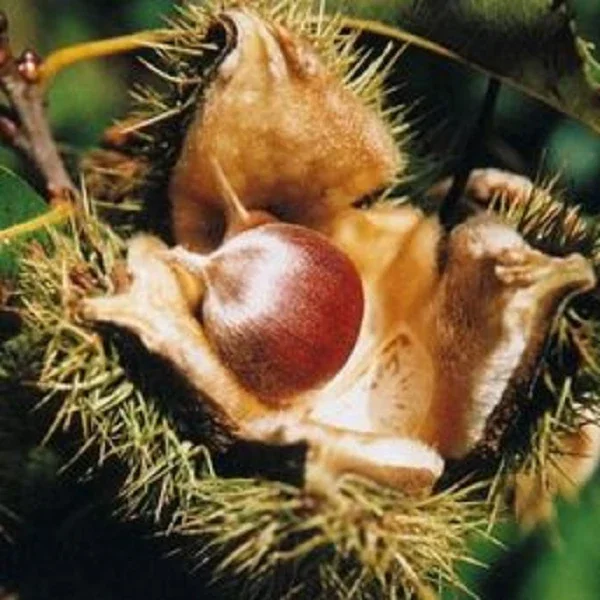
American Chestnut Live Plant – Castanea dentata Seedling – Up to 2-3 ft Tall – Outdoor
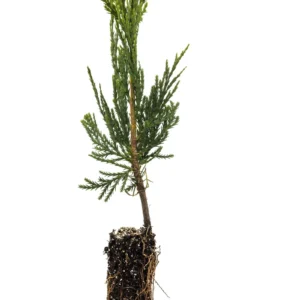
Bring home a piece of American history with this American chestnut live plant. This American chestnut seedling, up to 3 ft tall, is ideal for outdoor planting and offers a chance to reintroduce this iconic outdoor chestnut tree to your landscape. Known for its strong growth and majestic presence.
Original price was: $81.98.$40.99Current price is: $40.99.

With our Alive & Thrive Guarantee, we’ve got your back for the first 30 days! If you have any concerns about your plants, just reach out to us. Our team is here to help answer your questions and guide you in selecting the best plants for your garden, climate, and unique preferences. We're excited to help you create the garden of your dreams!
Estimated arrival
Apr 03
Apr 08 - Apr 10
Apr 13 - Apr 17
Product Details
-
USDA Hardiness Zone
USDA zones 4-8 -
Soil type
Well-draining, slightly acidic to neutral soil (pH 5.5-6.5) -
Sunlight Exposure
Full sun to partial shade (6+ hours direct sun) -
Expected Planting Period
Spring or Fall
Overview
Embark on a journey to restore a legendary species with your very own American chestnut live plant. This beautiful and resilient Castanea dentata seedling, standing up to 3 feet tall, represents a vital step in the revival of the iconic American chestnut tree. Once a dominant force in Eastern American forests, the Castanea dentata tree was nearly wiped out by chestnut blight in the early 20th century. Today, efforts are underway to cultivate disease-resistant varieties, and by planting an American chestnut seedling, you contribute to this important conservation work. These young trees are robust and ready to thrive in suitable outdoor environments, offering not just a plant but a piece of living history and a future legacy for generations to come. This particular specimen is a vibrant, healthy seedling, prepared to establish itself and grow into a magnificent mature tree.
Key Benefits
Owning an American chestnut live plant comes with a multitude of benefits, from ecological impact to personal satisfaction. These trees are more than just additions to your garden; they are symbols of resilience and hope.
- Ecological Restoration: By planting an American chestnut live plant, you actively participate in the critical effort to restore a once-dominant species to its native habitat, supporting biodiversity and ecosystem health.
- Wildlife Support: Mature American chestnut trees produce abundant, nutritious nuts that are a vital food source for a wide array of wildlife, including deer, turkeys, squirrels, and bears, enriching your local ecosystem.
- Historical Significance: Growing an American chestnut seedling connects you to a rich part of American natural history, allowing you to witness the resurgence of a tree that played a crucial role in the nation’s forests and economy.
- Stately Landscape Addition: As it matures, the Castanea dentata tree develops into a large, stately specimen with a broad canopy, providing significant shade and a majestic presence in any landscape.
- Sustainable Timber Potential: Historically, American chestnut wood was highly prized for its strength, rot resistance, and straight grain. While a long-term benefit, successful reintroduction could eventually lead to sustainable timber resources.
- Educational Opportunity: Planting and nurturing an outdoor chestnut tree offers a unique educational experience for families and communities, teaching about plant biology, ecological challenges, and conservation efforts.
Plant Care & Growing Tips
Caring for your American chestnut live plant is a rewarding experience that requires attention to specific environmental conditions to ensure its healthy growth. These trees thrive best when given the right start.
Sunlight requirements: The Castanea dentata tree needs full sun to partial shade, ideally receiving at least 6 hours of direct sunlight per day. While young seedlings can tolerate some shade, mature trees will be more robust and productive in full sun. Ensure your chosen planting site provides ample light throughout the day for optimal development of your American chestnut seedling.
Watering schedule and soil moisture preferences: Young American chestnut live plant specimens require consistent moisture, especially during their first few years. Water deeply once or twice a week, or more frequently during dry spells, ensuring the soil remains evenly moist but not waterlogged. Once established, they are moderately drought-tolerant but will benefit from supplemental watering during prolonged dry periods. Good drainage is crucial to prevent root rot.
Soil type and drainage requirements: American chestnuts prefer well-draining, slightly acidic to neutral soil (pH 5.5-6.5). Sandy loams are ideal, but they can adapt to a range of soil types as long as drainage is excellent. Avoid heavy clay soils or areas prone to standing water. Incorporating organic matter can improve soil structure and fertility. This outdoor chestnut tree appreciates a soil that mimics its native forest floor environment.
Temperature range and USDA hardiness zone: The Castanea dentata tree is hardy in USDA zones 4-8. It can withstand cold winters and hot summers within this range. Protection from harsh winter winds may be beneficial for very young seedlings in the colder parts of its range. Ensure your local climate falls within these zones for the best chance of success for your blight-resistant chestnut.
Fertilization schedule and type: Fertilize sparingly, if at all, during the first year after planting. Once established, a balanced, slow-release fertilizer can be applied in early spring before new growth begins. Avoid high-nitrogen fertilizers, which can promote leafy growth at the expense of root development. Soil tests can help determine specific nutrient deficiencies.
Common problems and solutions: The primary historical threat to the American chestnut is chestnut blight. Modern efforts focus on developing blight-resistant chestnut varieties. Beyond blight, watch for common tree pests and diseases such as cankers or borers. Good air circulation and proper watering practices can help prevent fungal issues. Protect young trees from deer browse with physical barriers.
Size & Details
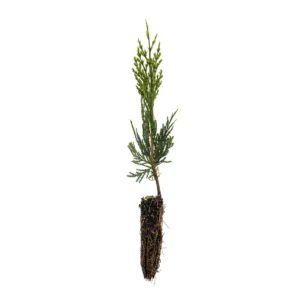
This American chestnut live plant is offered as a healthy seedling, typically ranging up to 3 feet tall at the time of shipment. As a fast-growing species, your American chestnut seedling will quickly establish itself and begin to put on significant height each year. While the exact mature height can vary based on growing conditions, a mature Castanea dentata tree can reach impressive heights of 80 to 100 feet or more, with a spread of 40-50 feet, creating a magnificent canopy. This tree is shipped as a bare root seedling or in a small nursery pot, carefully packaged to ensure its safe arrival. Expect visible growth and establishment within the first growing season, with the tree developing its characteristic elongated leaves and sturdy branches. The goal is to cultivate a robust outdoor chestnut tree that contributes to the ongoing restoration efforts of this vital species.
Frequently Asked Questions
- Q: How big does this American chestnut live plant get? A: This particular offering is an American chestnut seedling up to 3 feet tall. However, a mature Castanea dentata tree can grow to be 80-100 feet tall or more, with a spread of 40-50 feet, becoming a truly majestic specimen over time.
- Q: Is this an indoor or outdoor chestnut tree? A: The American chestnut live plant is an outdoor tree, best suited for planting in gardens, forests, or larger landscapes where it has ample space to grow and thrive. It is not recommended as an indoor plant.
- Q: How much sunlight does the American chestnut seedling need? A: This tree prefers full sun to partial shade, meaning it should receive at least 6 hours of direct sunlight daily for optimal growth and health. Ensure it’s planted in a location that gets plenty of light.
- Q: Is this American chestnut blight-resistant? A: While the exact resistance level can vary, modern breeding programs focus on developing blight-resistant chestnut varieties. This seedling is part of the effort to reintroduce the species, and its genetics are geared towards improved resilience against the blight.
- Q: When is the best time to plant the outdoor chestnut tree? A: The best time to plant an American chestnut live plant is typically in the spring or fall when temperatures are moderate and there’s less stress on the young tree. This allows it to establish its root system before extreme weather.
- Q: What type of soil is best for an American chestnut? A: The Castanea dentata tree thrives in well-draining, slightly acidic to neutral soil (pH 5.5-6.5). Avoid heavy clay or waterlogged areas. Amending with organic matter can improve soil structure.
- Q: What condition will the American chestnut live plant arrive in? A: Your American chestnut live plant will arrive as a healthy seedling, either bare root or in a small nursery pot, carefully packaged to ensure its vitality during transit. It will be ready for immediate planting upon arrival.
- Q: Is this American chestnut seedling suitable for beginners? A: While growing an outdoor chestnut tree requires some basic tree care knowledge, it is generally manageable for beginners who are willing to provide the necessary sunlight, water, and well-draining soil conditions.
- Q: How long does it take for a Castanea dentata tree to produce nuts? A: Castanea dentata tree specimens typically begin producing nuts within 5-7 years, though this can vary based on growing conditions and specific genetics. Nut production increases significantly as the tree matures.
Related products
-10%
Original price was: $23.99.$21.59Current price is: $21.59.
-20%
Original price was: $90.00.$72.00Current price is: $72.00.
PLANTING & CARE

Growing Glencoe Raspberry: A Complete Guide for Gardeners
If you’re looking to add something unique to your garden, look no further than the
31
Mar
Mar

The Comprehensive Guide to Growing Bay Leaf Plants for a Flavorful Garden
Imagine stepping into your garden, greeted by the earthy aroma of fresh bay leaves, their
09
Feb
Feb

How to Make Comfrey Tea: The Ultimate Organic Plant Food
Growing an organic garden can be surprisingly expensive, especially when most store-bought fertilizers come in
02
Feb
Feb

True Comfrey: 7 Essential Tips Before You Plant This Herb
A staple in permaculture practices across the US, True Comfrey easily earns its reputation as
27
Jan
Jan

7 Heart-Shaped Plants for a Lasting Valentine’s Gift
If you’ve ever bought a bouquet of roses for Valentine’s Day, you know they are
26
Jan
Jan

Best Types of Ivy Plant for Houses: How to Choose the Perfect Ones for Your Home
Are you a garden lover looking to introduce some greenery into your home? Maybe you’ve
14
Nov
Nov

When to Harvest Garlic (Especially Fall-Planted Garlic)
TIMING IS EVERYTHING, they say – and for garlic, that truth hits with surprising accuracy.
13
Nov
Nov

11 of the Best Sweet Potato Varieties to Grow for Your Garden
If you’ve ever tried growing sweet potatoes, you know that picking the right variety can
12
Nov
Nov