American Elderberry Bareroot Live Plants – Sambucus canadensis – 12-18 inches
-50%
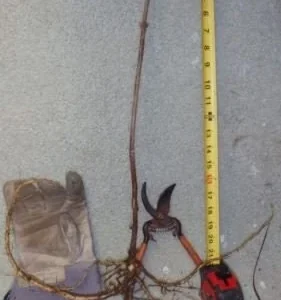
American Elderberry Bareroot Live Plants – Sambucus canadensis – 12-18 inches
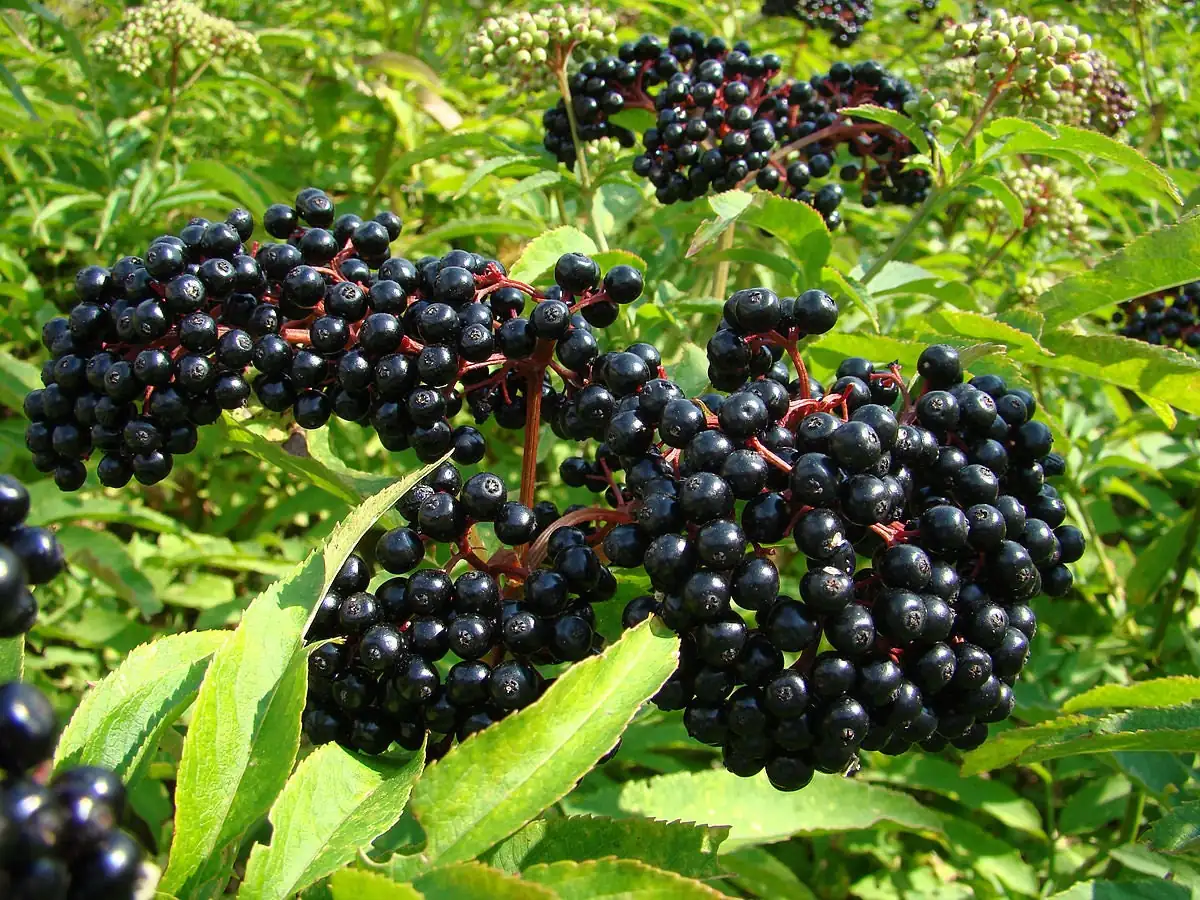
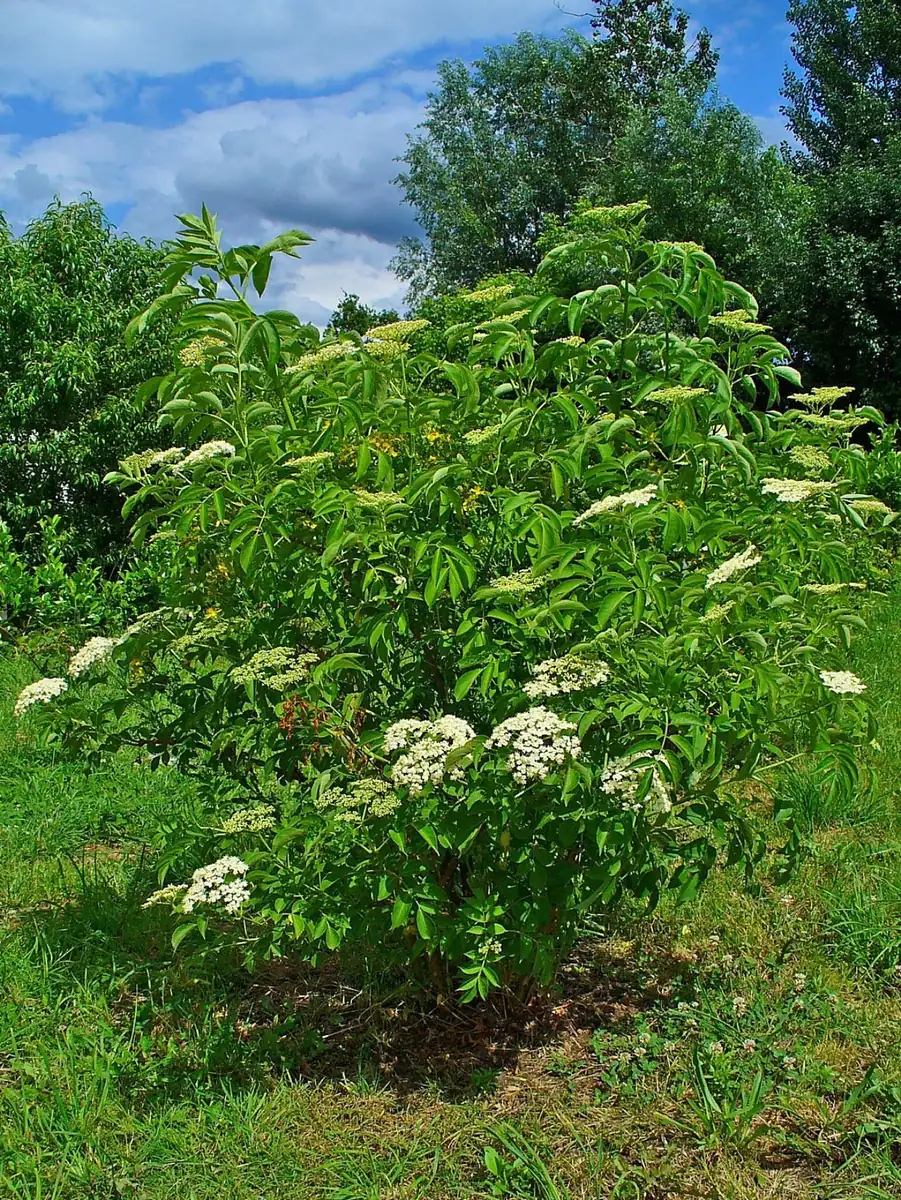
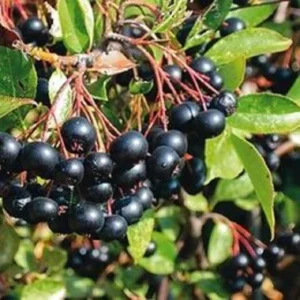
Bring the beauty and bounty of the cold hardy American Elderberry (Sambucus canadensis) to your garden. These 12-18 inch bareroot plants mature into large bushes, offering fragrant white blooms, attracting pollinators, and producing delicious red-purple berries. Perfect for USDA Zones 3-9, they’re an excellent addition for both ornamental appeal and edible harvests.
Original price was: $99.80.$49.90Current price is: $49.90.

With our Alive & Thrive Guarantee, we’ve got your back for the first 30 days! If you have any concerns about your plants, just reach out to us. Our team is here to help answer your questions and guide you in selecting the best plants for your garden, climate, and unique preferences. We're excited to help you create the garden of your dreams!
Estimated arrival
Apr 13
Apr 18 - Apr 20
Apr 23 - Apr 27

Product Details
-
USDA Hardiness Zone
3-9 -
Soil type
Medium-dry to medium-wet, well-draining soil -
Sunlight Exposure
Full sun, Partial sun -
Expected Planting Period
Early spring to late fall (when dormant)
Overview
Introduce a robust and rewarding native plant to your landscape with the cold hardy American Elderberry (Sambucus canadensis). This versatile shrub is not only a stunning ornamental addition but also a prolific producer of delicious, edible berries. Known for its resilience and adaptability, the American Elderberry thrives in a variety of conditions, making it an excellent choice for gardeners across many regions. These bareroot plants are carefully selected to ensure vigorous growth, establishing quickly to transform your outdoor space into a vibrant habitat. The Sambucus canadensis is celebrated for its ease of care and its multifaceted appeal, from its showy flowers to its nutritious fruit. Choosing an elderberry live plant means investing in a perennial beauty that offers both aesthetic pleasure and practical benefits.
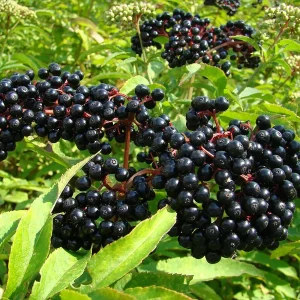
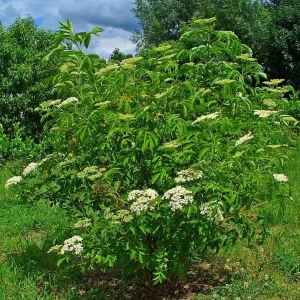
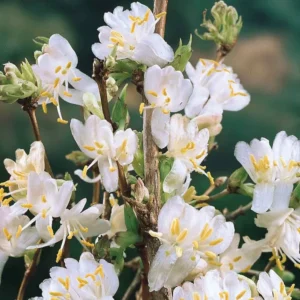
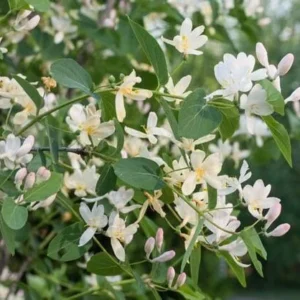
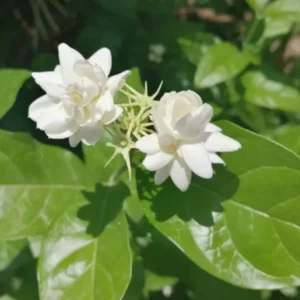
The cold hardy American Elderberry is a deciduous shrub that can reach heights of up to 10 feet, forming a substantial and attractive bush. Its lush green foliage provides a beautiful backdrop for the large, flat-topped clusters of fragrant white flowers that emerge in June and July. These blooms are a magnet for pollinators, including bees and butterflies, contributing to the biodiversity of your garden. As summer progresses, the flowers give way to abundant bunches of deep red-purple berries, which are highly prized for culinary uses and as a food source for local wildlife. This plant’s ability to thrive in various soil conditions, from medium-dry to medium-wet, further enhances its appeal as a low-maintenance yet high-impact garden specimen. Enjoy the full lifecycle of this remarkable plant, from delicate blossoms to rich, flavorful fruit.
Key Benefits
The cold hardy American Elderberry offers a wealth of benefits, making it an invaluable addition to any garden. Its natural hardiness and bountiful yields provide both ecological and practical advantages for the homeowner and the environment.
- Ecological Impact: The large, fragrant white flower clusters of the Sambucus canadensis are a significant draw for essential pollinators like bees and butterflies, supporting local ecosystems and encouraging plant diversity. Planting this elderberry contributes directly to the health of your garden’s insect population, vital for fruit production and overall garden vitality.
- Edible Harvests: Enjoy an abundant crop of deep red-purple berries that ripen from late summer to early fall. These delicious fruits are perfect for making jams, jellies, pies, wines, and syrups, offering a rich source of antioxidants and vitamins right from your backyard. The taste of homegrown elderberry is truly unparalleled.
- Wildlife Attraction: Beyond pollinators, the berries are a favorite food source for various bird species and small mammals, adding lively activity and natural beauty to your garden throughout the fruiting season. This makes the elderberry live plant a fantastic choice for wildlife enthusiasts.
- Durable & Adaptable: Known for its resilience, the cold hardy American Elderberry is well-suited for a wide range of climates (USDA Zones 3-9) and soil conditions. It can tolerate both medium-dry to medium-wet soils and various light exposures, proving to be a robust and forgiving plant for gardeners of all experience levels.
- Ornamental Value: With its vigorous growth, attractive foliage, and showy white blooms, this elderberry forms a substantial and beautiful bush that enhances the aesthetic appeal of any landscape. Its seasonal changes, from spring growth to summer flowers and fall berries, provide continuous interest.
- Low Maintenance: Once established, the Sambucus canadensis requires minimal care, making it an ideal choice for gardeners seeking high reward with low effort. Its ability to regenerate from the root mass even if stems die back ensures its longevity and continued vigor.
Plant Care & Growing Tips
Proper care ensures your cold hardy American Elderberry thrives and produces abundant flowers and fruit. These resilient plants are relatively easy to maintain, but understanding their specific needs will help them flourish in your garden. The optimal planting time for bareroot plants is when they are dormant, typically in early spring or late fall. Ensure the planting site has good drainage to prevent root rot, as elderberries prefer consistently moist but not waterlogged soil.
Sunlight Requirements
For best results, plant your Sambucus canadensis in a location that receives full sun to partial sun. Full sun (6+ hours of direct sunlight per day) will generally lead to the most prolific flowering and fruiting. Partial sun (4-6 hours of direct sunlight, especially in the morning) is also acceptable, particularly in hotter climates where some afternoon shade can prevent stress. Avoid planting in deep shade, as this will significantly reduce fruit production and may lead to leggy growth.
Watering & Soil Preferences
The cold hardy American Elderberry is quite adaptable to various soil moistures, ranging from medium-dry to medium-wet. However, it performs best in consistently moist, well-draining soil. During dry spells, especially in the first year after planting, regular watering is crucial to help the plant establish a strong root system. Once mature, it is more drought-tolerant but will benefit from supplemental watering during prolonged dry periods. A rich, loamy soil with a slightly acidic to neutral pH (6.0-7.0) is ideal. Amending heavy clay soils with organic matter like compost can improve drainage, while sandy soils will benefit from compost to improve water retention. Good drainage is paramount for healthy growth of your elderberry live plant.
Temperature & USDA Hardiness Zones
This species is remarkably cold hardy, thriving across USDA Zones 3-9. This wide range makes it suitable for many different climates across the United States. It can withstand significant winter cold, with stems potentially dying back in the coldest zones but new shoots reliably emerging from the root mass in spring. In warmer zones, ensure adequate moisture during hot summer months. Understanding American elderberry care for your specific zone is key to success.
Fertilization & Pruning
Elderberries are not heavy feeders. A light application of a balanced, slow-release granular fertilizer in early spring is usually sufficient. Avoid over-fertilizing, especially with high-nitrogen formulas, as this can promote leafy growth at the expense of flowers and fruit. Pruning is best done in late winter or early spring while the plant is dormant. Remove any dead, damaged, or weak stems. You can also thin out older, less productive canes to encourage new growth from the base, which will bear the most fruit. This helps maintain the plant’s shape and vigor.
Size & Details
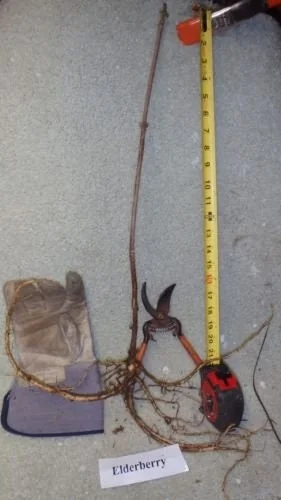
These cold hardy American Elderberry plants are supplied as bareroot specimens, typically measuring 12-18 inches in total length. Bareroot plants are shipped without soil around their roots, which is an efficient and effective way to transport dormant plants. When planted correctly during their dormant period, they establish quickly and grow vigorously. The American Elderberry is a fast-growing shrub that can reach a mature height of up to 10 feet with a similar spread, forming a dense, multi-stemmed bush. Its growth rate allows for substantial development within a few seasons, quickly becoming a prominent feature in your garden. The plant is expected to begin producing flowers and berries within 1-2 years after planting, with increasing yields as it matures. The edible elderberry fruit ripens from late summer through early fall.
Frequently Asked Questions
- Q: How big will my American Elderberry get? A: The cold hardy American Elderberry can grow into a large bush, typically reaching heights of up to 10 feet with a similar spread at maturity. Its vigorous growth means it will fill out quickly in your garden.
- Q: Is this an indoor or outdoor plant? A: The Sambucus canadensis is an outdoor plant, best suited for garden beds, hedgerows, or naturalized areas where it has room to grow into a large shrub. It is not suitable for indoor cultivation.
- Q: How much sunlight does the American Elderberry need? A: For optimal flowering and fruit production, your elderberry live plant requires full sun (at least 6 hours of direct sunlight daily). It can tolerate partial sun, but fruit yields may be reduced.
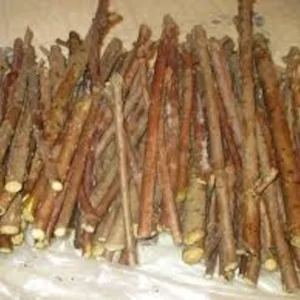
- Q: What condition will the bareroot elderberry arrive in? A: Your cold hardy American Elderberry will arrive as a dormant bareroot plant, meaning it will have no leaves and the roots will be free of soil. This is a normal and healthy state for planting.
- Q: Is this plant easy to care for? A: Yes, American elderberry care is relatively easy. Once established, it is a low-maintenance plant that tolerates a range of soil and moisture conditions, making it suitable for gardeners of all experience levels.
- Q: When is the best time to plant a bareroot elderberry? A: The best time to plant bareroot elderberries is in early spring or late fall when the plant is dormant. This allows the roots to establish before the stress of active growth or extreme weather.
- Q: Can I eat the berries from this elderberry plant? A: Yes, the berries of the cold hardy American Elderberry (Sambucus canadensis) are edible when cooked. They are commonly used to make jams, jellies, pies, and wines, but should not be consumed raw in large quantities.
- Q: Will this elderberry plant survive winter in my zone? A: Absolutely! The cold hardy American Elderberry is highly resilient and thrives in USDA Zones 3-9, making it suitable for a wide range of cold climates. It’s built to withstand winter conditions.
- Q: How much space does an elderberry plant need? A: When planting, allow for 3-5 feet of spacing between plants to accommodate their mature size. This ensures proper air circulation and room for growth.
- Q: Do I need more than one elderberry plant for fruit production? A: While American Elderberry is self-pollinating, planting multiple elderberry varieties or even several of the same variety can often lead to improved fruit set and higher yields due to cross-pollination.
Related products
-20%
Original price was: $66.00.$52.80Current price is: $52.80.
-50%
Original price was: $63.00.$31.50Current price is: $31.50.
-20%
Original price was: $76.00.$60.80Current price is: $60.80.
-45%

Original price was: $220.00.$121.00Current price is: $121.00.
-30%
Original price was: $73.98.$51.78Current price is: $51.78.
-76%
Original price was: $103.96.$24.99Current price is: $24.99.
-50%
Original price was: $49.98.$24.99Current price is: $24.99.
PLANTING & CARE

Growing Glencoe Raspberry: A Complete Guide for Gardeners
If you’re looking to add something unique to your garden, look no further than the
31
Mar
Mar

The Comprehensive Guide to Growing Bay Leaf Plants for a Flavorful Garden
Imagine stepping into your garden, greeted by the earthy aroma of fresh bay leaves, their
09
Feb
Feb

How to Make Comfrey Tea: The Ultimate Organic Plant Food
Growing an organic garden can be surprisingly expensive, especially when most store-bought fertilizers come in
02
Feb
Feb

True Comfrey: 7 Essential Tips Before You Plant This Herb
A staple in permaculture practices across the US, True Comfrey easily earns its reputation as
27
Jan
Jan

7 Heart-Shaped Plants for a Lasting Valentine’s Gift
If you’ve ever bought a bouquet of roses for Valentine’s Day, you know they are
26
Jan
Jan

Best Types of Ivy Plant for Houses: How to Choose the Perfect Ones for Your Home
Are you a garden lover looking to introduce some greenery into your home? Maybe you’ve
14
Nov
Nov

When to Harvest Garlic (Especially Fall-Planted Garlic)
TIMING IS EVERYTHING, they say – and for garlic, that truth hits with surprising accuracy.
13
Nov
Nov

11 of the Best Sweet Potato Varieties to Grow for Your Garden
If you’ve ever tried growing sweet potatoes, you know that picking the right variety can
12
Nov
Nov