American Hornbeam Live Tree – Quart Pot, 6-12″ Tall, Brilliant Fall Color, Outdoor
-30%
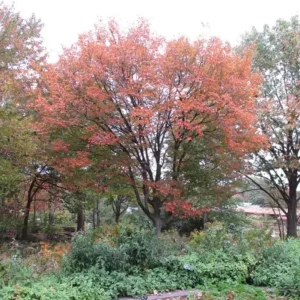
American Hornbeam Live Tree – Quart Pot, 6-12″ Tall, Brilliant Fall Color, Outdoor
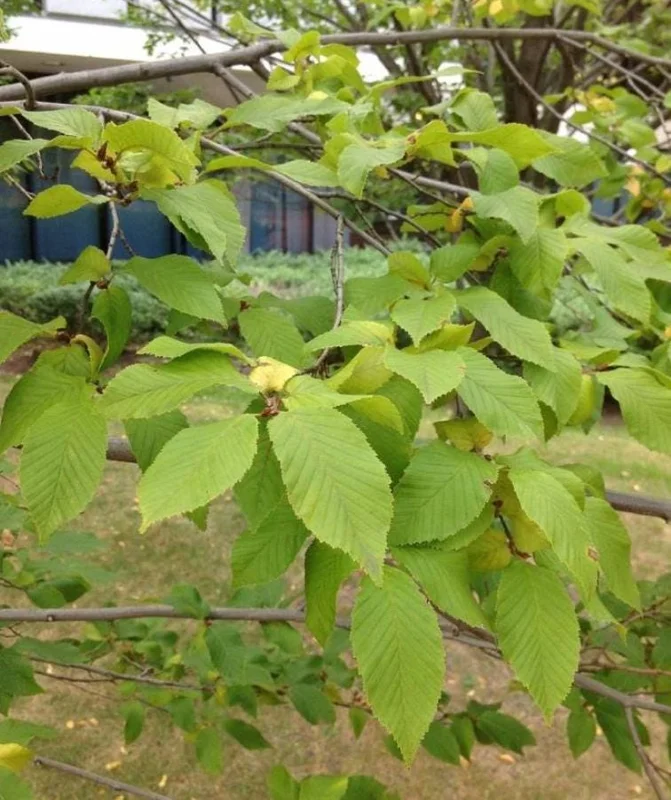
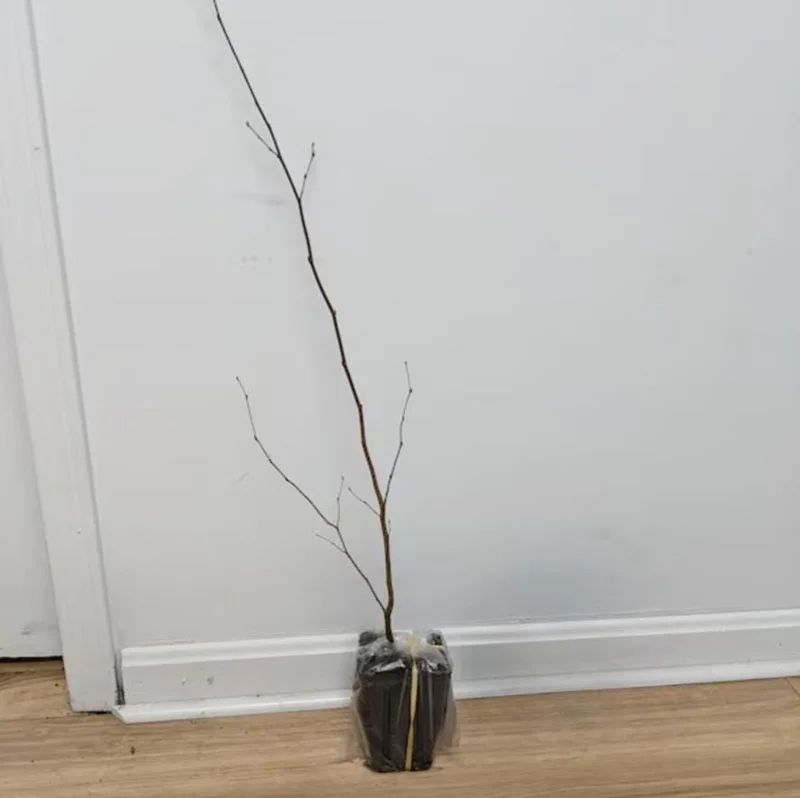
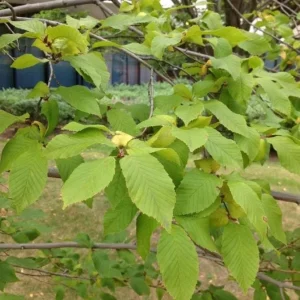
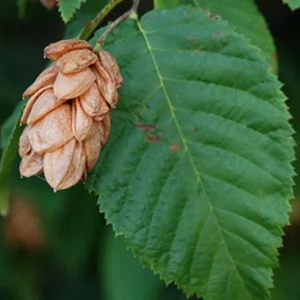
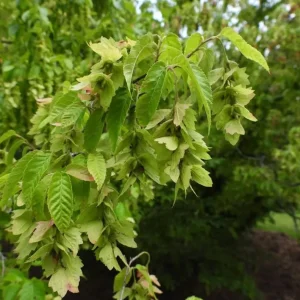
Bring home a beautiful american hornbeam live tree (Carpinus caroliniana) in a quart pot, approximately 6–12 inches tall. This elegant native shade tree offers brilliant fall color and thrives in partial to full shade, ideal for outdoor landscapes.
Original price was: $45.98.$32.18Current price is: $32.18.

With our Alive & Thrive Guarantee, we’ve got your back for the first 30 days! If you have any concerns about your plants, just reach out to us. Our team is here to help answer your questions and guide you in selecting the best plants for your garden, climate, and unique preferences. We're excited to help you create the garden of your dreams!
Estimated arrival
Mar 31
Apr 05 - Apr 07
Apr 10 - Apr 14

Product Details
-
USDA Hardiness Zone
4–8 -
Soil type
Moist, well-drained soil preferred -
Sunlight Exposure
Partial shade to full shade -
Expected Planting Period
Spring to early fall
Overview
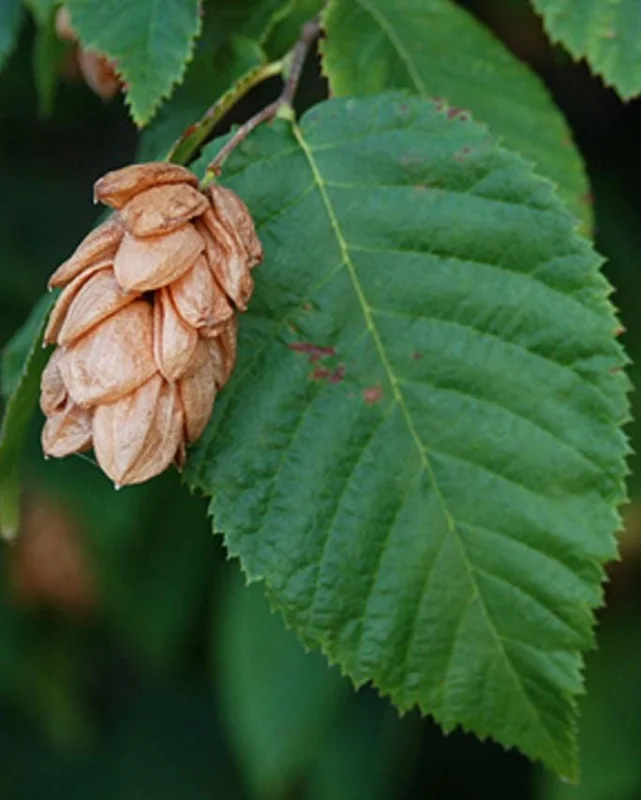
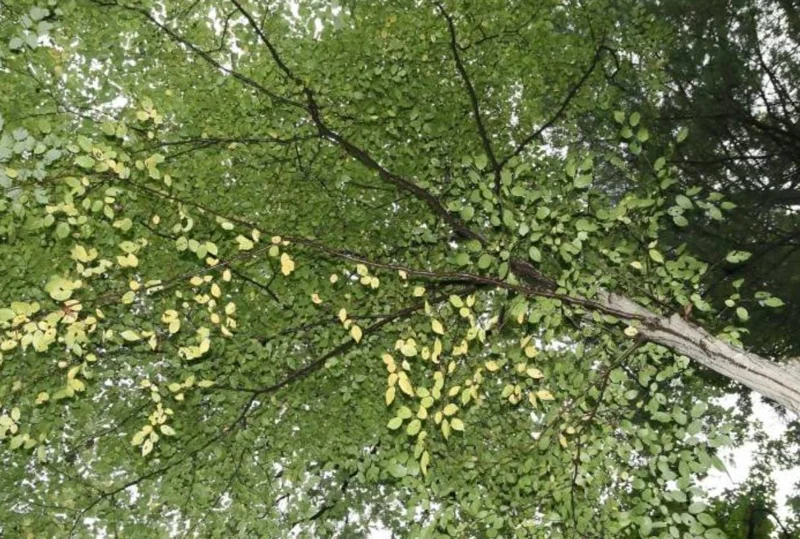
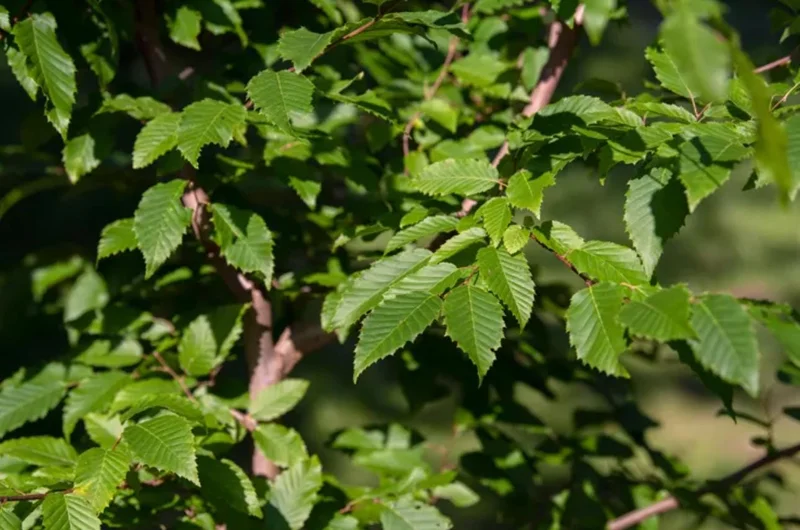
Introduce a touch of native elegance to your garden with the american hornbeam live tree. This beautiful Carpinus caroliniana, often called Ironwood or Musclewood, is supplied as a thriving young plant in a quart-sized pot, typically standing 6–12 inches tall. Valued for its attractive form and resilience, the american hornbeam live tree is a fantastic choice for a variety of landscapes. It’s renowned for its distinctive smooth, sinewy trunk that resembles a muscular limb, adding unique visual interest year-round. Beyond its structural beauty, this tree transforms in autumn, displaying a breathtaking spectacle of colors from golden yellow to vibrant red, making it a true showstopper. As a native North American species, it’s well-adapted to local conditions and contributes positively to ecological health, providing habitat and food for local wildlife.
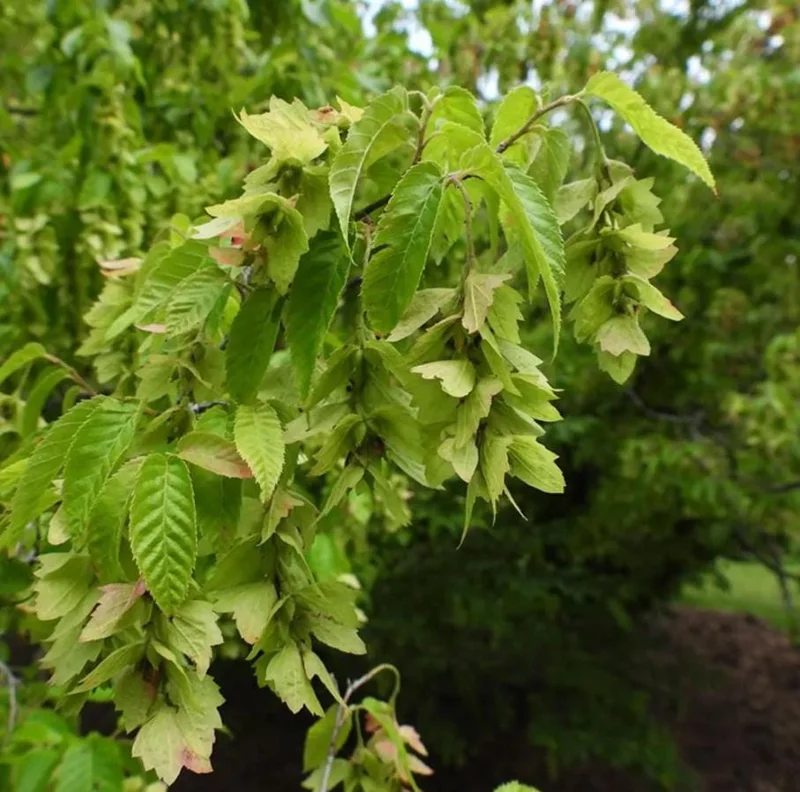
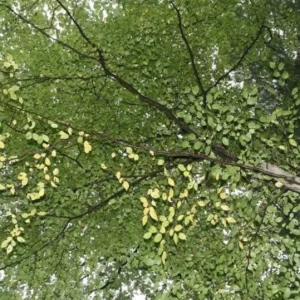
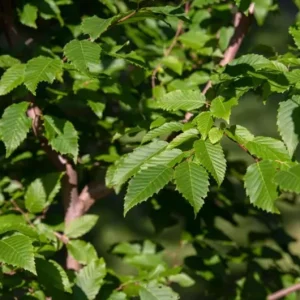
The carpinus caroliniana tree is a deciduous shade tree that offers lush green foliage throughout the summer. Its moderate size and adaptability make it suitable for various settings, from woodland gardens to smaller urban yards. Unlike many shade trees, it tolerates significant shade, allowing it to flourish under taller canopy trees where other species might struggle. This makes it an excellent understory tree or a specimen for those tricky, less sunny spots in your garden. Easy to care for and remarkably adaptable, the American Hornbeam is a rewarding addition for both novice and experienced gardeners seeking a distinctive and beautiful native plant.
Key Benefits
Embrace the numerous advantages of integrating the American Hornbeam into your outdoor space. This versatile tree offers both aesthetic appeal and environmental benefits, making it a superior choice for a sustainable and beautiful garden.
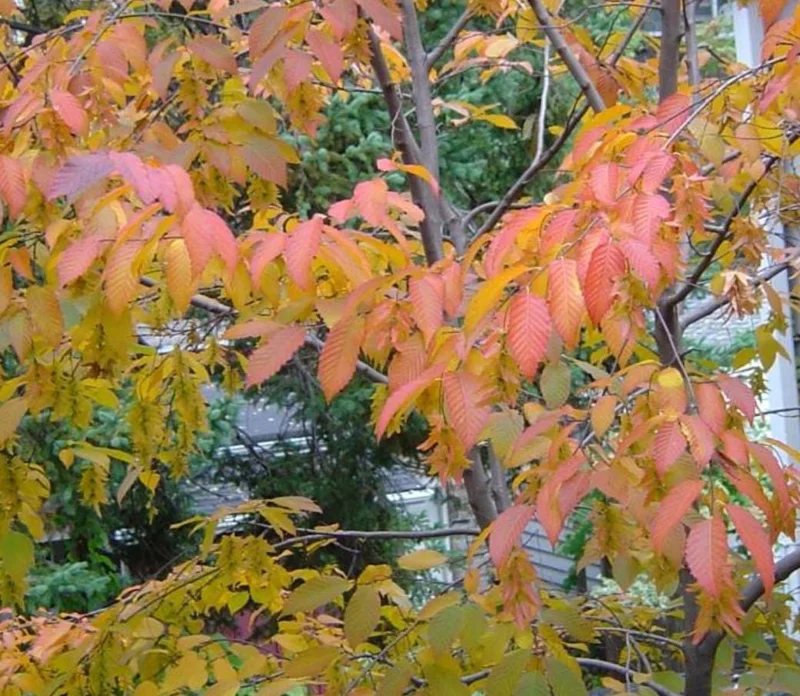
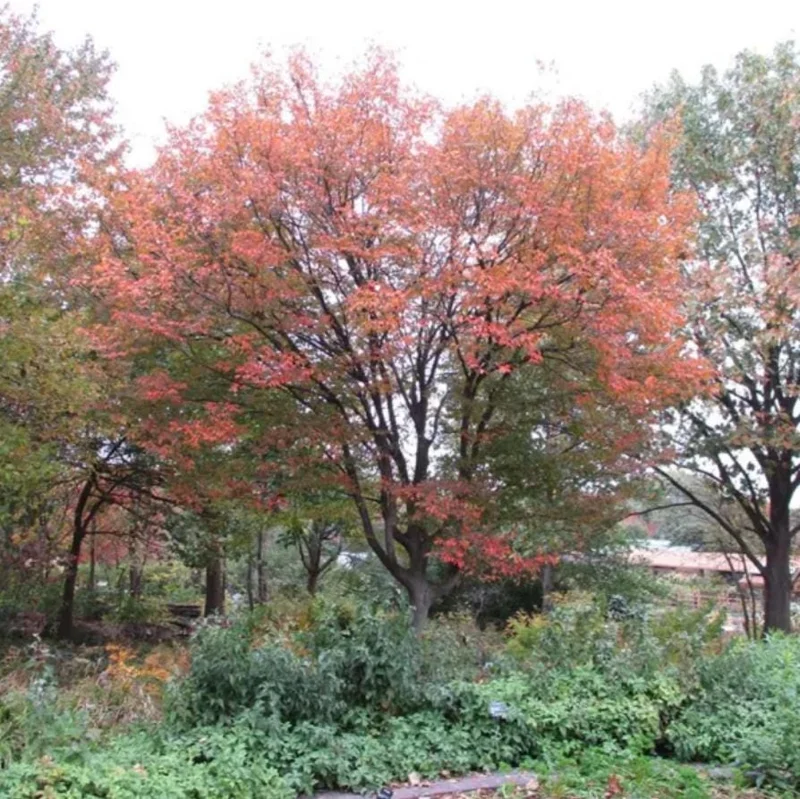
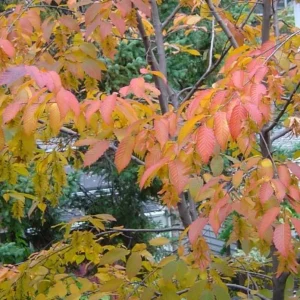
- Stunning Fall Foliage: Experience a spectacular autumnal display as its leaves transition from rich green to brilliant shades of golden yellow, orange, and fiery red, providing unparalleled seasonal beauty to your landscape. This vibrant transformation highlights why many seek out the hornbeam fall color.
- Unique Trunk Interest: The smooth, sinewy, gray bark of the American Hornbeam gives it the common name ‘Musclewood’ due to its resemblance to flexed muscles. This distinctive feature provides visual appeal even in winter when the tree is leafless.
- Excellent Shade Tolerance: Thrives in partial to full shade conditions, making it an ideal choice for underplanting larger trees or brightening shadier corners of your garden where other trees might struggle. It truly performs as a versatile native shade tree.
- Low Maintenance & Adaptable: Once established, this tree requires minimal care, tolerating a range of soil types and conditions. It’s a robust and resilient species, perfect for gardeners looking for a hassle-free addition. This makes it a fantastic low maintenance shade tree option.
- Native North American Species: As a native tree, it is naturally suited to the climate and soil of North America, contributing to local biodiversity and supporting native wildlife. Choosing native plants helps create a healthier ecosystem.
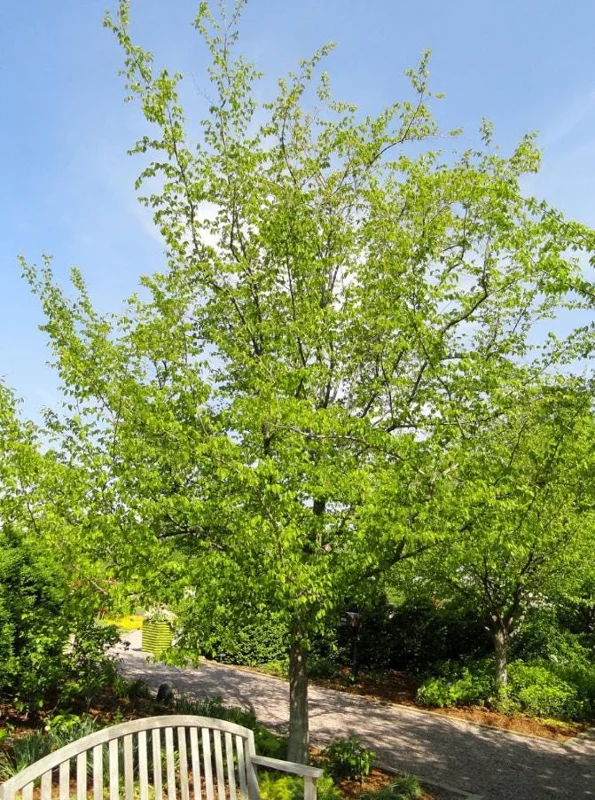
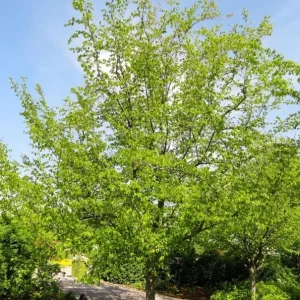
- Manageable Size: Reaching a mature height and spread of 20-30 feet, it’s a small to medium-sized shade tree, suitable for smaller yards or as an understory tree in larger landscapes without becoming overwhelming.
- Wildlife Attraction: Provides food and shelter for various birds and small mammals, enhancing the ecological value of your garden and inviting nature closer to home.
Plant Care & Growing Tips
Caring for your american hornbeam live tree is straightforward, especially once it’s established. This adaptable species prefers a location with partial shade to full shade, making it ideal for understory planting or areas that receive morning sun and afternoon shade. While it can tolerate full sun in cooler climates, some afternoon shade is beneficial, particularly in warmer regions, to prevent leaf scorch. Plant in moist, well-drained soil. Although it adapts to various soil types, it performs best in rich, acidic to neutral soils. Avoid excessively dry or constantly waterlogged conditions.
During the first growing season, regular watering is crucial to help the roots establish. Water deeply once or twice a week, or more frequently during hot, dry periods, ensuring the soil remains consistently moist but not saturated. Once established, the American Hornbeam is moderately drought-tolerant but will benefit from supplemental watering during prolonged dry spells. Mulching around the base of the tree with a 2-4 inch layer of organic material helps retain soil moisture, regulate soil temperature, and suppress weeds. Fertilization is generally not necessary for established trees in good soil, but a balanced, slow-release fertilizer can be applied in spring if growth appears sluggish. Minimal pruning is required; remove any dead, damaged, or crossing branches to maintain a healthy structure.
The carpinus caroliniana tree is hardy in USDA Zones 4–8. It’s important to plant it in a location where it can thrive within these temperature ranges. If you’re in a borderline zone, consider planting it in a more sheltered spot. Watch out for common pests like aphids or scale, which are typically minor and can be managed with horticultural oil or insecticidal soap if necessary. Diseases are rare, but good air circulation and appropriate watering practices can prevent most fungal issues. Ensuring proper soil drainage is key to preventing root rot, especially for young trees. This low maintenance shade tree is generally quite resilient, offering years of beauty with minimal fuss.
Size & Details
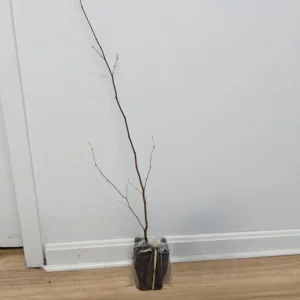
You will receive one healthy american hornbeam live tree, carefully packaged and ready for planting. Each tree is supplied in a quart-sized pot, with an approximate height of 6–12 inches from the soil line. This size is ideal for establishing quickly in your garden. Given its growth habit, the American Hornbeam is considered a small-to-medium shade tree, eventually reaching a mature height of 20-30 feet with a similar spread. Its moderate growth rate means it will develop into a substantial specimen over time without becoming unruly.
The tree will ship as a live plant in its nursery pot, ensuring its root system is intact and protected during transit. The expected time to achieve its full mature size will vary based on planting conditions and care, but typically takes several years. This species is deciduous, meaning it will lose its leaves in the fall and remain bare through winter, entering a natural dormancy period. If purchased between October and March, the tree may arrive without leaves or with dry stems, which is completely normal and healthy. New growth will emerge vigorously in the spring, showcasing its vibrant green summer foliage and eventually its stunning hornbeam fall color.
Frequently Asked Questions
- Q: How big does this plant get? A: The american hornbeam live tree typically grows to a mature height and spread of 20–30 feet. It is considered a small to medium-sized shade tree, making it suitable for a variety of garden sizes.
- Q: What size pot does it come in? A: This American Hornbeam is shipped in a quart-sized nursery pot. The tree itself will be approximately 6–12 inches tall at the time of delivery.
- Q: Is this an indoor or outdoor plant? A: The American Hornbeam (Carpinus caroliniana) is an outdoor tree. It is a hardy deciduous species that requires outdoor conditions to thrive and complete its natural growth cycle.
- Q: How much sunlight does it need? A: This native shade tree prefers partial shade to full shade. While it can tolerate some full sun, especially in cooler climates, it benefits from protection from intense afternoon sun.
- Q: Is this plant easy to care for? A: Yes, the American Hornbeam is considered a low maintenance shade tree. Once established, it is quite adaptable and requires minimal pruning and care, making it a great choice for various gardeners.
- Q: What condition will it arrive in? A: Your tree will arrive as a live, potted plant. If purchased during its dormancy period (typically October to March), it may arrive without leaves, which is normal and healthy. New growth will appear in spring.
- Q: When is the best time to plant? A: The best time to plant your American Hornbeam is in spring or early fall, allowing the roots to establish before extreme summer heat or winter cold.
- Q: Will it survive winter in my zone? A: The carpinus caroliniana tree is hardy in USDA Zones 4–8. If your area falls within these zones, it should survive winter without special protection.
- Q: Why is it called Musclewood? A: It’s commonly called Musclewood due to its distinctive smooth, gray bark that develops sinewy, fluted ridges, resembling a muscular arm or leg, especially on mature trunks.
- Q: Does this tree have a good fall color? A: Absolutely! One of the key attractions of this tree is its brilliant hornbeam fall color, which ranges from bright golden yellow to vibrant orange and fiery red, providing a stunning seasonal display.
Related products
-50%
Original price was: $73.98.$36.99Current price is: $36.99.

PLANTING & CARE

Growing Glencoe Raspberry: A Complete Guide for Gardeners
If you’re looking to add something unique to your garden, look no further than the
31
Mar
Mar

The Comprehensive Guide to Growing Bay Leaf Plants for a Flavorful Garden
Imagine stepping into your garden, greeted by the earthy aroma of fresh bay leaves, their
09
Feb
Feb

How to Make Comfrey Tea: The Ultimate Organic Plant Food
Growing an organic garden can be surprisingly expensive, especially when most store-bought fertilizers come in
02
Feb
Feb

True Comfrey: 7 Essential Tips Before You Plant This Herb
A staple in permaculture practices across the US, True Comfrey easily earns its reputation as
27
Jan
Jan

7 Heart-Shaped Plants for a Lasting Valentine’s Gift
If you’ve ever bought a bouquet of roses for Valentine’s Day, you know they are
26
Jan
Jan

Best Types of Ivy Plant for Houses: How to Choose the Perfect Ones for Your Home
Are you a garden lover looking to introduce some greenery into your home? Maybe you’ve
14
Nov
Nov

When to Harvest Garlic (Especially Fall-Planted Garlic)
TIMING IS EVERYTHING, they say – and for garlic, that truth hits with surprising accuracy.
13
Nov
Nov

11 of the Best Sweet Potato Varieties to Grow for Your Garden
If you’ve ever tried growing sweet potatoes, you know that picking the right variety can
12
Nov
Nov