American Sycamore Live Plant – Quart Pot – Fast-Growing Native Shade Tree – Outdoor
-30%
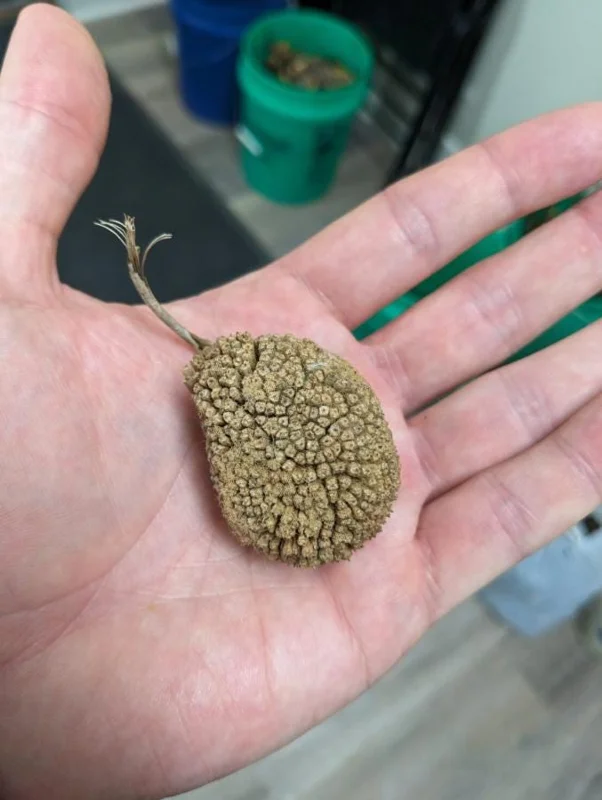
American Sycamore Live Plant – Quart Pot – Fast-Growing Native Shade Tree – Outdoor
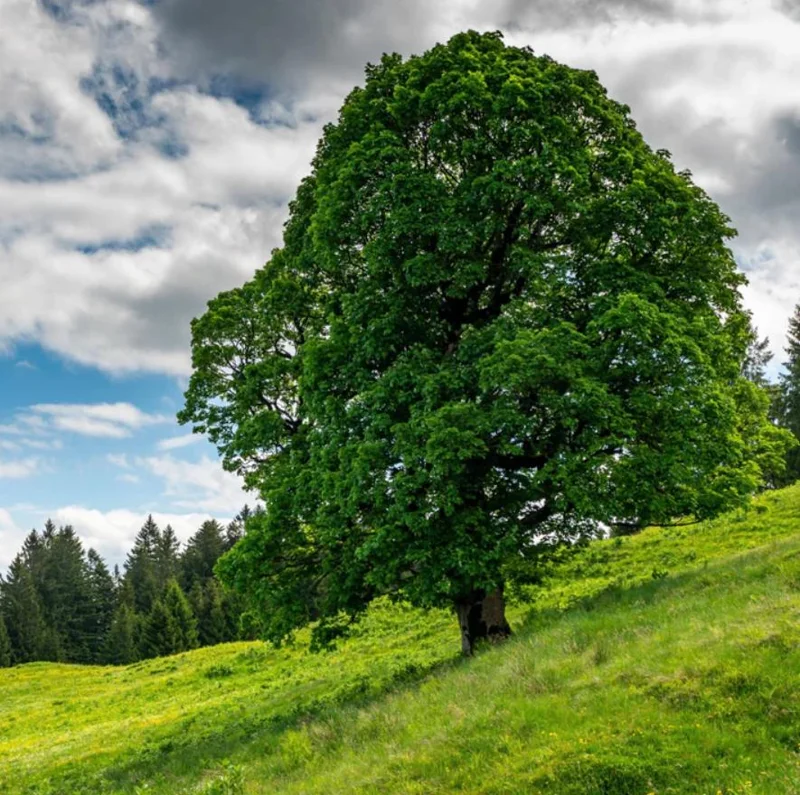
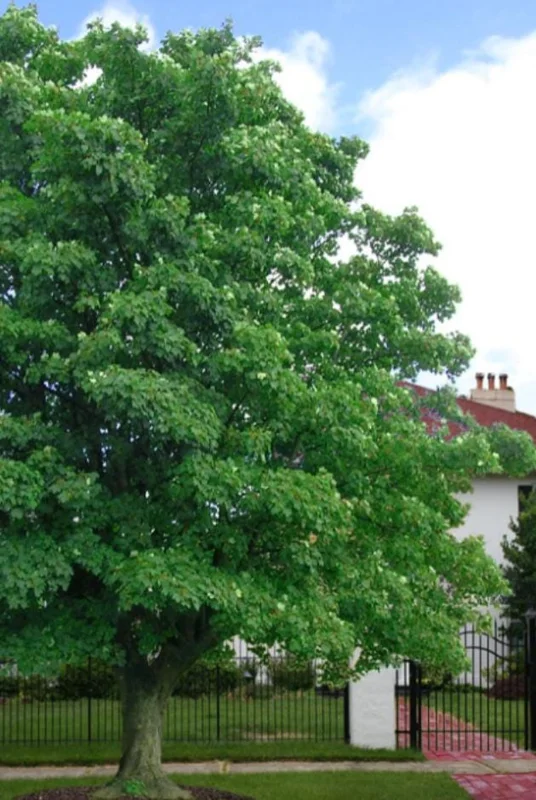
Bring the beauty of a native landscape to your yard with an American Sycamore live plant. This fast growing shade tree is shipped in a quart pot, ready to establish. Known for its distinctive exfoliating bark and broad canopy, it’s perfect for large spaces. Create a naturalized area with this iconic native sycamore tree.
Original price was: $63.98.$44.78Current price is: $44.78.

With our Alive & Thrive Guarantee, we’ve got your back for the first 30 days! If you have any concerns about your plants, just reach out to us. Our team is here to help answer your questions and guide you in selecting the best plants for your garden, climate, and unique preferences. We're excited to help you create the garden of your dreams!
Estimated arrival
Apr 01
Apr 06 - Apr 08
Apr 11 - Apr 15

Product Details
-
USDA Hardiness Zone
USDA Zones 4-9 -
Soil type
Adaptable to various soil types; prefers moist, well-draining soil -
Sunlight Exposure
Full sun -
Expected Planting Period
Spring to Fall
Overview
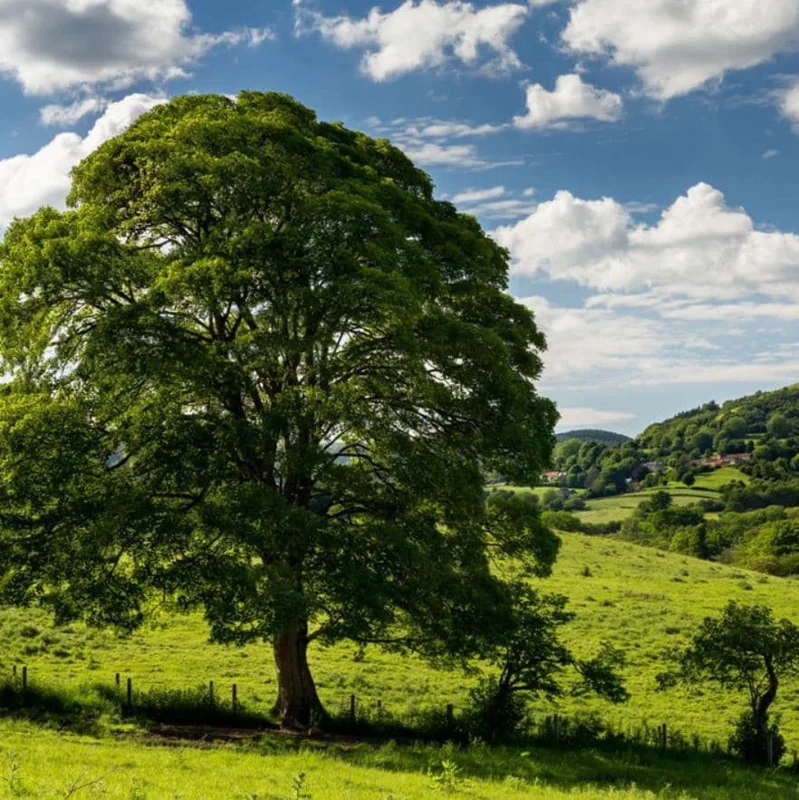
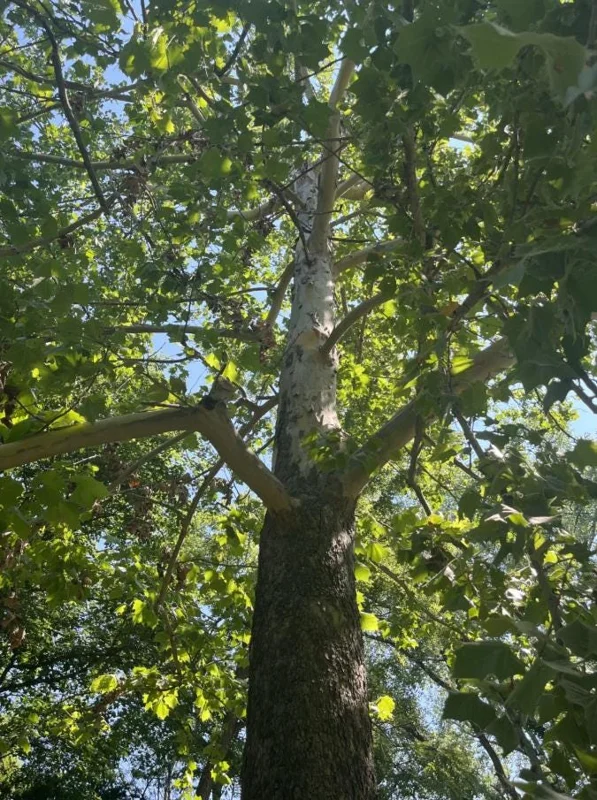
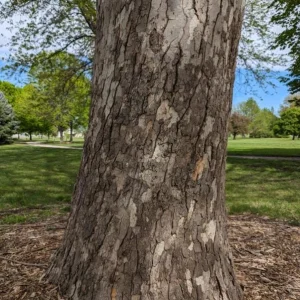
Introduce a majestic presence to your outdoor space with the American Sycamore live plant (Platanus occidentalis). Renowned for its rapid growth and imposing stature, this fast growing shade tree is an excellent choice for those seeking to establish a mature landscape quickly. The American Sycamore is a true American native, prized for its distinctive exfoliating bark that peels away to reveal patches of white, cream, and gray, adding unique visual interest throughout the year. As a robust native sycamore tree, it thrives in a variety of conditions, making it a versatile addition to spacious yards, parks, and naturalized settings where it can reach its full potential as a magnificent specimen tree. Our American Sycamore live plant is carefully nurtured and shipped in a quart pot, ensuring it arrives healthy and ready for planting.
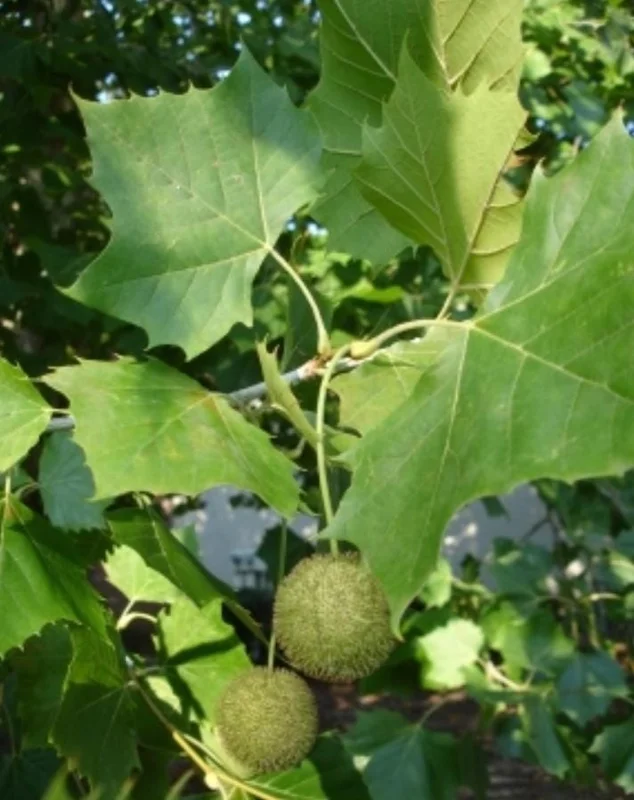
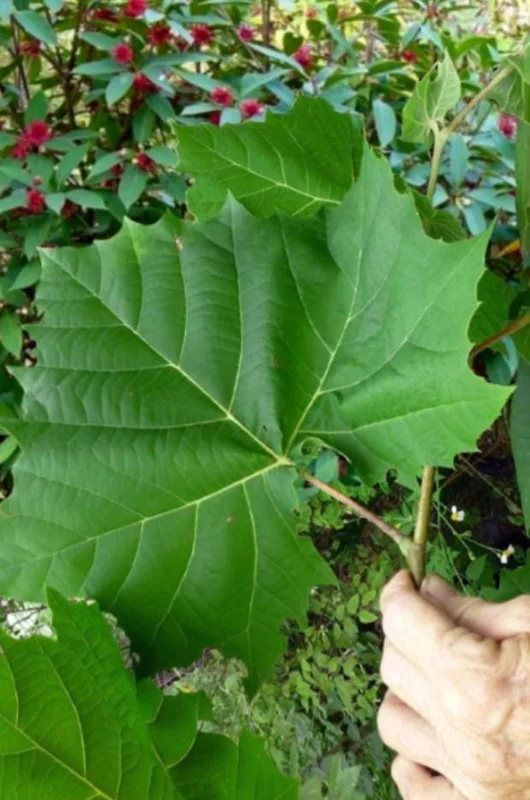
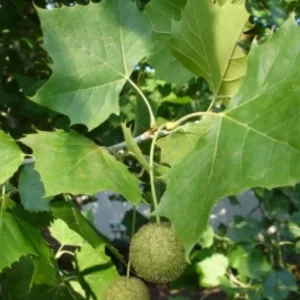
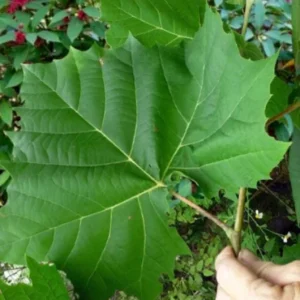
This deciduous tree is not only a visual marvel but also plays a vital role in local ecosystems, providing habitat and food for wildlife. Its large, maple-like leaves offer dense shade during hot summer months, making it an ideal choice for creating cool, comfortable outdoor living areas. The adaptability of the Platanus occidentalis tree to different soil types and moisture levels further enhances its appeal, allowing it to flourish in diverse environments. Whether you’re looking to create a grand entrance, establish a natural barrier, or simply enjoy the beauty of a large, stately tree, the American Sycamore live plant is an exceptional choice that will provide generations of beauty and shade.
Key Benefits
The American Sycamore live plant offers a multitude of benefits for any landscape. Its impressive growth rate and unique characteristics make it a standout choice for various outdoor applications. Incorporating this fast growing shade tree into your garden brings both aesthetic appeal and environmental advantages.
- Rapid Growth & Shade: Experience quick establishment and significant shade production within just a few years. The American Sycamore live plant is known for its ability to grow vigorously, providing a broad, spreading canopy that is perfect for cooling large areas during summer.
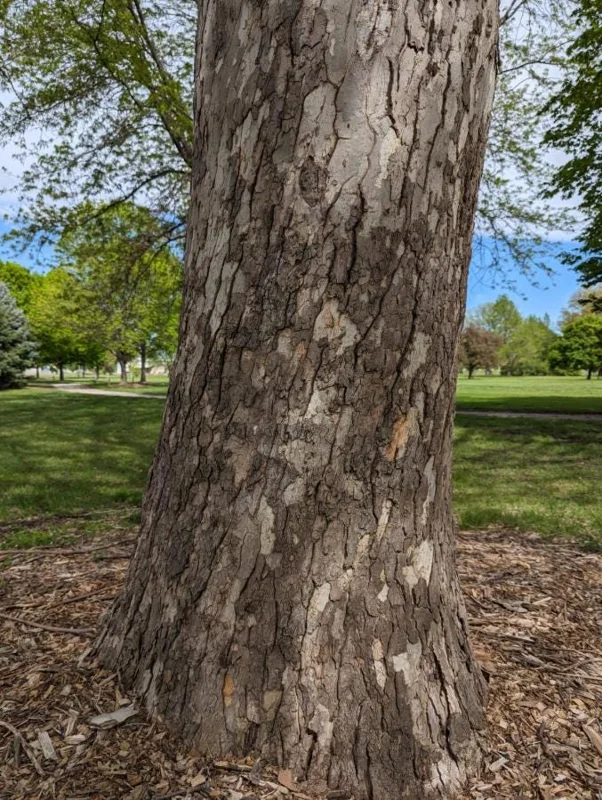
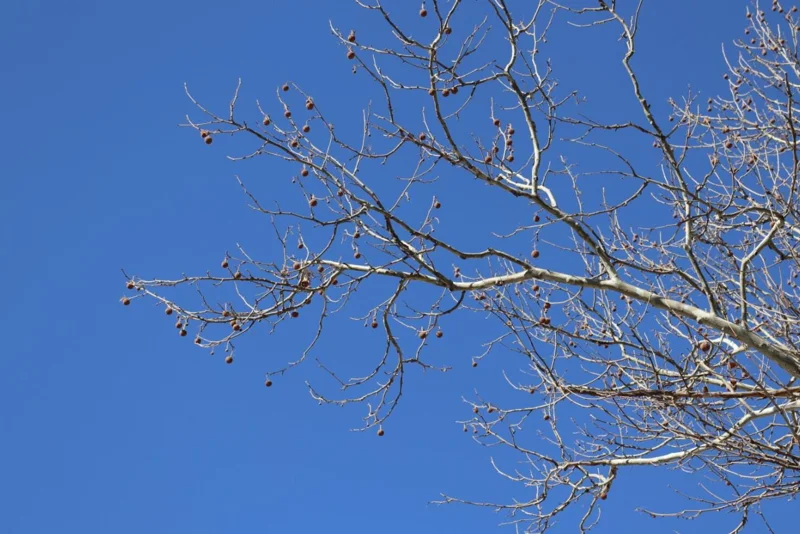
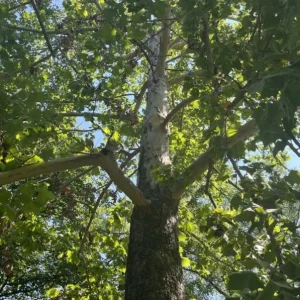
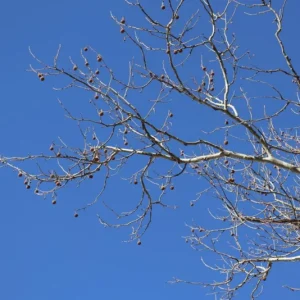
- Distinctive Exfoliating Bark: Enjoy year-round visual interest with the tree’s unique mottled bark. This iconic feature peels to reveal striking patches of white, cream, and gray, making the Platanus occidentalis tree a focal point even in winter.
- Native & Adaptable: As a native sycamore tree, it is well-suited to local climates and ecosystems. It exhibits high adaptability to various soil types, including moist or low-lying areas, compacted ground, and urban conditions, ensuring its resilience in diverse environments.
- Large Landscape Appeal: Ideal for spacious yards, parks, and naturalized areas where its grand size can be appreciated. This large landscape tree creates a commanding presence and contributes to the overall grandeur of the setting.
- Wildlife Habitat: Provides valuable shelter and food sources for a variety of local wildlife, supporting biodiversity in your garden. The American Sycamore live plant‘s robust structure makes it an excellent habitat for birds and other creatures.
- Golden Fall Foliage: Adds seasonal beauty with its attractive golden-yellow fall color, enhancing the autumnal palette of your landscape. This transition ensures your fast growing shade tree remains captivating throughout the year.
- Naturalized Area Enhancement: Perfect for creating naturalized zones or enhancing riparian areas due to its tolerance for moist conditions, contributing to a healthy and vibrant ecosystem.
Plant Care & Growing Tips
Caring for your American Sycamore live plant is relatively straightforward, thanks to its hardy and adaptable nature. To ensure your Platanus occidentalis tree thrives and develops into a magnificent specimen, follow these essential care guidelines. Proper initial planting and ongoing maintenance will help your native sycamore tree establish strong roots and grow vigorously.
Sunlight Requirements: The American Sycamore flourishes in full sun, meaning it needs at least 6-8 hours of direct sunlight per day to achieve optimal growth and health. While it can tolerate some partial shade, particularly in hotter climates, full sun exposure will encourage the fastest growth and the most robust canopy development for your large landscape tree. When choosing a planting site, select an open area where it won’t be overshadowed by buildings or other large trees.
Watering Schedule & Soil Moisture: This tree prefers consistently moist soil, especially during its establishment period. Water deeply and regularly, particularly during dry spells or hot weather, to ensure the root ball remains hydrated. Once established, the American Sycamore exhibits good drought tolerance, but it will perform best with adequate moisture. It is particularly well-suited to moist or low-lying areas and can even tolerate occasional flooding, making it an excellent choice for a fast growing shade tree near water features or in areas with naturally high water tables. Ensure the soil drains well enough to prevent standing water for prolonged periods, which can lead to root issues.
Soil Type and Drainage: The American Sycamore live plant is highly adaptable to a wide range of soil types, including clay, loam, and sandy soils. It tolerates both acidic and alkaline conditions. The most crucial factor is good drainage, although it can handle periods of wetness better than many other tree species. If your soil is extremely heavy clay, amending it with organic matter can improve aeration and drainage, fostering a healthier environment for your Platanus occidentalis tree. This adaptability makes it a forgiving choice for many gardeners.
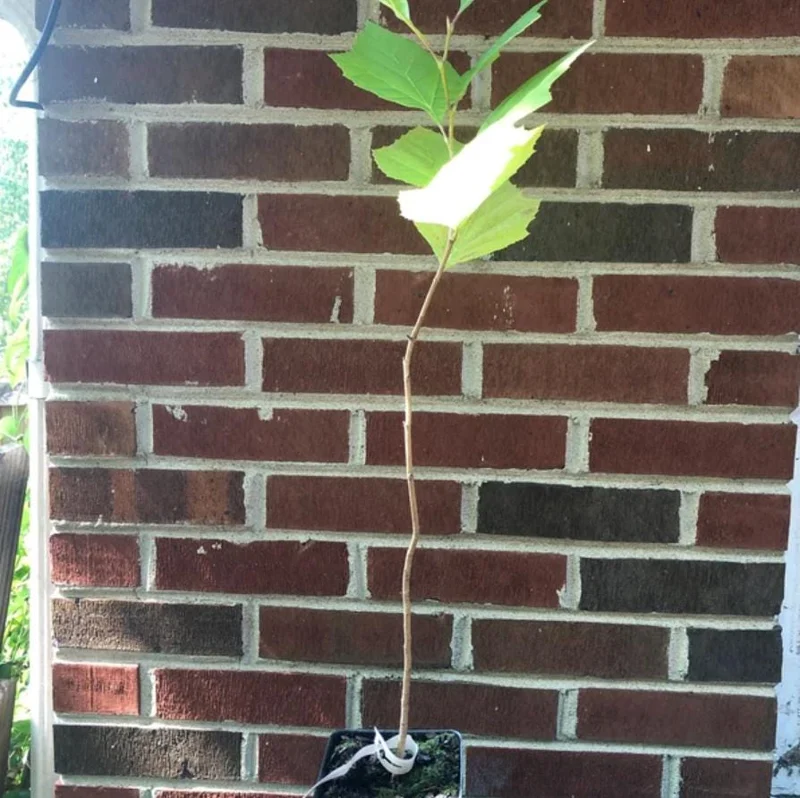
Temperature Range & USDA Hardiness Zone: The American Sycamore is hardy in USDA Zones 4-9, making it suitable for a vast majority of the United States. It is tolerant of both cold winters and hot summers. During colder months, your plant may naturally go dormant and arrive with few or no leaves; this is completely normal and indicates a healthy, resting plant that will resume vigorous growth as temperatures warm in spring. This resilience contributes to its appeal as a reliable native sycamore tree.
Fertilization: For newly planted trees, a balanced, slow-release fertilizer can be applied in early spring to encourage root development. Established trees generally do not require heavy fertilization if planted in fertile soil. If growth appears slow or leaves show signs of nutrient deficiency, a soil test can help determine specific needs. Over-fertilization should be avoided, as it can harm the tree.
Common Problems: While generally robust, American Sycamores can be susceptible to anthracnose, a fungal disease that causes leaf spots and can lead to early leaf drop. Ensuring good air circulation around the tree and practicing good sanitation (raking up fallen leaves) can help manage this. Regular watering during dry periods also helps the tree maintain its vigor and resist pests and diseases. With proper care, your American Sycamore live plant will provide decades of enjoyment.
Size & Details
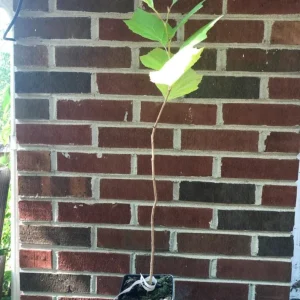
This American Sycamore live plant is shipped in a quart-sized nursery pot, providing a well-established root system ready for transplanting into your garden. At the time of shipment, the plant typically ranges from 12 to 24 inches in height, depending on the growing season and specific batch. The Platanus occidentalis tree is known for its exceptionally fast growth rate, often adding 2-4 feet of height per year under ideal conditions. Within just a few years, your young sycamore will begin to form a significant canopy, growing into a truly impressive large landscape tree.
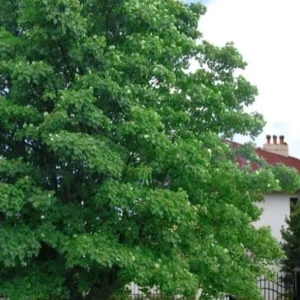
Upon maturity, an American Sycamore live plant can reach heights of 75-100 feet or more, with a broad, spreading canopy that can extend 50-70 feet wide. This makes it an ideal fast growing shade tree for expansive properties where ample space is available for its full development. The tree’s distinctive mottled bark becomes more pronounced with age, adding to its character. It is a deciduous tree, meaning it will shed its leaves in the fall and enter dormancy during winter, only to re-emerge with fresh foliage in the spring. This natural cycle is part of the plant’s healthy development as a resilient native sycamore tree.
Frequently Asked Questions
- Q: How big does this American Sycamore live plant get? A: This American Sycamore live plant is shipped in a quart pot and is typically 12-24 inches tall. At maturity, a Platanus occidentalis tree can reach impressive heights of 75-100 feet or more with a spread of 50-70 feet, making it a very large shade tree.
- Q: What size pot does it come in? A: The American Sycamore live plant you receive will be shipped in a quart-sized nursery pot, which is perfect for promoting healthy root development before you transplant it to its permanent outdoor location.
- Q: Is this an indoor or outdoor plant? A: The American Sycamore live plant is an outdoor tree, best suited for large landscapes where it has ample space to grow. It is a hardy deciduous tree that thrives in natural environments.
- Q: How much sunlight does the native sycamore tree need? A: This native sycamore tree requires full sun exposure, meaning at least 6-8 hours of direct sunlight daily, for optimal growth and health. It can tolerate some partial shade but will grow best with abundant light.
- Q: Is this fast growing shade tree easy to care for? A: Yes, the American Sycamore live plant is relatively easy to care for due to its adaptability and hardiness. It tolerates a range of soil conditions and moisture levels, making it a forgiving choice for many gardeners.
- Q: What condition will the American Sycamore live plant arrive in? A: Your American Sycamore live plant will arrive healthy and carefully packaged in its quart nursery pot. During colder months, it may arrive dormant with few or no leaves, which is completely normal for this deciduous tree.
- Q: When is the best time to plant a large landscape tree like this? A: The best time to plant your large landscape tree is in spring or fall, when temperatures are moderate. This allows the tree to establish its root system before the stress of extreme summer heat or winter cold.
- Q: Will the Platanus occidentalis tree survive winter in my zone? A: The Platanus occidentalis tree is hardy in USDA Zones 4-9, meaning it is well-equipped to withstand winter conditions within these regions. It is a very resilient native species.
- Q: What’s the minimum temperature this tree can tolerate? A: The American Sycamore can tolerate winter temperatures down to approximately -30°F (-34°C) once established, making it suitable for a wide range of temperate climates.
- Q: What are the benefits of planting a native sycamore tree? A: Planting a native sycamore tree provides a fast-growing shade source, distinctive year-round bark interest, and supports local wildlife. It is also highly adaptable to various soil and moisture conditions.
Related products
-10%
Original price was: $80.99.$72.89Current price is: $72.89.
-10%
Original price was: $36.99.$33.29Current price is: $33.29.
PLANTING & CARE
Growing Glencoe Raspberry: A Complete Guide for Gardeners
If you’re looking to add something unique to your garden, look no further than the
31
Mar
Mar

The Comprehensive Guide to Growing Bay Leaf Plants for a Flavorful Garden
Imagine stepping into your garden, greeted by the earthy aroma of fresh bay leaves, their
09
Feb
Feb

How to Make Comfrey Tea: The Ultimate Organic Plant Food
Growing an organic garden can be surprisingly expensive, especially when most store-bought fertilizers come in
02
Feb
Feb

True Comfrey: 7 Essential Tips Before You Plant This Herb
A staple in permaculture practices across the US, True Comfrey easily earns its reputation as
27
Jan
Jan

7 Heart-Shaped Plants for a Lasting Valentine’s Gift
If you’ve ever bought a bouquet of roses for Valentine’s Day, you know they are
26
Jan
Jan

Best Types of Ivy Plant for Houses: How to Choose the Perfect Ones for Your Home
Are you a garden lover looking to introduce some greenery into your home? Maybe you’ve
14
Nov
Nov

When to Harvest Garlic (Especially Fall-Planted Garlic)
TIMING IS EVERYTHING, they say – and for garlic, that truth hits with surprising accuracy.
13
Nov
Nov

11 of the Best Sweet Potato Varieties to Grow for Your Garden
If you’ve ever tried growing sweet potatoes, you know that picking the right variety can
12
Nov
Nov