Arabic Jasmine Live Bush Plant – 4 inch Pot – Fragrant Indoor/Outdoor
-22%
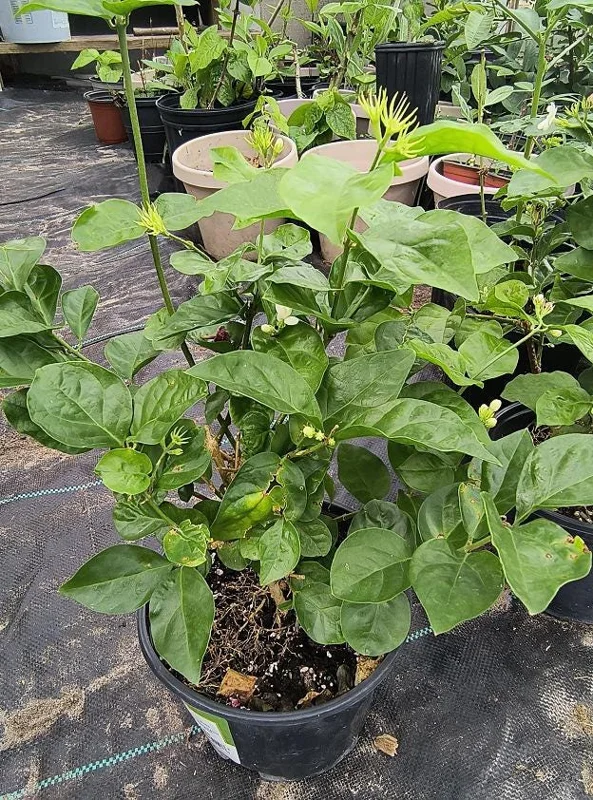
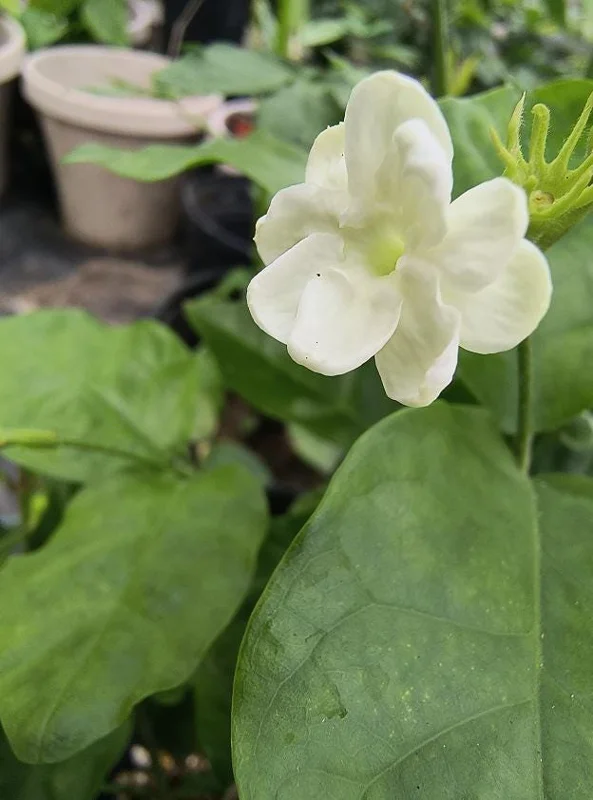
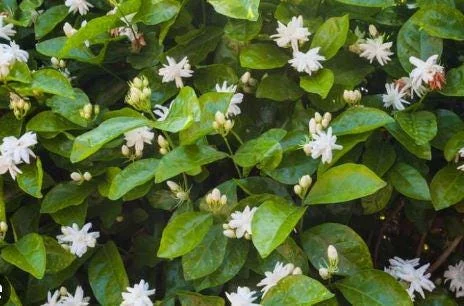
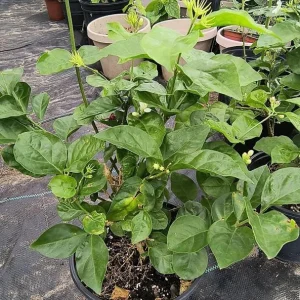
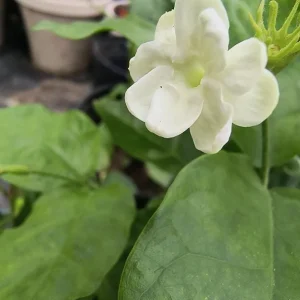
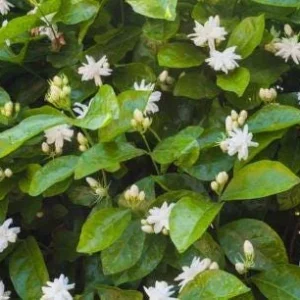
Arabic Jasmine Live Bush Plant – 4 inch Pot – Fragrant Indoor/Outdoor
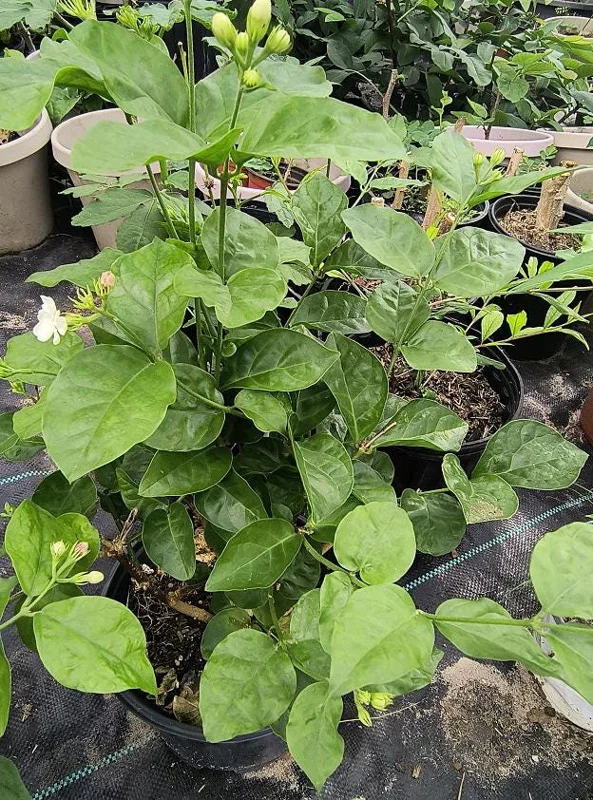
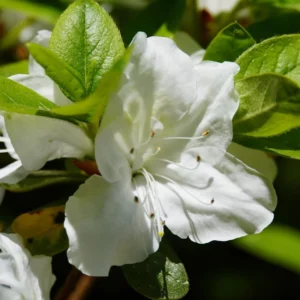
Bring exotic fragrance and beauty to your home or garden with this arabic jasmine bush plant. Arriving in a 4-inch pot, this versatile shrub thrives indoors or outdoors, producing delicate, highly scented white flowers. Easy to grow and perfect for enhancing any living space with its captivating aroma.
Original price was: $35.99.$27.99Current price is: $27.99.

With our Alive & Thrive Guarantee, we’ve got your back for the first 30 days! If you have any concerns about your plants, just reach out to us. Our team is here to help answer your questions and guide you in selecting the best plants for your garden, climate, and unique preferences. We're excited to help you create the garden of your dreams!
Estimated arrival
Mar 31
Apr 05 - Apr 07
Apr 10 - Apr 14

Product Details
-
USDA Hardiness Zone
USDA Zones 9-11 (outdoors), suitable for indoor growth in all zones -
Soil type
Well-draining potting mix -
Sunlight Exposure
Full sun to partial shade (outdoors), bright indirect light (indoors) -
Expected Planting Period
Year-round indoors, spring to early summer outdoors
Overview
Immerse yourself in the enchanting world of the arabic jasmine bush plant. Known botanically as Jasminum sambac, this exquisite shrub is celebrated globally for its intensely fragrant white blossoms that unfurl throughout the warmer months. Originating from tropical and subtropical regions, the arabic jasmine bush plant is a versatile beauty, equally at home as a charming potted specimen indoors or as a delightful addition to your outdoor garden in suitable climates. Its glossy green foliage provides a lush backdrop to the star-shaped flowers, which release their intoxicating aroma most strongly in the evening, creating a serene and romantic atmosphere. This particular offering provides a robust live plant, ready to thrive and fill your space with its captivating scent and elegant presence.
The arabic jasmine bush plant is more than just a pretty face; its flowers are steeped in cultural significance, often used in perfumes, teas, and traditional ceremonies across various cultures. This makes it not only a beautiful ornamental plant but also a conversation starter and a connection to ancient traditions. Whether you’re a seasoned gardener or a new plant parent, this jasmine variety offers a rewarding growing experience with its relatively easy care requirements and abundant, fragrant blooms. Get ready to transform your living environment into a fragrant sanctuary with this stunning plant.
Key Benefits
The arabic jasmine bush plant offers a multitude of benefits that make it a highly sought-after addition to any plant collection. Its compelling features contribute to both aesthetic appeal and sensory delight, ensuring a rewarding experience for its owner.
- Exquisite Fragrance: The primary draw of the arabic jasmine bush plant is its incredibly sweet and potent fragrance. Its white flowers release a captivating aroma, particularly in the evenings, which can naturally perfume your home or garden, creating a relaxing and inviting ambiance.
- Versatile Growth: This plant adapts well to various environments. It can be cultivated as an elegant houseplant, bringing its fragrance indoors, or planted in outdoor gardens, patios, or balconies in warmer climates, offering flexibility in its placement.
- Beautiful Blooms: Beyond the scent, the delicate, star-shaped white flowers are visually appealing, contrasting beautifully with the plant’s glossy, dark green foliage. These continuous blooms provide ongoing beauty throughout its growing season.
- Low Maintenance: Once established, the arabic jasmine bush plant is relatively easy to care for, making it suitable for both beginner and experienced gardeners. It requires consistent watering and adequate sunlight but is generally resilient.
- Cultural Significance: Jasminum sambac holds deep cultural importance in many parts of the world, used in teas, perfumes, and traditional ceremonies. Owning this plant connects you to a rich history and adds a layer of depth to its beauty.
- Air Purifying Qualities: Like many houseplants, the arabic jasmine can contribute to improved indoor air quality by absorbing certain toxins and releasing oxygen, adding to a healthier living environment.
- Attractive to Pollinators: When grown outdoors, the fragrant blossoms of the arabic jasmine bush plant can attract beneficial pollinators like bees and butterflies, contributing to garden biodiversity.
Plant Care & Growing Tips
Caring for your arabic jasmine bush plant is a rewarding experience, leading to abundant fragrant blooms. This plant thrives with consistent attention to its basic needs. For optimal growth, provide plenty of sunlight. It prefers full sun to partial shade, meaning at least 6 hours of direct sunlight per day when grown outdoors. If kept indoors, place it near a south or west-facing window where it can receive bright, indirect light for most of the day, with some direct sun exposure. Insufficient light can lead to sparse flowering, so ensure it gets adequate illumination.
Watering is crucial for a healthy jasminum sambac plant. Keep the soil consistently moist but never waterlogged. Allow the top inch of soil to dry out slightly between waterings. Overwatering can lead to root rot, so ensure your pot has good drainage. During the growing season (spring and summer), you may need to water more frequently. Reduce watering in the cooler months. A well-draining potting mix is essential; a mix designed for flowering plants or a general-purpose potting mix amended with perlite or sand works well. Fertilize every 2-4 weeks during the active growing season with a balanced liquid fertilizer, or one slightly higher in phosphorus to encourage blooming. Reduce or stop fertilizing during fall and winter.
The arabic jasmine care routine also includes maintaining appropriate temperatures and humidity. This tropical plant prefers warm temperatures, ideally between 60-80°F (15-27°C). Protect it from frost, as it is not cold-hardy (USDA zones 9-11). If growing outdoors in a cooler climate, it should be brought indoors before the first frost. High humidity is beneficial, especially for indoor plants; misting regularly or placing the pot on a pebble tray with water can help. Pruning after a flush of blooms encourages bushier growth and more flowers. Trim back leggy stems and remove any spent flowers to keep your fragrant jasmine plant looking its best and producing new growth. Watch out for common pests like spider mites and aphids; address them promptly with insecticidal soap if noticed.
Size & Details
This offering is for one live arabic jasmine bush plant, delivered ready to thrive in a 4-inch nursery pot. The plant typically stands approximately 6-10 inches tall from the base of the pot to the top of the foliage upon arrival, though exact size may vary slightly due to natural growth patterns. Its compact size makes it ideal for immediate display on windowsills, desks, or as a charming accent in your garden. The jasminum sambac plant is a relatively fast grower in ideal conditions, and with proper care, it can reach a mature height of 2-4 feet when grown in a container, or up to 6-8 feet if allowed to spread in the ground in suitable climates. It will arrive with established roots and healthy foliage, packed securely to ensure a safe journey to your home. Expect abundant fragrant blooms throughout the warmer months, typically from spring through fall, once the plant has settled into its new environment.
Frequently Asked Questions
- Q: How big does this plant get? A: This arabic jasmine bush plant arrives in a 4-inch pot, typically 6-10 inches tall. With proper care, it can grow to 2-4 feet in a container, or up to 8 feet in the ground in warm climates.
- Q: Is this an indoor or outdoor plant? A: The arabic jasmine care allows it to be grown both indoors and outdoors. It thrives indoors in bright, indirect light or outdoors in full sun to partial shade in USDA Zones 9-11.
- Q: How much sunlight does it need? A: This fragrant jasmine plant requires at least 6 hours of direct sunlight when outdoors. If kept indoors, place it near a bright window with ample indirect light and some direct morning sun.
- Q: Is this plant easy to care for? A: Yes, the arabic jasmine bush plant is considered relatively easy to care for, making it suitable for gardeners of all experience levels. Consistent watering and adequate light are key.
- Q: What condition will it arrive in? A: Your plant will arrive as a healthy, established live plant in a 4-inch nursery pot, securely packaged to ensure its safety during transit. It will have well-developed roots and vibrant foliage.
- Q: Can I use the flowers for tea or perfume? A: Yes, the flowers of Jasminum sambac are traditionally used to flavor jasmine tea and extract essential oils for perfumes. Ensure the plant is grown organically if you plan to consume its flowers.
- Q: How often should I water my indoor jasmine plant? A: Water your indoor jasmine plant when the top inch of soil feels dry to the touch. Keep the soil consistently moist but never soggy, and ensure proper drainage to prevent root rot.
- Q: When is the best time for blooming? A: The arabic jasmine bush plant typically blooms profusely from spring through fall in warmer climates, with flushes of fragrant flowers appearing repeatedly throughout these seasons.
- Q: What USDA Hardiness Zone is this plant suitable for? A: This jasminum sambac plant is best suited for USDA Hardiness Zones 9-11 for outdoor year-round growth. In colder zones, it should be grown in a container and brought indoors during winter.
- Q: Is this plant pet-safe? A: While Jasminum sambac is generally not considered highly toxic, it’s always best to keep plants out of reach of pets to prevent any potential mild digestive upset.
Related products
-50%
Original price was: $49.98.$24.99Current price is: $24.99.
-20%
Original price was: $76.00.$60.80Current price is: $60.80.
-50%
Original price was: $63.00.$31.50Current price is: $31.50.
-10%
Original price was: $23.99.$21.59Current price is: $21.59.
PLANTING & CARE

The Comprehensive Guide to Growing Bay Leaf Plants for a Flavorful Garden
Imagine stepping into your garden, greeted by the earthy aroma of fresh bay leaves, their
09
Feb
Feb

How to Make Comfrey Tea: The Ultimate Organic Plant Food
Growing an organic garden can be surprisingly expensive, especially when most store-bought fertilizers come in
02
Feb
Feb

True Comfrey: 7 Essential Tips Before You Plant This Herb
A staple in permaculture practices across the US, True Comfrey easily earns its reputation as
27
Jan
Jan

7 Heart-Shaped Plants for a Lasting Valentine’s Gift
If you’ve ever bought a bouquet of roses for Valentine’s Day, you know they are
26
Jan
Jan

Best Types of Ivy Plant for Houses: How to Choose the Perfect Ones for Your Home
Are you a garden lover looking to introduce some greenery into your home? Maybe you’ve
14
Nov
Nov

When to Harvest Garlic (Especially Fall-Planted Garlic)
TIMING IS EVERYTHING, they say – and for garlic, that truth hits with surprising accuracy.
13
Nov
Nov

11 of the Best Sweet Potato Varieties to Grow for Your Garden
If you’ve ever tried growing sweet potatoes, you know that picking the right variety can
12
Nov
Nov
Pruning Bougainvillea for Winter
Bougainvillea vines are known for their dazzling display of magenta, orange, and fuchsia bracts that
05
Nov
Nov