Arapaho Thornless Blackberry Live Plant – 3-8″ Tall – Rubus fruticosus for Garden & Orchard
-30%
Arapaho Thornless Blackberry Live Plant – 3-8″ Tall – Rubus fruticosus for Garden & Orchard
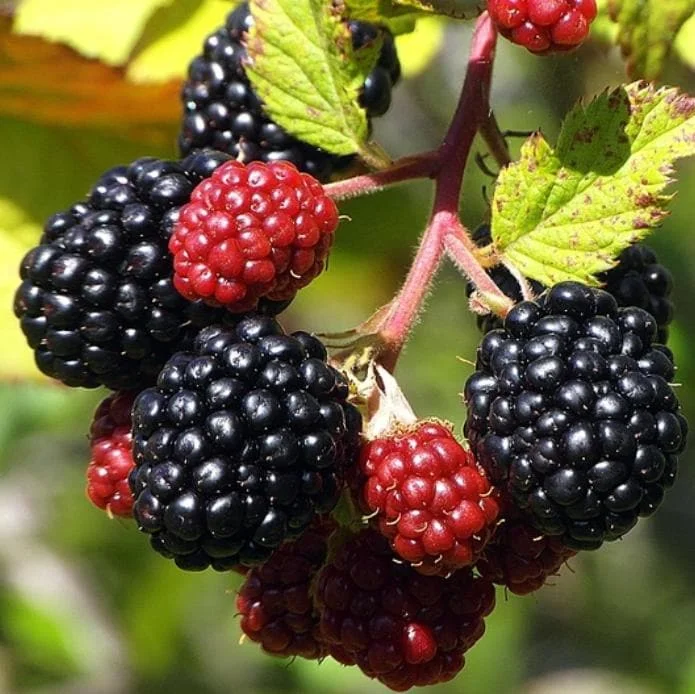
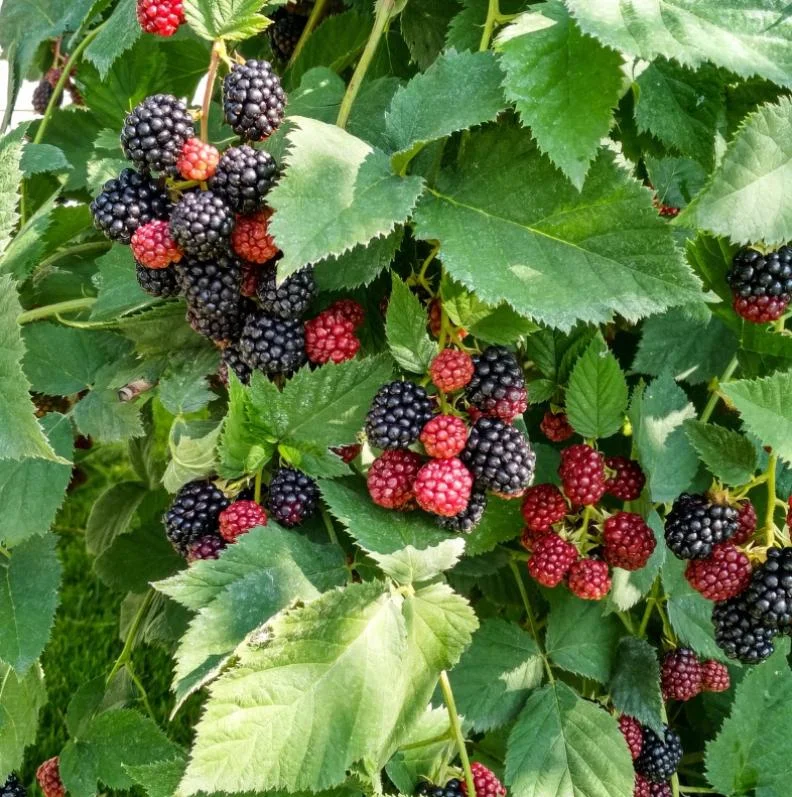
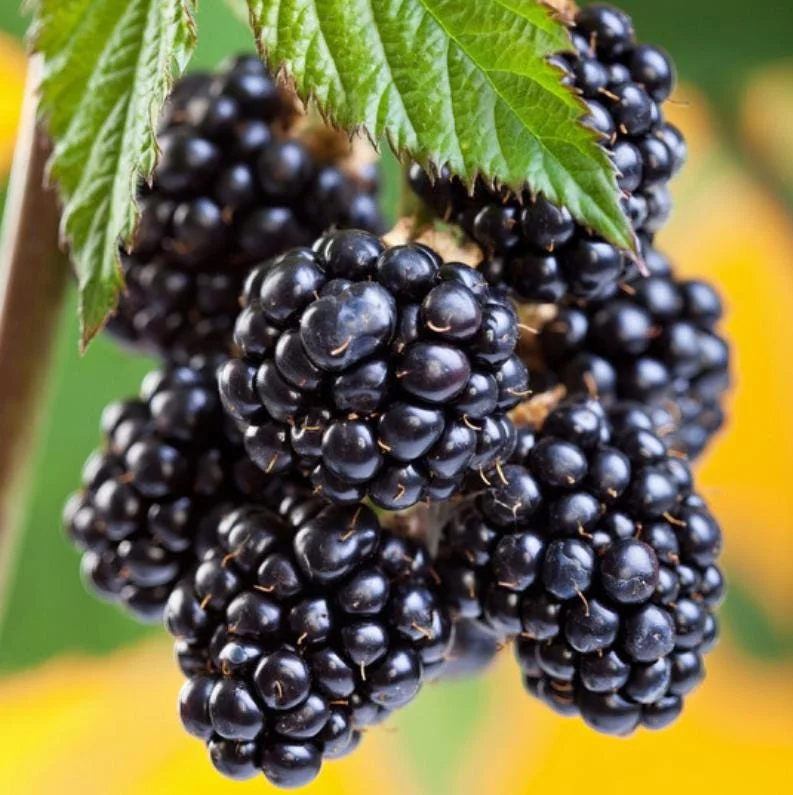
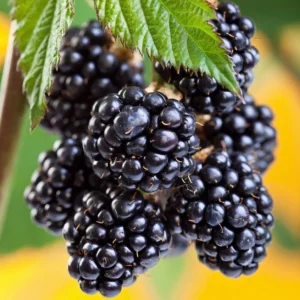
Cultivate your own sweet and juicy berries with the Arapaho blackberry live plant. This thornless variety of Rubus fruticosus is ideal for home gardens and orchards, providing abundant fruit and easy harvesting. Enjoy fresh blackberries straight from your backyard.
Original price was: $26.39.$18.47Current price is: $18.47.

With our Alive & Thrive Guarantee, we’ve got your back for the first 30 days! If you have any concerns about your plants, just reach out to us. Our team is here to help answer your questions and guide you in selecting the best plants for your garden, climate, and unique preferences. We're excited to help you create the garden of your dreams!
Estimated arrival
Oct 21
Oct 26 - Oct 28
Oct 31 - Nov 04
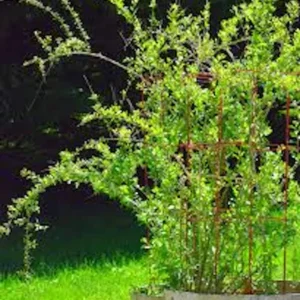
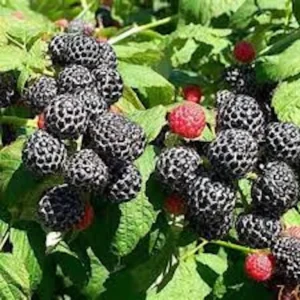
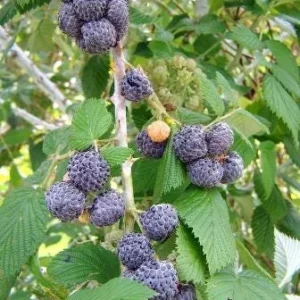
Product Details
-
USDA Hardiness Zone
USDA zones 5-9 -
Soil type
Well-draining, fertile, slightly acidic to neutral soil -
Sunlight Exposure
Full sun (6-8+ hours direct sunlight) -
Expected Planting Period
Early spring to early summer, or early fall
Overview
Experience the joy of harvesting your own succulent fruit with the arapaho blackberry live plant. This exceptional variety, scientifically known as Rubus fruticosus ‘Arapaho’, is celebrated for its delicious, juicy berries and, most notably, its thornless canes, making cultivation and picking a pleasure. Unlike many traditional blackberry varieties, the absence of thorns means you can tend to your plants and collect your harvest without the usual prickles. This makes the arapaho blackberry live plant an ideal choice for families with children or anyone seeking a more user-friendly fruiting shrub. Originating from Arkansas, the ‘Arapaho’ is a popular choice for home gardeners across the United States due to its adaptability and reliable production. It’s a fantastic addition to any garden, providing both ornamental appeal with its lush green foliage and the rewarding bounty of fresh, flavorful fruit.
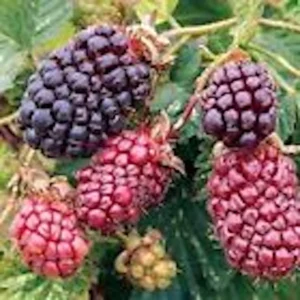
When you choose a thornless blackberry plant like the ‘Arapaho’, you’re investing in a long-term source of healthy, organic produce. These plants are known for their vigorous growth and ability to produce a significant yield of medium-sized, firm, and incredibly sweet berries. They are perfect for eating fresh, baking into pies and cobblers, making jams and jellies, or simply freezing for later enjoyment. The ‘Arapaho’ variety is also known for its early ripening season, often being one of the first blackberries to produce fruit, allowing you to enjoy your harvest sooner. This live plant will arrive ready to thrive in your garden, establishing quickly to begin its journey towards bountiful production.
Key Benefits
Adding an arapaho blackberry live plant to your garden offers a multitude of advantages, combining ease of care with a rewarding harvest. This particular variety stands out for several compelling reasons:
- Effortless Harvesting: The primary benefit of the ‘Arapaho’ is its thornless canes. This feature makes picking berries a pain-free experience, encouraging more frequent harvesting and making it safe for children to help. No more scratches or torn clothing, just pure enjoyment of your fresh fruit.
- Delicious & Nutritious Fruit: These plants produce sweet, firm, and juicy blackberries that are perfect for a variety of culinary uses. Blackberries are rich in antioxidants, vitamins, and fiber, contributing to a healthy diet directly from your backyard.
- Vigorous & Productive Growth: Rubus fruticosus plant ‘Arapaho’ is known for its strong growth habit and high yield. With proper care, you can expect a generous harvest season after season, providing an abundance of fruit for your family.
- Early Ripening Season: The ‘Arapaho’ is one of the earliest ripening thornless blackberry varieties, allowing you to enjoy fresh berries earlier in the summer compared to many other types. This extends your fresh fruit season.
- Adaptable & Resilient: This thornless blackberry plant is well-suited to a range of climates and soil conditions, making it a reliable choice for many gardeners. It shows good disease resistance and generally performs well with minimal fuss.
- Attractive Garden Addition: Beyond its fruit production, the ‘Arapaho’ blackberry plant offers attractive green foliage that can enhance the aesthetics of your garden or home orchard. Its vigorous growth can also provide some natural screening.
- Versatile Culinary Use: The sweet tang of these blackberries makes them incredibly versatile. Enjoy them fresh, in smoothies, baked goods, jams, jellies, and sauces. Having a constant supply means endless culinary possibilities.
Plant Care & Growing Tips
Proper care is essential to ensure your arapaho blackberry live plant thrives and produces an abundant harvest. These plants are relatively low-maintenance once established, but a good start makes all the difference. For optimal growth, choose a site that receives at least 6-8 hours of direct sunlight per day. Full sun is crucial for maximizing fruit production and sweetness. While they can tolerate some partial shade, yields will be significantly reduced. Ensure good air circulation around the plants to prevent fungal diseases, which can affect the overall health of your rubus fruticosus plant.
When it comes to watering, consistent moisture is key, especially during fruiting periods. The soil should be kept evenly moist but never waterlogged. Deep watering once or twice a week is generally better than shallow, frequent watering, as it encourages deeper root growth. Well-draining soil is paramount for growing blackberries at home. Blackberries prefer slightly acidic to neutral soil (pH 6.0-7.0) that is rich in organic matter. Amend heavy clay soils with compost or peat moss to improve drainage and aeration. For sandy soils, adding organic matter will help with water retention. Fertilize in early spring with a balanced slow-release fertilizer or compost, and again after the first harvest. Avoid over-fertilizing, especially with high-nitrogen formulas, which can promote leafy growth at the expense of fruit.
Pruning is critical for maintaining plant health and maximizing fruit yield for your blackberry plant care routine. ‘Arapaho’ is an erect thornless variety, meaning it doesn’t require a trellis but benefits from support to prevent canes from flopping. Blackberries produce fruit on floricanes (second-year canes). After fruiting, these canes will die and should be pruned back to the ground. New primocanes (first-year canes) will emerge and produce fruit the following year. Remove weak or damaged canes and thin out new growth to maintain good air circulation. Protect plants in colder zones during winter by mulching heavily around the base or covering them if temperatures drop significantly below their hardiness range. Vigilant pest and disease monitoring, coupled with prompt action, will help keep your thornless blackberry plant healthy and productive for many years.
Size & Details
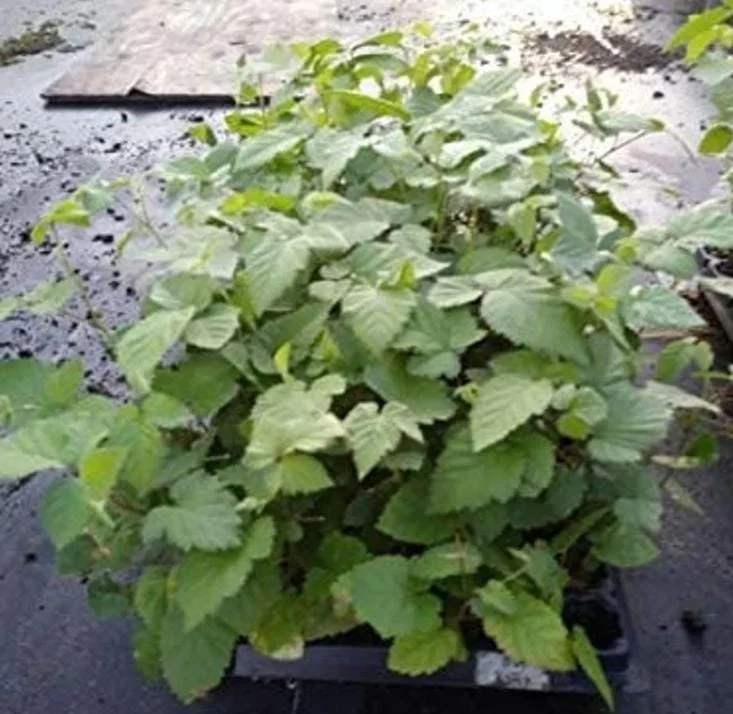
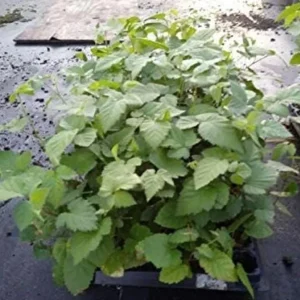
This offering is for one arapaho blackberry live plant, typically measuring 3-8 inches tall upon arrival. These young plants are shipped without a pot, as bare roots or small plugs, carefully prepared for transplanting into your garden or a larger container. This method ensures minimal transplant shock and allows the plant to establish quickly in its new environment. The ‘Arapaho’ variety is known for its erect growth habit, meaning it grows upright and can reach heights of 5-6 feet with a spread of 3-4 feet at maturity. While it doesn’t strictly require trellising, providing some support can help manage its vigorous growth and keep the heavy fruit-laden canes from bending over. Expect this rubus fruticosus plant to begin producing fruit in its second year, with an early ripening season that typically starts in late spring to early summer, depending on your climate zone. The berries are medium-sized, firm, and have an excellent sweet flavor, making them ideal for fresh eating and preserving. With proper care, your plant will establish quickly and become a prolific producer of delicious, thornless blackberries for years to come.
Frequently Asked Questions
- Q: How big will this arapaho blackberry live plant get? A: The ‘Arapaho’ variety is an erect blackberry, meaning it grows upright. With optimal conditions, it can reach a mature height of 5-6 feet and spread about 3-4 feet wide.
- Q: Is this an indoor or outdoor plant? A: This thornless blackberry plant is an outdoor fruiting shrub. It requires full sun exposure and is best suited for planting directly in the garden or a very large outdoor container.
- Q: How much sunlight does the rubus fruticosus plant need? A: For the best fruit production and plant health, your ‘Arapaho’ blackberry needs at least 6-8 hours of direct sunlight per day. Full sun is highly recommended.
- Q: Is this blackberry plant easy to care for? A: Yes, the ‘Arapaho’ is considered relatively easy to care for, especially because it’s thornless, simplifying harvesting and pruning. Consistent watering, good soil, and annual pruning are key aspects of blackberry plant care.
- Q: What condition will the plant arrive in? A: The plant will arrive as a healthy, young live plant, typically 3-8 inches tall, shipped without a pot (bare root or small plug) and ready for immediate planting.
- Q: How long until it produces fruit? A: Blackberry plants typically begin to produce fruit in their second year after planting. The ‘Arapaho’ is known for its early ripening season, often yielding berries in late spring to early summer.
- Q: What is the best time for growing blackberries at home? A: The best time to plant ‘Arapaho’ blackberry plants is in early spring after the danger of hard frost has passed, or in early fall in milder climates.
- Q: Will it survive winter in my zone? A: The ‘Arapaho’ blackberry is hardy in USDA zones 5-9. In colder zones (5-6), some winter protection like mulching may be beneficial.
- Q: What type of soil is best for this thornless blackberry plant? A: Blackberries prefer well-draining, fertile soil that is rich in organic matter. A slightly acidic to neutral pH (6.0-7.0) is ideal.
Related products
-10%
Original price was: $65.00.$58.50Current price is: $58.50.
-20%
Original price was: $80.00.$64.00Current price is: $64.00.
-20%
Original price was: $34.00.$27.20Current price is: $27.20.
-20%
Original price was: $36.00.$28.80Current price is: $28.80.
-10%
Original price was: $158.00.$142.20Current price is: $142.20.
-20%
Original price was: $32.00.$25.60Current price is: $25.60.
-20%
Original price was: $32.00.$25.60Current price is: $25.60.
PLANTING & CARE
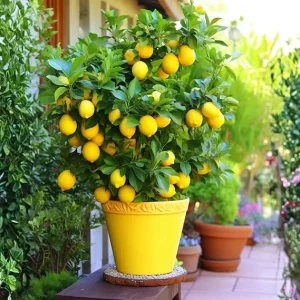
Lemon Tree Growing: Choose, Plant, and Harvest
Learn how to choose, plant, feed, and protect a lemon tree so it fits your
23
Sep
Sep
Dwarf Meyer Lemon Tree Australia: Climate Guide
Learn where dwarf Meyer lemon trees grow, how much cold they tolerate, and whether Australia,
Where to Buy a Dwarf Meyer Lemon Tree: Buyer’s Guide
Find the right dwarf Meyer lemon tree online or locally, compare starter sizes and costs,
Dwarf Meyer Lemon Tree for Sale: Buying Guide
Compare Meyer lemon tree sizes, prices, shipping limits, indoor growing and California options before you
Dwarf Meyer Lemon Tree Guide: Size, Care and Fruit
META: Learn how large a dwarf Meyer lemon tree grows, where it thrives, and how
How to Prune a Dwarf Meyer Lemon Tree
Learn when and how to prune a dwarf Meyer lemon tree, including tools, shaping cuts,
Can You Grow a Dwarf Meyer Lemon Tree in a Pot?
META: Learn how to grow a dwarf Meyer lemon tree in a pot, including container
When Do Dwarf Meyer Lemon Trees Bloom and Fruit?
META: Dwarf Meyer lemon trees usually bloom from winter through spring and may flower again