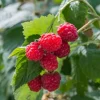
Raspberry Live Plant – Rubus idaeus – Hardy Berry Bush for Garden – 2-5″ Tall
-30%


Raspberry Live Plant – Rubus idaeus – Hardy Berry Bush for Garden – 2-5″ Tall
Cultivate your own sweet and juicy berries with this raspberry live plant. Perfect for gardens, containers, or home orchards, this hardy berry plant offers delicious fruit and is easy to grow. Enjoy fresh raspberries straight from your backyard!
Original price was: $26.39.$18.47Current price is: $18.47.

With our Alive & Thrive Guarantee, we’ve got your back for the first 30 days! If you have any concerns about your plants, just reach out to us. Our team is here to help answer your questions and guide you in selecting the best plants for your garden, climate, and unique preferences. We're excited to help you create the garden of your dreams!
Estimated arrival
Oct 21
Oct 26 - Oct 28
Oct 31 - Nov 04
Product Details
-
USDA Hardiness Zone
USDA Zones 4-8 -
Soil type
Well-draining, loamy, slightly acidic soil -
Sunlight Exposure
Full sun -
Expected Planting Period
Early spring or late fall
Overview
Bring the joy of fresh, homegrown fruit to your garden with this exceptional raspberry live plant. Scientifically known as Rubus idaeus, this variety is celebrated for its delicious berries and robust growth. Our raspberry live plant arrives ready to thrive, offering you the opportunity to cultivate your own supply of sweet, succulent raspberries. Whether you’re an experienced gardener or just starting out, this plant is a rewarding addition to any landscape. Imagine picking ripe, juicy raspberries directly from your own garden, a taste far superior to store-bought varieties. This plant is not only productive but also adds a lovely green texture to your outdoor space, making it a functional and beautiful choice for any home orchard or garden bed.
The Rubus idaeus species is widely recognized for its vigor and adaptability, making it an excellent choice for various climates. This particular Rubus idaeus plant is selected for its hardiness and ability to produce abundant fruit. It’s a perfect specimen for those looking to establish a sustainable source of berries. The plant’s structure and growth habit also make it suitable for different growing methods, from traditional row planting to more compact container gardening. Embrace the satisfaction of growing your own food and enjoy the health benefits that come with fresh, organic produce. This raspberry live plant is more than just a plant; it’s an investment in delicious, healthy living.
Key Benefits
This raspberry live plant offers a multitude of benefits, making it a highly desirable addition to any garden or home orchard. Its combination of delicious fruit, ease of care, and ornamental appeal ensures a rewarding experience for any gardener.
- Delicious Homegrown Fruit: Enjoy a steady supply of sweet, fresh raspberries, perfect for eating fresh, baking, jams, or freezing. The taste of homegrown berries is unmatched.
- Hardy and Resilient: As a hardy berry plant, it can withstand various environmental conditions, making it a reliable choice for many regions. It’s built to last and produce year after year.
- Versatile Growing Options: Suitable for planting directly in the garden, raised beds, or even large containers, offering flexibility for different garden sizes and styles. You can grow raspberries almost anywhere.
- Attractive Garden Addition: Beyond its fruit, the raspberry bush provides lush green foliage and delicate flowers, adding aesthetic value to your landscape. It’s a beautiful and productive plant.
- Nutrient-Rich Produce: Raspberries are packed with vitamins, antioxidants, and fiber, contributing to a healthy diet. Growing your own ensures organic, chemical-free produce.
- Supports Pollinators: The flowers of the Rubus idaeus plant attract bees and other beneficial pollinators, contributing to a healthier local ecosystem.
- Long Production Season: With proper care, raspberry plants can produce fruit for several weeks, providing a continuous harvest throughout the summer or fall.
Plant Care & Growing Tips
Caring for your raspberry live plant is straightforward, ensuring a bountiful harvest with a few key practices. Raspberries thrive in full sun, meaning they need at least 6-8 hours of direct sunlight per day to produce the best fruit. Choose a location in your garden that receives ample sun exposure throughout the day. If growing in containers, ensure they are placed in a sunny spot. Good air circulation is also important to prevent fungal diseases, so avoid overly crowded planting areas.
When it comes to watering, consistent moisture is crucial, especially during fruiting periods. The soil should be kept evenly moist but not waterlogged. Water deeply once or twice a week, more frequently during hot, dry spells. Well-draining soil is essential to prevent root rot; a rich, loamy soil with a slightly acidic pH (5.5-6.5) is ideal. Amend heavy clay soils with organic matter like compost to improve drainage and aeration. Fertilize your raspberry live plant in early spring with a balanced fertilizer or compost to encourage vigorous growth and fruit production. Pruning is also vital for maintaining plant health and maximizing yields; consult specific guides for your raspberry type (summer-bearing or ever-bearing) to determine the best pruning schedule.
This hardy berry plant is generally suited for USDA Zones 4-8, though specific varieties may have slightly different requirements. Protect young plants from extreme temperatures. Common problems include diseases like powdery mildew and pests such as aphids or Japanese beetles. Early detection and organic pest control methods can help manage these issues effectively. By following these guidelines, you can ensure your grow raspberries successfully and enjoy a delicious harvest for years to come.
Size & Details
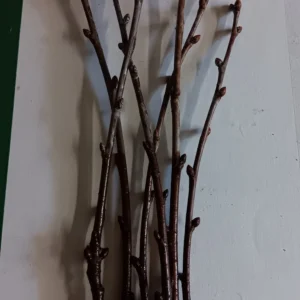
This raspberry live plant is shipped as a young, actively growing specimen, typically ranging from 2 to 5 inches tall at the time of shipment. It is a bare-root plant, meaning it is shipped without a pot or soil to minimize transplant shock and reduce shipping costs. Upon arrival, it should be planted promptly into a suitable garden bed or container. Raspberry plants are known for their relatively fast growth rate once established, quickly developing into productive canes.
Expect your Rubus idaeus plant to begin producing fruit within one to two years after planting, with full production achieved in subsequent years. The exact size and vigor will depend on growing conditions and specific variety, but these hardy plants are designed to establish well and provide a continuous yield of delicious berries. With proper care, they can form a substantial raspberry bush, offering an abundant harvest season after season. Ensure you provide adequate space for growth, as raspberry canes can spread and produce suckers.
Frequently Asked Questions
- Q: How big does this plant get? A: A mature raspberry live plant can typically reach heights of 3-6 feet and spread outwards, forming a bush. The exact size depends on the variety and growing conditions, but regular pruning helps manage its size.
- Q: Is this an indoor or outdoor plant? A: This hardy berry plant is primarily an outdoor plant, thriving in garden beds, raised beds, or large outdoor containers where it can receive full sun and proper air circulation. It is not suitable for indoor cultivation.
- Q: How much sunlight does it need? A: Raspberry plants require a minimum of 6-8 hours of direct sunlight per day for optimal growth and fruit production. Choose a sunny location in your garden or a spot on your patio that gets full sun.
- Q: Is this plant easy to care for? A: Yes, grow raspberries is relatively easy with proper attention to sunlight, watering, and annual pruning. They are a great choice for both beginner and experienced gardeners looking for a low-maintenance fruit plant.
- Q: What condition will it arrive in? A: Your raspberry live plant will arrive as a bare-root specimen, meaning it will not have soil or a pot. This method ensures safe transport and minimizes stress, allowing for quick establishment once planted.
- Q: When is the best time to plant? A: The best time to plant bare-root raspberry plants is typically in early spring, after the last frost, or in late fall before the ground freezes. This allows the plant to establish its root system before extreme temperatures.
- Q: Will it survive winter in my zone? A: This Rubus idaeus plant is a hardy variety, generally suitable for USDA Zones 4-8. In colder zones, some winter protection may be beneficial, such as mulching or covering the canes.
- Q: How long until it produces fruit? A: You can typically expect your raspberry live plant to start producing fruit within 1-2 years after planting, with a more substantial harvest in subsequent years as the plant matures.
- Q: Can I grow this plant in a container? A: Yes, you can grow raspberries in large containers (at least 15-20 gallons) with good drainage. Ensure the container is placed in a sunny location and the plant receives consistent watering.
- Q: What kind of soil is best for raspberries? A: Raspberries prefer well-draining, loamy soil rich in organic matter with a slightly acidic pH (5.5-6.5). Avoid heavy clay soils that retain too much moisture.
Related products
-20%
Original price was: $60.00.$48.00Current price is: $48.00.
-50%
Original price was: $39.98.$19.99Current price is: $19.99.
-20%
Original price was: $31.98.$25.58Current price is: $25.58.
-10%
Original price was: $65.00.$58.50Current price is: $58.50.
-7%
Original price was: $105.99.$98.99Current price is: $98.99.
-20%
Original price was: $32.00.$25.60Current price is: $25.60.
-20%
Original price was: $34.00.$27.20Current price is: $27.20.
PLANTING & CARE
Lemon Tree Growing: Choose, Plant, and Harvest
Learn how to choose, plant, feed, and protect a lemon tree so it fits your
23
Sep
Sep
Dwarf Meyer Lemon Tree Australia: Climate Guide
Learn where dwarf Meyer lemon trees grow, how much cold they tolerate, and whether Australia,
Where to Buy a Dwarf Meyer Lemon Tree: Buyer’s Guide
Find the right dwarf Meyer lemon tree online or locally, compare starter sizes and costs,
Dwarf Meyer Lemon Tree for Sale: Buying Guide
Compare Meyer lemon tree sizes, prices, shipping limits, indoor growing and California options before you
Dwarf Meyer Lemon Tree Guide: Size, Care and Fruit
META: Learn how large a dwarf Meyer lemon tree grows, where it thrives, and how
How to Prune a Dwarf Meyer Lemon Tree
Learn when and how to prune a dwarf Meyer lemon tree, including tools, shaping cuts,
Can You Grow a Dwarf Meyer Lemon Tree in a Pot?
META: Learn how to grow a dwarf Meyer lemon tree in a pot, including container
When Do Dwarf Meyer Lemon Trees Bloom and Fruit?
META: Dwarf Meyer lemon trees usually bloom from winter through spring and may flower again