Ayers Pear Grafted Fruit Tree – Bare-Root – Disease Resistant – Zones 5-8
Ayers Pear Grafted Fruit Tree – Bare-Root – Disease Resistant – Zones 5-8
Cultivate your own orchard with the exceptional Ayers Pear Grafted Fruit Tree. This bare-root heirloom variety is celebrated for its incredibly sweet, melting flesh and beautiful seasonal display. Enjoy abundant, disease-resistant fruit perfect for fresh eating or cooking, thriving in USDA zones 5-8.
From $71.80

With our Alive & Thrive Guarantee, we’ve got your back for the first 30 days! If you have any concerns about your plants, just reach out to us. Our team is here to help answer your questions and guide you in selecting the best plants for your garden, climate, and unique preferences. We're excited to help you create the garden of your dreams!
Estimated arrival
Apr 03
Apr 08 - Apr 10
Apr 13 - Apr 17
Product Details
-
USDA Hardiness Zone
USDA Zones 5-8 -
Soil type
Well-draining loamy soil -
Sunlight Exposure
Full sun -
Expected Planting Period
Late winter to early spring
Overview
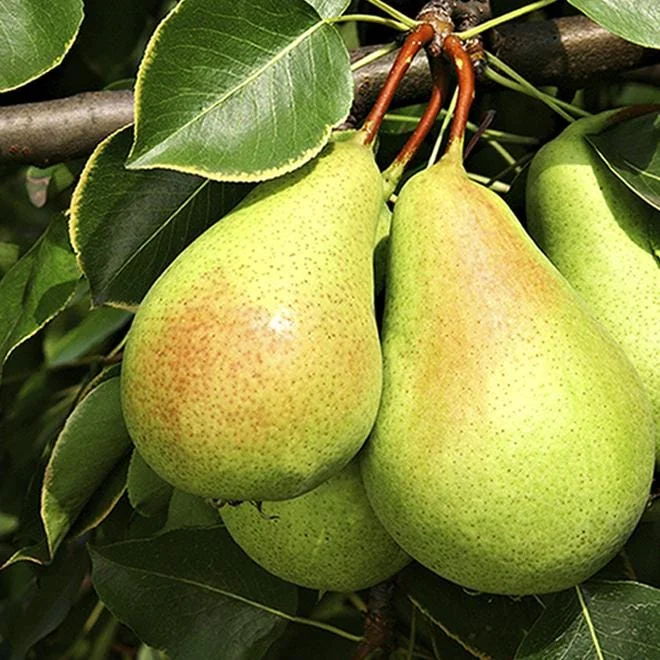
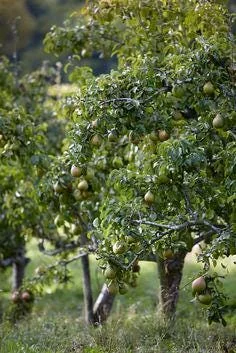
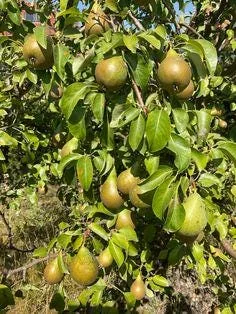
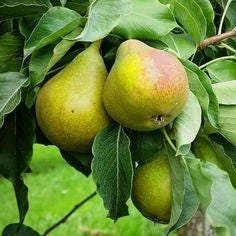
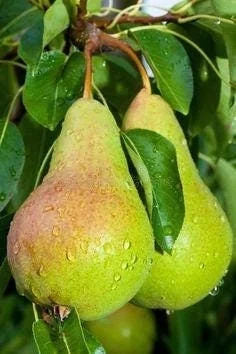
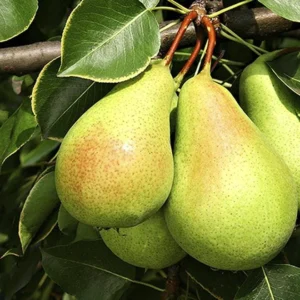
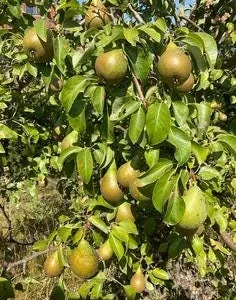
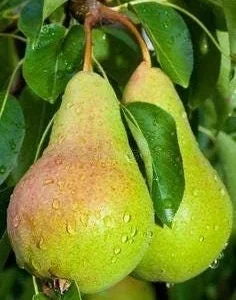
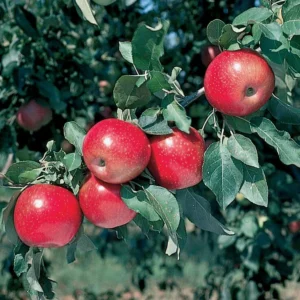
Bring the joy of homegrown fruit to your garden with the remarkable Ayers Pear Grafted Fruit Tree. This bare-root specimen offers a chance to cultivate an heirloom variety renowned for its exceptional flavor and robust growth. The Ayers Pear tree is a true garden gem, beginning its annual spectacle with crisp white blossoms in spring, followed by lush, dark green foliage that provides welcome shade throughout the summer. As autumn arrives, the leaves transform into vibrant shades of red, adding a touch of elegance to any landscape. The fruits themselves are a delight: pleasingly rounded, with a deep buttery yellow skin beautifully blushed with red. We highly recommend this pear for its smooth, melting flesh and an incomparable flavor reminiscent of pear nectar, literally as sweet as sugar. These pears boast a high sugar content, making them a delicious mid-Summer treat and ranking among the outstanding dessert pears available today. Whether eaten fresh or cooked, the Ayers Pear Grafted Fruit Tree delivers a superior fruit experience.
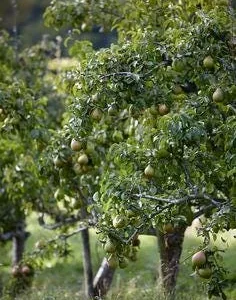
This hardy and adaptable pear tree thrives in USDA growing zones 5-8, reaching a mature height of 15-20 feet. It’s an excellent choice for those looking for a reliable and productive fruit tree that requires minimal intervention. The Ayers Pear Grafted Fruit Tree is known for its excellent vigor and produces annually, often yielding fruit that is sweet right as it falls from the tree, without the need for cold storage to develop its flavor. This makes it a highly desirable addition to any home orchard or edible landscape.
Key Benefits
The Ayers Pear Grafted Fruit Tree offers a multitude of advantages for the home gardener, combining aesthetic beauty with bountiful harvests:
- Superior Fruit Quality: Enjoy incredibly sweet, buttery-fleshed pears with a distinct pear nectar flavor. These high-sugar fruits are perfect for fresh eating, canning, or cooking, providing a delightful mid-summer harvest.
- Exceptional Disease Resistance: This variety is notably resistant to common pear diseases like Fire Blight and scab, making it an ideal choice for a ‘no-spray’ situation, reducing the need for chemical treatments.
- Beautiful Seasonal Display: From delicate white spring blossoms to glossy summer foliage and vibrant red autumn leaves, the Ayers pear tree adds year-round beauty to your landscape.
- Reliable Annual Production: Known for its consistent vigor, the Ayers Pear Grafted Fruit Tree reliably produces a good crop of fruit each year, ensuring a steady supply of delicious pears for your family.
- Adaptable & Hardy: Thriving across a wide range of climates (USDA zones 5-8), this pear tree is a robust and resilient choice for many gardeners, offering excellent adaptability to various growing conditions.
- Easy to Grow as a bare root fruit tree: As a bare-root specimen, it establishes well and grows vigorously, quickly developing into a productive fruit-bearing tree with proper care.
- Versatile Culinary Uses: The sweet fruit of the Ayers Pear Grafted Fruit Tree can be enjoyed fresh off the tree, baked into pies, made into preserves, or used in various other culinary creations.
Plant Care & Growing Tips
Caring for your Ayers Pear Grafted Fruit Tree is straightforward, especially given its inherent hardiness and disease resistance. For optimal growth and fruit production, select a site with full sun exposure, meaning at least 6-8 hours of direct sunlight per day. Good air circulation is also beneficial to prevent fungal issues. When planting your bare root fruit tree, ensure the graft union is positioned several inches above the soil line. Dig a hole wide enough to accommodate the roots without bending them, and backfill with well-draining soil, ensuring no air pockets remain around the roots.
Watering is crucial during the establishment phase. Keep the soil consistently moist but never waterlogged. Once established, the Ayers Pear Grafted Fruit Tree is relatively drought-tolerant but will benefit from deep watering during dry spells, especially when fruit is developing. The ideal soil type is a rich, well-draining loam with a pH between 6.0 and 7.0. While this variety shows good resistance to scab and Fire Blight in a no-spray situation, general good orchard hygiene, such as removing fallen leaves and pruning dead branches, will further support its health. Fertilize in early spring with a balanced fruit tree fertilizer according to package directions, avoiding excessive nitrogen which can encourage leafy growth over fruit production.
Pruning should be done in late winter while the tree is dormant. Focus on developing a strong central leader or open vase shape to allow for good light penetration and air circulation. Remove any crossing, damaged, or weak branches. The tree is suitable for plant hardiness zones 5-7, but the original text also stated 5-8, indicating a broad range of adaptability. This disease resistant pear tree is an excellent choice for those seeking a low-maintenance yet highly rewarding fruit tree. Pay attention to early signs of pests, though its natural vigor often keeps them at bay. Consistent care will ensure a bountiful harvest of sweet dessert pears for years to come.
Size & Details
This offering is for an Ayers Pear Grafted Fruit Tree provided as a bare-root specimen. Bare-root trees are dormant plants shipped without soil around their roots, making them an economical and effective way to establish new fruit trees. Upon arrival, the roots should be kept moist until planting. The mature height of the Ayers Pear tree typically ranges from 15-20 feet, with a similar spread, creating a substantial and productive addition to your landscape. It exhibits excellent vigor and establishes quickly when planted correctly. Expect this tree to begin bearing fruit within 3-5 years after planting, with annual production thereafter. The pears themselves are of a decent European size, known for their sweetness right off the tree. This sweet dessert pear will be a highlight of your mid-summer harvest, ready for enjoyment as soon as they are picked.
Frequently Asked Questions
- Q: How big does this Ayers Pear Grafted Fruit Tree get? A: The Ayers Pear Grafted Fruit Tree typically reaches a mature height and spread of 15-20 feet, forming a substantial and productive tree in your home orchard.
- Q: Is this an indoor or outdoor plant? A: The Ayers Pear tree is an outdoor fruit tree, requiring full sun exposure and suitable for planting in the ground in USDA hardiness zones 5-8. It is not suitable for indoor cultivation.
- Q: How much sunlight does the Ayers Pear tree need? A: For optimal growth and fruit production, your disease resistant pear tree requires at least 6-8 hours of direct sunlight per day. Full sun is highly recommended.
- Q: Is this plant easy to care for? A: Yes, the Ayers Pear tree is considered hardy and adaptable. Its excellent vigor and natural resistance to common diseases like Fire Blight and scab make Ayers pear tree care relatively easy, especially in a no-spray situation.
- Q: What condition will the bare root fruit tree arrive in? A: Your bare root fruit tree will arrive dormant, with its roots carefully packed to retain moisture. It will not have soil on the roots, which is standard for bare-root specimens and ensures successful transplanting.
- Q: When is the best time to plant this bare root fruit tree? A: The best time to plant bare-root fruit trees like the Ayers Pear is in late winter or early spring, before the tree breaks dormancy and begins to leaf out.
- Q: Will this sweet dessert pear tree survive winter in my zone? A: The Ayers Pear tree is hardy and thrives in USDA zones 5-8, meaning it is well-suited to tolerate winter conditions within these zones. It is important to check your specific USDA zone.
- Q: Does this pear tree need a pollinator? A: While Ayers pear trees are often considered partially self-fertile, planting another pear variety nearby that blooms at the same time will significantly increase fruit production.
- Q: How long until the Ayers Pear Grafted Fruit Tree produces fruit? A: You can typically expect your Ayers Pear Grafted Fruit Tree to begin producing fruit within 3-5 years after planting, with consistent annual harvests once established.
- Q: Can I use the pears for cooking? A: Absolutely! The sweet, buttery flesh of the Ayers pear is excellent for both fresh eating and various culinary applications, including baking, canning, and making preserves.
| Size Chose | 3-4 Ft, 12-18'', 2-3 Ft, 18-24'' |
|---|
Related products

-20%
Original price was: $90.00.$72.00Current price is: $72.00.
PLANTING & CARE

Growing Glencoe Raspberry: A Complete Guide for Gardeners
If you’re looking to add something unique to your garden, look no further than the
31
Mar
Mar

The Comprehensive Guide to Growing Bay Leaf Plants for a Flavorful Garden
Imagine stepping into your garden, greeted by the earthy aroma of fresh bay leaves, their
09
Feb
Feb

How to Make Comfrey Tea: The Ultimate Organic Plant Food
Growing an organic garden can be surprisingly expensive, especially when most store-bought fertilizers come in
02
Feb
Feb

True Comfrey: 7 Essential Tips Before You Plant This Herb
A staple in permaculture practices across the US, True Comfrey easily earns its reputation as
27
Jan
Jan

7 Heart-Shaped Plants for a Lasting Valentine’s Gift
If you’ve ever bought a bouquet of roses for Valentine’s Day, you know they are
26
Jan
Jan

Best Types of Ivy Plant for Houses: How to Choose the Perfect Ones for Your Home
Are you a garden lover looking to introduce some greenery into your home? Maybe you’ve
14
Nov
Nov

When to Harvest Garlic (Especially Fall-Planted Garlic)
TIMING IS EVERYTHING, they say – and for garlic, that truth hits with surprising accuracy.
13
Nov
Nov

11 of the Best Sweet Potato Varieties to Grow for Your Garden
If you’ve ever tried growing sweet potatoes, you know that picking the right variety can
12
Nov
Nov