Barbados Cherry Tree Live Plant – Acerola Red Cherry Tropical Fruit Tree – 4-8 Inch Tall
-55%
Barbados Cherry Tree Live Plant – Acerola Red Cherry Tropical Fruit Tree – 4-8 Inch Tall
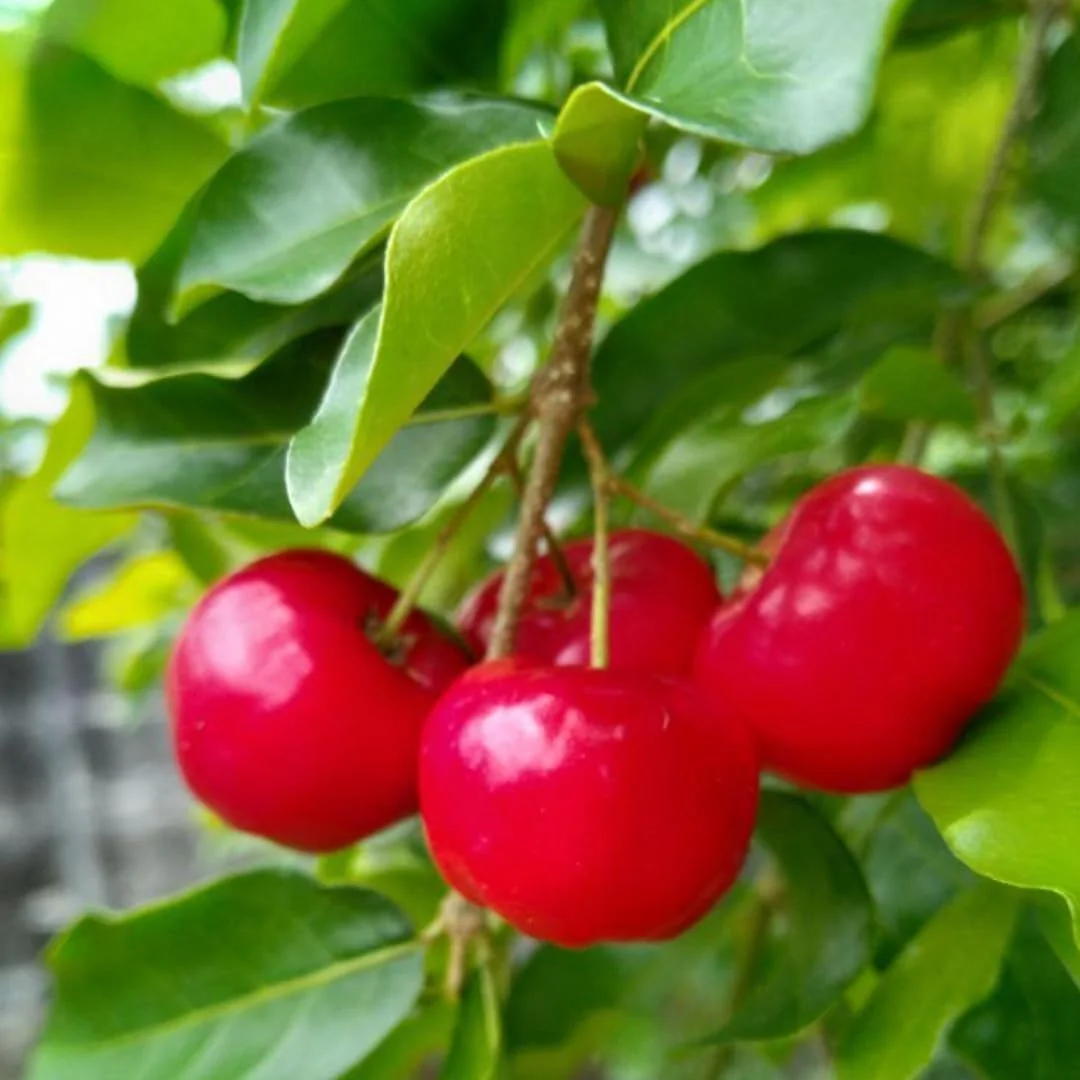
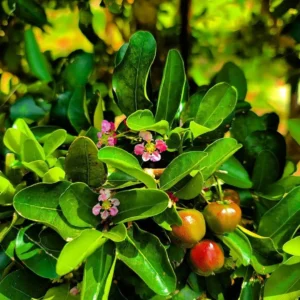
barbados cherry tree live plant. This acerola red cherry producing tree is a compact, fast-growing tropical fruit tree, ideal for USDA Zones 9-11 or container growing. Enjoy its beautiful blooms and tart, vitamin C-rich fruit.
Original price was: $39.98.$17.99Current price is: $17.99.

With our Alive & Thrive Guarantee, we’ve got your back for the first 30 days! If you have any concerns about your plants, just reach out to us. Our team is here to help answer your questions and guide you in selecting the best plants for your garden, climate, and unique preferences. We're excited to help you create the garden of your dreams!
Estimated arrival
Oct 21
Oct 26 - Oct 28
Oct 31 - Nov 04
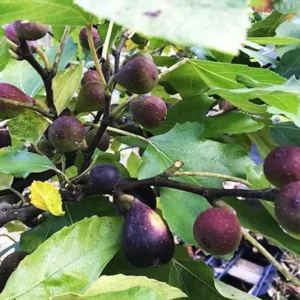
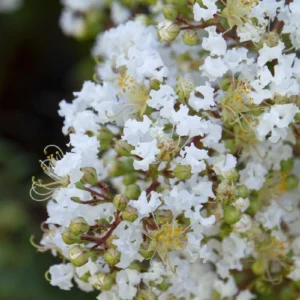
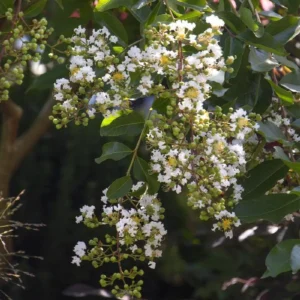
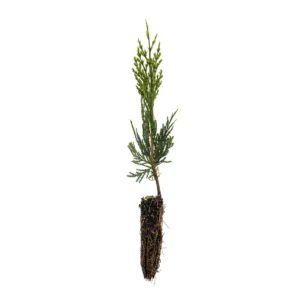
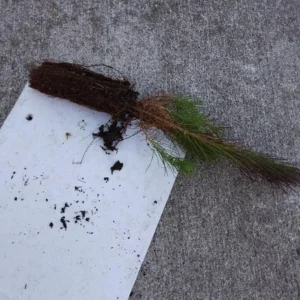
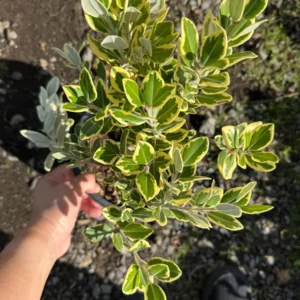
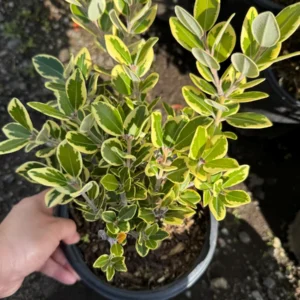
Product Details
-
USDA Hardiness Zone
USDA Zones 9-11 (or container in colder zones) -
Soil type
Well-draining, sandy loam -
Sunlight Exposure
Full Sun -
Expected Planting Period
Year-round in warm climates; spring to summer in cooler areas (for outdoor placement)
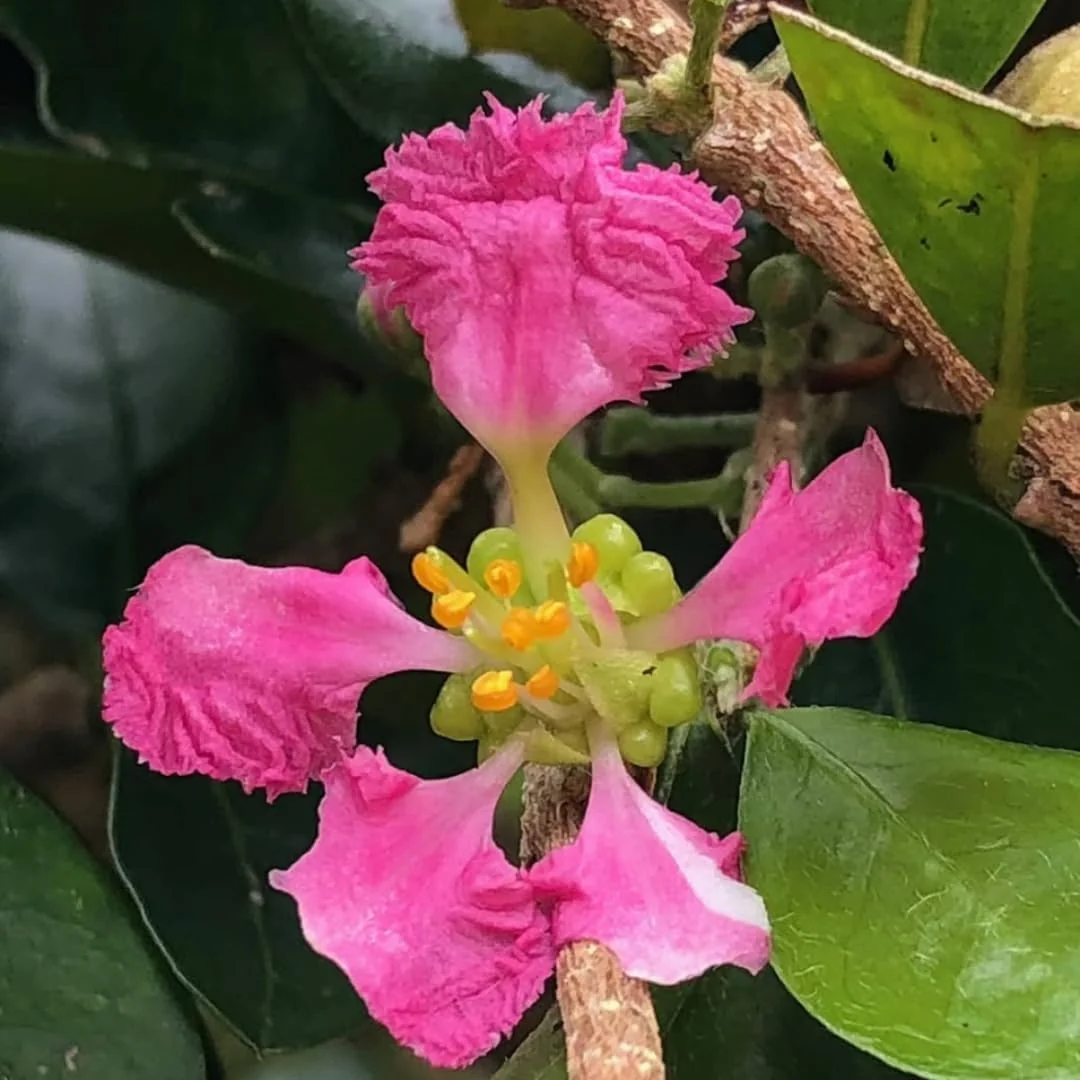
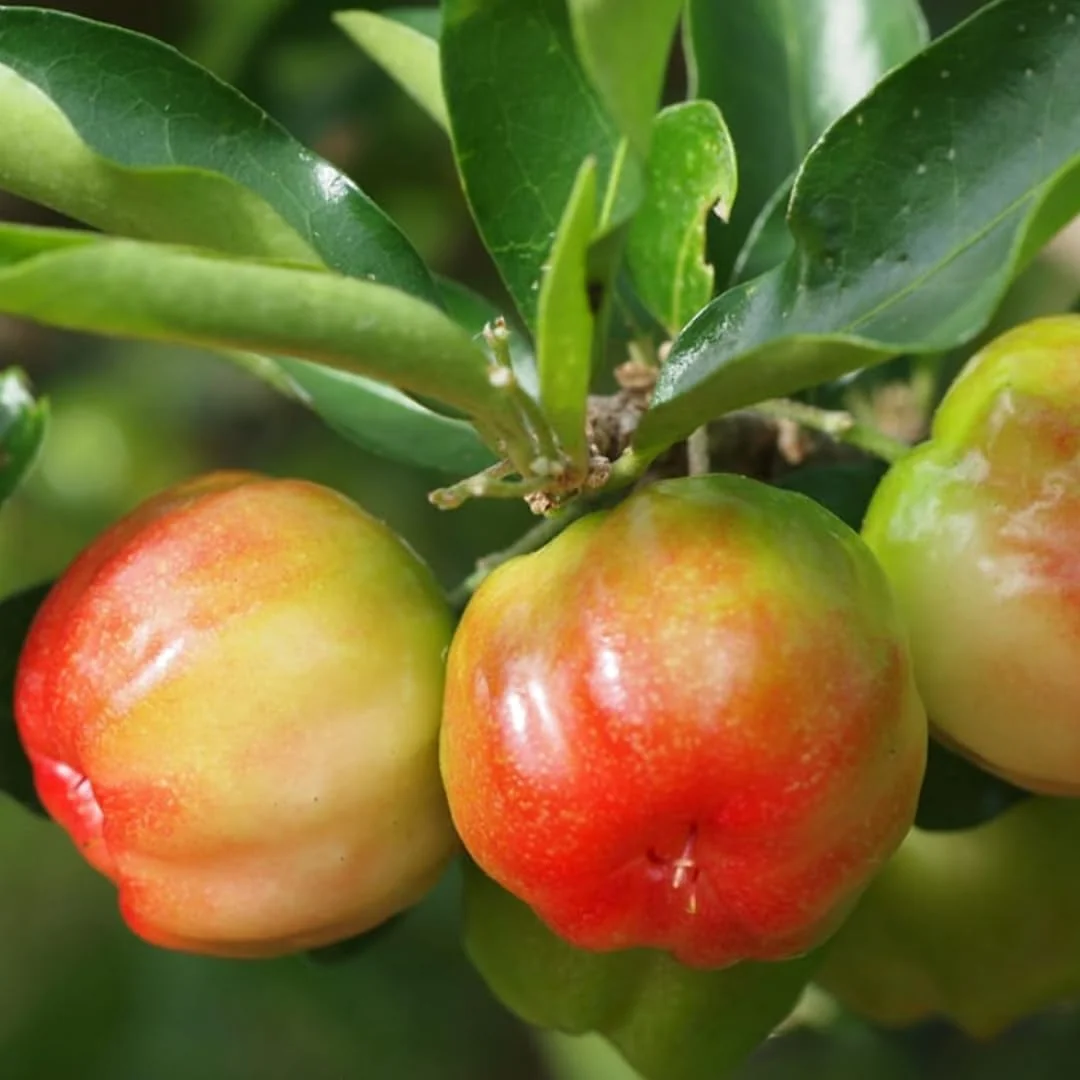
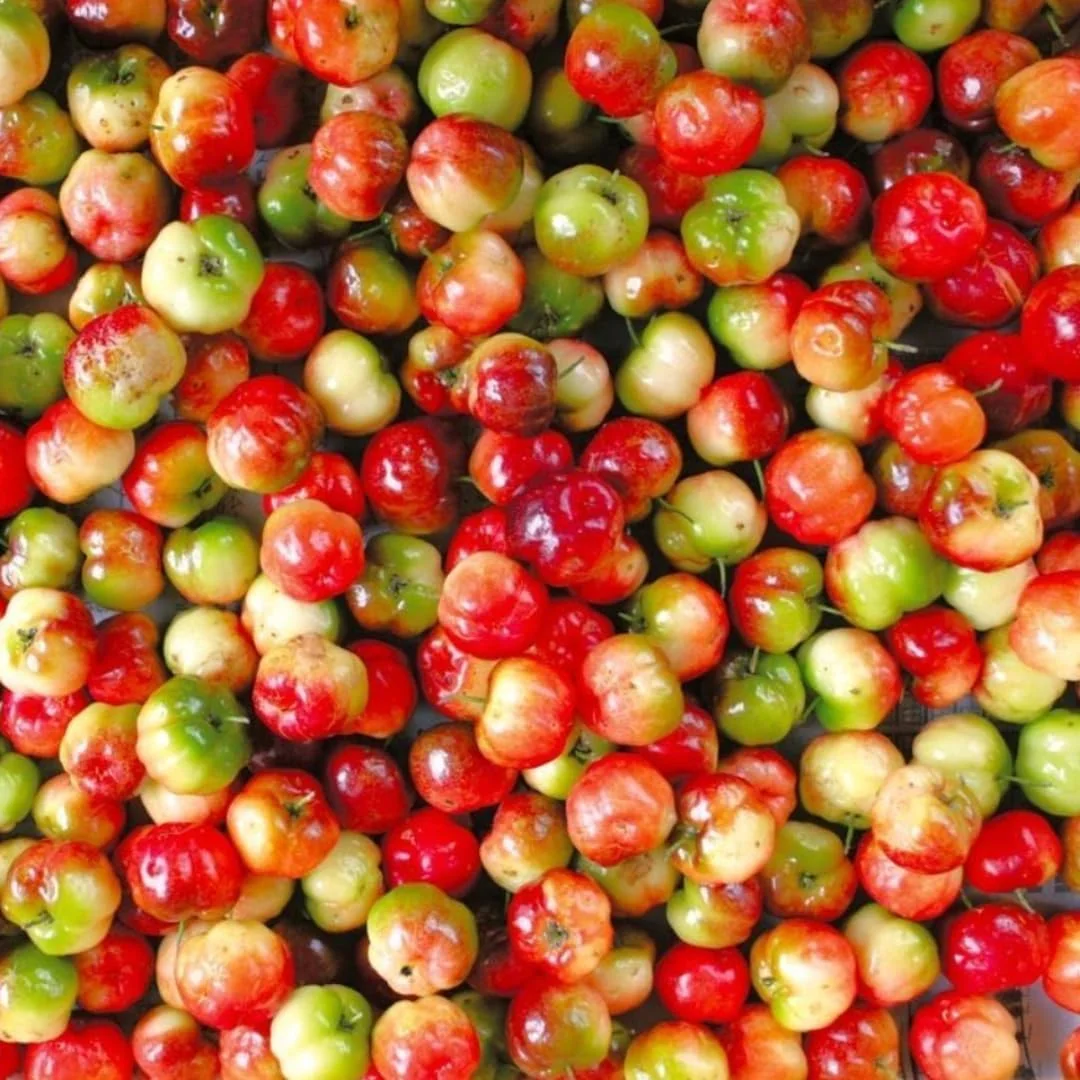
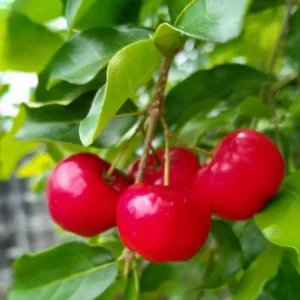
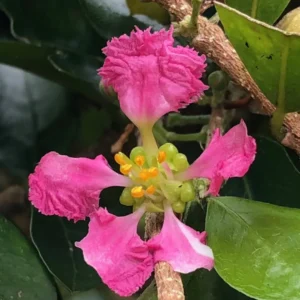
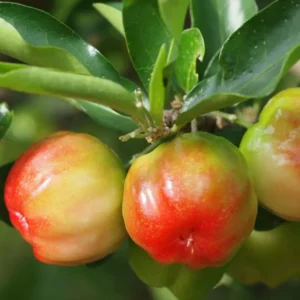
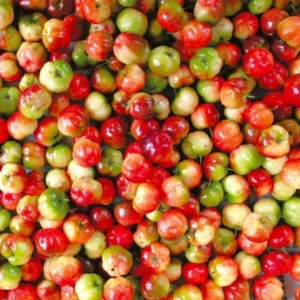
Cultivate your own source of delicious, vitamin-rich fruit with this vibrant barbados cherry tree live plant. Also known as Acerola, this small tropical tree is celebrated for its rapid growth and abundant production of bright red, tart cherries. Perfect for home gardeners and fruit enthusiasts alike, this live plant arrives ready to thrive, bringing an exotic touch to your landscape or patio. The Barbados Cherry (Malpighia emarginata) is not only a prolific fruit producer but also an attractive ornamental plant, featuring delicate white and lavender blooms in the spring. Its compact size makes it versatile, suitable for various garden designs or as a container plant in colder climates. Discover the joy of growing your own acerola red cherry, a true superfood packed with antioxidants.
Key Benefits
Adding a barbados cherry tree live plant to your home offers numerous advantages, from fresh fruit to aesthetic appeal. Here are some of the standout benefits:
- Nutrient-Rich Fruit Production: Enjoy a continuous supply of fresh acerola red cherry, renowned for its extremely high vitamin C content, antioxidants, and other vital nutrients. These tart cherries are perfect for fresh eating, juices, jams, and desserts.
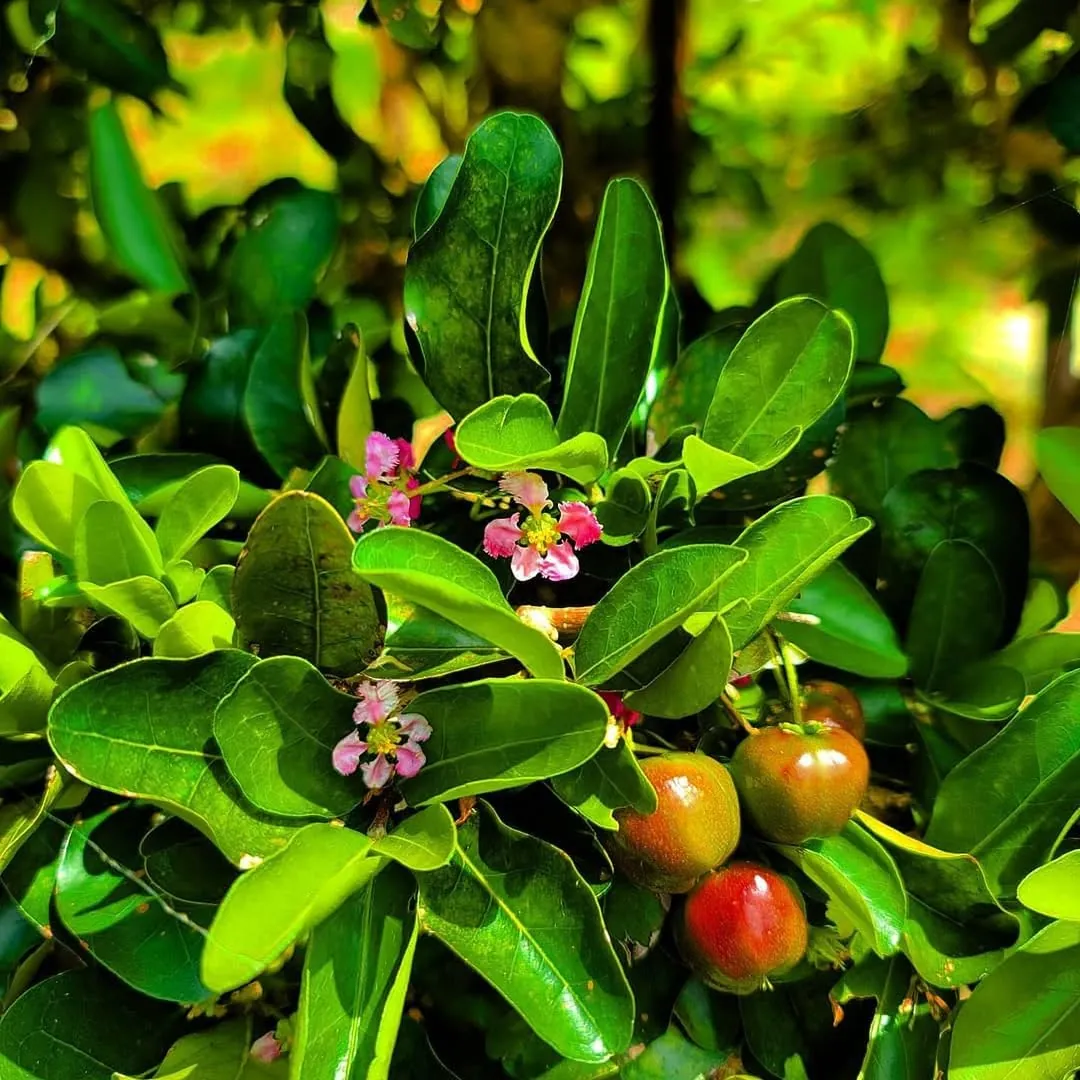
- Beautiful Blooms & Foliage: In addition to fruit, the Barbados Cherry delights with charming white and lavender flowers in spring, followed by lush green foliage, adding significant visual interest to your garden or indoor space.
- Compact & Versatile Growth: This tropical fruit tree remains relatively small, typically reaching between 10-12 feet at maturity. Its manageable size makes it an excellent choice for smaller gardens, as a hedge, or for growing in containers on patios and balconies.
- Fast-Growing & Productive: The Barbados Cherry is known for its fast growth rate and quick fruit production, often yielding fruit within a year or two of planting, ensuring you won’t wait long to enjoy your harvest.
- Adaptable to Various Climates: While ideal for ground planting in USDA Zones 9-11, this resilient plant can be successfully grown in containers in colder regions, allowing those outside its hardiness zones to still enjoy this wonderful barbados cherry tree live plant.
- Low Maintenance: Once established, the Barbados Cherry is relatively easy to care for, requiring consistent watering and full sun exposure to thrive, making it suitable for both experienced and novice gardeners.
- Supports Local Wildlife: The flowers attract pollinators, and the fruits can be a treat for birds, contributing to the biodiversity of your garden ecosystem.
Plant Care & Growing Tips
Caring for your barbados cherry tree live plant is straightforward, especially when you understand its basic needs. This resilient tropical fruit tree thrives with proper light, water, and soil conditions. For optimal growth and fruit production, plant your Barbados Cherry in a location that receives full sun, meaning at least 6-8 hours of direct sunlight daily. In hotter climates, some afternoon shade can be beneficial to prevent leaf scorch. If growing in a container, ensure it’s placed in the sunniest spot available.
Watering is crucial, especially during dry periods and while the plant is establishing. Keep the soil consistently moist but not waterlogged. Allow the top inch or two of soil to dry out slightly between waterings. Overwatering can lead to root rot, so good drainage is essential. A well-draining soil mix, preferably sandy loam, is ideal. For container-grown plants, use a high-quality potting mix that drains well. These trees are hardy in USDA Zones 9 to 11. In colder zones, bring container plants indoors before the first frost, placing them in a bright, sunny window. Fertilize your barbados cherry tree live plant every 2-3 months during the growing season with a balanced, slow-release fertilizer. Pruning can be done to maintain shape, size, and to encourage bushier growth or more fruit production, making the barbados cherry care relatively simple for bountiful harvests.
Size & Details
This offering is for one barbados cherry tree live plant, typically ranging from 4 to 8 inches in height upon arrival. Each young tree is carefully nurtured and shipped in a protective container, ensuring it arrives healthy and ready for planting. The Barbados Cherry is a fast-growing species, and with proper care, it can reach a mature height of 10 to 12 feet, though it can be kept smaller with regular pruning. It develops a spreading habit that can be shaped into a small tree, a multi-stemmed shrub, or even a dense hedge. The plant is shipped as a young, actively growing specimen, ready to establish quickly in its new environment. Expect to see new growth shortly after planting, and with ideal conditions, fruit production can begin within the first year or two. This compact size makes it perfect for those looking for an acerola tree for sale that fits well into various garden designs or container settings.
Frequently Asked Questions
- Q: How big does this plant get? A: The barbados cherry tree live plant typically grows 10-12 feet tall at maturity, but it can be maintained at a smaller size with regular pruning, making it versatile for various garden spaces or container growing.
- Q: What size pot does it come in? A: The plant is shipped in a nursery pot designed for safe transport, and it will be approximately 4-8 inches tall upon arrival. We recommend repotting into a larger container or planting directly into the ground soon after it arrives.
- Q: Is this an indoor or outdoor plant? A: The Barbados Cherry is a tropical fruit tree suitable for outdoor planting in USDA Zones 9-11. In colder areas, it thrives as a container plant that can be brought indoors during winter.
- Q: How much sunlight does it need? A: This plant prefers full sun, requiring at least 6-8 hours of direct sunlight daily for optimal growth and fruit production.
- Q: Is this plant easy to care for? A: Yes, barbados cherry care is considered relatively easy. It’s a fast-growing and resilient plant that requires consistent watering and adequate sunlight.
- Q: What condition will it arrive in? A: Your barbados cherry tree live plant will arrive healthy and carefully packaged to ensure its well-being during transit. It’s normal for plants to experience minor stress during shipping, but they typically recover quickly.
- Q: How long until it produces fruit? A: Barbados Cherry trees are known for their fast production. With good care, you can often expect to see your first acerola red cherry harvest within one to two years of planting.
- Q: Can I grow an acerola tree for sale in a small space? A: Absolutely! Its compact nature and responsiveness to pruning make it an excellent choice for small gardens, patios, or even as an indoor plant (with sufficient light) in colder climates.
- Q: What kind of soil is best for this tree? A: A well-draining soil, such as a sandy loam, is ideal. For container plants, a high-quality potting mix designed for fruit trees or general-purpose use with good drainage is recommended.
- Q: Will it survive winter in my zone? A: This tree is cold-sensitive and thrives outdoors in USDA Zones 9-11. If you are in a colder zone, you must protect it from frost by bringing it indoors or providing adequate winter protection.
Related products
-50%
Original price was: $180.99.$89.89Current price is: $89.89.
PLANTING & CARE
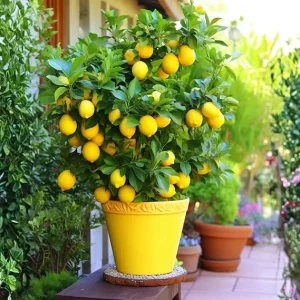
Lemon Tree Growing: Choose, Plant, and Harvest
Learn how to choose, plant, feed, and protect a lemon tree so it fits your
23
Sep
Sep
Dwarf Meyer Lemon Tree Australia: Climate Guide
Learn where dwarf Meyer lemon trees grow, how much cold they tolerate, and whether Australia,
Where to Buy a Dwarf Meyer Lemon Tree: Buyer’s Guide
Find the right dwarf Meyer lemon tree online or locally, compare starter sizes and costs,
Dwarf Meyer Lemon Tree for Sale: Buying Guide
Compare Meyer lemon tree sizes, prices, shipping limits, indoor growing and California options before you
Dwarf Meyer Lemon Tree Guide: Size, Care and Fruit
META: Learn how large a dwarf Meyer lemon tree grows, where it thrives, and how
How to Prune a Dwarf Meyer Lemon Tree
Learn when and how to prune a dwarf Meyer lemon tree, including tools, shaping cuts,
Can You Grow a Dwarf Meyer Lemon Tree in a Pot?
META: Learn how to grow a dwarf Meyer lemon tree in a pot, including container
When Do Dwarf Meyer Lemon Trees Bloom and Fruit?
META: Dwarf Meyer lemon trees usually bloom from winter through spring and may flower again