Bing Cherry Tree Live Plant – Sweet, Grafted Fruit Tree, USDA Zones 5-9, 15-20 ft
Bing Cherry Tree Live Plant – Sweet, Grafted Fruit Tree, USDA Zones 5-9, 15-20 ft
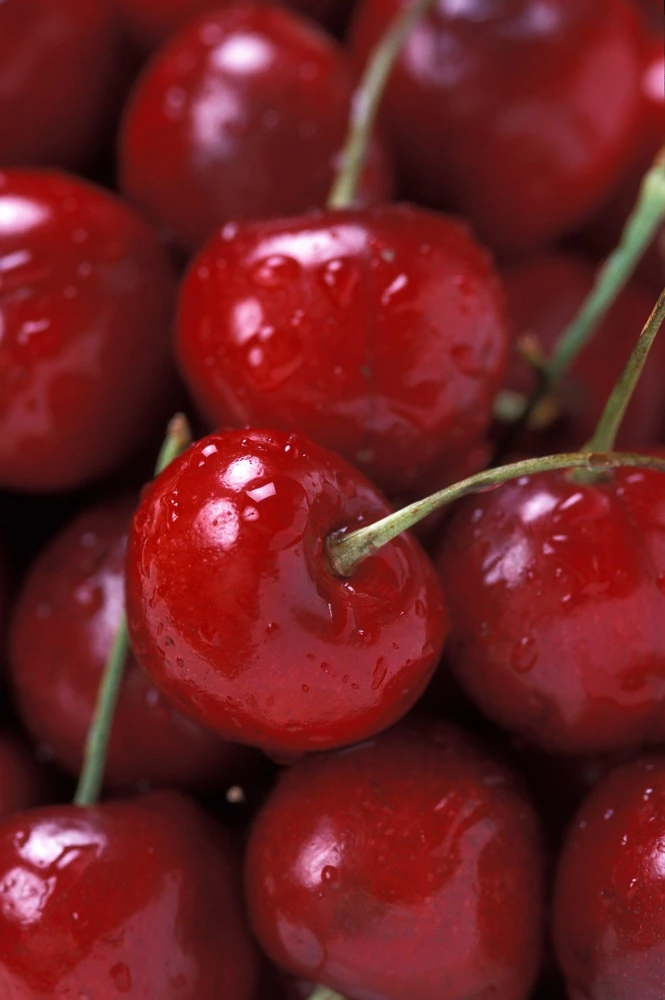
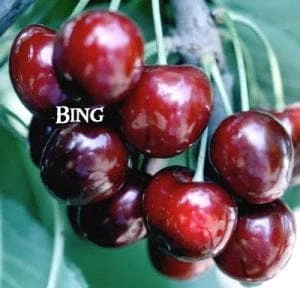
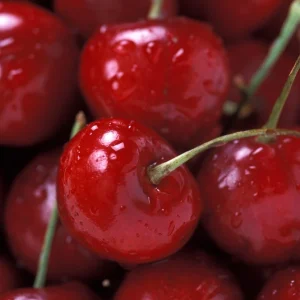
Bring the classic taste of summer to your garden with a Bing cherry tree live plant. This grafted fruit tree produces large, firm, deep red cherries with a rich, sweet flavor. Ideal for USDA Zones 5-9, it’s a must-have for any fruit enthusiast seeking a high-yielding, beautiful addition to their landscape.
$86.00

With our Alive & Thrive Guarantee, we’ve got your back for the first 30 days! If you have any concerns about your plants, just reach out to us. Our team is here to help answer your questions and guide you in selecting the best plants for your garden, climate, and unique preferences. We're excited to help you create the garden of your dreams!
Estimated arrival
Oct 14
Oct 19 - Oct 21
Oct 24 - Oct 28
Product Details
-
USDA Hardiness Zone
5-9 -
Soil type
Well-draining loamy soil -
Sunlight Exposure
Full sun -
Expected Planting Period
Early spring to late fall
Overview
Introduce a piece of horticultural history to your edible landscape with our premium Bing cherry tree live plant. This classic American cultivar, renowned for its exceptional fruit quality, is a cornerstone for any home orchard or garden. Developed in Oregon in the 1870s, the Bing cherry has captivated palates worldwide with its large, firm, and intensely sweet, deep red cherries. Our trees are grafted, ensuring you receive true-to-type fruit with all the beloved characteristics of this iconic variety. These live plants are ready to establish and thrive, offering both ornamental beauty when in bloom and a generous harvest of delicious fruit.
The Bing cherry tree live plant is a vigorous grower, offering a delightful spectacle of white blossoms in spring that attract pollinators, followed by a bountiful crop of juicy cherries in early summer. Perfect for gardeners in USDA Zones 5-9, this tree promises not only a rewarding harvest but also an engaging growing experience. Cultivating your own Bing cherries means enjoying fruit with a freshness and flavor unmatched by store-bought varieties, making it an essential addition for those passionate about homegrown produce.
Key Benefits
Adding a Bing cherry tree live plant to your garden offers numerous advantages, from its aesthetic appeal to its delicious yield. These trees are celebrated for their proven performance and the superior quality of their fruit, making them a wise investment for any fruit tree enthusiast.
- Exceptional Fruit Quality: Enjoy large, firm, deep red to nearly black cherries with sweet, juicy flesh and a rich, classic cherry flavor. They are perfect for fresh eating, baking, and preserves.
- Beautiful Blooms: In spring, the tree adorns itself with a profusion of delicate white flowers, providing significant ornamental value and attracting beneficial pollinators to your garden.
- Reliable Grafted Stock: Our trees are grafted, guaranteeing that you receive a plant that will produce the authentic and highly desired Bing cherry fruit, ensuring consistency and quality.
- Moderate to Fast Growth: This tree exhibits a moderate to fast growth rate, allowing you to enjoy harvests sooner. It matures to a substantial size, providing ample shade and fruit.
- Attracts Pollinators: The beautiful spring blossoms are a magnet for bees and other pollinators, contributing to the biodiversity and health of your garden ecosystem.
- Long-Term Investment: A well-cared-for Bing cherry tree live plant can provide decades of delicious fruit, making it a valuable and sustainable addition to your home orchard.
- Edible Landscape Feature: Beyond its fruit, the tree serves as an attractive landscape element, offering seasonal interest with its flowers, foliage, and fruit.
Plant Care & Growing Tips
Caring for your Bing cherry tree live plant involves understanding its specific needs to ensure robust growth and abundant fruiting. These trees thrive in full sun, requiring at least 6-8 hours of direct sunlight daily to produce the best quality fruit. A well-draining soil is crucial; cherry trees do not tolerate wet feet. Amend heavy clay soils with organic matter to improve drainage, or consider planting in a raised bed if your native soil is problematic. The ideal pH for cherry trees is slightly acidic to neutral, between 6.0 and 7.0.
Watering is essential, especially during the first few years as the tree establishes. Provide deep, consistent watering, ensuring the soil remains moist but not waterlogged. Once established, the tree will be more tolerant of dry periods but will still benefit from irrigation during prolonged droughts. Fertilize in early spring with a balanced fertilizer formulated for fruit trees, following package instructions. Pruning should be done annually in late winter or early spring to shape the tree, remove dead or diseased branches, and encourage fruit production. Remember that the Bing sweet cherry is self-sterile and requires a pollinator for fruit set, such as a Van, Rainier, or Stella cherry tree planted nearby.
Protection from pests and diseases is also important. Monitor your tree regularly for signs of common cherry tree issues like cherry fruit fly, aphids, or fungal diseases. Implement appropriate organic or conventional treatments as needed. With proper care, your grafted fruit tree will flourish and provide you with many years of succulent Bing cherries. Ensure it meets its chill requirement of 700 hours below 45°F (7°C) for optimal fruit production, which is typical for USDA Zones 5-9.
Size & Details
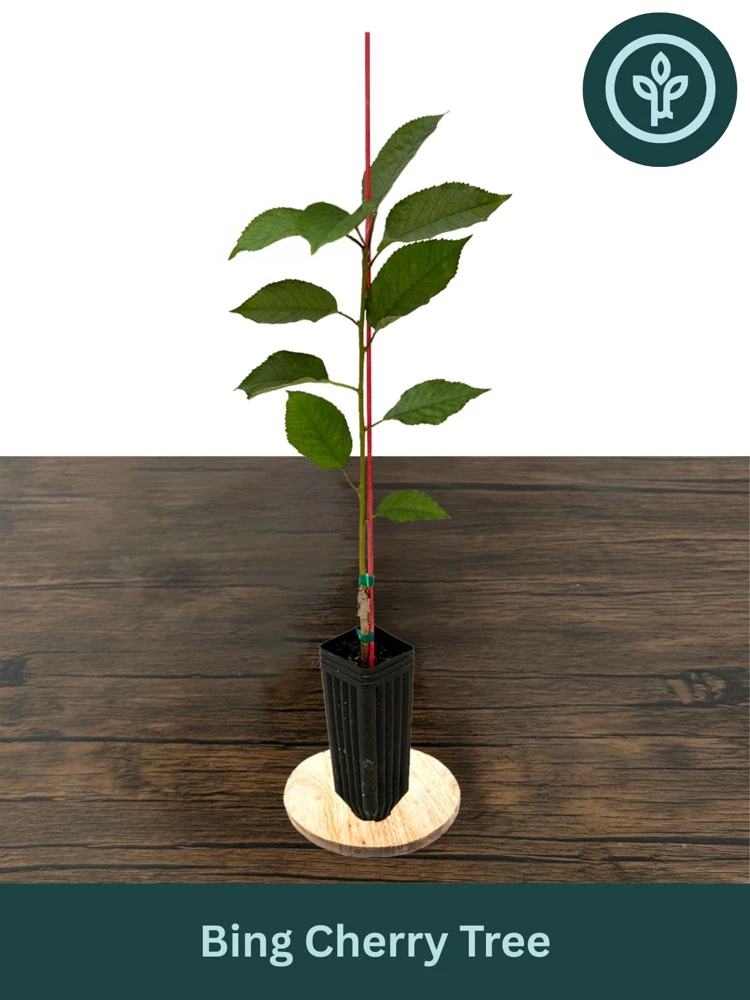
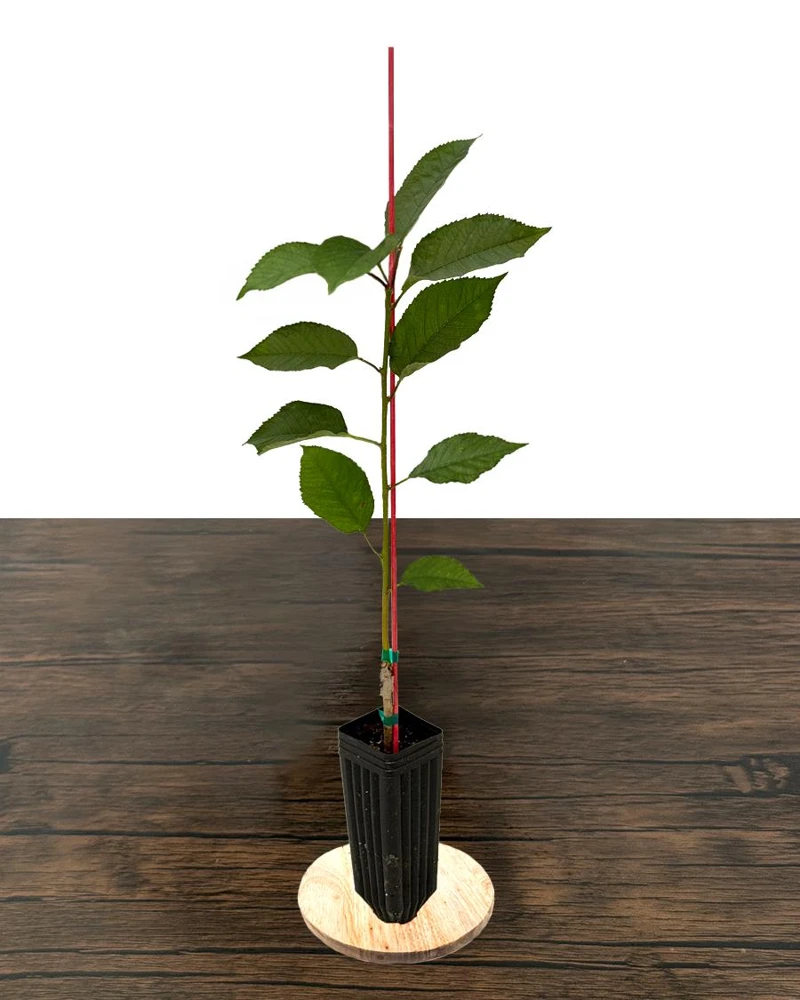
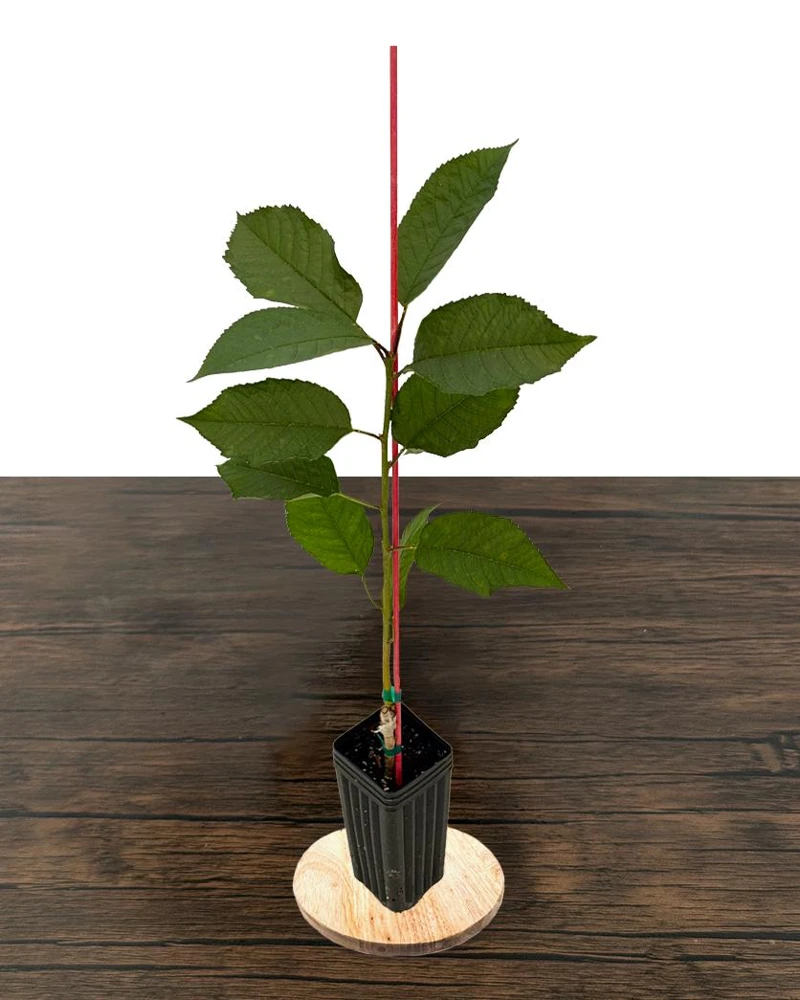
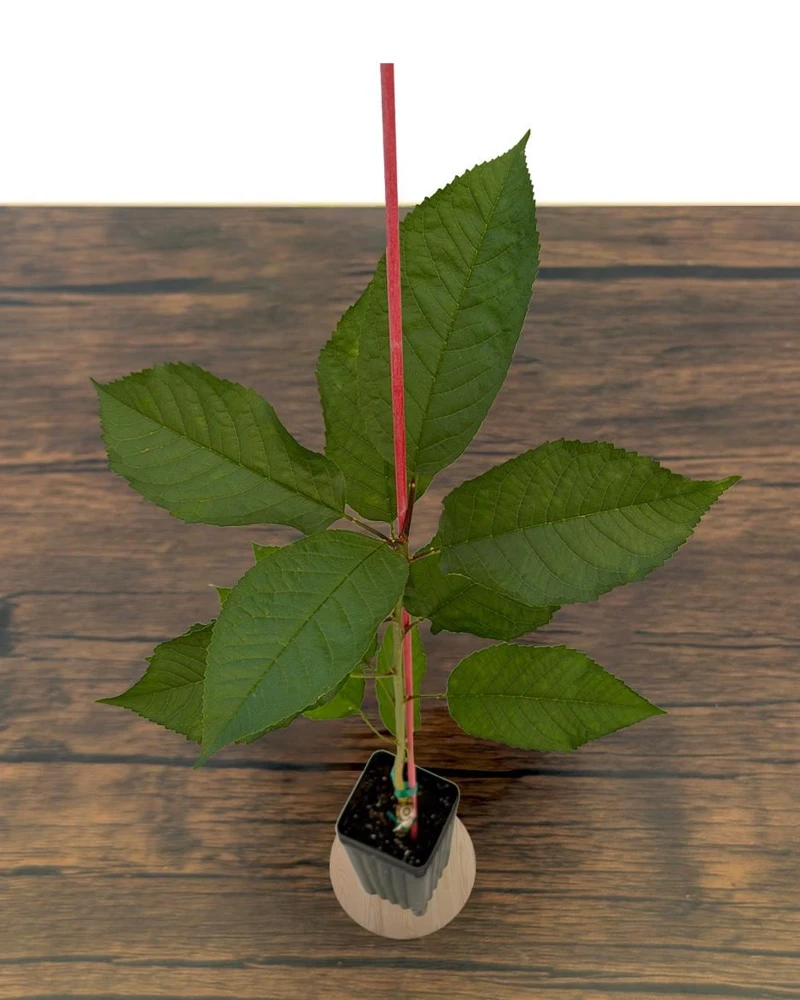
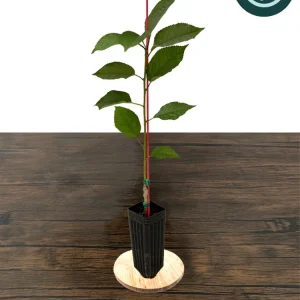
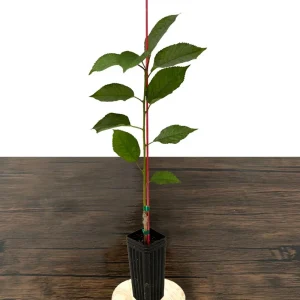
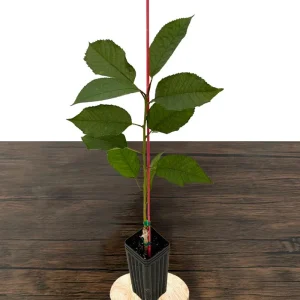
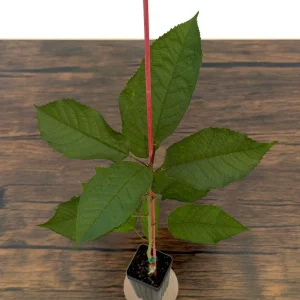
This Bing cherry tree live plant is a young, vigorous specimen, propagated via grafting to ensure genetic fidelity and superior fruit characteristics. It is shipped in a tree pot, ready for planting in your garden or orchard. Expect a moderate to fast growth rate, with mature trees reaching an impressive height of 15-20 feet and a similar spread, creating a substantial canopy. The tree will begin producing fruit within a few years of planting, with harvest dates typically falling between May 22 and June 10, depending on your specific climate and growing conditions. The fruit produced will be the classic large, firm, deep red Bing cherries with their characteristic sweet, juicy flesh.
These trees are grown in ellepots to promote healthy root development, ensuring a strong start in their new home. They are characterized by flowering, attraction of pollinators, and being edible, fast-growing, and grafted. The rootstock is propagated via tissue culture, a clonal process that results in true-to-type, disease-free plants, giving you a healthy foundation for your future harvests of growing Bing cherries.
Frequently Asked Questions
- Q: How big does this Bing cherry tree live plant get? A: A: This cherry tree typically matures to a height of 15-20 feet with a similar spread, forming a substantial and productive canopy. Its moderate to fast growth rate means you’ll see significant development each year.
- Q: Is this an indoor or outdoor plant? A: The Bing cherry tree live plant is an outdoor fruit tree, best suited for planting directly in the ground in a sunny location within USDA Hardiness Zones 5-9. It requires specific chill hours to produce fruit.
- Q: How much sunlight does it need? A: This tree thrives in full sun, requiring a minimum of 6-8 hours of direct sunlight per day for optimal growth and fruit production. Plenty of sun ensures sweeter cherries.
- Q: Is this plant easy to care for? A: While not entirely maintenance-free, the Bing cherry tree live plant is considered moderately easy to care for once established. It requires consistent watering, annual pruning, and protection from pests for best results.
- Q: What condition will it arrive in? A: Your grafted fruit tree will arrive as a healthy, live starter plant in a tree pot, fresh from our greenhouse and ready for acclimation and planting. We take great care in packaging to ensure its safe arrival.
- Q: How long until it blooms and fruits? A: You can typically expect your Bing cherry tree to begin blooming and producing fruit within 3-5 years after planting. The first few years are crucial for establishing a strong root system.
- Q: Does the Bing sweet cherry need another tree to produce fruit? A: Yes, the Bing cherry is self-sterile/self-incompatible, meaning it requires a different sweet cherry variety for cross-pollination to produce fruit. Good pollinator options include Van, Rainier, or Stella cherry trees.
- Q: What are the chill requirements for this tree? A: The Bing cherry tree live plant requires approximately 700 chill hours, which are hours below 45°F (7°C) during winter dormancy, to set fruit properly. This makes it suitable for regions with distinct cold winters.
- Q: When is the best time to plant a Bing cherry tree live plant? A: The ideal time to plant your Bing cherry tree is in early spring or late fall when the tree is dormant or just beginning to emerge from dormancy. This allows it to establish roots before extreme temperatures.
- Q: Can I grow this tree in a large container? A: While possible for a few years, Bing cherry trees are large trees and are best grown directly in the ground to reach their full potential in terms of size, health, and fruit production.
Related products
-20%
Original price was: $32.00.$25.60Current price is: $25.60.
-20%
Original price was: $32.00.$25.60Current price is: $25.60.
-20%
Original price was: $50.00.$40.00Current price is: $40.00.
-20%
Original price was: $36.00.$28.80Current price is: $28.80.
-10%
Original price was: $158.00.$142.20Current price is: $142.20.
-7%
Original price was: $105.99.$98.99Current price is: $98.99.
-20%
Original price was: $80.00.$64.00Current price is: $64.00.
PLANTING & CARE
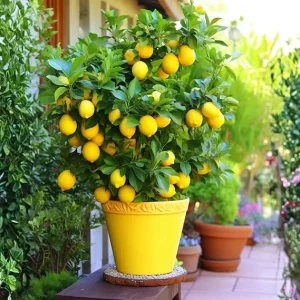
Lemon Tree Growing: Choose, Plant, and Harvest
Learn how to choose, plant, feed, and protect a lemon tree so it fits your
23
Sep
Sep
Dwarf Meyer Lemon Tree Australia: Climate Guide
Learn where dwarf Meyer lemon trees grow, how much cold they tolerate, and whether Australia,
Where to Buy a Dwarf Meyer Lemon Tree: Buyer’s Guide
Find the right dwarf Meyer lemon tree online or locally, compare starter sizes and costs,
Dwarf Meyer Lemon Tree for Sale: Buying Guide
Compare Meyer lemon tree sizes, prices, shipping limits, indoor growing and California options before you
Dwarf Meyer Lemon Tree Guide: Size, Care and Fruit
META: Learn how large a dwarf Meyer lemon tree grows, where it thrives, and how
How to Prune a Dwarf Meyer Lemon Tree
Learn when and how to prune a dwarf Meyer lemon tree, including tools, shaping cuts,
Can You Grow a Dwarf Meyer Lemon Tree in a Pot?
META: Learn how to grow a dwarf Meyer lemon tree in a pot, including container
When Do Dwarf Meyer Lemon Trees Bloom and Fruit?
META: Dwarf Meyer lemon trees usually bloom from winter through spring and may flower again