Wild Red Raspberry Live Plant – 2-3 ft Trade Gallon – Fruiting Bush
-10%
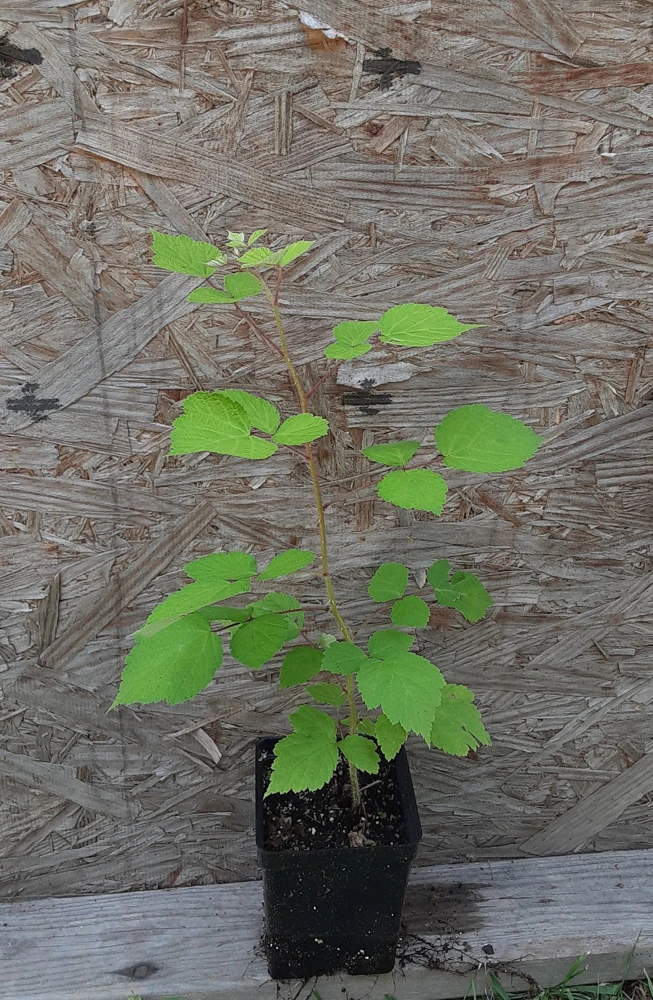
Wild Red Raspberry Live Plant – 2-3 ft Trade Gallon – Fruiting Bush
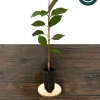
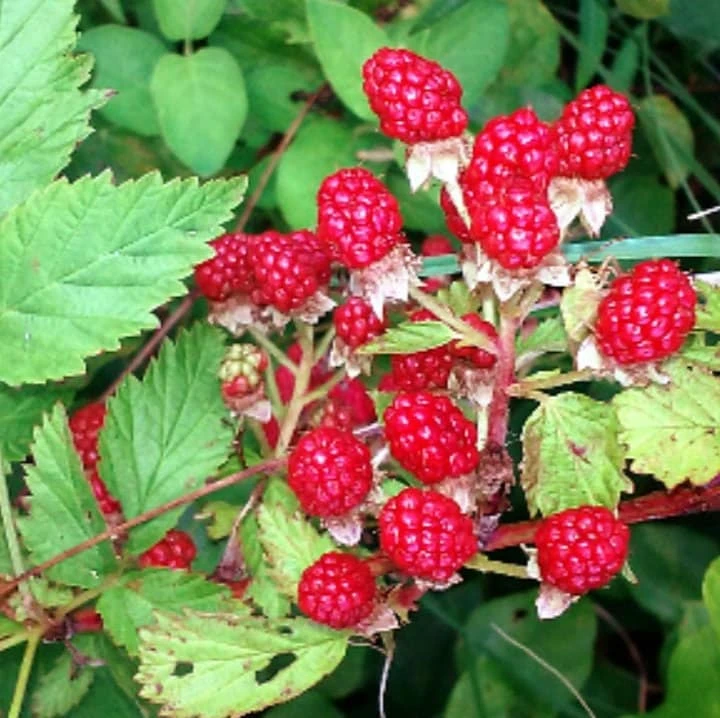
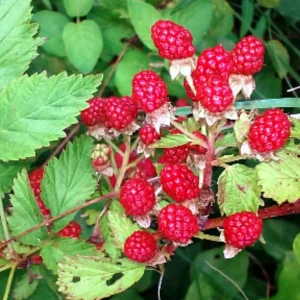
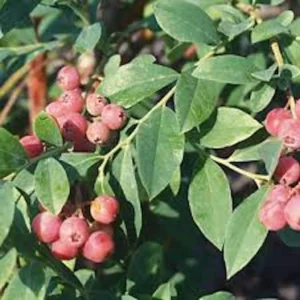
Cultivate your own sweet and tart berries with this wild red raspberry plant. Standing 2-3 feet tall in a trade gallon, this robust fruiting bush is perfect for gardeners seeking fresh produce for delicious jams and jellies. Enjoy white blooms followed by abundant red berries.
Original price was: $56.00.$50.40Current price is: $50.40.

With our Alive & Thrive Guarantee, we’ve got your back for the first 30 days! If you have any concerns about your plants, just reach out to us. Our team is here to help answer your questions and guide you in selecting the best plants for your garden, climate, and unique preferences. We're excited to help you create the garden of your dreams!
Estimated arrival
Oct 14
Oct 19 - Oct 21
Oct 24 - Oct 28
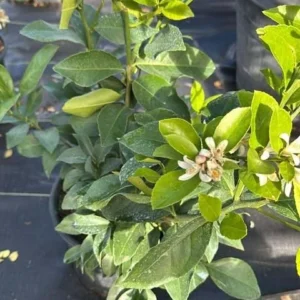
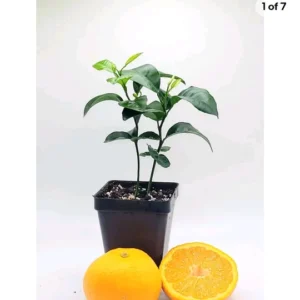
Product Details
-
USDA Hardiness Zone
Zones 2-7 -
Soil type
Rich, fertile, well-draining soil -
Sunlight Exposure
Full sun to partial shade -
Expected Planting Period
Late winter to early spring
Overview
Bring the joy of homegrown fruit to your garden with this vibrant wild red raspberry plant. A true treasure for any edible landscape, this live plant, scientifically known as Rubus idaeus, is a vigorous grower known for its delicious and abundant berries. Whether you’re an experienced gardener or just starting your journey into home-grown produce, this fruiting plant offers a rewarding experience. It’s an excellent choice for creating a productive patch that yields fresh fruit for snacking, baking, or preserving. The robust nature of the wild red raspberry makes it a resilient addition to various garden settings, promising a delightful harvest season after season.
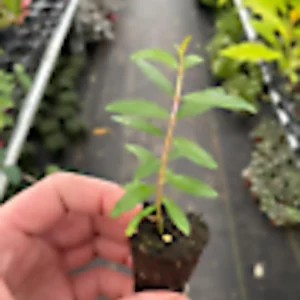
This particular offering provides a healthy, established plant in a trade gallon container, typically measuring 2-3 feet in height, ensuring it’s ready to thrive in your garden. The wild red raspberry is celebrated not just for its fruit, but also for its natural beauty, with delicate white blooms preceding the vibrant red berries. Enhance your culinary adventures by growing your own source for fresh ingredients, perfect for making homemade jams, jellies, and desserts. Experience the satisfaction of picking your own sweet, juicy raspberries right from your backyard.
Key Benefits
The benefits of cultivating your own wild red raspberry plant extend far beyond just fresh fruit. This versatile bush offers numerous advantages for both your garden and your plate. Discover the many reasons why adding a fruiting raspberry bush to your landscape is an excellent investment:
- Abundant Harvest: Enjoy a prolific yield of delicious red raspberries, providing a continuous supply for fresh eating, baking, and preserving throughout the fruiting season. These berries are perfect for making homemade treats.
- Culinary Versatility: The sweet and tart flavor of wild red raspberries makes them ideal for a wide array of culinary applications, from classic jams and jellies to pies, sauces, and refreshing beverages.
- Attractive Garden Addition: Beyond its fruit production, the raspberry bush adds an appealing element to your garden with its green foliage, charming white spring blossoms, and the vibrant red hue of its ripe berries.
- Attracts Pollinators: The white flowers of the wild red raspberry are a magnet for beneficial pollinators like bees, contributing to a healthier and more productive garden ecosystem.
- Disease Resistance: Wild varieties often show greater resilience to common plant diseases, making them a more robust and lower-maintenance option for home gardeners.
- Hardy and Adaptable: This plant is known for its hardiness, thriving in a wide range of climates and soil conditions, making it a reliable choice for many regions.
- Self-Pollinating: You only need one plant to produce fruit, as wild red raspberries are self-fertile, simplifying the planting process for individual gardeners.
Plant Care & Growing Tips
Caring for your wild red raspberry plant is a rewarding experience, leading to bountiful harvests of delicious fruit. To ensure your Rubus idaeus plant thrives, proper attention to its environmental needs and routine care is essential. These plants are relatively low-maintenance once established, but a good start can make all the difference in their productivity and health.
For optimal growth and fruit production, plant your wild red raspberry in a location that receives full sun to partial shade, ideally with at least 6-8 hours of direct sunlight per day. While they can tolerate some shade, more sun generally means more berries. The soil should be rich, fertile, and most importantly, well-draining. Raspberries dislike ‘wet feet,’ so ensure good drainage to prevent root rot. Incorporating organic matter like compost into the planting hole will significantly improve soil structure and nutrient content. Maintain consistent soil moisture, especially during dry periods and when the plant is fruiting. Water deeply at the base of the plant, avoiding overhead watering which can encourage fungal diseases. Zones 2-7 are ideal for this particular raspberry variety.
Pruning is crucial for maintaining plant health and maximizing fruit yield. Wild red raspberries typically produce fruit on second-year canes (floricanes). In late winter or early spring, remove all dead, damaged, or weak canes. After fruiting, cut back the floricanes that have produced berries to the ground, as they will not bear fruit again. This encourages the growth of new primocanes (first-year canes) for the following season’s harvest. Fertilize in early spring with a balanced granular fertilizer or compost. Watch for common pests like aphids or Japanese beetles and treat them with organic solutions if necessary. Proper care will lead to a thriving fruiting raspberry bush for years to come.
Size & Details
This offering includes one healthy wild red raspberry plant, supplied in a trade gallon container. At the time of shipment, the plant typically stands between 2-3 feet tall, providing a robust and established specimen ready for planting. These plants are shipped dormant from October to April to ensure minimal stress during transit and successful establishment in your garden. The wild red raspberry is a vigorous grower and, at maturity, can reach an impressive height of 6-8 feet, forming a dense and productive patch. Its growth rate is considered moderate to fast, allowing for relatively quick establishment and fruit production.
The berries are edible and will begin to appear after the plant establishes, usually in its second year. The plant will produce attractive white blooms in spring, which then develop into the characteristic red berries over the summer. While they do have thorns, these are a small trade-off for the delicious fruit they provide. This plant is well-suited for a variety of garden designs, from dedicated fruit patches to edible hedges, and is a fantastic choice for those interested in growing red raspberries for fresh consumption or preserving.
Frequently Asked Questions
- Q: How big does this plant get? A: This wild red raspberry plant is typically 2-3 feet tall when shipped in a trade gallon. At maturity, it can grow to a height of 6-8 feet.
- Q: Is this an indoor or outdoor plant? A: This is an outdoor fruiting plant. It thrives in garden settings where it can receive adequate sunlight and space to grow.
- Q: How much sunlight does it need? A: For the best fruit production, your raspberry plant should receive full sun, which means at least 6-8 hours of direct sunlight daily. It can tolerate partial shade, but yields may be reduced.
- Q: Is this plant easy to care for? A: Yes, once established, the wild red raspberry plant is relatively easy to care for. It requires consistent watering, good soil, and annual pruning to ensure healthy growth and fruit production.
- Q: What condition will it arrive in? A: Plants are shipped dormant between October and April. They will arrive well-packaged and healthy, ready for planting according to the included instructions.
- Q: Can I use the red raspberries for making jams and jellies? A: Absolutely! These wild red raspberries are renowned for their excellent flavor, making them perfect for creating delicious homemade jams, jellies, pies, and other culinary delights. They are ideal for anyone interested in red raspberry for jams.
- Q: When is the best time to plant this raspberry bush? A: The best time to plant dormant raspberry plants is in late winter or early spring, once the danger of hard frost has passed. This allows the roots to establish before warmer weather arrives.
- Q: Will it survive winter in my zone? A: This raspberry variety is hardy in USDA Zones 2-7, meaning it is well-adapted to survive cold winter temperatures within these regions.
- Q: Does this plant have thorns? A: Yes, the Rubus idaeus plant typically has thorns on its canes. It’s advisable to wear gloves when handling and pruning the plant.
- Q: How long until it produces fruit? A: You can typically expect your fruiting raspberry bush to start producing berries in its second year of growth after planting, with increasing yields in subsequent years.
Related products
-20%
Original price was: $36.00.$28.80Current price is: $28.80.
-20%
Original price was: $66.00.$52.80Current price is: $52.80.
-20%
Original price was: $32.00.$25.60Current price is: $25.60.
-10%
Original price was: $28.99.$26.09Current price is: $26.09.
-20%
Original price was: $32.00.$25.60Current price is: $25.60.
-20%
Original price was: $36.00.$28.80Current price is: $28.80.
-51%
Original price was: $43.99.$21.59Current price is: $21.59.
PLANTING & CARE
Lemon Tree Growing: Choose, Plant, and Harvest
Learn how to choose, plant, feed, and protect a lemon tree so it fits your
23
Sep
Sep
Dwarf Meyer Lemon Tree Australia: Climate Guide
Learn where dwarf Meyer lemon trees grow, how much cold they tolerate, and whether Australia,
Where to Buy a Dwarf Meyer Lemon Tree: Buyer’s Guide
Find the right dwarf Meyer lemon tree online or locally, compare starter sizes and costs,
Dwarf Meyer Lemon Tree for Sale: Buying Guide
Compare Meyer lemon tree sizes, prices, shipping limits, indoor growing and California options before you
Dwarf Meyer Lemon Tree Guide: Size, Care and Fruit
META: Learn how large a dwarf Meyer lemon tree grows, where it thrives, and how
How to Prune a Dwarf Meyer Lemon Tree
Learn when and how to prune a dwarf Meyer lemon tree, including tools, shaping cuts,
Can You Grow a Dwarf Meyer Lemon Tree in a Pot?
META: Learn how to grow a dwarf Meyer lemon tree in a pot, including container
When Do Dwarf Meyer Lemon Trees Bloom and Fruit?
META: Dwarf Meyer lemon trees usually bloom from winter through spring and may flower again