Black Huckleberry Live Plant – Shrub with Sweet Berries – 4Inch Pot – Outdoor
-50%
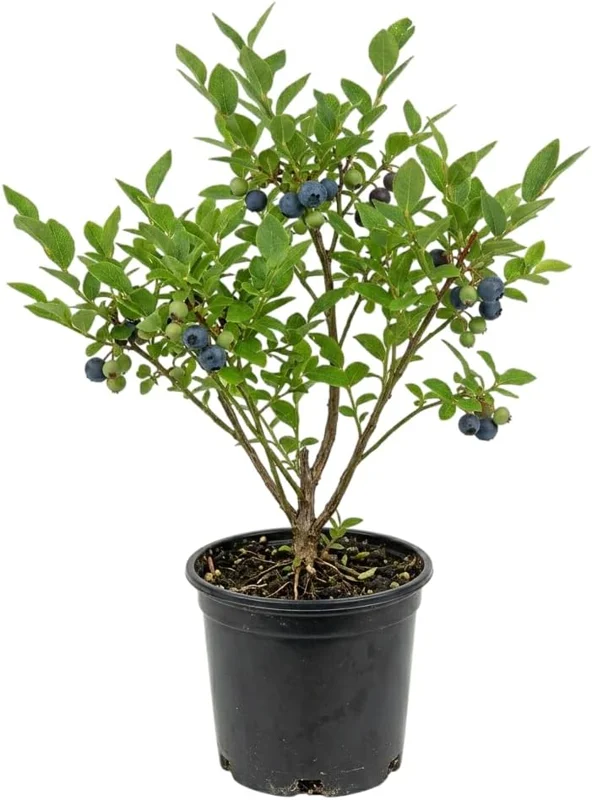
Black Huckleberry Live Plant – Shrub with Sweet Berries – 4Inch Pot – Outdoor
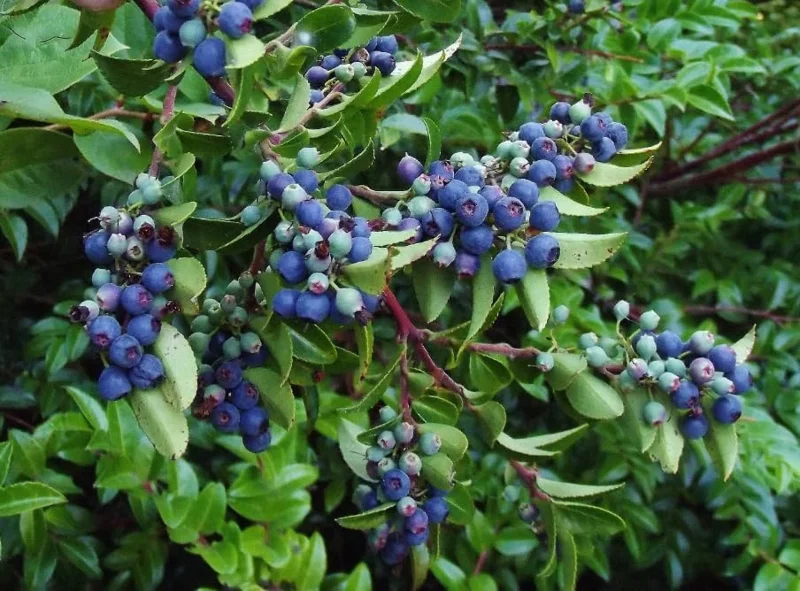
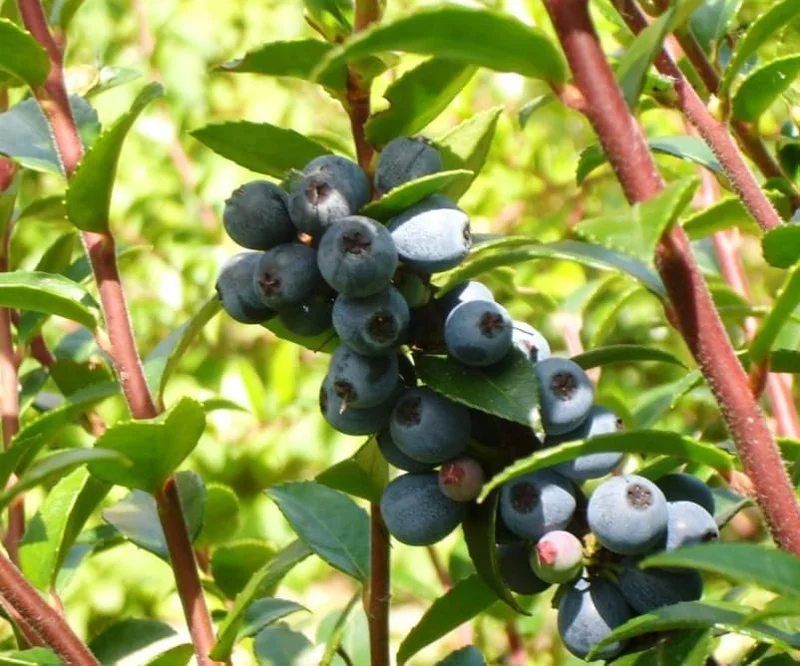
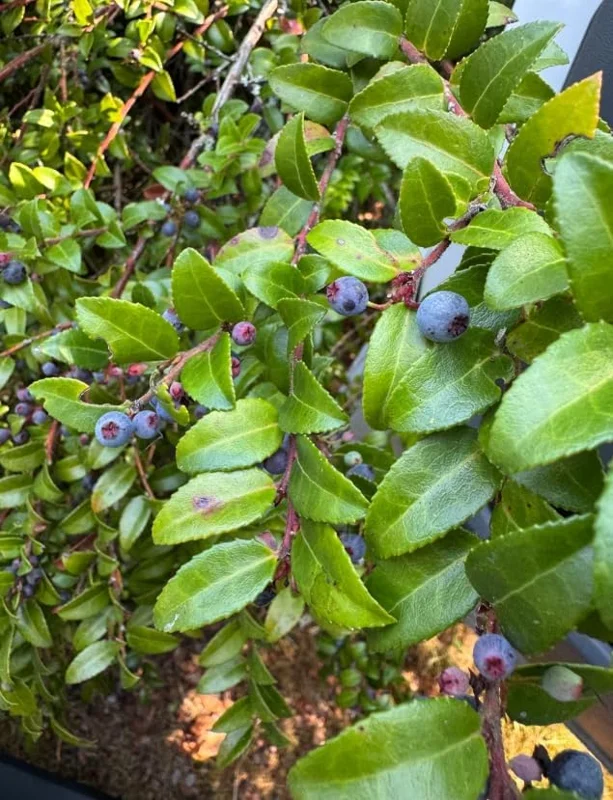
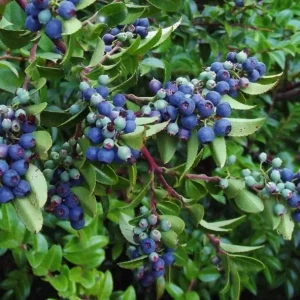
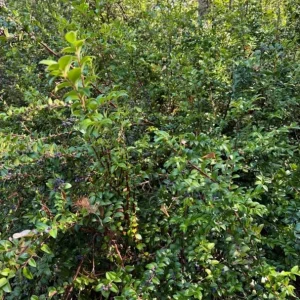
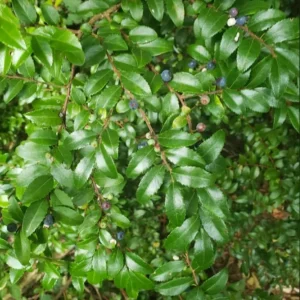
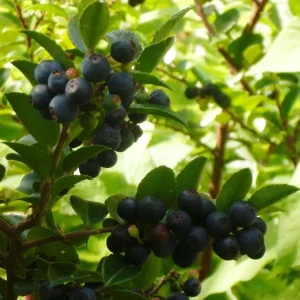
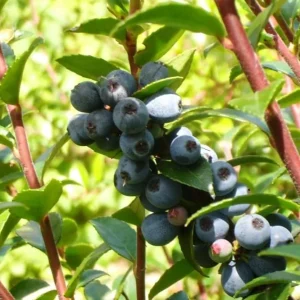
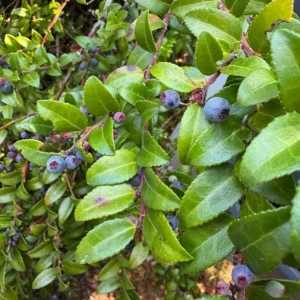
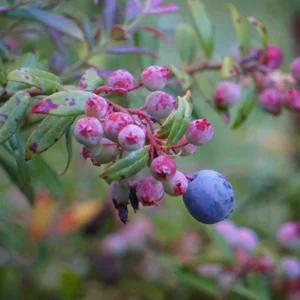
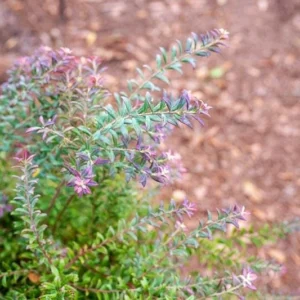
Bring the joy of foraging to your backyard with a black huckleberry live plant. This hardy shrub produces delicious blue-black berries, perfect for eating fresh or in preserves. Easy to grow, it adapts well to different soil types and is ideal for gardens, patios, or container planting. Enjoy its red-pink flowers in spring and bountiful fruit.
Original price was: $51.98.$25.99Current price is: $25.99.

With our Alive & Thrive Guarantee, we’ve got your back for the first 30 days! If you have any concerns about your plants, just reach out to us. Our team is here to help answer your questions and guide you in selecting the best plants for your garden, climate, and unique preferences. We're excited to help you create the garden of your dreams!
Estimated arrival
Oct 21
Oct 26 - Oct 28
Oct 31 - Nov 04


Product Details
-
USDA Hardiness Zone
3-8 -
Soil type
Clay Soil (prefers well-drained, slightly acidic) -
Sunlight Exposure
Full Sun -
Expected Planting Period
Spring to Early Summer
Overview
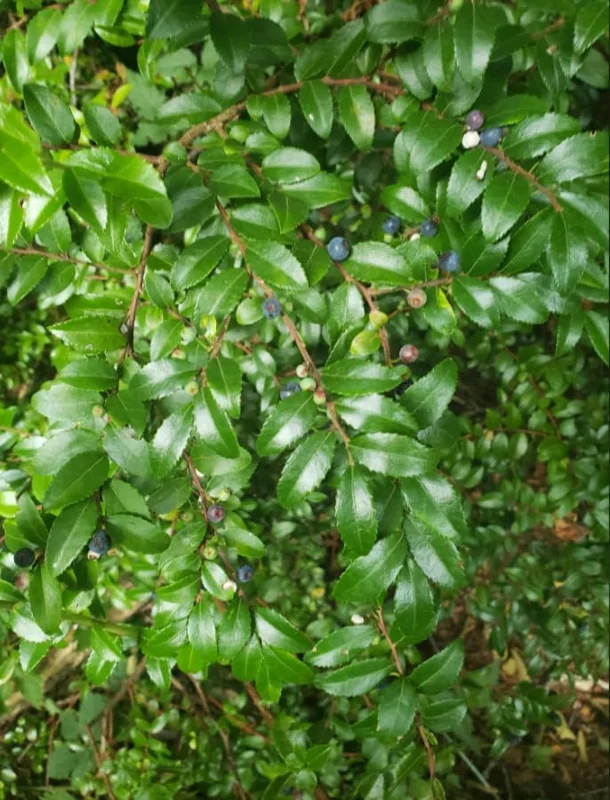
Introduce a delightful and productive addition to your garden with this black huckleberry live plant. Known scientifically as Gaylussacia baccata, the wild huckleberry bush is celebrated for its sweet, dark blue-black berries that ripen in late summer. This resilient and attractive shrub, also referred to as a common huckleberry shrub, offers both ornamental beauty with its spring flowers and the rewarding experience of harvesting your own fruit. Ideal for gardeners seeking a low-maintenance yet fruitful plant, this huckleberry thrives in a variety of conditions, making it a versatile choice for many landscapes. Its compact size makes it suitable for small gardens, containers, or as part of a naturalized planting.
Our black huckleberry live plant arrives ready to establish in your garden, providing you with a head start on growing these cherished native berries. The plant is carefully cultivated to ensure health and vigor upon arrival, promoting successful transplanting and growth. Whether you’re an experienced horticulturist or a budding gardener, caring for this sweet huckleberry plant is a straightforward and enjoyable endeavor, promising delicious rewards for years to come.
Key Benefits
Cultivating a black huckleberry live plant offers a multitude of advantages, from its aesthetic appeal to its practical benefits. This robust shrub is an excellent choice for enhancing biodiversity and providing fresh, nutritious berries right from your garden.
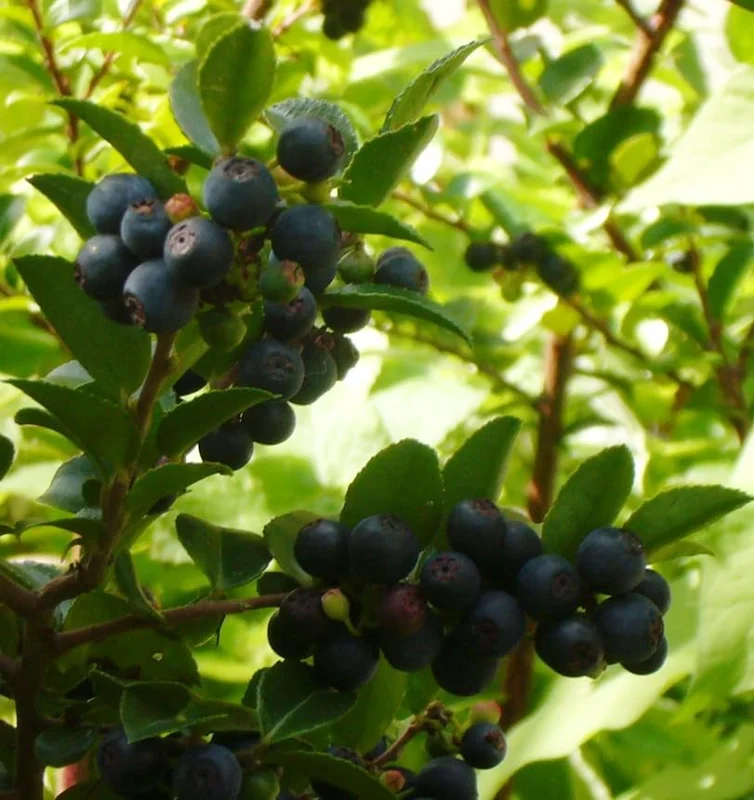
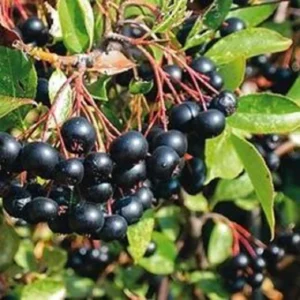
- Delicious Edible Berries: Enjoy a bountiful harvest of sweet, flavorful blue-black huckleberries that are perfect for fresh eating, baking, jams, or sauces. These berries are a delightful treat for both humans and local wildlife.
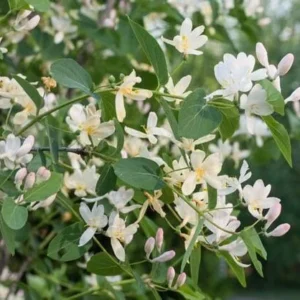
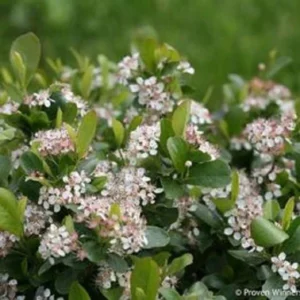
- Attractive Ornamental Value: The wild huckleberry bush provides year-round interest with its red to pink urn-shaped flowers in spring, followed by vibrant dark berries, and often displays beautiful fall foliage colors.
- Low Maintenance & Adaptable: This resilient shrub is known for its ability to thrive in various conditions, adapting well to different soil types and requiring minimal fuss once established, making huckleberry plant care easy for all skill levels.
- Supports Wildlife: The berries are a valuable food source for birds and other small animals, contributing to the ecological health of your garden and attracting beneficial fauna.
- Versatile Planting Options: Whether you have a spacious garden, a cozy patio, or prefer container gardening, this common huckleberry shrub is an excellent fit due to its manageable size and adaptability.
- Hardy and Resilient: With a broad USDA Hardiness Zone range, this sweet huckleberry plant is capable of withstanding various climates, ensuring a reliable performance in many regions.
Plant Care & Growing Tips
Proper huckleberry plant care will ensure your black huckleberry live plant thrives and produces an abundance of delicious berries. These shrubs are relatively easy to care for, making them a great choice for gardeners looking for rewarding, low-effort fruit production.
For sunlight, the wild huckleberry bush prefers full sun to partial shade. Full sun (at least 6 hours of direct sunlight daily) will generally lead to the best berry production, but it can tolerate some afternoon shade, especially in hotter climates. When it comes to watering, huckleberries prefer consistently moist but well-drained soil. Avoid waterlogging, as this can lead to root rot. Once established, they are somewhat drought-tolerant but will benefit from regular watering during dry spells, especially when berries are developing. The common huckleberry shrub is adaptable to various soil types, including sandy or rocky soils, but it thrives best in slightly acidic, well-drained soil with good organic content. If your soil is heavy clay, consider amending it with compost or sand to improve drainage.
This sweet huckleberry plant is hardy in USDA Zones 3-8, indicating its ability to withstand a significant range of winter temperatures. Fertilization is generally not heavily required for huckleberries. If your soil is poor, a light application of an acidic fertilizer formulated for berries or rhododendrons in early spring can be beneficial. Avoid over-fertilizing, as this can lead to excessive foliage growth at the expense of fruit. Pruning is best done in late winter or early spring before new growth begins. Remove any dead, damaged, or crossing branches to maintain good air circulation and plant health. You can also thin out older, less productive stems to encourage new growth and better fruit yield. Pests and diseases are generally not a major concern for the black huckleberry live plant, but keep an eye out for common garden pests and address them with organic solutions if necessary.
Size & Details
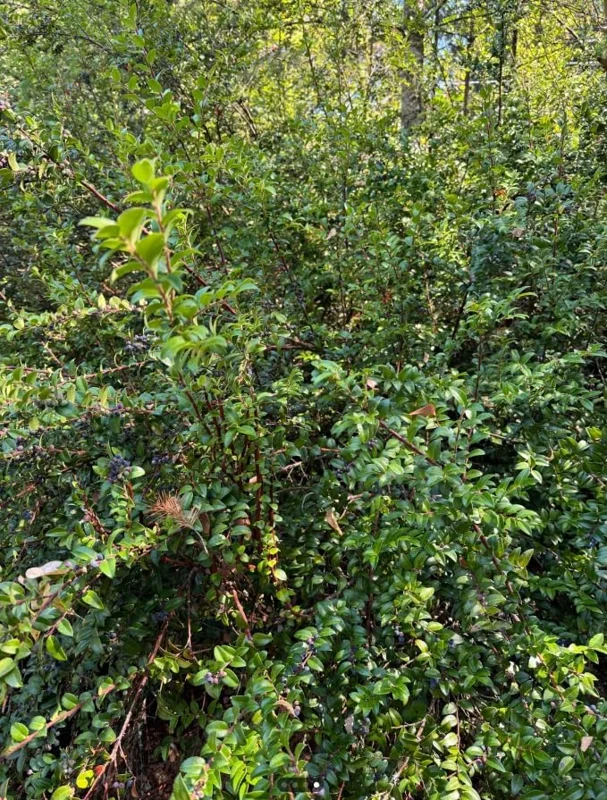
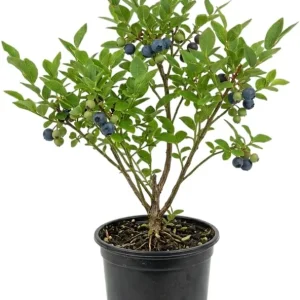
This black huckleberry live plant is shipped in a 4-inch pot, providing a healthy root system ready for transplanting into your garden or a larger container. At maturity, this wild huckleberry bush typically grows to an expected height of 3-4 feet tall and spreads 4-5 feet wide, forming a compact and attractive shrub. Its moderate growth rate means you’ll see it establish well in its first few seasons, with increasing berry production each year. The plant’s appearance may vary slightly upon arrival depending on its current growing stage and the time of year, but it will always be a healthy, viable specimen.
The common huckleberry shrub is delivered as a well-rooted, actively growing plant, ensuring a smooth transition to its new home. Expect the beautiful red to pink urn-shaped flowers to appear in spring, followed by the development of the fleshy blue-black berries that will mature in late summer. This sweet huckleberry plant offers a practical and beautiful solution for edible landscaping, providing both visual appeal and delicious fruit.
Frequently Asked Questions
- Q: How big does this black huckleberry live plant get? A: This shrub typically matures to an expected height of 3-4 feet tall and spreads 4-5 feet wide, making it a compact yet productive addition to your garden or patio.
- Q: What size pot does the plant come in? A: Your wild huckleberry bush will arrive in a 4-inch pot, providing a well-established root system for successful planting.
- Q: Is this an indoor or outdoor plant? A: The common huckleberry shrub is an outdoor plant, thriving in garden beds, landscapes, or large outdoor containers. It is not suitable for indoor cultivation.
- Q: How much sunlight does it need? A: This plant prefers full sun exposure for optimal berry production, meaning at least 6 hours of direct sunlight daily. It can tolerate partial shade, especially in very hot climates.
- Q: Is this plant easy to care for? A: Yes, the sweet huckleberry plant is known for its adaptability and relatively low maintenance requirements once established, making huckleberry plant care quite manageable for most gardeners.
- Q: What condition will it arrive in? A: Your plant will arrive healthy and actively growing in its 4-inch pot. Its appearance may vary based on the season and growth cycle, but it will be ready for planting.
- Q: When is the best time to plant a black huckleberry live plant? A: The best time to plant is typically in spring or early fall, allowing the plant sufficient time to establish its roots before extreme temperatures.
- Q: Will it survive winter in my zone? A: This wild huckleberry bush is hardy in USDA Zones 3-8, indicating it can tolerate cold winter temperatures within this range.
- Q: What type of soil does it prefer? A: It prefers well-drained, slightly acidic soil, and can tolerate sandy or rocky conditions. Avoid heavy, waterlogged soils.
- Q: How long until it produces berries? A: While it may produce some berries in its first year, significant fruit production from your common huckleberry shrub typically begins in its second or third year after planting, with increasing yields as it matures.
Related products
-50%
Original price was: $59.98.$29.99Current price is: $29.99.
-20%
Original price was: $66.00.$52.80Current price is: $52.80.
-76%
Original price was: $103.96.$24.99Current price is: $24.99.
-20%
Original price was: $76.00.$60.80Current price is: $60.80.
-20%
Original price was: $20.00.$16.00Current price is: $16.00.
PLANTING & CARE
Lemon Tree Growing: Choose, Plant, and Harvest
Learn how to choose, plant, feed, and protect a lemon tree so it fits your
23
Sep
Sep
Dwarf Meyer Lemon Tree Australia: Climate Guide
Learn where dwarf Meyer lemon trees grow, how much cold they tolerate, and whether Australia,
Where to Buy a Dwarf Meyer Lemon Tree: Buyer’s Guide
Find the right dwarf Meyer lemon tree online or locally, compare starter sizes and costs,
Dwarf Meyer Lemon Tree for Sale: Buying Guide
Compare Meyer lemon tree sizes, prices, shipping limits, indoor growing and California options before you
Dwarf Meyer Lemon Tree Guide: Size, Care and Fruit
META: Learn how large a dwarf Meyer lemon tree grows, where it thrives, and how
How to Prune a Dwarf Meyer Lemon Tree
Learn when and how to prune a dwarf Meyer lemon tree, including tools, shaping cuts,
Can You Grow a Dwarf Meyer Lemon Tree in a Pot?
META: Learn how to grow a dwarf Meyer lemon tree in a pot, including container
When Do Dwarf Meyer Lemon Trees Bloom and Fruit?
META: Dwarf Meyer lemon trees usually bloom from winter through spring and may flower again