Jostaberry Live Plant, 6-12″ Tall, Cold Hardy Fruiting Bush, Zones 3-8
-50%
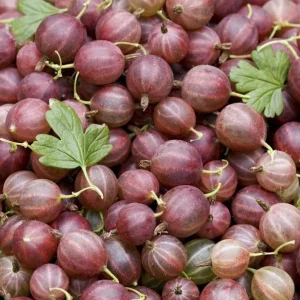
Jostaberry Live Plant, 6-12″ Tall, Cold Hardy Fruiting Bush, Zones 3-8
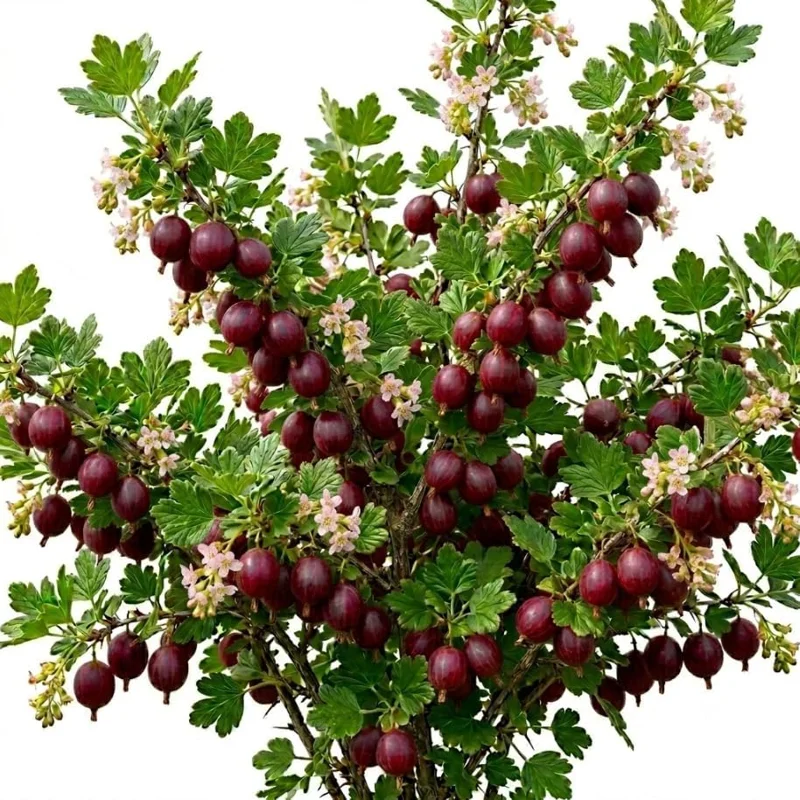
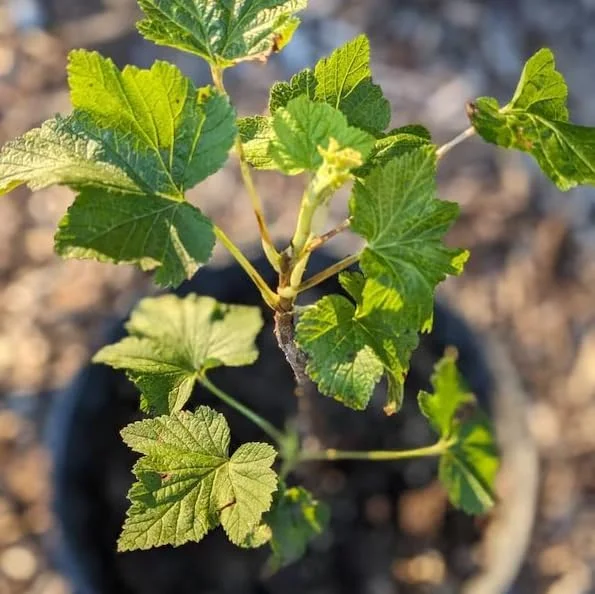
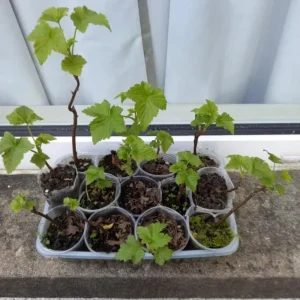
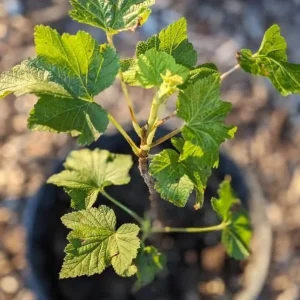
Cultivate your own delicious fruit with this jostaberry live plant. A unique cross between a gooseberry and blackcurrant, this jostaberry bush is cold hardy, thriving in USDA Zones 3-8. It’s an easy-to-grow fruiting shrub, perfect for garden beds or containers, and ships as a dormant bare root plant approximately 6-12 inches tall.
Original price was: $57.98.$28.99Current price is: $28.99.

With our Alive & Thrive Guarantee, we’ve got your back for the first 30 days! If you have any concerns about your plants, just reach out to us. Our team is here to help answer your questions and guide you in selecting the best plants for your garden, climate, and unique preferences. We're excited to help you create the garden of your dreams!
Estimated arrival
Oct 21
Oct 26 - Oct 28
Oct 31 - Nov 04

Product Details
-
USDA Hardiness Zone
3-8 -
Soil type
Well-draining, fertile soil (e.g., Clay Soil) -
Sunlight Exposure
Full Sun to Partial Shade -
Expected Planting Period
Early Spring
Overview
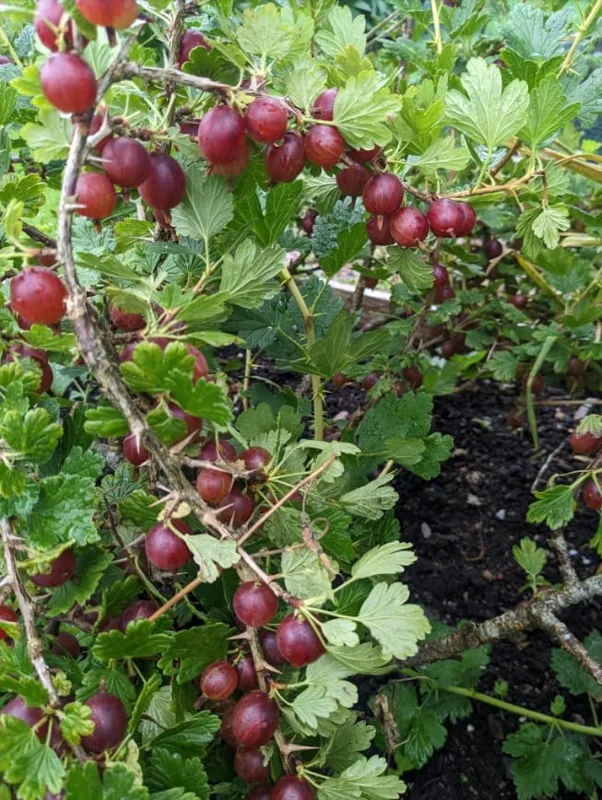
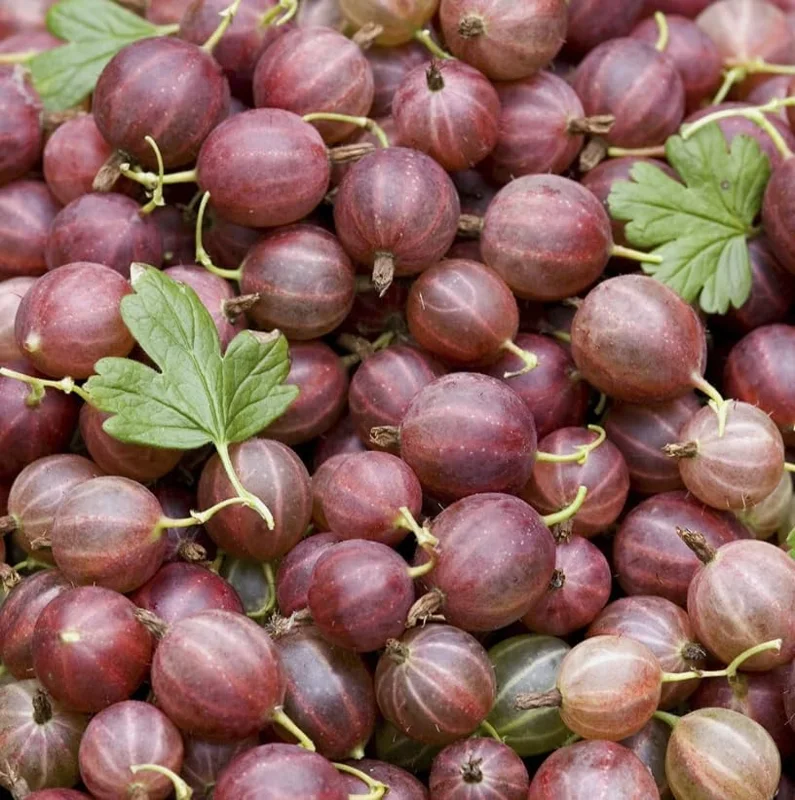
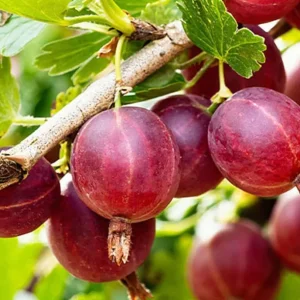
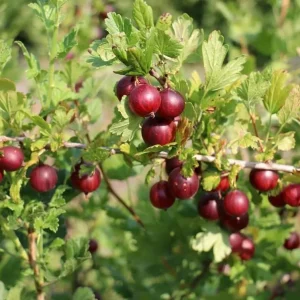
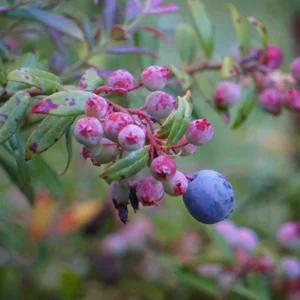
Discover the joy of growing your own berries with the jostaberry live plant. This remarkable hybrid is a cross between a blackcurrant (Ribes nigrum) and a gooseberry (Ribes uva-crispa), offering the best qualities of both parents. Known for its vigorous growth and thornless branches, the jostaberry produces abundant, dark purple-black berries that are slightly larger than blackcurrants and less tart than gooseberries. This resilient jostaberry bush is an excellent choice for home gardeners looking for an easy-to-care-for fruiting plant. It’s a fantastic addition to any edible landscape, providing both ornamental value and a bountiful harvest of nutritious fruit. Experience the unique flavor and robust nature of this exceptional berry producer.
Originating in Germany, the jostaberry (Ribes x nidigrolaria) is a relatively new fruit sensation, gaining popularity for its disease resistance and adaptability. Our jostaberry live plant arrives as a dormant bare root, typically 6-12 inches tall, ready to establish quickly in your garden. Whether you’re an experienced gardener or just starting, this cold-hardy plant will reward you with delicious fruit for years to come. Enjoy fresh berries straight from the bush, or use them in jams, jellies, pies, and sauces.
Key Benefits
Adding a jostaberry plant to your garden offers a multitude of advantages, combining ease of care with a rewarding harvest. This versatile jostaberry live plant brings both aesthetic appeal and practical benefits to your outdoor space.
- Abundant Fruiting: Enjoy a prolific yield of dark, flavorful berries that ripen in mid-summer. The fruit is excellent for fresh eating, baking, preserves, and juicing, providing a versatile ingredient for your culinary creations.
- Cold Hardy & Resilient: Thrives in a wide range of climates, specifically USDA Hardiness Zones 3-8, making it a reliable choice for many regions. This plant can withstand colder temperatures, ensuring consistent performance year after year.
- Disease Resistant: Known for its strong resistance to common gooseberry and blackcurrant diseases, such as powdery mildew and rust, reducing the need for chemical treatments and making it a low-maintenance option.
- Thornless Branches: Unlike traditional gooseberries, jostaberry bushes are thornless, making harvesting a more pleasant and injury-free experience. This feature is particularly appealing for families with children.
- Easy to Grow: Ideal for both novice and experienced gardeners, this fruiting shrub requires minimal fuss once established. It adapts well to various soil types and light conditions, making it highly forgiving.
- Nutrient-Rich Berries: The berries are packed with vitamins, antioxidants, and fiber, contributing to a healthy diet. Growing your own ensures you have access to fresh, organic produce.
- Versatile Landscape Use: Can be grown as a stand-alone specimen, in a hedgerow, or even in large containers, adding a productive and attractive element to your garden design.
Plant Care & Growing Tips
Caring for your jostaberry live plant is straightforward, ensuring a healthy and productive bush for many years. These plants are remarkably adaptable and resistant to many common issues, making them an excellent choice for a low-maintenance edible garden. Understanding their basic needs will help them thrive and produce abundant fruit.
Sunlight Requirements: Jostaberries prefer full sun to partial shade. For the best fruit production, aim for at least 6-8 hours of direct sunlight per day. While they can tolerate some shade, too little sun may result in fewer berries and less vigorous growth. Ensure your planting location receives adequate light, especially during the morning hours.
Watering: Consistent moisture is key, especially during dry spells and when the plant is establishing. Water deeply once or twice a week, allowing the top inch of soil to dry out slightly between waterings. Avoid overwatering, as standing water can lead to root rot. Mulching around the base of the jostaberry bush can help retain soil moisture and suppress weeds.
Soil Type & Drainage: Jostaberries are adaptable but prefer well-draining, fertile soil with a pH between 6.0 and 7.0. Clay soil is acceptable as long as it drains well. Amend heavy clay soils with organic matter like compost to improve drainage and aeration. Good drainage is crucial to prevent waterlogged roots. This fruiting shrub thrives in a rich, loamy environment.
Temperature & USDA Hardiness Zone: These are very cold-hardy plants, suitable for USDA Zones 3-8. They can withstand winter temperatures well below freezing, requiring a chilling period to produce fruit. In hotter climates (Zone 8 and above), ensure they receive some afternoon shade to protect them from intense heat.
Fertilization: Fertilize your jostaberry plant in early spring before new growth begins. Use a balanced slow-release fertilizer or an organic option like compost or well-rotted manure. Avoid excessive nitrogen, which can promote leafy growth at the expense of fruit production. For optimal growth and fruiting, a yearly application of compost around the base is often sufficient.
Pruning: Prune in late winter or early spring while the plant is dormant. Remove any dead, damaged, or weak branches. Thin out older, less productive canes to encourage new growth and better air circulation. Aim to maintain an open structure with 6-8 main stems for optimal fruit production. This helps keep the gooseberry currant cross healthy and productive.
Pest & Disease Management: Jostaberries are generally resistant to most pests and diseases. Keep an eye out for common garden pests like aphids or currant borers, though infestations are rare. Good air circulation and proper watering practices will help prevent fungal issues. If problems arise, use organic pest control methods or consult a local agricultural extension office.
Size & Details
This jostaberry live plant is shipped as a dormant bare root, ensuring it establishes quickly and vigorously in your garden. Upon arrival, the plant will be approximately 6-12 inches tall, depending on the season and its current growth stage. Bare root plants are an economical and effective way to start your berry patch, as they focus their energy on root development once planted. Once established, this jostaberry bush is a moderate to fast grower, typically reaching a mature height of 4-6 feet with a similar spread. It develops into a rounded, dense shrub, perfect for a garden bed, edible hedge, or large container.
The plant is expected to begin fruiting within 1-2 years after planting, with full production achieved by years 3-4. Berries typically ripen in mid-summer, providing a delightful harvest. This includes the unique characteristics of a gooseberry currant cross, offering a distinct flavor profile. The plant’s robust nature and cold hardiness make it a long-term investment for your edible landscape, providing delicious fruit for many seasons to come.
Frequently Asked Questions
- Q: How big does this jostaberry plant get? A: Once mature, the jostaberry live plant typically reaches a height and spread of 4-6 feet. It forms a dense, rounded bush, making it a good choice for various garden settings or even as a low hedge.
- Q: Is this an indoor or outdoor plant? A: The jostaberry is a deciduous outdoor fruiting shrub. It requires a period of winter dormancy and is not suitable for year-round indoor cultivation. It thrives best in garden beds or large outdoor containers.
- Q: How much sunlight does it need? A: For optimal growth and fruit production, your jostaberry bush needs at least 6-8 hours of direct sunlight per day. It can tolerate partial shade, especially in hotter climates, but full sun yields the best berry harvest.
- Q: Is this plant easy to care for? A: Yes, jostaberries are known for being very easy to grow and maintain. They are disease-resistant, cold-hardy, and adaptable to various soil conditions, making them an excellent choice for beginner gardeners.
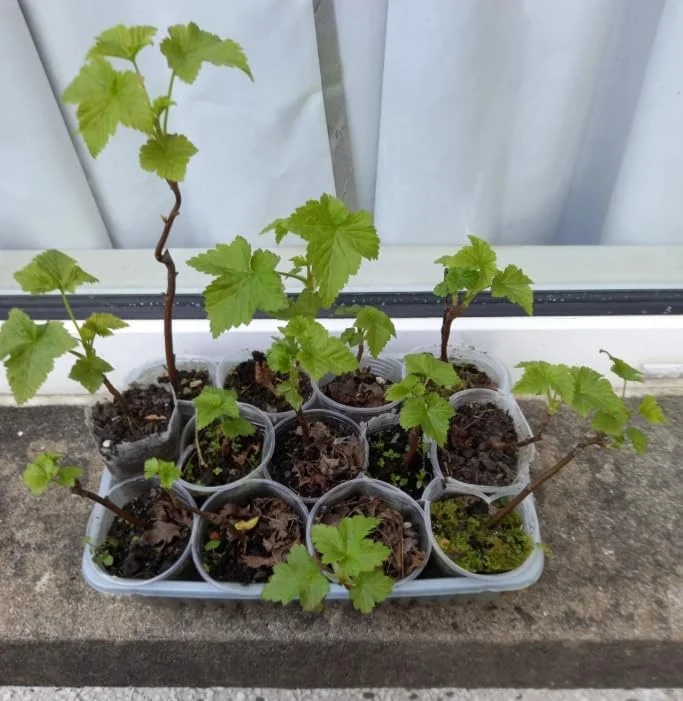
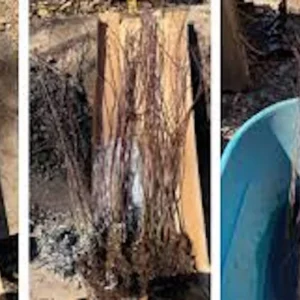
- Q: What condition will it arrive in? A: Your jostaberry live plant will arrive as a dormant bare root plant, approximately 6-12 inches tall. This means it will have no soil or leaves, focusing its energy on root development once planted.
- Q: When is the best time to plant a jostaberry? A: The best time to plant bare root jostaberry plants is in early spring, as soon as the soil can be worked. This allows the plant ample time to establish its root system before the heat of summer or the cold of winter.
- Q: Will it survive winter in my zone? A: Yes, the jostaberry is extremely cold hardy and thrives in USDA Hardiness Zones 3-8. It requires cold temperatures for dormancy and will readily survive winter in these zones, returning with new growth in spring.
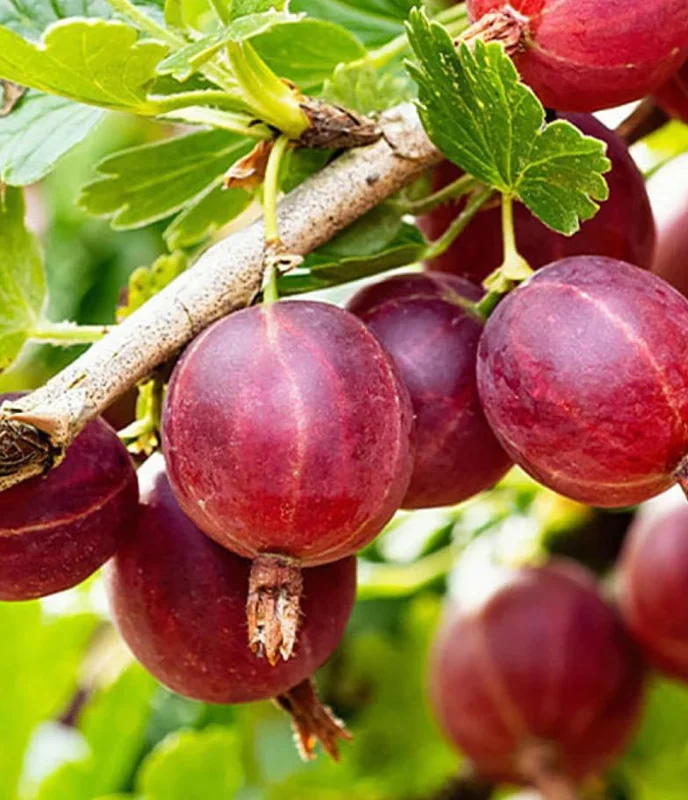
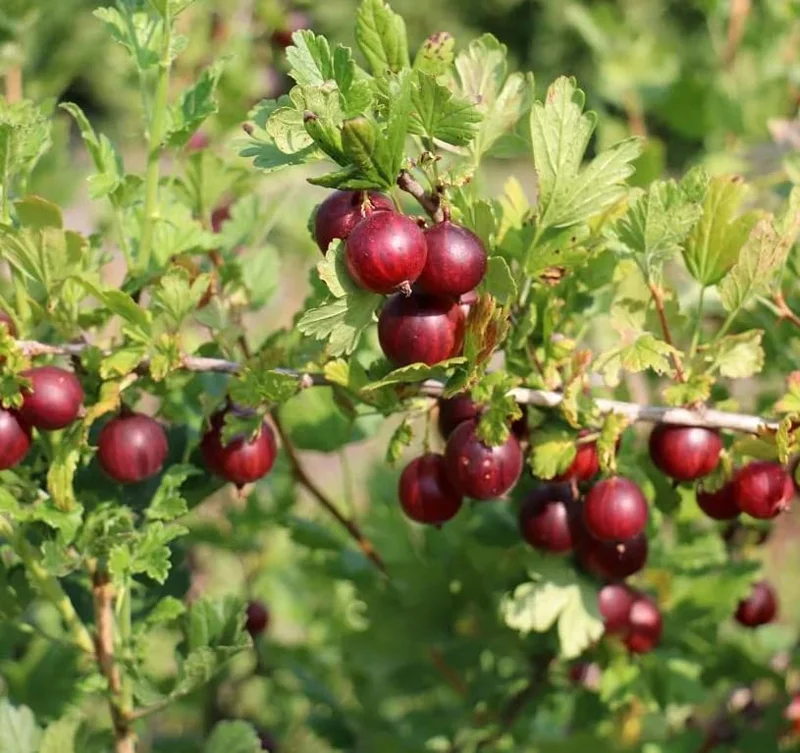
- Q: What are the berries like from this fruiting shrub? A: The berries are a unique blend of gooseberry and blackcurrant flavors. They are dark purple to black, slightly larger than blackcurrants, and have a sweet-tart taste. They are excellent fresh, cooked, or preserved.
- Q: Does this plant have thorns? A: No, one of the great advantages of the jostaberry is that it is thornless, unlike many traditional gooseberry varieties. This makes harvesting the delicious fruit much easier and more enjoyable.
- Q: What kind of soil does a jostaberry prefer? A: While adaptable, jostaberries prefer well-draining, fertile soil with a slightly acidic to neutral pH (6.0-7.0). Amending clay soil with organic matter will improve drainage and overall plant health.
Related products
-50%
Original price was: $59.98.$29.99Current price is: $29.99.
-50%
Original price was: $83.00.$41.50Current price is: $41.50.
-60%
Original price was: $53.99.$21.59Current price is: $21.59.
-45%
Original price was: $220.00.$121.00Current price is: $121.00.
PLANTING & CARE
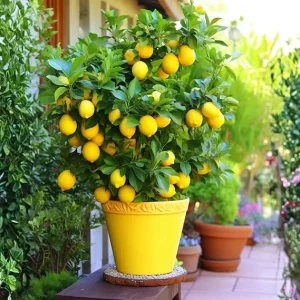
Lemon Tree Growing: Choose, Plant, and Harvest
Learn how to choose, plant, feed, and protect a lemon tree so it fits your
23
Sep
Sep
Dwarf Meyer Lemon Tree Australia: Climate Guide
Learn where dwarf Meyer lemon trees grow, how much cold they tolerate, and whether Australia,
Where to Buy a Dwarf Meyer Lemon Tree: Buyer’s Guide
Find the right dwarf Meyer lemon tree online or locally, compare starter sizes and costs,
Dwarf Meyer Lemon Tree for Sale: Buying Guide
Compare Meyer lemon tree sizes, prices, shipping limits, indoor growing and California options before you
Dwarf Meyer Lemon Tree Guide: Size, Care and Fruit
META: Learn how large a dwarf Meyer lemon tree grows, where it thrives, and how
How to Prune a Dwarf Meyer Lemon Tree
Learn when and how to prune a dwarf Meyer lemon tree, including tools, shaping cuts,
Can You Grow a Dwarf Meyer Lemon Tree in a Pot?
META: Learn how to grow a dwarf Meyer lemon tree in a pot, including container
When Do Dwarf Meyer Lemon Trees Bloom and Fruit?
META: Dwarf Meyer lemon trees usually bloom from winter through spring and may flower again