Black Sapote Live Plant – Matt Snow Variety – Air-Layered Tree – Almost 3ft Tall
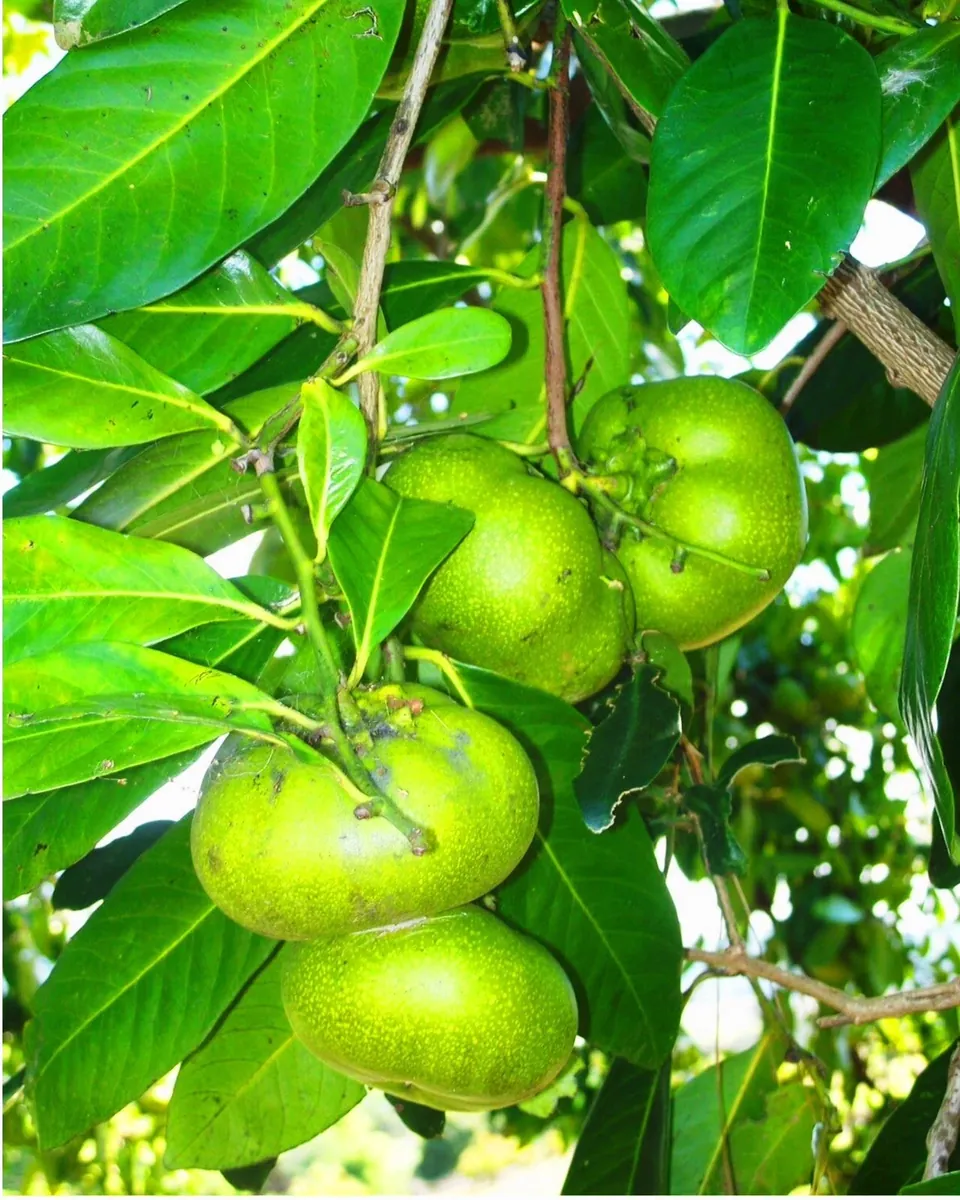




Black Sapote Live Plant – Matt Snow Variety – Air-Layered Tree – Almost 3ft Tall
Bring the exotic taste of the tropics to your garden with this Matt Snow Black Sapote live plant. This air-layered tree, standing almost 3ft tall, is ready to thrive in suitable climates, promising delicious chocolate pudding fruit tree harvests. A unique addition for fruit tree enthusiasts.
$150.00

With our Alive & Thrive Guarantee, we’ve got your back for the first 30 days! If you have any concerns about your plants, just reach out to us. Our team is here to help answer your questions and guide you in selecting the best plants for your garden, climate, and unique preferences. We're excited to help you create the garden of your dreams!
Estimated arrival
Mar 31
Apr 05 - Apr 07
Apr 10 - Apr 14


Product Details
-
USDA Hardiness Zone
USDA zones 10-11 -
Soil type
Rich, well-draining sandy loam -
Sunlight Exposure
Full sun -
Expected Planting Period
Year-round in tropical climates; spring to early summer elsewhere for outdoor planting or year-round indoors
Overview
Cultivate a truly unique and delicious tropical fruit with the Matt Snow Black Sapote live plant. This air-layered tree, standing at an impressive height of almost 3 feet, offers a head start to growing your own ‘chocolate pudding fruit’. The Black Sapote, scientifically known as Diospyros nigra, is renowned for its rich, dark, and sweet fruit that remarkably resembles chocolate pudding in taste and texture when ripe. The ‘Matt Snow’ variety is a sought-after cultivar, known for its reliable fruiting and vigorous growth. Owning a Black Sapote tree allows you to enjoy fresh, organic fruit straight from your backyard, providing a unique culinary experience and a striking ornamental addition to your landscape. This particular specimen is ready to be planted and cared for by enthusiasts eager to bring a piece of tropical paradise home.
Key Benefits
Growing your own Matt Snow Black Sapote live plant offers a multitude of benefits, from its unique fruit to its aesthetic appeal. This tropical gem provides both ornamental beauty and a delightful harvest.
- Exotic Fruit Production: Enjoy the rare and delicious ‘chocolate pudding fruit’ directly from your own Black Sapote tree. The fruit is low in fat, a good source of Vitamin C, and makes for unique desserts or fresh eating.
- Ornamental Value: With its lush green foliage and attractive growth habit, the Matt Snow Black Sapote live plant serves as a beautiful focal point in any garden or landscape.
- Air-Layered Advantage: Being air-layered means this tree has a more developed root system and will establish faster, leading to earlier fruit production compared to seed-grown plants.
- Unique Culinary Ingredient: The fruit’s texture and flavor make it a versatile ingredient for smoothies, pies, custards, and, of course, a healthy alternative to chocolate pudding.
- Conversation Starter: Its unusual fruit and tropical origins make the chocolate pudding fruit tree a fascinating topic for garden visitors and friends.
- Sustainable Gardening: Grow your own fresh, organic fruit, reducing your reliance on store-bought produce and supporting sustainable living practices.
Plant Care & Growing Tips
Caring for your Matt Snow Black Sapote live plant will ensure a healthy tree and bountiful harvests of delicious fruit. This tropical species thrives in specific conditions that mimic its native environment.
Sunlight Requirements: The Black Sapote tree prefers full sun exposure, meaning at least 6-8 hours of direct sunlight per day. While it can tolerate some partial shade, optimal fruit production and vigorous growth occur in bright, sunny locations. For younger plants, some protection from intense afternoon sun in very hot climates may be beneficial initially.
Watering Schedule and Soil Moisture Preferences: Consistent moisture is crucial for the Matt Snow Black Sapote live plant, especially during its establishment phase and while fruiting. Water regularly, ensuring the soil remains evenly moist but not waterlogged. Deep watering is preferred to encourage a strong root system. Reduce watering slightly during cooler, dormant periods. Good drainage is paramount to prevent root rot.
Soil Type and Drainage Requirements: This tropical fruit tree prefers rich, well-draining soil with a slightly acidic to neutral pH (6.0-7.0). A sandy loam enriched with organic matter is ideal. If planting in heavy clay soil, amend extensively with compost and sand to improve drainage. Poor drainage can quickly lead to problems for your chocolate pudding fruit tree.
Temperature Range and USDA Hardiness Zone: Black Sapote is a tropical plant and is sensitive to cold. It thrives in warm, humid environments. The ideal temperature range is between 65-90°F (18-32°C). It is generally suited for USDA zones 10-11, where it can be grown outdoors year-round. In cooler zones, it can be grown in large containers and brought indoors during winter or protected from frost. Frost can severely damage or kill young trees.
Fertilization Schedule and Type: Fertilize your Black Sapote tree with a balanced slow-release fertilizer or an organic fruit tree fertilizer during the growing season (spring and summer). Follow package instructions for application rates. Young trees benefit from more frequent, lighter applications, while mature trees require less. Supplement with compost or well-rotted manure for improved soil health.
Common Problems and Solutions: Watch out for common pests like aphids and scale insects, which can be treated with horticultural oil or neem oil. Fungal issues, often caused by excessive humidity or poor air circulation, can be managed with proper pruning and fungicides if necessary. Ensure adequate nutrition to keep the tree robust and resistant to disease.
Size & Details
This offering is for a vibrant Matt Snow Black Sapote live plant, which has been propagated via air-layering. This method ensures that the plant is a true clone of the parent tree, guaranteeing the desired fruit characteristics. The tree stands at approximately 3 feet tall from the base of the pot, providing a substantial specimen ready for transplanting. While the exact pot size is not specified, it will arrive in a nursery container suitable for its current size, protecting the root ball during transit. Black Sapote trees generally have a moderate growth rate and can reach heights of 20-30 feet in ideal conditions, though they can be kept smaller with pruning. Expect fruit production to begin within 2-4 years under optimal care. This air-layered chocolate pudding fruit tree offers a faster path to harvest compared to growing from seed.
Frequently Asked Questions
- Q: How big does this plant get? A: This Matt Snow Black Sapote live plant is currently about 3 feet tall. In ideal tropical conditions, a mature Black Sapote tree can reach heights of 20-30 feet, but its size can be managed with regular pruning to fit smaller gardens or container growing.
- Q: Is this an indoor or outdoor plant? A: The Black Sapote tree is a tropical plant best suited for outdoor growth in USDA Zones 10-11. In cooler climates, it can be grown in a large container and brought indoors during winter to protect it from frost.
- Q: How much sunlight does it need? A: This tropical fruit tree thrives in full sun, requiring at least 6-8 hours of direct sunlight daily for optimal growth and fruit production. Young plants may benefit from some afternoon shade in extremely hot regions.
- Q: Is this plant easy to care for? A: While it has specific requirements for warmth and consistent moisture, the Matt Snow Black Sapote live plant is considered moderately easy to care for once its environmental needs are met. Consistent watering and well-draining soil are key.
- Q: What condition will it arrive in? A: The air-layered Black Sapote tree will arrive in a healthy, well-rooted condition, carefully packaged in its nursery pot to ensure its safety during transit.
- Q: How long until it blooms and fruits? A: Being an air-layered tree, this chocolate pudding fruit tree has a head start and can begin blooming and producing fruit within 2-4 years of planting, much faster than seed-grown trees.
- Q: What’s the minimum temperature this tree can tolerate? A: The Matt Snow Black Sapote live plant is sensitive to cold. It can tolerate brief dips to around 30-32°F (0-1°C) for very short periods, but sustained temperatures below 40°F (4°C) will cause damage, and frost can be fatal, especially to young trees.
- Q: Can I grow this Black Sapote tree in a pot? A: Yes, you can successfully grow a Black Sapote tree in a large container, especially in regions outside its recommended USDA zones. Ensure the pot has excellent drainage and is large enough to accommodate root growth.
- Q: What does the fruit taste like? A: The ripe fruit of the Black Sapote tree has a creamy, custard-like texture and a sweet flavor often compared to chocolate pudding, hence its popular nickname.
- Q: Is the ‘Matt Snow’ variety self-pollinating? A: Black Sapote trees are generally considered self-fertile, meaning a single tree can produce fruit. However, having more than one tree may sometimes improve fruit set.
Related products
-20%
Original price was: $90.00.$72.00Current price is: $72.00.
-10%
Original price was: $80.99.$72.89Current price is: $72.89.
PLANTING & CARE

Growing Glencoe Raspberry: A Complete Guide for Gardeners
If you’re looking to add something unique to your garden, look no further than the
31
Mar
Mar

The Comprehensive Guide to Growing Bay Leaf Plants for a Flavorful Garden
Imagine stepping into your garden, greeted by the earthy aroma of fresh bay leaves, their
09
Feb
Feb

How to Make Comfrey Tea: The Ultimate Organic Plant Food
Growing an organic garden can be surprisingly expensive, especially when most store-bought fertilizers come in
02
Feb
Feb

True Comfrey: 7 Essential Tips Before You Plant This Herb
A staple in permaculture practices across the US, True Comfrey easily earns its reputation as
27
Jan
Jan

7 Heart-Shaped Plants for a Lasting Valentine’s Gift
If you’ve ever bought a bouquet of roses for Valentine’s Day, you know they are
26
Jan
Jan

Best Types of Ivy Plant for Houses: How to Choose the Perfect Ones for Your Home
Are you a garden lover looking to introduce some greenery into your home? Maybe you’ve
14
Nov
Nov

When to Harvest Garlic (Especially Fall-Planted Garlic)
TIMING IS EVERYTHING, they say – and for garlic, that truth hits with surprising accuracy.
13
Nov
Nov

11 of the Best Sweet Potato Varieties to Grow for Your Garden
If you’ve ever tried growing sweet potatoes, you know that picking the right variety can
12
Nov
Nov