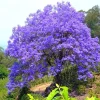
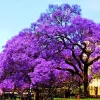
Blue Jacaranda Live Plant, Violet Mimosifolia Tree, 6-8 Inch Tall, Outdoor Flowering
-50%
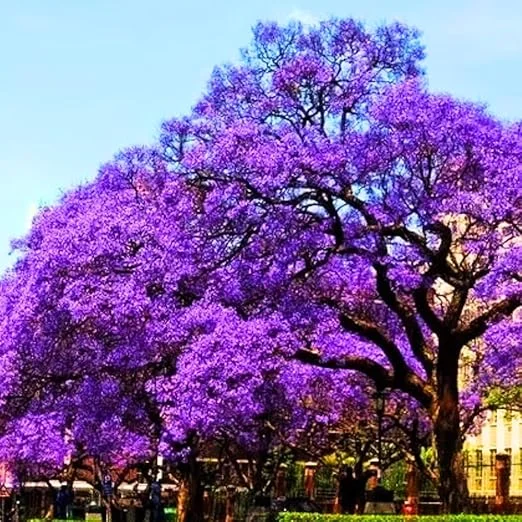
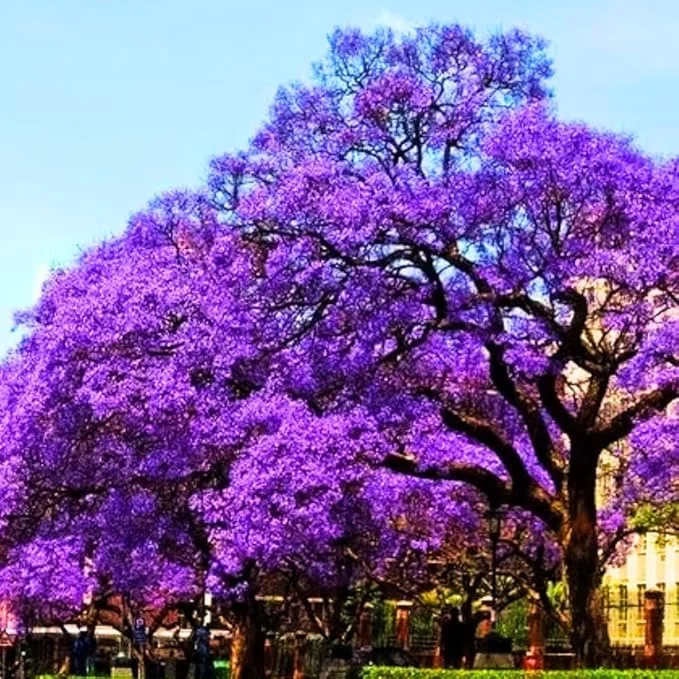
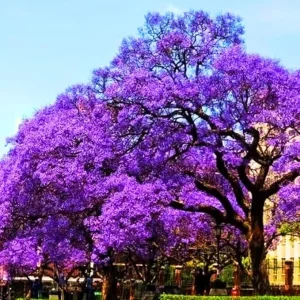
Blue Jacaranda Live Plant, Violet Mimosifolia Tree, 6-8 Inch Tall, Outdoor Flowering
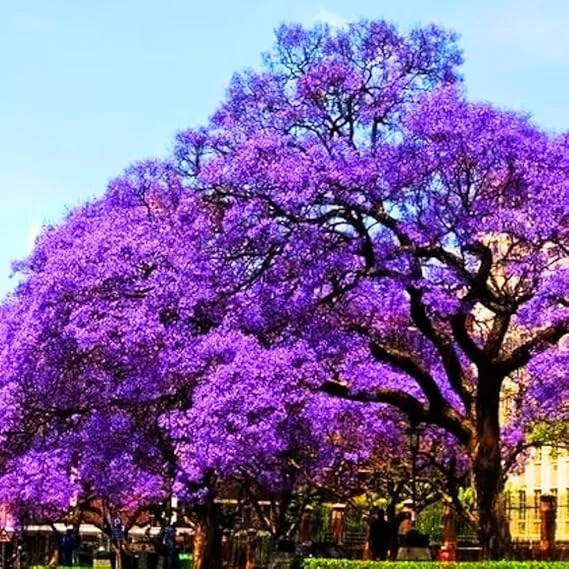
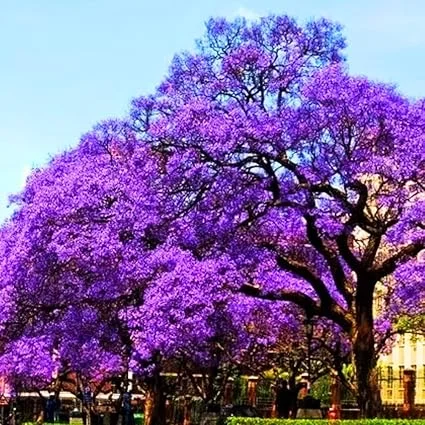
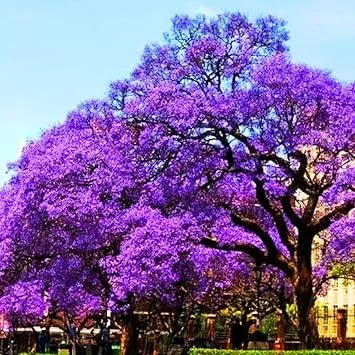
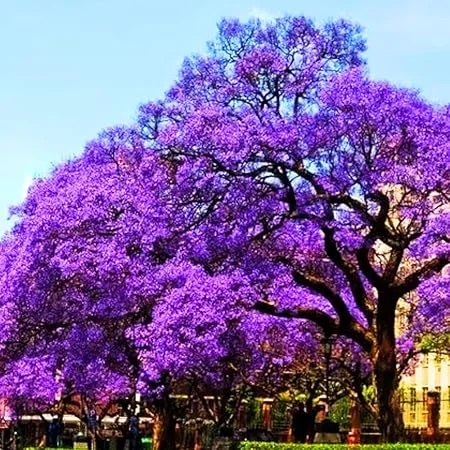
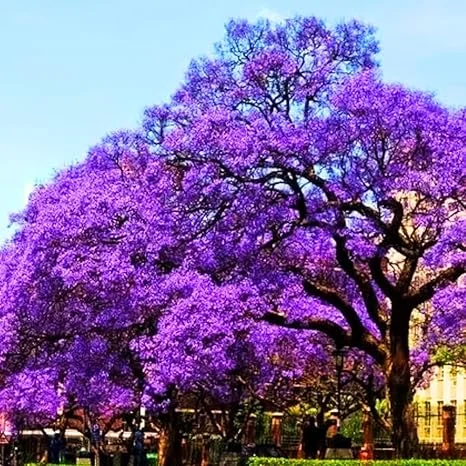
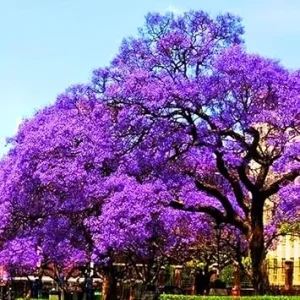
Bring vibrant color to your outdoor space with a blue jacaranda live plant. This 6-8 inch tall violet jacaranda tree is known for its spectacular purple-blue flowers, making it an ideal choice for stunning landscape accents.
Original price was: $39.98.$19.99Current price is: $19.99.

With our Alive & Thrive Guarantee, we’ve got your back for the first 30 days! If you have any concerns about your plants, just reach out to us. Our team is here to help answer your questions and guide you in selecting the best plants for your garden, climate, and unique preferences. We're excited to help you create the garden of your dreams!
Estimated arrival
Apr 13
Apr 18 - Apr 20
Apr 23 - Apr 27

Product Details
-
USDA Hardiness Zone
USDA Zones 9-11 -
Soil type
Well-draining, slightly acidic to neutral soil -
Sunlight Exposure
Full sun -
Expected Planting Period
Spring to early summer
Overview
Introduce breathtaking beauty to your garden with this magnificent blue jacaranda live plant. Known botanically as Jacaranda mimosifolia, this specimen arrives as a healthy 6-8 inch tall plant, ready to thrive in your outdoor landscape. The Jacaranda tree is renowned for its spectacular display of violet-blue, trumpet-shaped flowers that bloom in clusters, creating a carpet of color when they fall. Originating from South America, this ornamental tree is a favorite in warm climates for its fast growth and stunning visual impact. This particular blue jacaranda live plant offers an opportunity to cultivate a show-stopping feature in your garden or a large container, promising a vibrant splash of color for many years to come.
The violet jacaranda tree is a deciduous or semi-deciduous tree that can reach impressive sizes, providing ample shade and an unparalleled floral spectacle. Its fern-like foliage adds a delicate texture even when not in bloom. Perfect for those looking to add an exotic and dramatic flair to their outdoor living space, this young plant will grow into a majestic specimen, transforming any garden into a picturesque haven. Cultivating a jacaranda mimosifolia care routine is straightforward, making it a rewarding choice for both experienced gardeners and enthusiastic beginners.
Key Benefits
The blue jacaranda live plant offers numerous advantages, making it a highly desirable addition to any outdoor setting. Its striking appearance and vigorous growth contribute significantly to landscape aesthetics and environmental well-being.
- Spectacular Floral Display: The primary appeal of the Jacaranda tree is its profusion of stunning violet-blue, bell-shaped flowers. These blooms appear in large clusters, creating a vibrant and unforgettable spectacle that can last for several weeks in late spring to early summer, truly making it a magnificent outdoor flowering tree.
- Elegant Fern-like Foliage: Even when not in bloom, the tree boasts attractive bipinnately compound leaves, which are finely textured and bright green. This delicate foliage provides a soft, airy look, offering a beautiful contrast to its sturdy trunk and branches.
- Excellent Shade Provider: As it matures, the Jacaranda develops a broad, spreading canopy, making it an ideal shade tree for patios, lawns, or garden seating areas. This natural shade can help cool your outdoor spaces during warm months.
- Fast Growing Ornamental: This species is known for its relatively fast growth rate, allowing gardeners to enjoy its mature beauty sooner. Its rapid development makes it a satisfying choice for those looking to quickly establish a significant landscape feature.
- Attracts Pollinators: The vibrant flowers are a magnet for bees, hummingbirds, and other beneficial pollinators, contributing to the biodiversity and health of your garden ecosystem. This interaction adds a lively element to your outdoor environment.
- Low Maintenance Once Established: While young plants require consistent care, mature Jacaranda trees are relatively low-maintenance, tolerating a range of soil conditions and requiring less frequent watering, especially in suitable climates. This makes the purple flowering plant a durable choice.
- Versatile Landscape Use: Ideal for use as a specimen tree, avenue planting, or in large containers, its versatility allows it to fit into various garden designs, from formal to informal. Its unique beauty makes it a focal point wherever it is placed.
Plant Care & Growing Tips
Ensuring your blue jacaranda live plant thrives requires understanding its specific needs for sunlight, water, and soil. This tropical to subtropical tree flourishes in conditions that mimic its native habitat. For optimal growth and prolific flowering, consistent attention during its formative years is crucial.
Sunlight: The Jacaranda tree demands full sun exposure to produce its characteristic vibrant blooms. It requires at least 6-8 hours of direct sunlight per day. Plant it in a location where it will receive ample morning and afternoon sun. Insufficient light can lead to sparse flowering and leggy growth, compromising the tree’s overall health and aesthetic appeal. When considering jacaranda mimosifolia care, remember that sun is paramount.
Watering: Young Jacaranda trees need consistent moisture to establish a strong root system. Water deeply and regularly, especially during dry spells and the first few years after planting. The soil should be kept consistently moist but not waterlogged. Once established, the tree becomes more drought-tolerant but will still benefit from occasional deep watering during extended dry periods. Reduce watering frequency in cooler months. Proper hydration is key for a healthy violet jacaranda tree.
Soil: This tree prefers well-draining soil with a slightly acidic to neutral pH (6.0-7.0). While it can tolerate various soil types, including sandy or clay soils, excellent drainage is critical to prevent root rot. Amending heavy clay soils with organic matter like compost or sand can improve drainage. For container planting, use a high-quality potting mix designed for outdoor trees or shrubs. Good soil provides the foundation for a robust blue jacaranda live plant.
Temperature and Hardiness: Jacaranda trees are cold-hardy in USDA Zones 9-11, thriving in warm, frost-free climates. They are sensitive to cold temperatures and frost, especially when young. In areas prone to light frost, consider protecting young trees during winter, or plant them in a sheltered location. Mature trees can tolerate brief dips in temperature but prolonged cold can cause damage. This makes it an ideal outdoor flowering tree for warmer regions.
Fertilization: Fertilize young Jacaranda trees in spring with a balanced, slow-release fertilizer to encourage strong growth. Once established, they generally do not require heavy fertilization. An annual application of compost around the base of the tree can provide sufficient nutrients. Avoid high-nitrogen fertilizers, as these can promote leafy growth at the expense of flowers.
Pruning: Minimal pruning is needed, primarily to shape the tree, remove dead or damaged branches, and maintain a strong central leader. Prune after flowering to avoid cutting off next season’s blooms. Avoid heavy pruning, as it can sometimes lead to an undesirable growth habit. Pruning can also help manage the tree’s size if grown in a smaller garden or as a large container specimen, ensuring a beautiful purple flowering plant.
Size & Details
This offering is for one blue jacaranda live plant, which measures approximately 6-8 inches tall from the bottom of its pot at the time of shipment. This young plant is an ideal size for transplanting into your garden or a larger container, allowing it to establish its root system and begin its journey to maturity. Jacaranda trees are known for their fast growth rate, typically adding several feet in height each year under optimal conditions. When mature, this violet jacaranda tree can reach an impressive height of 25-50 feet with a spread of 15-30 feet, forming a wide, umbrella-like canopy. Its mature size makes it suitable for larger landscapes where it has ample space to expand.
The plant is shipped in a nursery pot, ensuring its roots are protected and hydrated during transit. It is ready for immediate planting upon arrival, provided local weather conditions are favorable. Expect the first stunning violet-blue flowers to appear within a few years of planting, as the tree establishes itself. With proper jacaranda mimosifolia care, this plant will develop into a magnificent specimen, providing years of vibrant color and elegant beauty.
Frequently Asked Questions
- Q: How big will my blue jacaranda live plant get? A: Your young blue jacaranda live plant is currently 6-8 inches tall. With proper care and ideal conditions, it can grow into a magnificent tree, reaching a mature height of 25-50 feet and spreading 15-30 feet wide, developing a beautiful, broad canopy.
- Q: Is this an indoor or outdoor plant? A: The violet jacaranda tree is primarily an outdoor plant, especially suited for warm climates. It thrives in full sun and is cold-hardy in USDA Zones 9-11. In colder regions, it can be grown in a large container and brought indoors during winter, though flowering might be less prolific.
- Q: How much sunlight does a Jacaranda tree need? A: For optimal growth and a spectacular display of flowers, this outdoor flowering tree requires full sun exposure, meaning at least 6-8 hours of direct sunlight daily. Planting it in a sunny location is crucial for successful blooming.
- Q: Is this plant easy to care for? A: While young Jacaranda plants require consistent watering and protection from frost, established trees are relatively low-maintenance, making jacaranda mimosifolia care manageable. They are drought-tolerant once mature and generally pest-resistant.
- Q: What condition will the plant arrive in? A: Your blue jacaranda live plant will arrive carefully packaged in a nursery pot, ensuring its roots are protected and the plant is healthy. It will be ready for transplanting into your garden or a larger container upon arrival.
- Q: How long until my Jacaranda tree blooms? A: Jacaranda trees typically begin flowering within 3-5 years after planting, though it can sometimes take longer depending on growing conditions and specific care. Patience will be rewarded with stunning violet-blue blossoms from this purple flowering plant.
- Q: What type of soil is best for this tree? A: Jacaranda trees prefer well-draining soil that is slightly acidic to neutral. Good drainage is essential to prevent root rot. Amending heavy soils with organic matter will help ensure the best growing environment for your tree.
- Q: Can I grow a Jacaranda tree in a container? A: Yes, you can grow a Jacaranda tree in a large container, especially in regions outside its hardiness zones. Choose a pot with excellent drainage and be prepared for more frequent watering and eventual repotting as the tree grows. Container growing can help manage its size.
- Q: When is the best time to plant a Jacaranda tree? A: The best time to plant your blue jacaranda live plant is in spring or early summer, after the last risk of frost has passed. This allows the young tree ample time to establish its root system before the onset of colder weather.
- Q: Is the Jacaranda tree deciduous or evergreen? A: The Jacaranda tree is typically deciduous in areas with a distinct dry season or cooler winters, shedding its leaves before or during its blooming period. In tropical, frost-free climates, it can be semi-evergreen or briefly deciduous.
Related products
-10%
Original price was: $36.99.$33.29Current price is: $33.29.
-20%
Original price was: $36.00.$28.80Current price is: $28.80.
PLANTING & CARE
Growing Glencoe Raspberry: A Complete Guide for Gardeners
If you’re looking to add something unique to your garden, look no further than the
31
Mar
Mar

The Comprehensive Guide to Growing Bay Leaf Plants for a Flavorful Garden
Imagine stepping into your garden, greeted by the earthy aroma of fresh bay leaves, their
09
Feb
Feb

How to Make Comfrey Tea: The Ultimate Organic Plant Food
Growing an organic garden can be surprisingly expensive, especially when most store-bought fertilizers come in
02
Feb
Feb

True Comfrey: 7 Essential Tips Before You Plant This Herb
A staple in permaculture practices across the US, True Comfrey easily earns its reputation as
27
Jan
Jan

7 Heart-Shaped Plants for a Lasting Valentine’s Gift
If you’ve ever bought a bouquet of roses for Valentine’s Day, you know they are
26
Jan
Jan

Best Types of Ivy Plant for Houses: How to Choose the Perfect Ones for Your Home
Are you a garden lover looking to introduce some greenery into your home? Maybe you’ve
14
Nov
Nov

When to Harvest Garlic (Especially Fall-Planted Garlic)
TIMING IS EVERYTHING, they say – and for garlic, that truth hits with surprising accuracy.
13
Nov
Nov

11 of the Best Sweet Potato Varieties to Grow for Your Garden
If you’ve ever tried growing sweet potatoes, you know that picking the right variety can
12
Nov
Nov