Brazilian Jaboticaba Black Fruit Tree Live Plant, 3ft Tall, Air Layered, Tropical


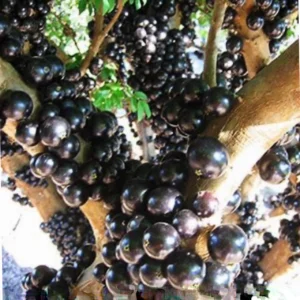
Brazilian Jaboticaba Black Fruit Tree Live Plant, 3ft Tall, Air Layered, Tropical
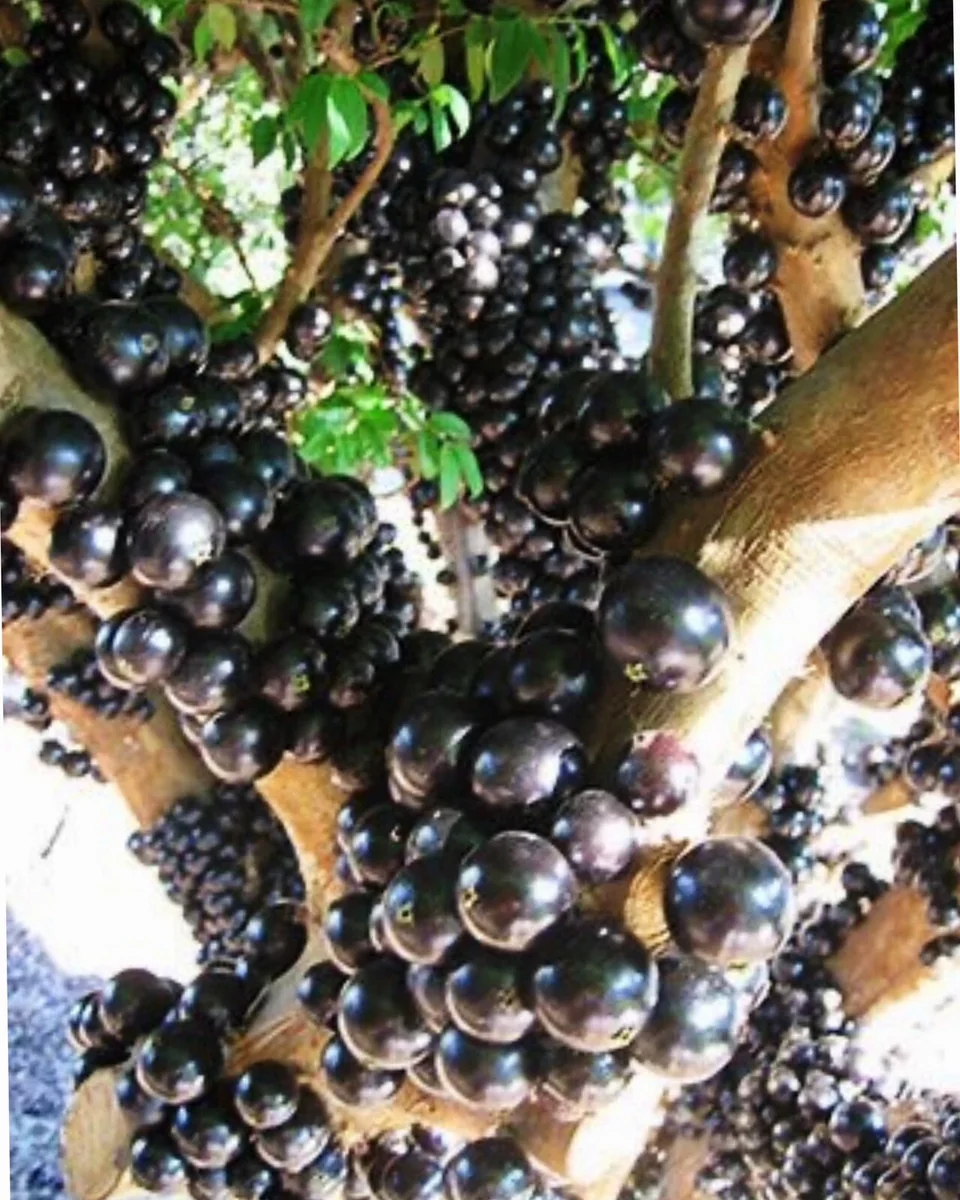
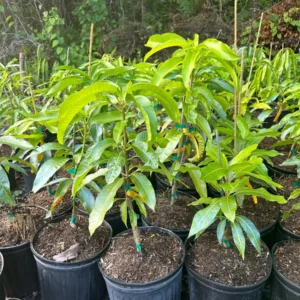
Cultivate your own exotic fruit with this Brazilian Jaboticaba Black fruit tree. Standing at 3ft tall and propagated by air layering, this Jaboticaba live plant is ready to thrive. Enjoy the unique experience of harvesting delicious sweet, dark fruits directly from the trunk and branches of this beautiful tropical fruit tree.
$150.00

With our Alive & Thrive Guarantee, we’ve got your back for the first 30 days! If you have any concerns about your plants, just reach out to us. Our team is here to help answer your questions and guide you in selecting the best plants for your garden, climate, and unique preferences. We're excited to help you create the garden of your dreams!
Estimated arrival
Mar 31
Apr 05 - Apr 07
Apr 10 - Apr 14

Product Details
-
USDA Hardiness Zone
9-11 -
Soil type
Rich, well-draining, slightly acidic soil -
Sunlight Exposure
Full sun to partial shade -
Expected Planting Period
Year-round in warm climates, spring to summer for container planting
Overview
Introduce an exotic touch to your garden or patio with the magnificent Brazilian Jaboticaba Black fruit tree. This particular specimen is a live plant, standing at an impressive 3 feet tall, and has been propagated using the air-layering method, ensuring a more mature and productive start. The Jaboticaba, scientifically known as Myrciaria cauliflora (or Plinia cauliflora), is renowned for its unique growth habit where its sweet, grape-like fruits develop directly on the trunk and main branches. Originating from Brazil, this tropical fruit tree is a captivating addition for any fruit enthusiast or gardener looking for something truly special. Its evergreen foliage provides year-round beauty, making it a focal point even when not in fruit. The dark, glossy leaves beautifully contrast with the emerging black fruits, creating a stunning visual display.
The Brazilian Jaboticaba Black fruit tree is not just a producer of delicious fruit; it’s also a beautiful ornamental plant. Its distinctive cauliflorous fruiting habit makes it a conversation starter and a unique educational plant. With proper care, this Jaboticaba live plant will reward you with abundant harvests of juicy, sweet fruits, perfect for fresh eating, jams, jellies, or even wine. Its relatively compact size for a fruit tree, especially when air-layered, makes it suitable for various garden settings, including container growing in colder climates where it can be brought indoors during winter.
Key Benefits
The Brazilian Jaboticaba Black fruit tree offers a multitude of benefits, from its unique aesthetics to its delicious produce. This Jaboticaba live plant is a true treasure for any gardener:
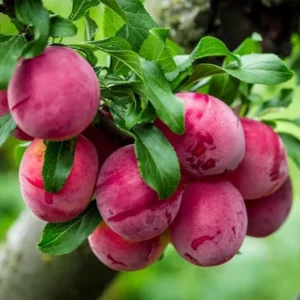
- Exotic Fruit Production: Enjoy the unique experience of harvesting sweet, black, grape-like fruits directly from the tree’s trunk and branches. These fruits are perfect for fresh consumption, making jellies, jams, or refreshing beverages.
- Ornamental Appeal: With its evergreen foliage and distinctive fruiting habit, this tropical fruit tree serves as a beautiful ornamental plant year-round, adding a unique aesthetic to your landscape or patio.
- Air-Layered for Faster Fruiting: Being an air layered fruit tree means it has a more mature root system and is likely to produce fruit sooner than a seedling, giving you quicker gratification.
- Adaptable Growth: While preferring tropical and subtropical climates, the Jaboticaba can be grown in containers and brought indoors during colder months, making it accessible to a wider range of gardeners.
- Relatively Low Maintenance: Once established, the Jaboticaba is known for being a resilient and relatively easy-to-care-for fruit tree, requiring consistent watering and occasional fertilization.
- Healthy and Nutritious Fruit: Jaboticaba fruits are rich in antioxidants, vitamins, and minerals, offering a healthy and delicious addition to your diet. This sweet fruit plant provides a natural source of goodness.
- Unique Conversation Starter: The unusual way the fruit grows directly on the trunk makes this plant a fascinating specimen and a great conversation piece in any garden setting.
Plant Care & Growing Tips
Caring for your Brazilian Jaboticaba Black fruit tree involves understanding its tropical origins. This Jaboticaba live plant thrives in warm, humid conditions. For outdoor planting, ensure your location falls within USDA Hardiness Zones 9-11, where frost is minimal. If you live in a cooler climate, container growing is an excellent option, allowing you to move the plant indoors during winter. Jaboticabas prefer full sun to partial shade; ideally, they should receive at least 6 hours of direct sunlight per day to encourage robust growth and fruit production. However, in extremely hot climates, some afternoon shade can prevent leaf scorch.
Watering is crucial for a healthy tropical fruit tree. Jaboticabas prefer consistently moist soil but not waterlogged conditions. Water deeply and regularly, especially during dry spells and when the plant is actively growing or fruiting. Reduce watering slightly during cooler, dormant periods. The ideal soil for this sweet fruit plant is rich, slightly acidic (pH 5.5-6.5), and well-draining. Amend heavy clay soils with organic matter like compost or peat moss to improve drainage and aeration. Fertilize every 2-3 months during the growing season with a balanced, slow-release fertilizer formulated for fruit trees. Watch out for common pests like aphids or scale, and treat with organic insecticidal soap if necessary. Pruning should be minimal, primarily to remove dead or diseased branches and to shape the tree, as the fruit grows on old wood.
Size & Details
This offering is for one Brazilian Jaboticaba Black fruit tree, a live plant specimen that stands approximately 3 feet tall. It has been propagated via air layering, a method that encourages earlier fruiting compared to plants grown from seed. Air layering also results in a plant with a well-developed root system, enhancing its vigor upon planting. The tree will arrive ready for planting in your garden or a larger container. Jaboticabas are known for their moderate growth rate, and with optimal care, you can expect this air layered fruit tree to mature and begin producing its distinctive black fruits within a few years. The evergreen foliage ensures year-round beauty, and the tree’s natural growth habit is a dense, multi-stemmed bush or small tree, making it versatile for various landscape designs or as a patio feature.
Frequently Asked Questions
- Q: How big does this Brazilian Jaboticaba Black fruit tree get? A: This particular Brazilian Jaboticaba Black fruit tree is 3 feet tall when shipped. Mature Jaboticaba trees can reach heights of 10-20 feet, though they can be kept smaller with pruning or when grown in containers.
- Q: Is this an indoor or outdoor plant? A: The Jaboticaba live plant is a tropical fruit tree. It thrives outdoors in USDA Zones 9-11. In cooler climates, it can be grown as a container plant and brought indoors during colder winter months.
- Q: How much sunlight does it need? A: This tropical fruit tree prefers full sun, ideally receiving at least 6 hours of direct sunlight daily for optimal growth and fruit production. In very hot climates, some afternoon shade can be beneficial.
- Q: Is this plant easy to care for? A: Jaboticabas are generally considered moderately easy to care for. They require consistent watering, well-draining, slightly acidic soil, and protection from heavy frosts. Once established, they are quite resilient.
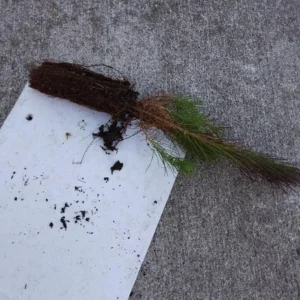
- Q: What condition will it arrive in? A: Your air layered fruit tree will be carefully packaged to ensure it arrives in healthy condition, typically in a nursery pot with its root ball intact.
- Q: How long until it blooms and fruits? A: Since this is an air layered fruit tree, it is more mature than a seedling and may start producing fruit within 1-3 years after planting, depending on growing conditions and care.
- Q: What’s the minimum temperature this sweet fruit plant can tolerate? A: Jaboticabas are sensitive to frost. They can tolerate brief dips to around 28-30°F (-1 to -2°C) once mature, but prolonged cold or hard freezes can cause damage. Protection is recommended below 32°F (0°C).
- Q: Can I grow this Jaboticaba live plant in a pot? A: Yes, this sweet fruit plant is well-suited for container growing, especially for those in colder climates who wish to move it indoors during winter. Choose a large pot with good drainage.
- Q: What kind of soil is best for a Brazilian Jaboticaba? A: A rich, slightly acidic (pH 5.5-6.5), and well-draining soil mix is ideal. Incorporating organic matter like compost or peat moss is beneficial.
- Q: How often should I fertilize my Jaboticaba? A: Fertilize your Brazilian Jaboticaba Black fruit tree every 2-3 months during the active growing season with a balanced fertilizer.
Related products
-50%
Original price was: $73.98.$36.99Current price is: $36.99.
-20%
Original price was: $90.00.$72.00Current price is: $72.00.
PLANTING & CARE

Growing Glencoe Raspberry: A Complete Guide for Gardeners
If you’re looking to add something unique to your garden, look no further than the
31
Mar
Mar

The Comprehensive Guide to Growing Bay Leaf Plants for a Flavorful Garden
Imagine stepping into your garden, greeted by the earthy aroma of fresh bay leaves, their
09
Feb
Feb

How to Make Comfrey Tea: The Ultimate Organic Plant Food
Growing an organic garden can be surprisingly expensive, especially when most store-bought fertilizers come in
02
Feb
Feb

True Comfrey: 7 Essential Tips Before You Plant This Herb
A staple in permaculture practices across the US, True Comfrey easily earns its reputation as
27
Jan
Jan

7 Heart-Shaped Plants for a Lasting Valentine’s Gift
If you’ve ever bought a bouquet of roses for Valentine’s Day, you know they are
26
Jan
Jan

Best Types of Ivy Plant for Houses: How to Choose the Perfect Ones for Your Home
Are you a garden lover looking to introduce some greenery into your home? Maybe you’ve
14
Nov
Nov

When to Harvest Garlic (Especially Fall-Planted Garlic)
TIMING IS EVERYTHING, they say – and for garlic, that truth hits with surprising accuracy.
13
Nov
Nov

11 of the Best Sweet Potato Varieties to Grow for Your Garden
If you’ve ever tried growing sweet potatoes, you know that picking the right variety can
12
Nov
Nov