Breadfruit Live Plant – 10-12 Inch Tall in Pot – Tropical Fruit Tree
-16%
Breadfruit Live Plant – 10-12 Inch Tall in Pot – Tropical Fruit Tree
Cultivate your own tropical harvest with this breadfruit live plant, standing 10-12 inches tall in its pot. Known for its versatile, starchy fruit, this tropical fruit tree is a fantastic addition to warm-climate gardens or as a container plant in cooler regions. Enjoy the lush foliage and the promise of delicious yields from your very own artocarpus altilis plant.
Original price was: $98.30.$82.80Current price is: $82.80.

With our Alive & Thrive Guarantee, we’ve got your back for the first 30 days! If you have any concerns about your plants, just reach out to us. Our team is here to help answer your questions and guide you in selecting the best plants for your garden, climate, and unique preferences. We're excited to help you create the garden of your dreams!
Estimated arrival
Oct 14
Oct 19 - Oct 21
Oct 24 - Oct 28


Product Details
-
USDA Hardiness Zone
USDA zones 10-11 (outdoors), suitable for container growing indoors in cooler zones -
Soil type
Rich, well-draining soil with organic matter; slightly acidic to neutral pH -
Sunlight Exposure
Full sun (6-8 hours direct sunlight daily) -
Expected Planting Period
Year-round in tropical climates; spring to early summer for transplanting in zones with mild winters, or year-round indoors
Overview
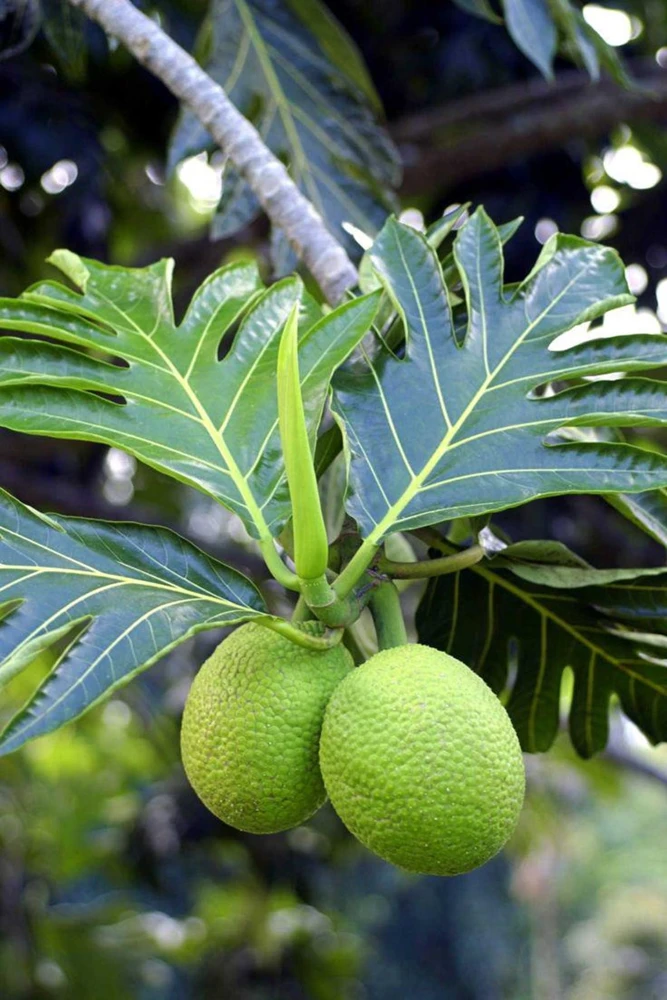
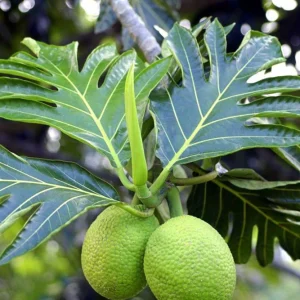
Bring the taste of the tropics to your home with this vibrant breadfruit live plant. Standing at an impressive 10-12 inches tall in its nursery pot, this young tree is ready to establish itself in your garden or a large container. The breadfruit (Artocarpus altilis) is a magnificent tropical tree renowned for its large, starchy, and highly nutritious fruit. Often referred to as the ‘tree of life’ in many island cultures, this plant offers both stunning ornamental value with its deeply lobed, glossy green leaves and the unique reward of homegrown tropical produce. Cultivating a breadfruit live plant connects you with a rich horticultural tradition and provides a sustainable food source.
Originating from the South Pacific, the breadfruit live plant thrives in warm, humid environments. It’s a fast-growing tree that, given the right conditions, can reach significant heights, providing ample shade and a striking focal point in your landscape. This specific offering is a juvenile specimen, making it easier to transport and acclimate to its new environment. With proper care, you’ll soon be enjoying the journey of watching your breadfruit tree mature and eventually bear its remarkable fruit.
Key Benefits
Adding a breadfruit live plant to your collection offers a wealth of advantages, from aesthetic appeal to culinary potential:
- Unique Tropical Appeal: The large, deeply lobed leaves create an instant tropical ambiance, making it a stunning ornamental tree for your garden or patio. It provides lush, vibrant greenery that stands out.
- Delicious and Versatile Fruit: Breadfruit is a staple food in many parts of the world, prized for its starchy, potato-like texture when cooked. It can be baked, boiled, fried, or roasted, offering endless culinary possibilities and a healthy source of carbohydrates.
- Sustainable Food Source: Once established, a breadfruit live plant can produce abundant fruit for many years, contributing to food security and providing a continuous supply of nutritious produce from your own backyard.
- Shade and Shelter: As it matures, the breadfruit tree develops a broad canopy, offering excellent shade during hot summer months and creating a cooler, more comfortable outdoor living space.
- Fast Growth Rate: Under optimal tropical conditions, breadfruit trees grow relatively quickly, allowing you to enjoy their mature beauty and fruit production sooner than many other fruit trees.
- Educational Value: Growing a tropical fruit tree like breadfruit can be a fascinating educational experience, teaching about plant biology, tropical ecosystems, and sustainable agriculture.
- Cultural Significance: The artocarpus altilis plant holds deep cultural significance in various regions, connecting you to a global heritage of unique and valuable plant species.
Plant Care & Growing Tips
Caring for your breadfruit live plant involves providing conditions that mimic its native tropical environment. These trees thrive in warm, humid climates and require specific cultural practices to ensure healthy growth and fruit production. Understanding how to grow breadfruit successfully is key to enjoying its benefits.
Sunlight requirements: Breadfruit trees need ample sunlight. Plant your tree in a location that receives at least 6-8 hours of direct, full sun per day. While young plants can tolerate some partial shade, mature trees require full sun for optimal fruit production. If growing in a container indoors, place it near a south-facing window or use supplemental grow lights to ensure it gets sufficient light.
Watering schedule and soil moisture preferences: Breadfruit plants are thirsty, especially when young and establishing. Water frequently and deeply, ensuring the soil remains consistently moist but not waterlogged. During dry periods, daily watering may be necessary. Reduce watering slightly during cooler months. Good drainage is crucial to prevent root rot. The best way to check is to feel the top inch or two of soil; if it feels dry, it’s time to water.
Soil type and drainage requirements: This tropical fruit tree prefers rich, well-draining soil with a slightly acidic to neutral pH (6.0-7.0). A sandy loam enriched with organic matter is ideal. If planting in a container, use a high-quality potting mix designed for tropical plants, ensuring the pot has adequate drainage holes. Heavy clay soils should be amended with compost and sand to improve drainage.
Temperature range and USDA hardiness zone: Breadfruit is a truly tropical plant, preferring temperatures between 65°F and 90°F (18°C and 32°C). It is extremely sensitive to cold and will suffer damage or die if temperatures drop below 50°F (10°C). It is best suited for USDA zones 10-11, where it can be grown outdoors year-round. In cooler zones, it must be grown in a large container and brought indoors during the colder months, or grown in a greenhouse. Protecting young plants from strong winds is also beneficial.
Fertilization schedule and type: Feed your breadfruit live plant regularly, especially during its active growing season (spring and summer). Use a balanced fertilizer with a slightly higher potassium content as the tree matures and begins to fruit. A slow-release granular fertilizer or a liquid feed applied every 4-6 weeks can be beneficial. Follow product instructions carefully to avoid over-fertilization. Organic options like compost and well-rotted manure can also enrich the soil.
Common problems and solutions: Watch out for common tropical plant pests like aphids, mealybugs, and scale insects. Treat infestations with insecticidal soap or neem oil. Yellowing leaves can indicate nutrient deficiency, overwatering, or insufficient light. Ensure proper drainage and feeding. Leaf drop can be a sign of cold stress or extreme dryness. Consistent moisture and warmth are key to maintaining a healthy artocarpus altilis plant.
Size & Details
This offering is for one breadfruit live plant, approximately 10-12 inches tall, measured from the base of the pot to the tip of the tallest leaf. It arrives carefully packaged in its nursery pot, ready for transplanting. While young, these plants are vigorous growers. In ideal tropical conditions, a breadfruit tree can grow to heights of 40-60 feet with a similar spread, though container-grown plants will remain much smaller and can be pruned to manage size. The growth rate is considered moderate to fast, with trees potentially starting to fruit within 3-5 years under optimal care.
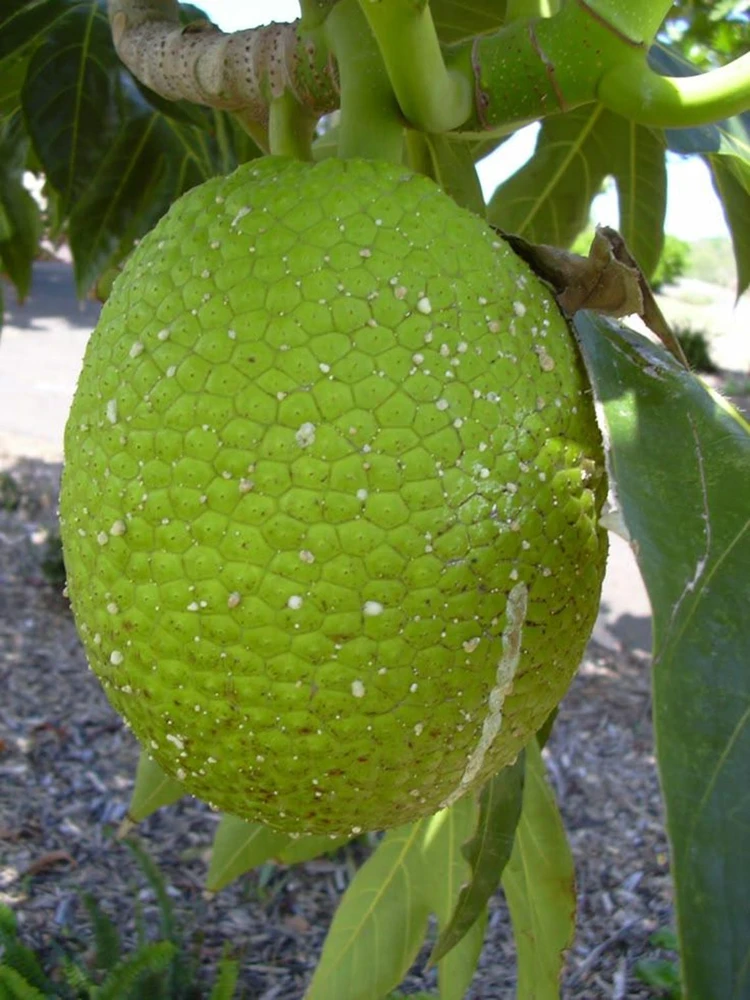
The fruit itself is typically round to oval, 4-8 inches in diameter, and can weigh several pounds. It has a bumpy, green skin that turns yellowish-green when ripe. This tropical fruit tree will be shipped in a protective container to ensure its safe arrival. Please note that exact height can vary slightly due to natural plant growth and individual specimen differences. Preparing a suitable large pot or a well-drained planting site will be crucial upon its arrival for proper establishment of your young breadfruit live plant.
Frequently Asked Questions
- Q: How big does this breadfruit plant get? A: This particular breadfruit live plant is 10-12 inches tall upon arrival. When grown in the ground in tropical climates, breadfruit trees can reach heights of 40-60 feet. If grown in a container, its size will be significantly more manageable and can be controlled with pruning.
- Q: What size pot does it come in? A: The plant will arrive in a standard nursery pot, typically a 4-6 inch diameter pot, suitable for its current size. We recommend transplanting it into a larger container (at least 5-gallon) or directly into the ground soon after arrival.
- Q: Is this an indoor or outdoor plant? A: The breadfruit live plant is a tropical tree best suited for outdoor growth in USDA Zones 10-11. In cooler climates, it can be grown outdoors during warm months and brought indoors as a container plant or greenhouse specimen when temperatures drop below 50°F.
- Q: How much sunlight does it need? A: Breadfruit trees thrive in full sun, requiring at least 6-8 hours of direct sunlight daily for optimal growth and fruit production. If growing indoors, place it in the brightest possible location.
- Q: Is this plant easy to care for? A: While not extremely difficult, caring for a breadfruit live plant requires attention to its tropical needs, particularly consistent warmth, humidity, and ample water. It’s considered moderately challenging for beginner tropical plant enthusiasts outside of its native range.
- Q: What condition will it arrive in? A: Your artocarpus altilis plant will be carefully packaged to ensure it arrives in healthy condition. It will be shipped in its nursery pot with soil, protected from transit damage. Some minor leaf yellowing or stress is normal after shipping but should recover quickly with proper care.
- Q: Can I use breadfruit in cooking? A: Absolutely! Breadfruit is a versatile and delicious starchy fruit used in many tropical cuisines. It can be baked, boiled, fried, roasted, or even made into flour. It’s a healthy and unique addition to your diet.
- Q: How long until it blooms or fruits? A: Under ideal growing conditions, a young breadfruit live plant can start producing fruit within 3-5 years. Factors like climate, soil fertility, and consistent care significantly influence the timeline.
- Q: Will it survive winter in my zone? A: Breadfruit is highly sensitive to cold. It will not survive freezing temperatures. If you are outside of USDA Zones 10-11, you must provide winter protection, such as bringing the plant indoors or into a heated greenhouse, to ensure its survival.
- Q: What type of soil is best for breadfruit? A: A rich, well-draining soil mix is best for this tropical fruit tree. Amend heavy soils with compost and sand to improve drainage. For container growing, use a high-quality potting mix formulated for tropical plants.
Related products
-36%
Original price was: $279.98.$179.98Current price is: $179.98.

-50%
Original price was: $73.98.$36.99Current price is: $36.99.
PLANTING & CARE
Lemon Tree Growing: Choose, Plant, and Harvest
Learn how to choose, plant, feed, and protect a lemon tree so it fits your
23
Sep
Sep
Dwarf Meyer Lemon Tree Australia: Climate Guide
Learn where dwarf Meyer lemon trees grow, how much cold they tolerate, and whether Australia,
Where to Buy a Dwarf Meyer Lemon Tree: Buyer’s Guide
Find the right dwarf Meyer lemon tree online or locally, compare starter sizes and costs,
Dwarf Meyer Lemon Tree for Sale: Buying Guide
Compare Meyer lemon tree sizes, prices, shipping limits, indoor growing and California options before you
Dwarf Meyer Lemon Tree Guide: Size, Care and Fruit
META: Learn how large a dwarf Meyer lemon tree grows, where it thrives, and how
How to Prune a Dwarf Meyer Lemon Tree
Learn when and how to prune a dwarf Meyer lemon tree, including tools, shaping cuts,
Can You Grow a Dwarf Meyer Lemon Tree in a Pot?
META: Learn how to grow a dwarf Meyer lemon tree in a pot, including container
When Do Dwarf Meyer Lemon Trees Bloom and Fruit?
META: Dwarf Meyer lemon trees usually bloom from winter through spring and may flower again