Red Mulberry Tree (Morus Rubra) Live Plant 12-24″ Tall
-10%
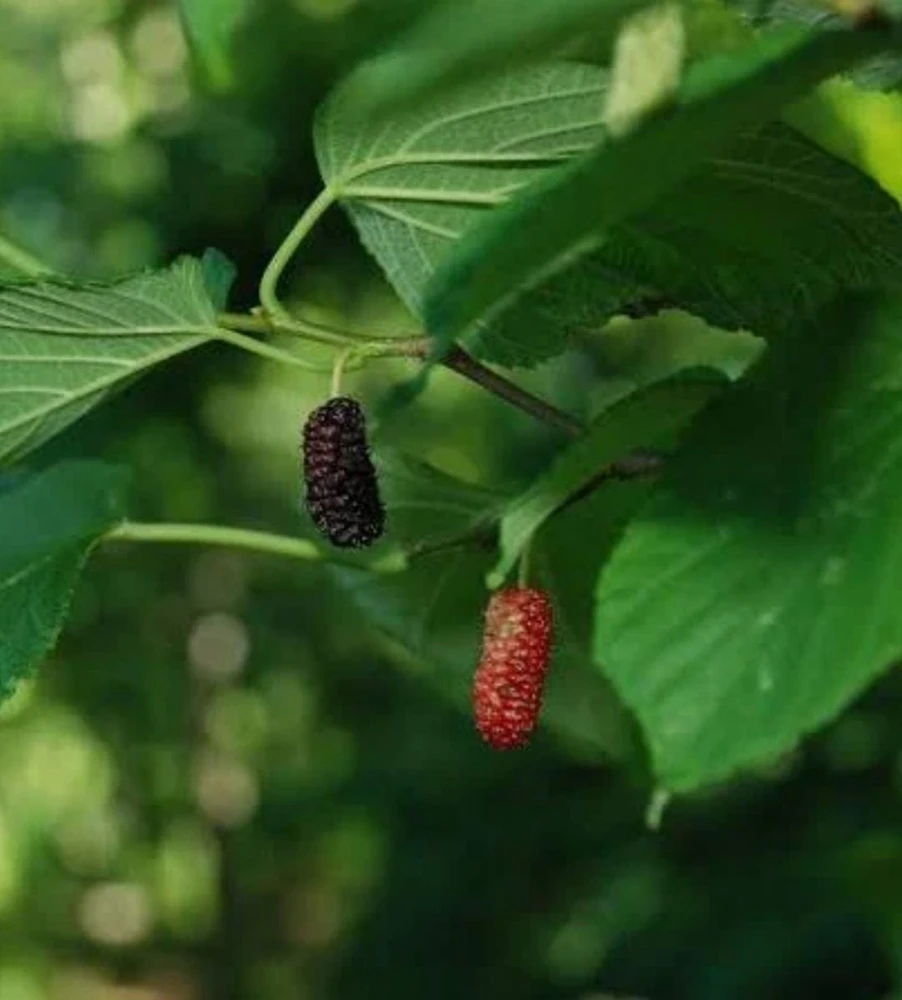
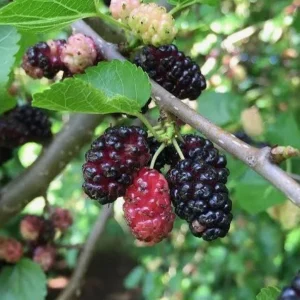
Red Mulberry Tree (Morus Rubra) Live Plant 12-24″ Tall
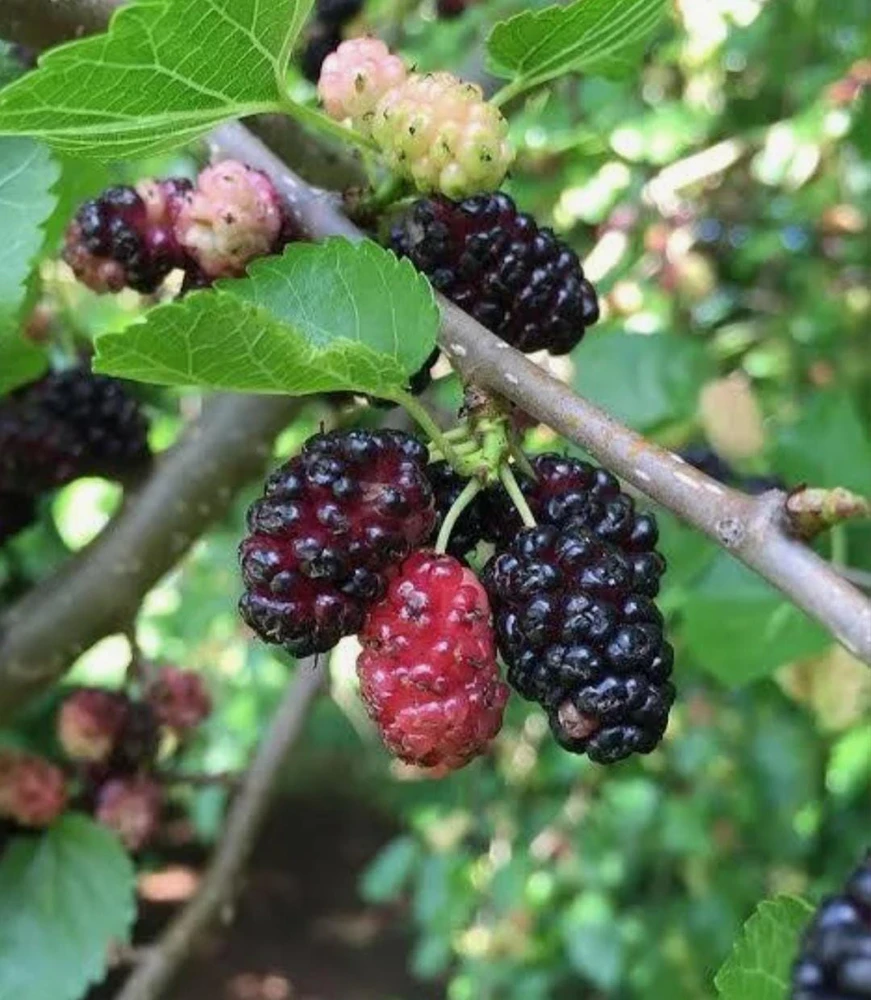
Cultivate your own Red Mulberry tree (Morus Rubra), a native North American species known for its fast growth and delicious, blackberry-like fruit. This Morus Rubra plant attracts birds and wildlife, making it a wonderful addition to any garden. Ships as a 12-24 inch live plant, perfect for outdoor planting.
Original price was: $26.00.$23.40Current price is: $23.40.

With our Alive & Thrive Guarantee, we’ve got your back for the first 30 days! If you have any concerns about your plants, just reach out to us. Our team is here to help answer your questions and guide you in selecting the best plants for your garden, climate, and unique preferences. We're excited to help you create the garden of your dreams!
Estimated arrival
Oct 14
Oct 19 - Oct 21
Oct 24 - Oct 28
Product Details
-
USDA Hardiness Zone
USDA Zones 4-8 -
Soil type
Moist, well-drained soil -
Sunlight Exposure
Full sun (6-8+ hours daily) -
Expected Planting Period
Spring to early summer
Overview
Bring the joy of homegrown fruit to your landscape with the Red Mulberry tree (Morus Rubra). This exceptional native North American species is celebrated for its vigorous growth and abundant yield of sweet, edible, blackberry-like fruit. Ripening from late spring to early summer, the berries are a delightful treat for both humans and local wildlife, making it an excellent choice for attracting birds and other beneficial creatures to your garden. As a robust and adaptable Morus Rubra plant, it thrives in a variety of conditions, establishing itself quickly to provide shade, beauty, and sustenance. The Red Mulberry tree is not just a fruit producer; it’s a valuable ecological contributor, enhancing biodiversity and offering a natural food source.
The Red Mulberry, or Morus Rubra, is a deciduous tree that can grow quite large, offering significant shade and visual appeal. Its leaves provide a lush green canopy through the warmer months, turning a pleasant yellow in autumn. This particular offering is for a live plant, typically 12-24 inches tall, ready for planting upon arrival. Its natural resilience and ease of care make it a fantastic option for gardeners of all experience levels looking to add an edible mulberry to their outdoor space.
Key Benefits
Adding a Red Mulberry to your garden offers a multitude of advantages, from its delicious fruit to its ecological contributions. This versatile tree is a true asset:
- Abundant Edible Fruit: Enjoy sweet, juicy, blackberry-like fruits that ripen in late spring to early summer, perfect for fresh eating, pies, jams, and more. Growing your own edible mulberry ensures fresh, organic produce.
- Attracts Wildlife: The ripe berries are a favorite food source for birds, squirrels, and other small wildlife, transforming your garden into a vibrant, active ecosystem. This makes the Red Mulberry tree a great choice for wildlife enthusiasts.
- Fast Growing: This species is known for its rapid growth rate, allowing you to establish a mature tree and enjoy its benefits much sooner than many other fruit-bearing trees. You’ll quickly see your fast growing mulberry thrive.
- Native North American Species: As a native plant, Morus Rubra is well-adapted to local climates and soils, requiring less intervention and supporting regional ecosystems.
- Shade & Landscape Value: With its broad canopy, the mature Red Mulberry provides excellent shade during hot summer months, enhancing comfort and reducing energy costs for nearby structures.
- Low Maintenance: Once established, the Morus Rubra plant is relatively low-maintenance, requiring minimal care beyond basic watering and occasional pruning.
- Drought Tolerant: While preferring moist soil, established Red Mulberry trees exhibit good drought tolerance, making them resilient in varying weather conditions.
Plant Care & Growing Tips
Caring for your Red Mulberry tree is straightforward, especially given its native resilience. To ensure optimal growth and fruit production, understanding its basic needs is key. This tree prefers a site with full sun, meaning at least 6-8 hours of direct sunlight per day. Adequate sunlight is crucial for fruit development and overall plant vigor. When planting, choose a location that allows for its mature size, as these trees can become quite large and spread their branches wide.
Soil requirements for the Morus Rubra plant are fairly flexible, but it thrives best in moist, well-drained soils. Avoid areas where water tends to stand for extended periods, as this can lead to root rot. If your soil is heavy clay, consider amending it with organic matter like compost to improve drainage and aeration. Watering is essential during the establishment phase; keep the soil consistently moist but not waterlogged for the first year. Once established, the tree is more tolerant of drier conditions but will benefit from supplemental watering during prolonged dry spells, especially when fruiting.
The Red Mulberry tree is hardy in USDA zones 4-8, making it suitable for a wide range of climates. Fertilization is generally not heavily required, particularly in rich soils. However, an annual application of a balanced, slow-release fertilizer in early spring can boost growth and fruit production, especially for younger trees. Pruning should focus on removing dead, damaged, or crossing branches to maintain a strong structure and good air circulation. You can also prune to shape the tree or manage its size, ideally in late winter when the tree is dormant. Watch out for common pests like Japanese beetles or diseases like powdery mildew, though healthy trees are generally quite resistant. Regular observation and prompt action can keep your fast growing mulberry healthy and productive.
Size & Details
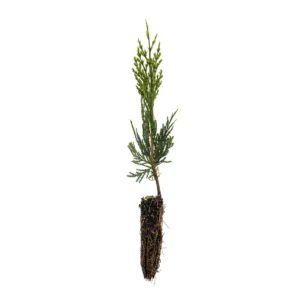
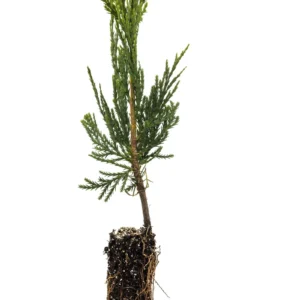
This offering includes one Red Mulberry tree (Morus Rubra) live plant, typically measuring between 12 to 24 inches tall. It is securely rooted, providing a healthy start for your new tree. The Red Mulberry is known for its relatively fast growth rate, quickly developing into a substantial shade tree. In optimal conditions, it can grow several feet per year when young. Expect this tree to ship as a well-established young plant, ready for immediate planting in your garden or a larger container if you prefer to grow it out before permanent placement.
The mature size of an edible mulberry tree can reach 30-50 feet in height with a similar spread, so planning for adequate space is important. The fruit ripens in late spring to early summer, providing a seasonal harvest. This particular variety, Morus Rubra, is a deciduous tree, meaning it will lose its leaves in the fall and enter dormancy during winter. It is an excellent choice for a variety of landscape uses, from a specimen tree to a part of a wildlife-friendly planting scheme.
Frequently Asked Questions
- Q: How big does this Red Mulberry tree get? A: This Red Mulberry tree is currently 12-24 inches tall. At maturity, it can reach heights of 30-50 feet with a similar spread, providing significant shade and fruit.
- Q: Is this an indoor or outdoor plant? A: The Morus Rubra plant is an outdoor tree, well-suited for temperate climates. It requires full sun and is hardy in USDA zones 4-8.
- Q: How much sunlight does the Red Mulberry tree need? A: This tree thrives in full sun, requiring at least 6-8 hours of direct sunlight daily for best growth and fruit production.
- Q: Is this plant easy to care for? A: Yes, once established, the Red Mulberry tree is relatively low-maintenance. It’s a native species, making it quite resilient and adaptable to various conditions.
- Q: What condition will the plant arrive in? A: Your fast growing mulberry will arrive as a live, healthy plant, well-rooted, carefully packaged to ensure safe transit.
- Q: When is the best time to plant this edible mulberry? A: The best time to plant is in spring or early fall, allowing the tree to establish its root system before extreme weather.
- Q: What USDA zones is this Morus Rubra plant suitable for? A: This Red Mulberry is hardy in USDA zones 4-8, making it suitable for many regions across North America.
- Q: Does this tree produce edible fruit? A: Yes, the Red Mulberry tree is renowned for its sweet, blackberry-like fruits that are delicious and entirely edible.
- Q: Will this tree attract birds to my garden? A: Absolutely! The sweet berries are a favorite food source for many bird species and other wildlife, making it a great addition for attracting nature.
- Q: What kind of soil does this tree prefer? A: The Red Mulberry prefers moist, well-drained soils. While adaptable, avoiding waterlogged conditions is crucial for its health.
Related products

-50%
Original price was: $73.98.$36.99Current price is: $36.99.


-20%
Original price was: $90.00.$72.00Current price is: $72.00.
PLANTING & CARE
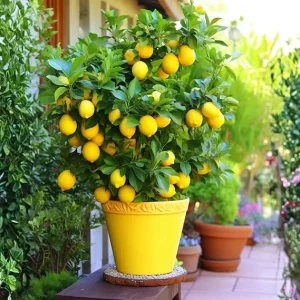
Lemon Tree Growing: Choose, Plant, and Harvest
Learn how to choose, plant, feed, and protect a lemon tree so it fits your
23
Sep
Sep
Dwarf Meyer Lemon Tree Australia: Climate Guide
Learn where dwarf Meyer lemon trees grow, how much cold they tolerate, and whether Australia,
Where to Buy a Dwarf Meyer Lemon Tree: Buyer’s Guide
Find the right dwarf Meyer lemon tree online or locally, compare starter sizes and costs,
Dwarf Meyer Lemon Tree for Sale: Buying Guide
Compare Meyer lemon tree sizes, prices, shipping limits, indoor growing and California options before you
Dwarf Meyer Lemon Tree Guide: Size, Care and Fruit
META: Learn how large a dwarf Meyer lemon tree grows, where it thrives, and how
How to Prune a Dwarf Meyer Lemon Tree
Learn when and how to prune a dwarf Meyer lemon tree, including tools, shaping cuts,
Can You Grow a Dwarf Meyer Lemon Tree in a Pot?
META: Learn how to grow a dwarf Meyer lemon tree in a pot, including container
When Do Dwarf Meyer Lemon Trees Bloom and Fruit?
META: Dwarf Meyer lemon trees usually bloom from winter through spring and may flower again