Breadfruit Live Plant, 14-18 Inch Tall Tree in Pot, Tropical Fruit
-14%
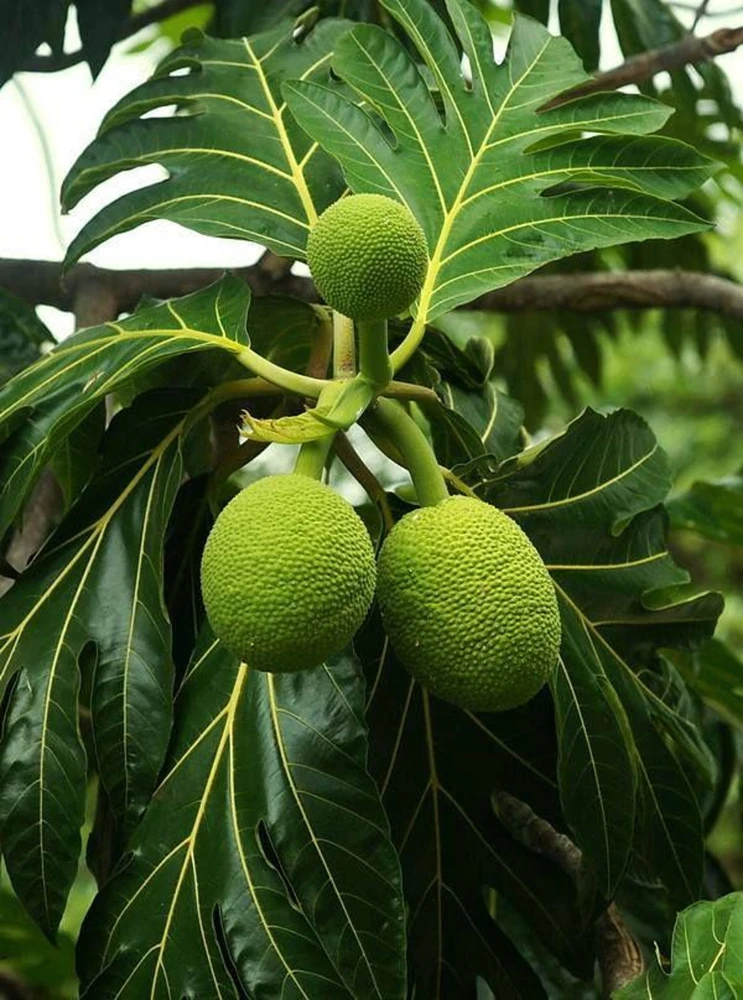
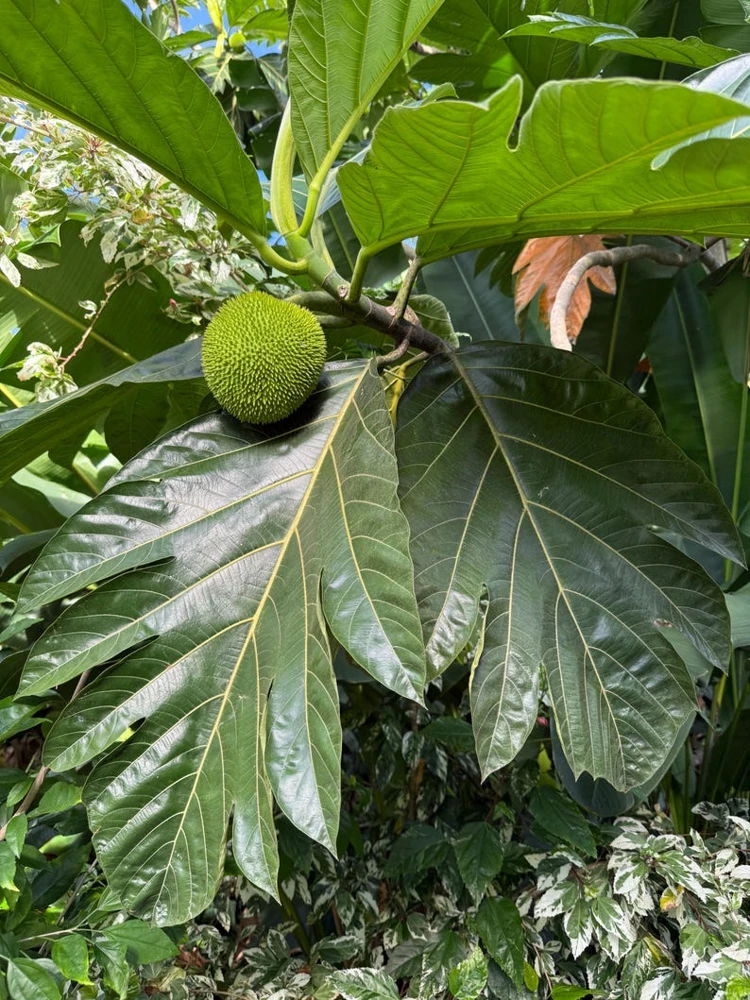
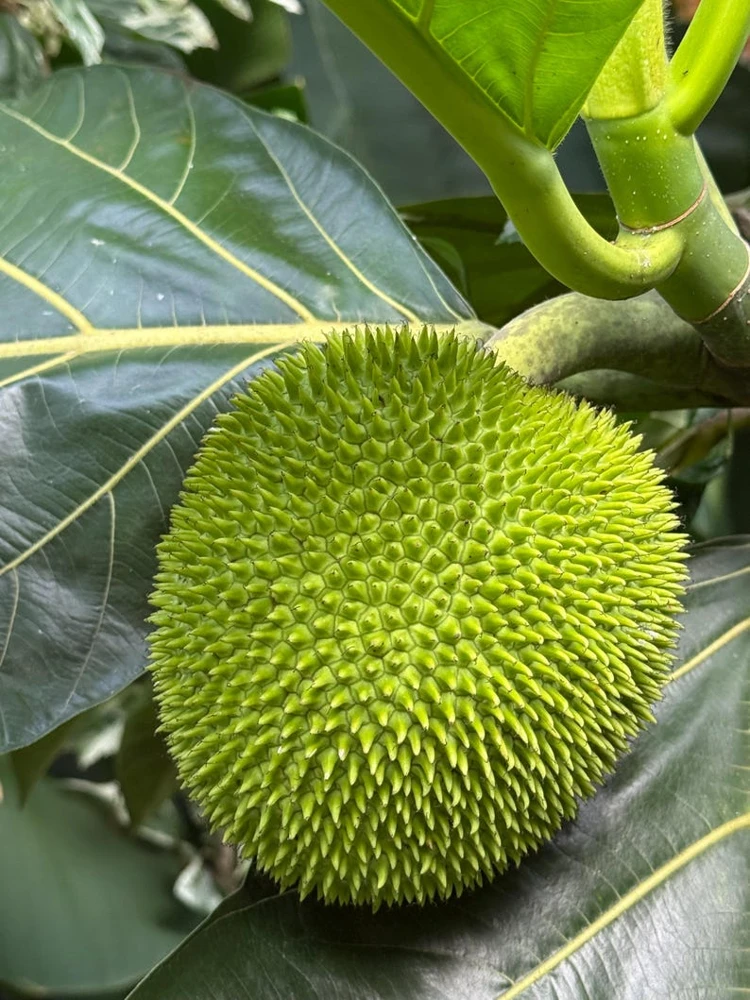
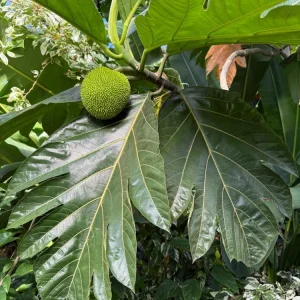
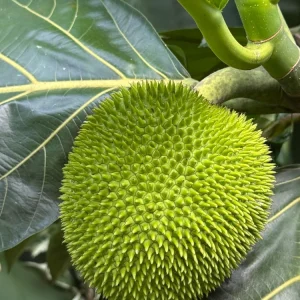
Breadfruit Live Plant, 14-18 Inch Tall Tree in Pot, Tropical Fruit
Cultivate a taste of the tropics with this healthy breadfruit live plant, standing 14-18 inches tall. Perfect for warm climates or as a container plant, it offers unique foliage and the promise of delicious, starchy fruit. Bring a piece of paradise to your garden or patio.
Original price was: $107.50.$92.00Current price is: $92.00.

With our Alive & Thrive Guarantee, we’ve got your back for the first 30 days! If you have any concerns about your plants, just reach out to us. Our team is here to help answer your questions and guide you in selecting the best plants for your garden, climate, and unique preferences. We're excited to help you create the garden of your dreams!
Estimated arrival
Oct 14
Oct 19 - Oct 21
Oct 24 - Oct 28


Product Details
-
USDA Hardiness Zone
USDA Zones 10-11 (or indoors) -
Soil type
Rich, well-draining, slightly acidic to neutral soil -
Sunlight Exposure
Full sun (6-8 hours direct light daily) -
Expected Planting Period
Spring to early summer (after last frost)
Overview
Introduce an exotic touch to your garden or home with this vibrant breadfruit live plant. Known botanically as Artocarpus altilis, the breadfruit tree is a staple in many tropical regions, cherished for its large, distinctive lobed leaves and its highly nutritious fruit. This young plant, measuring 14-18 inches tall, is ready to establish itself and begin its journey towards becoming a magnificent fruit-bearing tree. The breadfruit is a versatile fruit, often compared to potatoes in texture and used in a myriad of culinary applications, from baking and frying to roasting. Cultivating a breadfruit live plant offers a unique opportunity to grow an unusual and rewarding tropical specimen, adding both ornamental beauty and a source of delicious food to your landscape.
Originating from the South Pacific, the breadfruit tree thrives in warm, humid conditions. Its rapid growth and impressive canopy make it a focal point in any tropical or subtropical setting. Even in cooler climates, it can be grown in large containers and brought indoors during colder months, allowing enthusiasts to enjoy its striking appearance and the eventual harvest of its distinctive fruit. This breadfruit live plant provides the perfect starting point for anyone looking to embark on the exciting journey of growing their own tropical fruit.
Key Benefits
Owning a breadfruit live plant offers a multitude of advantages, from its unique aesthetic appeal to its potential for providing a sustainable food source. This tropical gem is more than just a decorative plant; it’s a living piece of history and a future provider of nutritious, versatile fruit.
- Exotic Fruit Production: Enjoy the satisfaction of growing your own breadfruit, a highly nutritious and versatile fruit used in various cuisines. The fruit can be boiled, baked, fried, or roasted, offering a unique culinary experience.
- Stunning Ornamental Value: The large, deeply lobed, glossy green leaves of the breadfruit tree create a dramatic and lush tropical aesthetic, making it an excellent focal point in any garden or sunroom.
- Fast-Growing & Resilient: Once established, breadfruit trees grow relatively quickly and are known for their hardiness in appropriate climates, providing a long-term investment in your landscape.
- Sustainable Food Source: Breadfruit trees are highly productive, providing a sustainable and abundant source of food, contributing to food security and promoting healthy eating.
- Air Purification: Like many large-leafed plants, the artocarpus altilis plant contributes to improving air quality by absorbing carbon dioxide and releasing oxygen, enhancing your living environment.
- Unique Conversation Starter: A breadfruit tree is an unusual and fascinating plant that is sure to spark interest and conversation among guests, showcasing your passion for unique botany.
- Adaptable to Container Growing: For those in non-tropical zones, this tropical fruit tree can be successfully grown in large pots, allowing it to be moved indoors during winter.
Plant Care & Growing Tips
Proper care is essential for ensuring your breadfruit live plant thrives and eventually produces fruit. These tropical trees require specific conditions to flourish, mimicking their native environment. Starting with a healthy young plant, like this 14-18 inch specimen, gives you a strong foundation for success. Understanding the needs of your breadfruit tree care will lead to a rewarding growing experience.
Sunlight: Breadfruit trees need ample sunlight. Provide at least 6-8 hours of direct sunlight per day. If growing indoors, place it in your brightest window, preferably south-facing, or supplement with a grow light. Watering: Keep the soil consistently moist, but not waterlogged. Water deeply when the top inch of soil feels dry to the touch, especially during warm, dry periods. Reduce watering slightly during cooler months or if the plant is dormant. Ensure excellent drainage to prevent root rot. Soil: Plant your breadfruit in rich, well-draining soil. A loamy, sandy soil with a slightly acidic to neutral pH (6.0-7.0) is ideal. Amending with organic compost will provide essential nutrients and improve soil structure. Temperature & Humidity: Breadfruit thrives in warm temperatures, ideally between 70-90°F (21-32°C). It is extremely sensitive to cold and frost. Protect from temperatures below 50°F (10°C). High humidity is also beneficial; misting regularly or using a humidity tray can help, especially indoors. Its USDA hardiness zone is typically 10-11.
Fertilization: Feed your breadfruit live plant with a balanced, slow-release fertilizer designed for tropical fruit trees, following the product’s instructions. Fertilize every 2-3 months during the growing season (spring and summer). Reduce or cease fertilization in fall and winter. Pruning: Light pruning can help shape the tree and remove any dead or diseased branches. Avoid heavy pruning, especially in the early stages, as it can stress the young plant. Pest & Disease Control: Breadfruit trees are generally robust, but keep an eye out for common pests like aphids or mealybugs. Treat with organic insecticidal soap if necessary. Ensure good air circulation to prevent fungal issues.
Size & Details
This offering is for a single breadfruit live plant, which stands approximately 14-18 inches tall from the base of the pot to the tip of its tallest leaf. It is shipped in a nursery pot, ready for transplanting into a larger container or directly into the ground in appropriate climates. The growth rate of a breadfruit tree is considered moderate to fast, often reaching significant heights within a few years under optimal conditions. In its mature state, a breadfruit tree can grow to be 40-60 feet tall with a spread of similar dimensions, though container-grown plants will remain much smaller and can be maintained with pruning. Expect the first fruits to appear within 3-5 years after planting, depending on growing conditions and care. This young tropical fruit tree is a fantastic way to begin your journey towards a lush, productive garden.
Frequently Asked Questions
- Q: How big does this plant get? A: This particular breadfruit live plant is 14-18 inches tall upon arrival. Mature breadfruit trees can reach 40-60 feet tall in ideal outdoor conditions, but they will remain much smaller when grown in containers.
- Q: What size pot does it come in? A: The plant is typically shipped in a standard nursery pot, usually a 4-6 inch size, suitable for its current growth stage. You will need to transplant it into a larger pot or directly into the ground soon after arrival.
- Q: Is this an indoor or outdoor plant? A: In USDA Zones 10-11, the breadfruit tree can be grown outdoors year-round. In cooler climates, it must be grown in a large container and brought indoors when temperatures drop below 50°F (10°C).
- Q: How much sunlight does it need? A: The artocarpus altilis plant requires full sun, meaning at least 6-8 hours of direct sunlight per day to thrive and produce fruit. Provide the brightest possible location indoors if growing as a houseplant.
- Q: Is this plant easy to care for? A: While tropical, with proper attention to its needs for warmth, humidity, and consistent moisture, how to grow breadfruit can be moderately easy. It’s best suited for gardeners with some experience in tropical plants.
- Q: What condition will it arrive in? A: Your breadfruit live plant will arrive carefully packaged, healthy, and ready to be planted. We take great care to ensure it reaches you in excellent condition.
- Q: Can I use breadfruit in cooking? A: Absolutely! Breadfruit is a versatile and delicious fruit. It can be baked, boiled, fried, roasted, or used in stews and desserts, similar to how you would use potatoes.
- Q: How long until it blooms or fruits? A: Under optimal growing conditions, a breadfruit tree typically begins to bear fruit within 3 to 5 years from planting. Patience is key for this rewarding tropical fruit tree.
- Q: When is the best time to plant? A: The best time to plant your breadfruit is in the spring or early summer, after all danger of frost has passed, allowing it ample time to establish itself before cooler weather.
- Q: Will it survive winter in my zone? A: Breadfruit is a tropical plant and will not survive freezing temperatures. If you are outside of USDA Zones 10-11, you must protect your plant from cold by bringing it indoors during winter.
Related products

-42%
Original price was: $56.99.$33.29Current price is: $33.29.
-20%
Original price was: $36.00.$28.80Current price is: $28.80.
PLANTING & CARE
Lemon Tree Growing: Choose, Plant, and Harvest
Learn how to choose, plant, feed, and protect a lemon tree so it fits your
23
Sep
Sep
Dwarf Meyer Lemon Tree Australia: Climate Guide
Learn where dwarf Meyer lemon trees grow, how much cold they tolerate, and whether Australia,
Where to Buy a Dwarf Meyer Lemon Tree: Buyer’s Guide
Find the right dwarf Meyer lemon tree online or locally, compare starter sizes and costs,
Dwarf Meyer Lemon Tree for Sale: Buying Guide
Compare Meyer lemon tree sizes, prices, shipping limits, indoor growing and California options before you
Dwarf Meyer Lemon Tree Guide: Size, Care and Fruit
META: Learn how large a dwarf Meyer lemon tree grows, where it thrives, and how
How to Prune a Dwarf Meyer Lemon Tree
Learn when and how to prune a dwarf Meyer lemon tree, including tools, shaping cuts,
Can You Grow a Dwarf Meyer Lemon Tree in a Pot?
META: Learn how to grow a dwarf Meyer lemon tree in a pot, including container
When Do Dwarf Meyer Lemon Trees Bloom and Fruit?
META: Dwarf Meyer lemon trees usually bloom from winter through spring and may flower again