Button Bush Live Plant – Quart Pot – Native Flowering Shrub – Pollinator Friendly
-30%
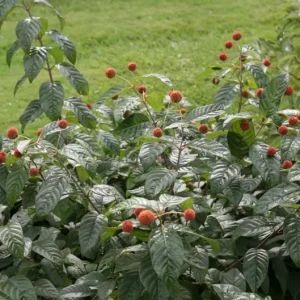
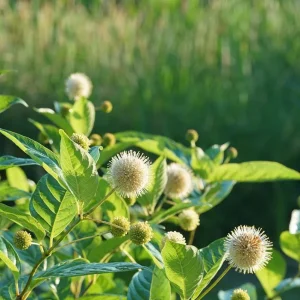
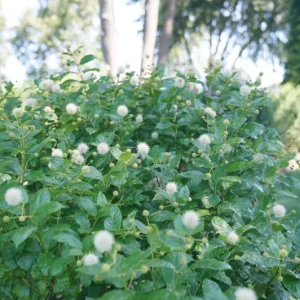
Button Bush Live Plant – Quart Pot – Native Flowering Shrub – Pollinator Friendly
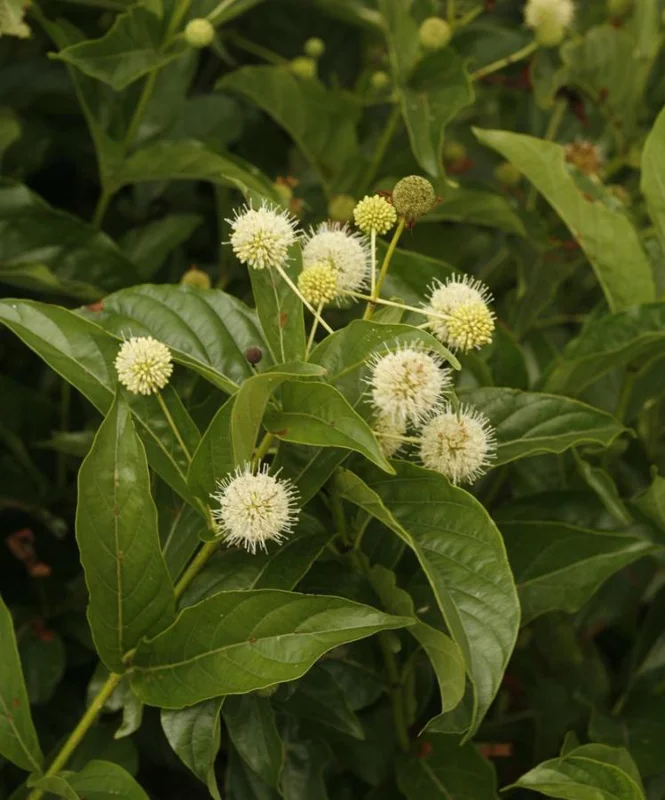
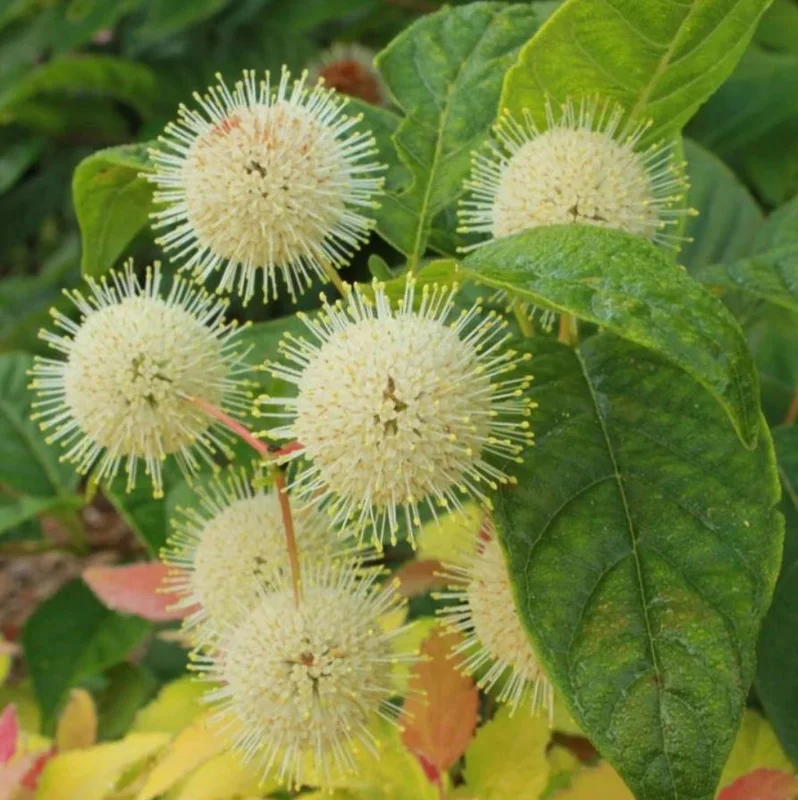
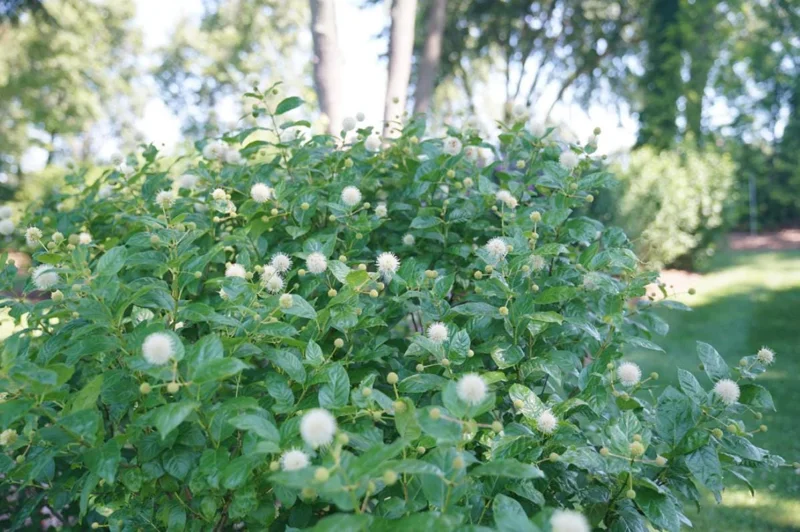
Enhance your garden with a button bush live plant, a beautiful native flowering shrub shipped in a quart pot. Known for its globe-shaped flowers, this plant is perfect for attracting pollinators and thrives in moist conditions, adding unique texture to your landscape.
Original price was: $59.98.$41.98Current price is: $41.98.

With our Alive & Thrive Guarantee, we’ve got your back for the first 30 days! If you have any concerns about your plants, just reach out to us. Our team is here to help answer your questions and guide you in selecting the best plants for your garden, climate, and unique preferences. We're excited to help you create the garden of your dreams!
Estimated arrival
Mar 31
Apr 05 - Apr 07
Apr 10 - Apr 14
Product Details
-
USDA Hardiness Zone
USDA Zones 5-9 -
Soil type
Moist to wet, loamy soil -
Sunlight Exposure
Full sun to partial shade -
Expected Planting Period
Spring to early fall
Overview
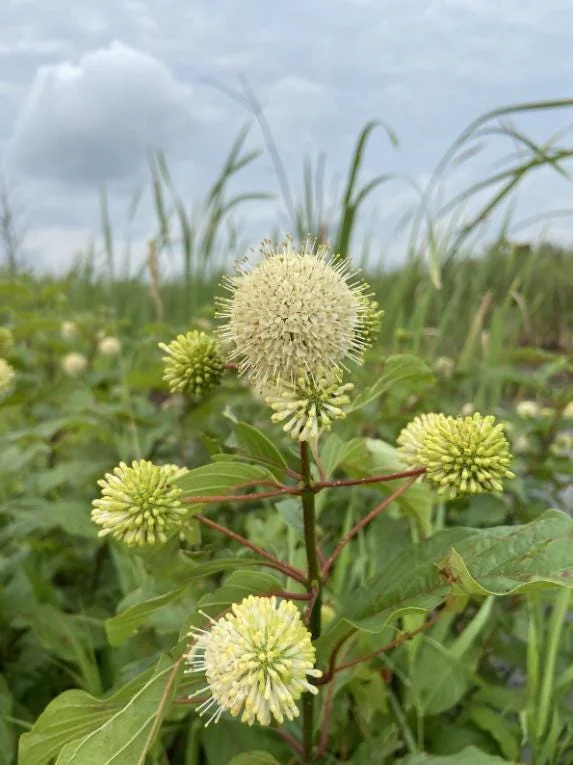
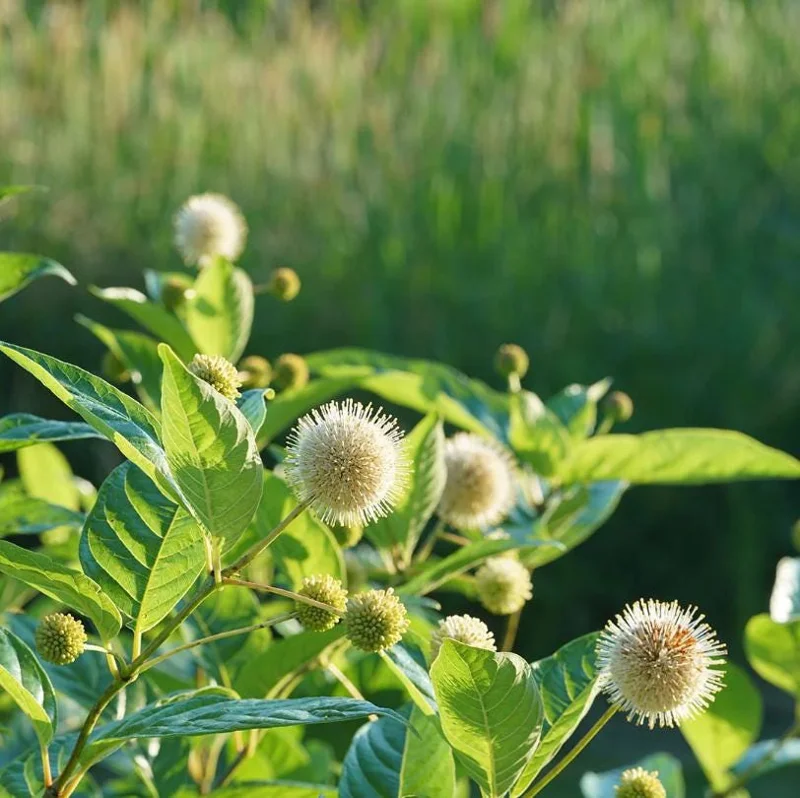
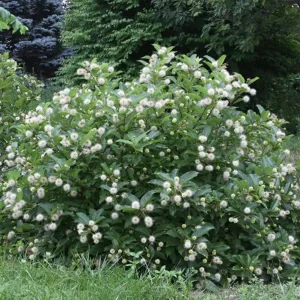
Introduce a touch of native beauty and ecological value to your outdoor space with this exquisite button bush live plant. Also known by its botanical name, Cephalanthus occidentalis, this remarkable native flowering shrub is celebrated for its distinctive, spherical flower clusters that bloom in summer, resembling pincushions. Commonly referred to as buttonbush, button-willow, or honey-bells, this plant is a magnet for local wildlife, particularly attracting a diverse array of pollinators like bees, butterflies, and hummingbirds. Our carefully cultivated live plant arrives ready to thrive in your garden, offering both aesthetic appeal and significant environmental benefits. It’s an excellent choice for naturalistic landscapes, rain gardens, or any area needing a resilient, water-loving shrub.
This button bush live plant is a hardy and adaptable specimen, perfect for gardeners looking to support local ecosystems. It flourishes in moist to wet soils, making it ideal for planting near ponds, streams, or in low-lying areas of your yard. Its unique appearance and ecological role make it a standout addition to any garden design. The fragrant flowers not only look beautiful but also provide a vital nectar source for beneficial insects, while the seeds offer sustenance for birds later in the season. Enjoy the vibrant activity and natural charm this shrub brings to your outdoor living space.
Key Benefits
The button bush live plant offers a multitude of benefits for both your garden and the local environment. Its presence enhances biodiversity and provides essential resources for wildlife. Here are some of the key advantages of incorporating this exceptional shrub into your landscape:
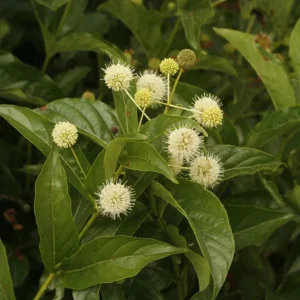
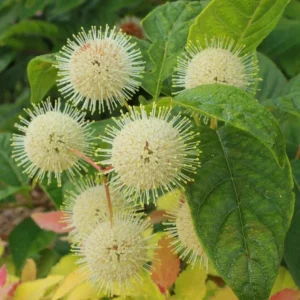
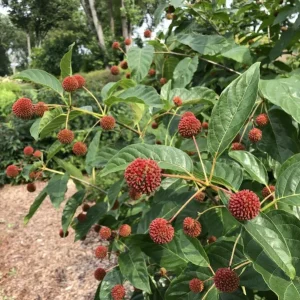
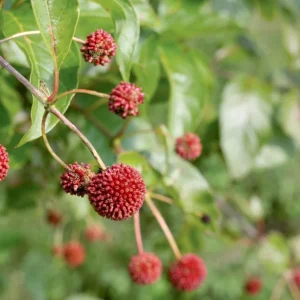
- Unique Ornamental Appeal: Features distinctive, fragrant, globe-shaped white flower clusters that create a striking visual interest in summer, followed by attractive seed heads in fall. This truly sets it apart from other shrubs.
- Exceptional Pollinator Magnet: The nectar-rich flowers are incredibly attractive to a wide range of pollinators, including various species of bees, butterflies, and even hummingbirds, making it a crucial plant for supporting local insect populations.
- Wildlife Habitat and Food Source: Beyond pollinators, the seeds provide a valuable food source for birds, and the dense foliage offers shelter for small wildlife, contributing to a healthy garden ecosystem.
- Thrives in Moist to Wet Conditions: Highly adaptable to various soil types, but particularly excels in moist or wet soils, making it an ideal candidate for rain gardens, wetland edges, or areas prone to periodic flooding.
- Low Maintenance and Resilient: Once established, the button bush live plant is remarkably low-maintenance, requiring minimal care. It is also quite resilient to various environmental stressors.
- Native Plant Advantage: As a native flowering shrub, it is well-suited to local climates and soil conditions, requiring less intervention and contributing to ecological balance without becoming invasive.
- Erosion Control: Its robust root system can help stabilize soil in wet areas, making it useful for erosion control along banks and slopes.
Plant Care & Growing Tips
Caring for your button bush live plant is relatively straightforward, as it is a resilient and adaptable native species. To ensure optimal growth and abundant flowering, understanding its basic needs is key. This shrub thrives in a variety of conditions but truly excels when its preferences are met. Proper planting and ongoing care will result in a robust and beautiful addition to your garden that supports a thriving ecosystem.
Sunlight Requirements: The button bush live plant prefers full sun to partial shade. For the best flowering and most vigorous growth, aim for at least 6 hours of direct sunlight per day. It can tolerate some shade, but flowering may be less prolific. Watering Schedule: This shrub naturally grows in moist to wet environments, so it appreciates consistent moisture. Water regularly, especially during dry spells and in its first year of establishment. The soil should remain consistently damp but not waterlogged. It can even tolerate standing water for short periods, making it a great choice for areas with poor drainage. Soil Type: While adaptable to many soil types, Cephalanthus occidentalis prefers rich, loamy soils with good organic content. Crucially, it needs soil that retains moisture well. If your soil is sandy, amend it with compost or other organic matter to improve water retention. Temperature Range & USDA Hardiness Zones: This native flowering shrub is hardy in USDA Zones 5-9, tolerating a wide range of temperatures. It is deciduous, losing its leaves in colder months and going dormant. Fertilization: Generally, the button bush live plant does not require heavy fertilization. If your soil is poor, a light application of a balanced, slow-release granular fertilizer in early spring can be beneficial. Avoid over-fertilizing, as this can lead to excessive foliage growth at the expense of flowers. Pruning: Prune in late winter or early spring before new growth begins to maintain shape, remove dead or damaged branches, and encourage bushier growth. It can tolerate hard pruning if rejuvenation is needed. Common Problems: Button bush is relatively pest and disease resistant. Occasionally, aphids or scale insects may appear, but these are rarely severe and can often be controlled with insecticidal soap or strong sprays of water. Ensure good air circulation to prevent fungal issues.
Size & Details
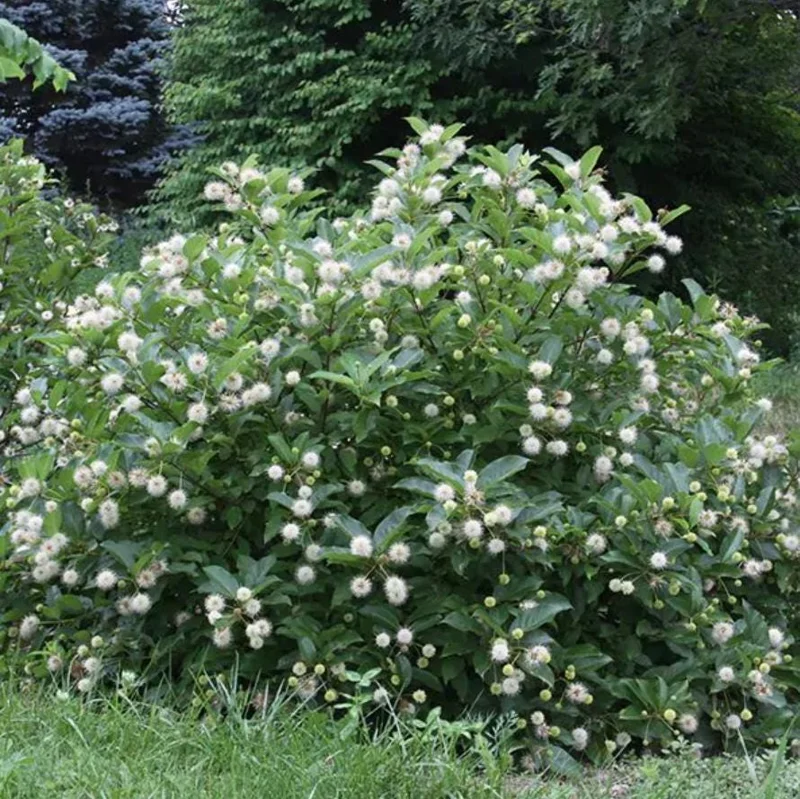
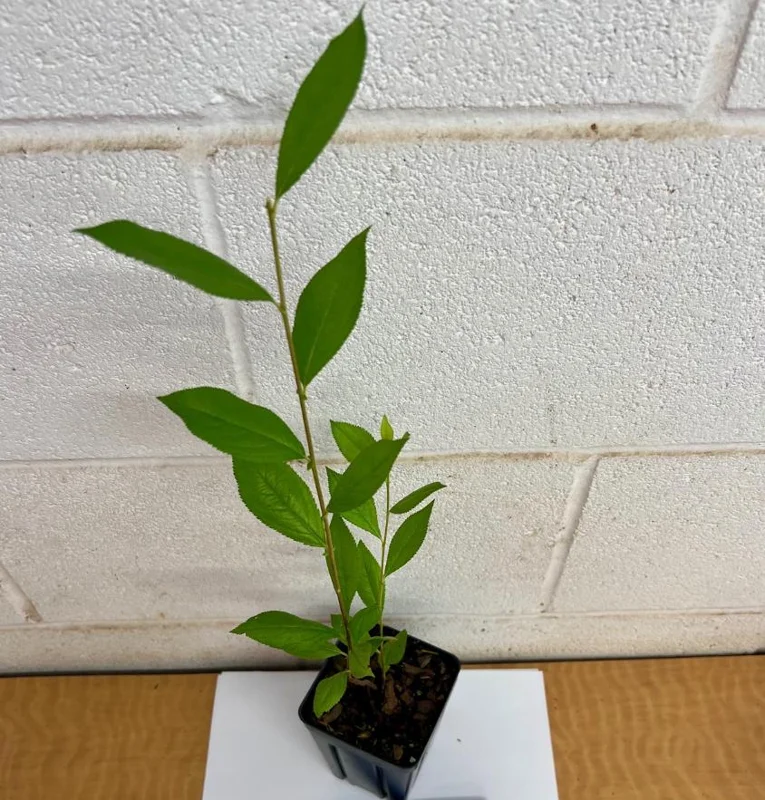
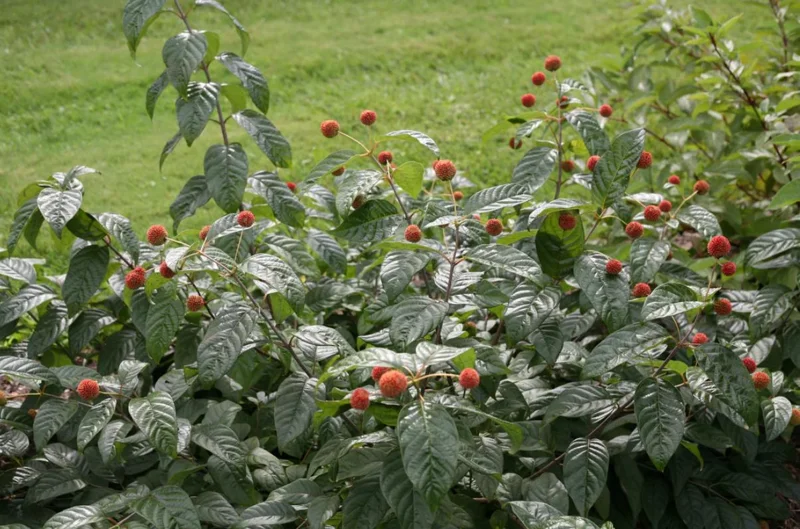
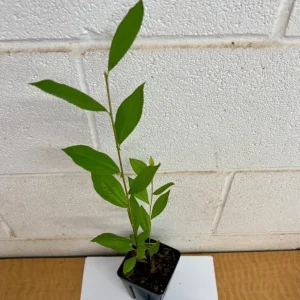
This button bush live plant is shipped in a quart pot, providing a well-established root system ready for planting in your garden. At maturity, this vigorous native flowering shrub typically reaches a height of 6–12 feet and spreads 4–8 feet wide, forming a dense, rounded habit. Its growth rate is moderate to fast, allowing it to establish quickly in suitable conditions. The plant will arrive with foliage during the growing season, though it may have minimal foliage if shipped during its dormant period in colder months. Rest assured, this is a normal part of its growth cycle, and new growth will emerge with warmer temperatures.
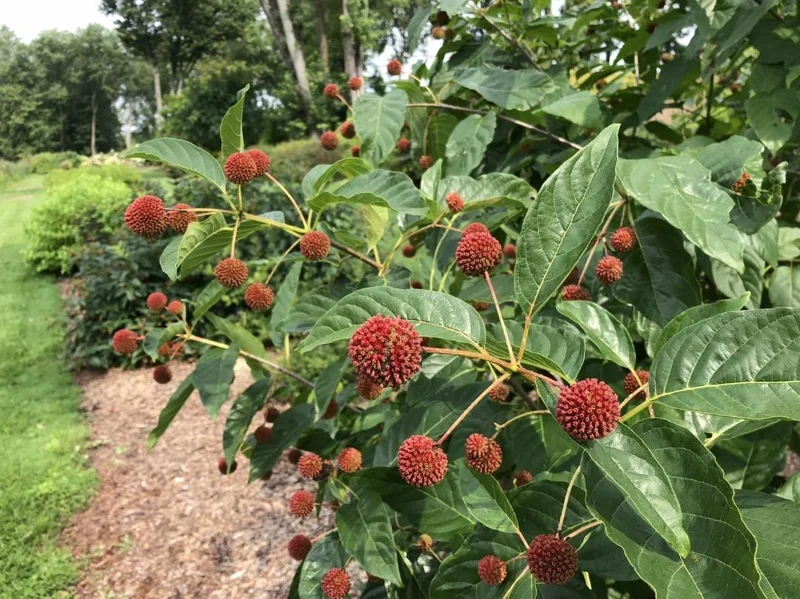
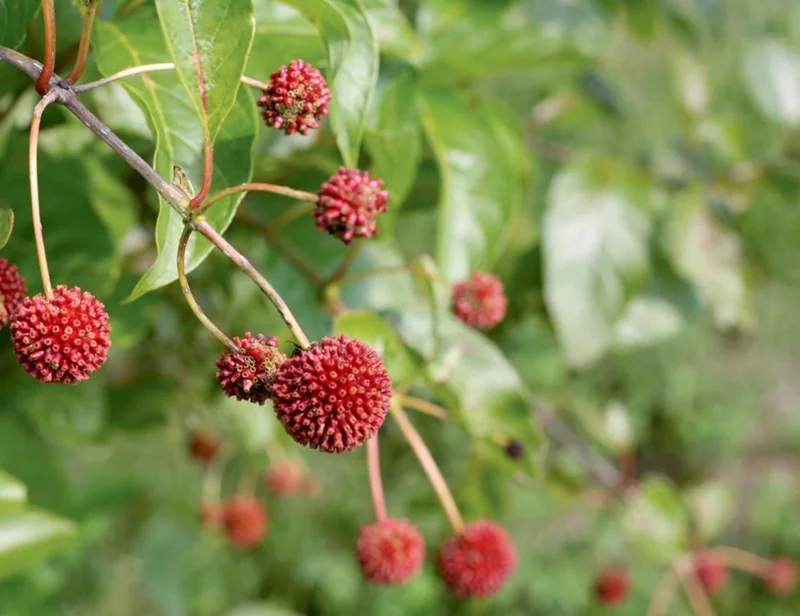
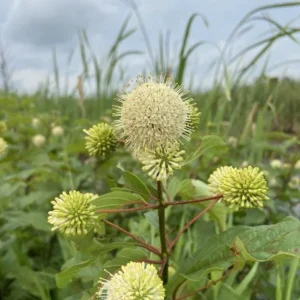
The distinctive globe-shaped flowers, approximately 1 inch in diameter, appear from early to mid-summer, attracting a variety of wildlife. Following the blooms, attractive reddish-brown seed heads persist into the fall and winter, adding continued interest and a food source for birds. This plant offers a substantial presence in the landscape and is a long-lived addition to any garden, providing years of beauty and ecological benefit. It’s a fantastic choice for those seeking a robust and pollinator friendly plant.
Frequently Asked Questions
- Q: How big does this button bush live plant get? A: At maturity, this shrub typically reaches a height of 6–12 feet and a spread of 4–8 feet, forming a dense, rounded shape. Its size makes it suitable for various landscape applications, from hedges to specimen plantings.
- Q: What size pot does it come in? A: This button bush live plant is shipped in a quart pot, ensuring it has a healthy and established root system ready for transplanting into your garden.
- Q: Is this an indoor or outdoor plant? A: The button bush live plant is an outdoor shrub, perfectly suited for garden beds, naturalized areas, and rain gardens. It is not intended for indoor cultivation.
- Q: How much sunlight does it need? A: For the best growth and flowering, this native flowering shrub prefers full sun (at least 6 hours of direct sunlight daily) to partial shade. It can tolerate some shade, but blooming may be reduced.
- Q: Is this plant easy to care for? A: Yes, once established, the button bush live plant is considered low-maintenance and quite resilient. It’s an excellent choice for gardeners looking for an easy-to-grow native.
- Q: What condition will it arrive in? A: Your button bush live plant will be carefully packaged and shipped to ensure its healthy arrival. Depending on the season, it may have full foliage or be in its dormant state with minimal leaves, which is normal for deciduous plants.
- Q: When is the best time to plant a button bush live plant? A: The best time to plant is in spring or early fall, allowing the plant sufficient time to establish its root system before extreme weather conditions. Ensure the soil is consistently moist after planting.
- Q: Will it survive winter in my zone? A: Yes, this pollinator friendly plant is hardy in USDA Zones 5-9, meaning it can tolerate winter temperatures within these zones. It will go dormant in colder months and return in spring.
- Q: Does this shrub attract wildlife? A: Absolutely! The button bush live plant is known for attracting a wide array of pollinators, such as bees, butterflies, and hummingbirds, with its fragrant flowers. Its seeds also provide food for birds, making it a valuable addition for wildlife habitats.
- Q: What kind of soil does it prefer? A: This plant thrives in moist to wet soils, often found near wetlands. It prefers rich, loamy soil with good organic content, making it a great option for areas with consistently damp conditions. If you have a moist soil plant need, this is a perfect fit.
Related products
-10%
Original price was: $23.99.$21.59Current price is: $21.59.
-50%
Original price was: $63.00.$31.50Current price is: $31.50.
-20%
Original price was: $76.00.$60.80Current price is: $60.80.
-50%
Original price was: $55.98.$27.99Current price is: $27.99.
-10%
Original price was: $23.99.$21.59Current price is: $21.59.
-50%
Original price was: $83.00.$41.50Current price is: $41.50.
PLANTING & CARE

Growing Glencoe Raspberry: A Complete Guide for Gardeners
If you’re looking to add something unique to your garden, look no further than the
31
Mar
Mar

The Comprehensive Guide to Growing Bay Leaf Plants for a Flavorful Garden
Imagine stepping into your garden, greeted by the earthy aroma of fresh bay leaves, their
09
Feb
Feb

How to Make Comfrey Tea: The Ultimate Organic Plant Food
Growing an organic garden can be surprisingly expensive, especially when most store-bought fertilizers come in
02
Feb
Feb

True Comfrey: 7 Essential Tips Before You Plant This Herb
A staple in permaculture practices across the US, True Comfrey easily earns its reputation as
27
Jan
Jan

7 Heart-Shaped Plants for a Lasting Valentine’s Gift
If you’ve ever bought a bouquet of roses for Valentine’s Day, you know they are
26
Jan
Jan

Best Types of Ivy Plant for Houses: How to Choose the Perfect Ones for Your Home
Are you a garden lover looking to introduce some greenery into your home? Maybe you’ve
14
Nov
Nov

When to Harvest Garlic (Especially Fall-Planted Garlic)
TIMING IS EVERYTHING, they say – and for garlic, that truth hits with surprising accuracy.
13
Nov
Nov

11 of the Best Sweet Potato Varieties to Grow for Your Garden
If you’ve ever tried growing sweet potatoes, you know that picking the right variety can
12
Nov
Nov