Canary Palm Live Plant – Phoenix canariensis – 4 inch Pot – Outdoor Tropical Tree
-40%
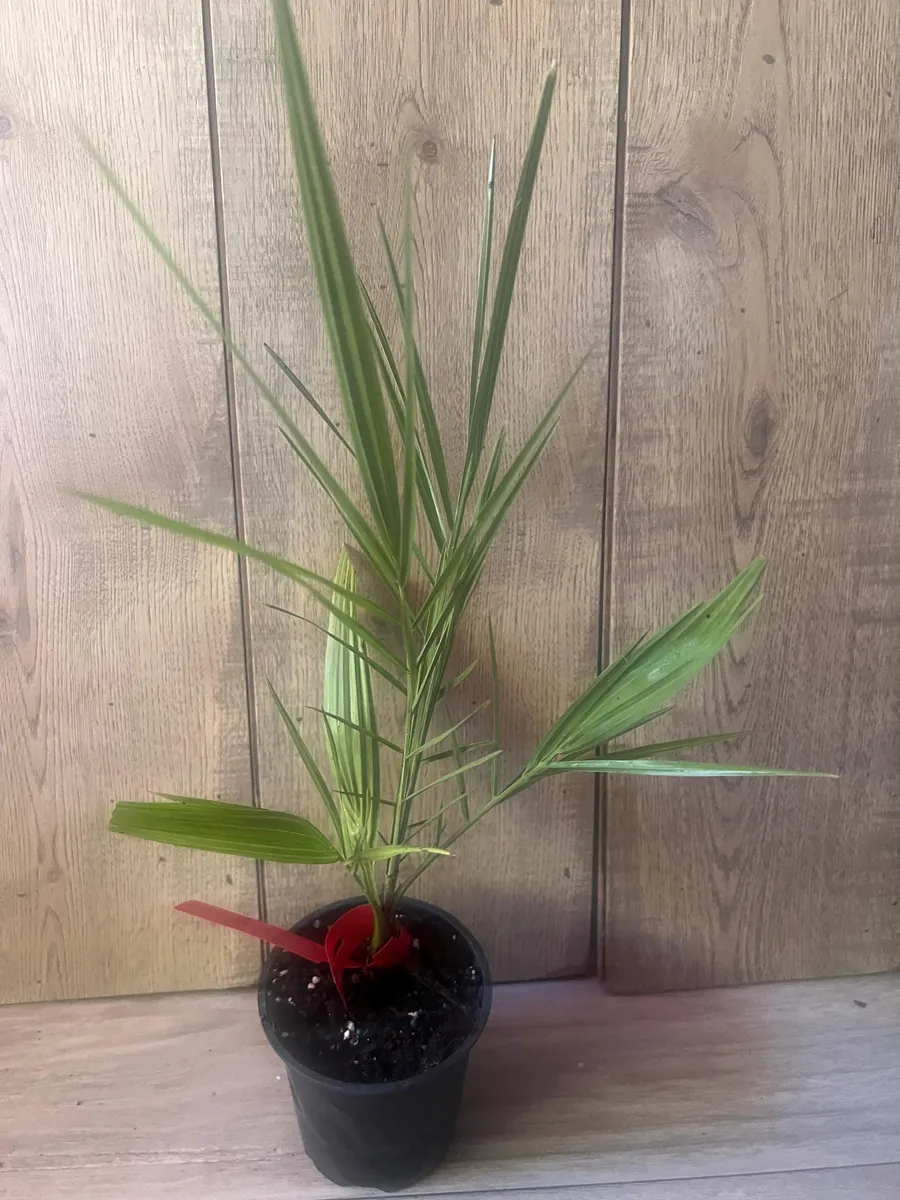
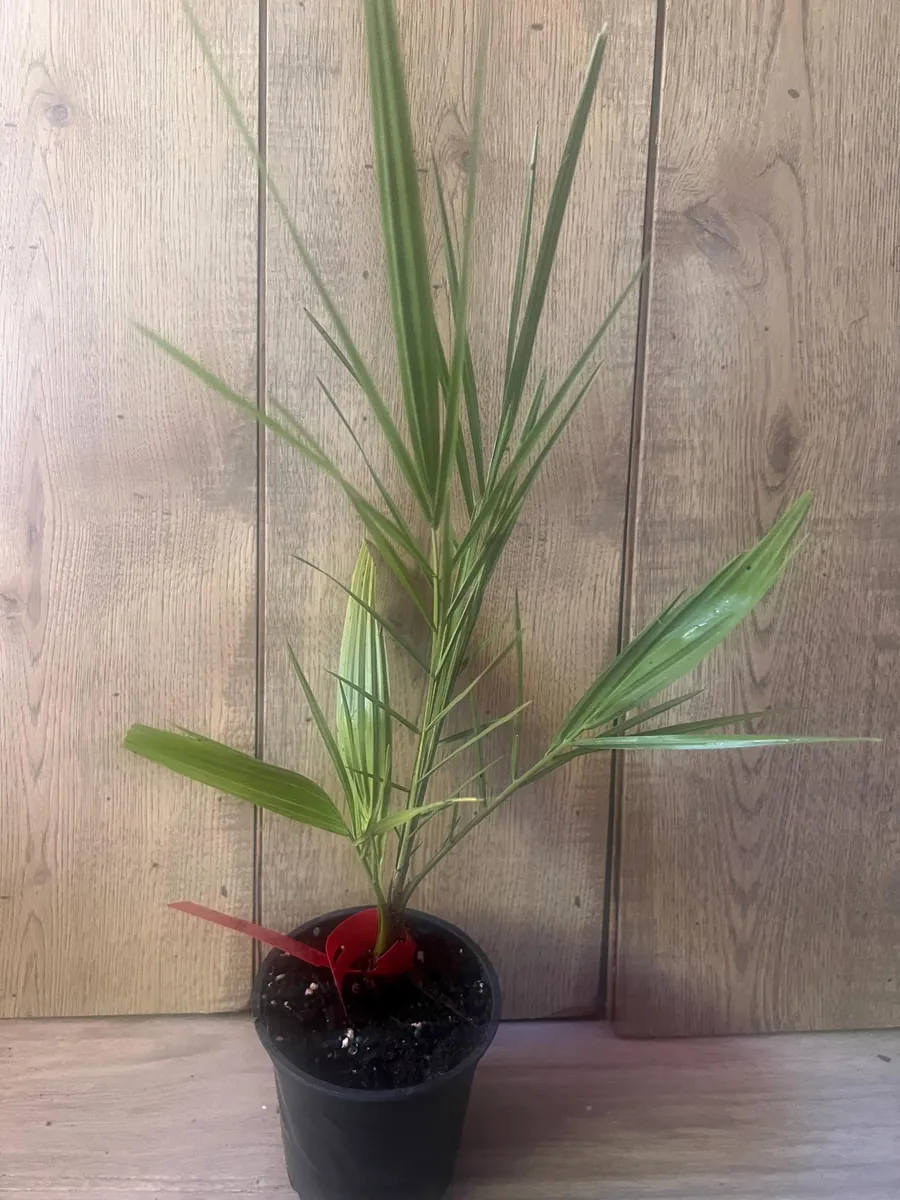
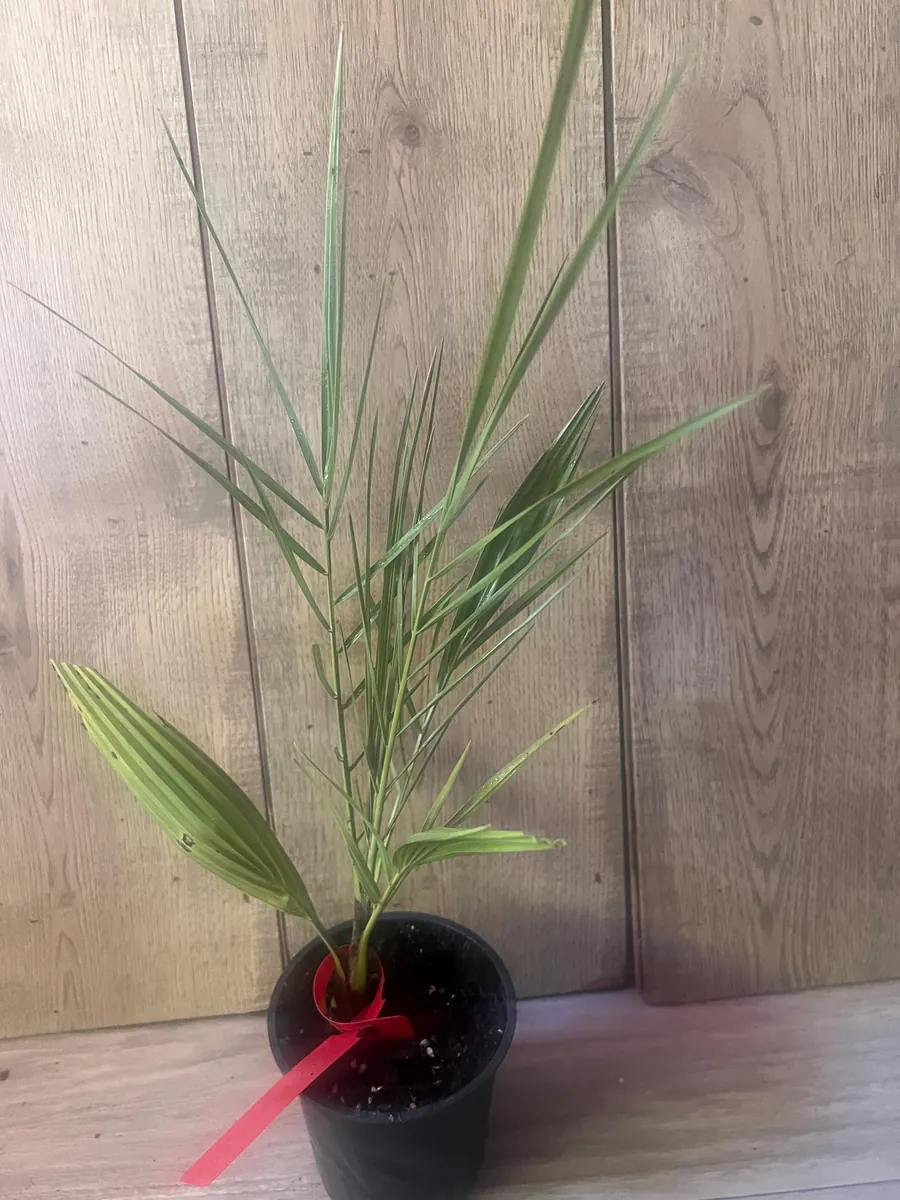
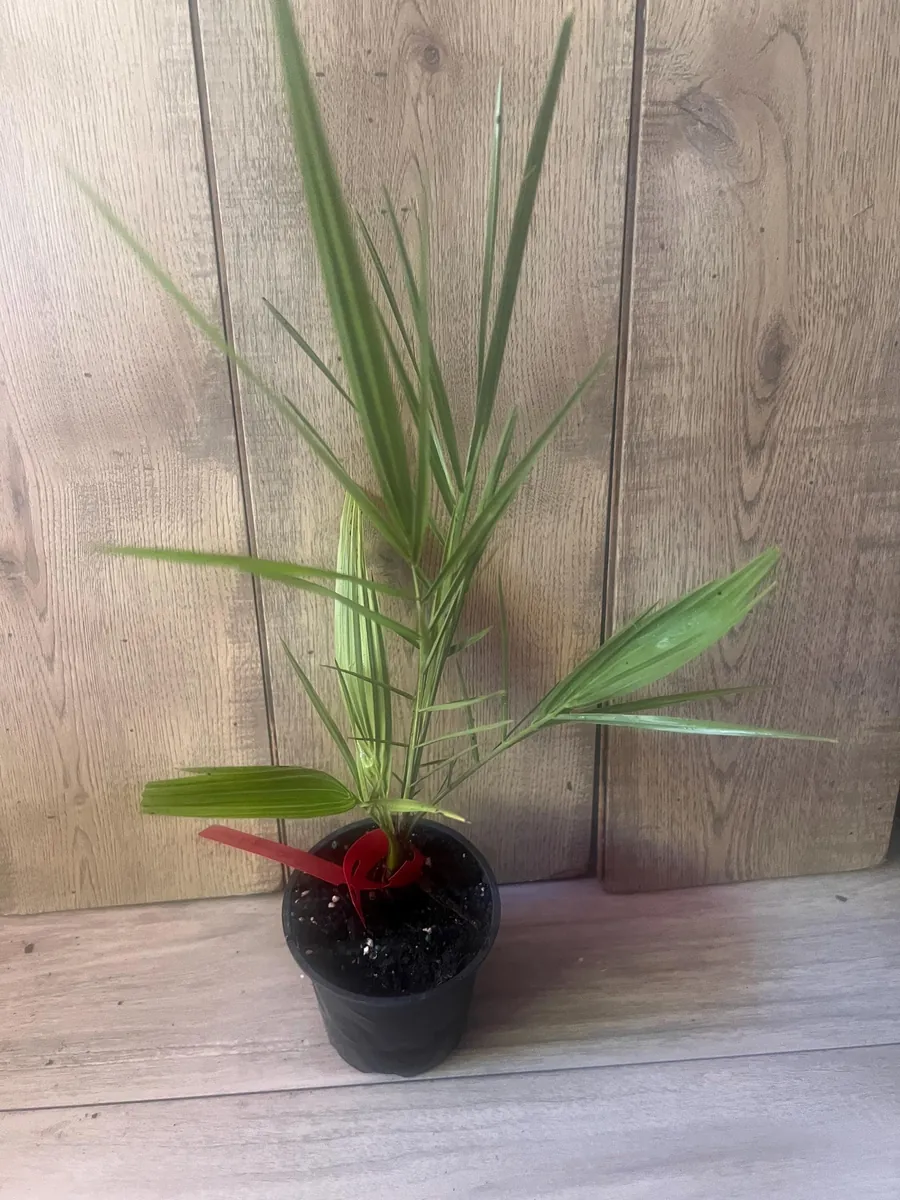
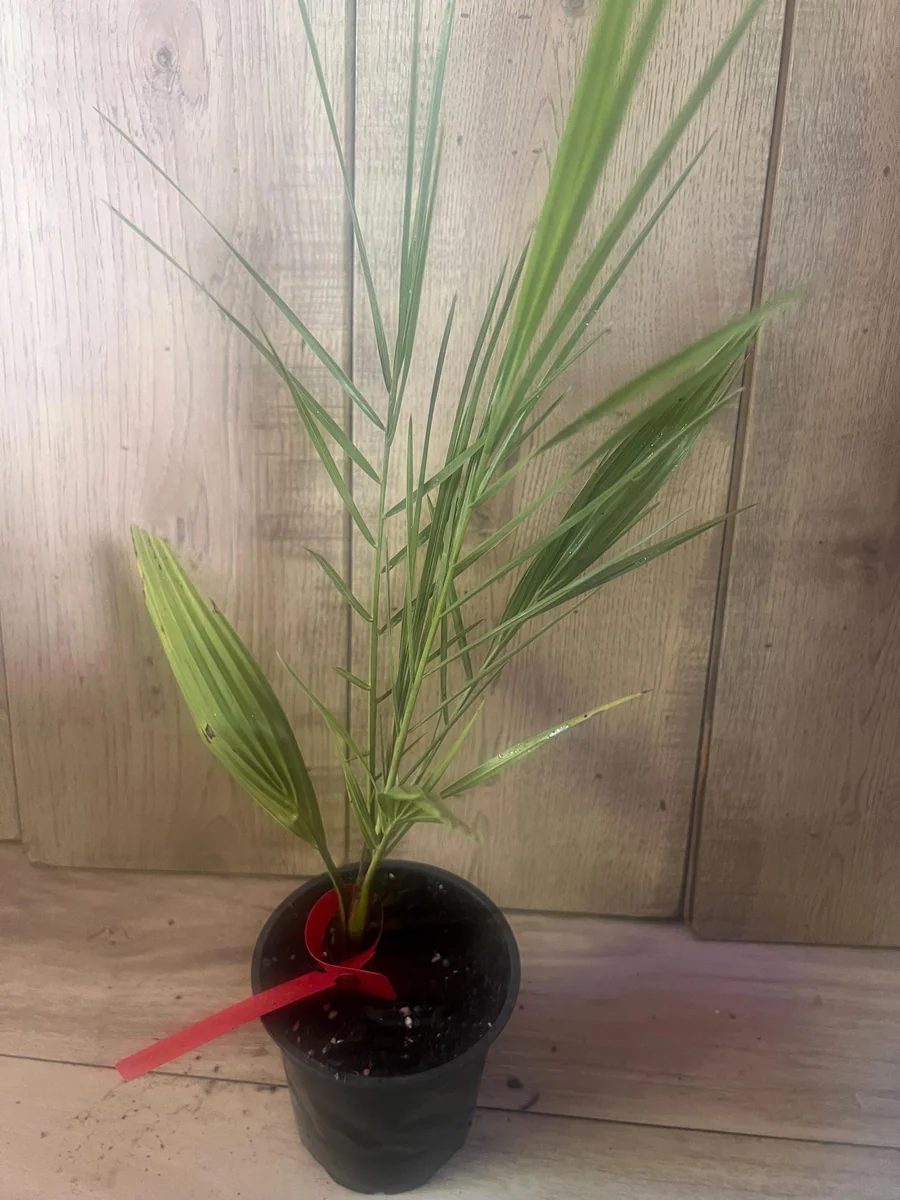
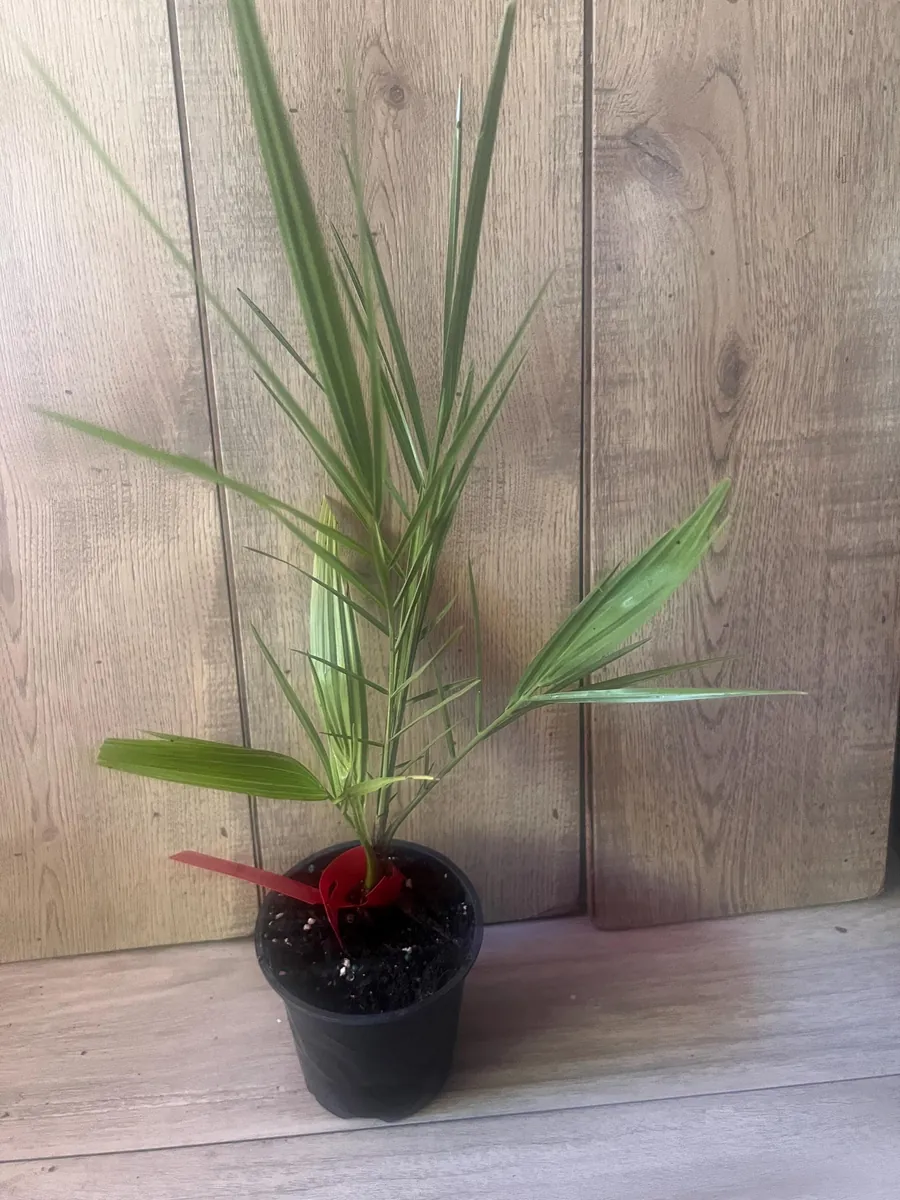
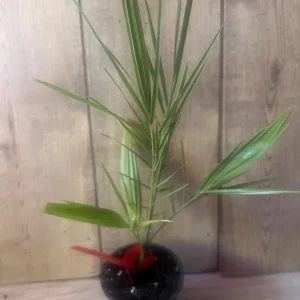
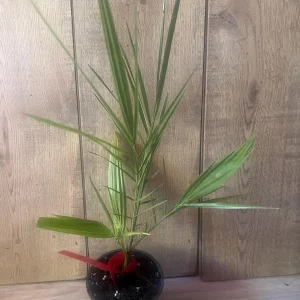
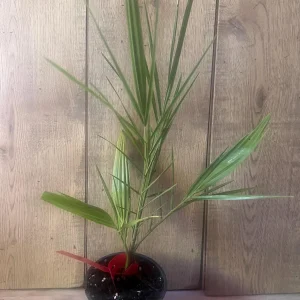
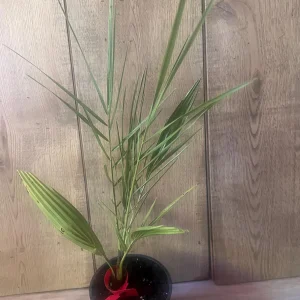
Canary Palm Live Plant – Phoenix canariensis – 4 inch Pot – Outdoor Tropical Tree
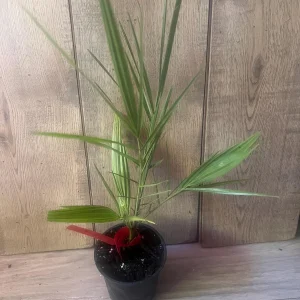
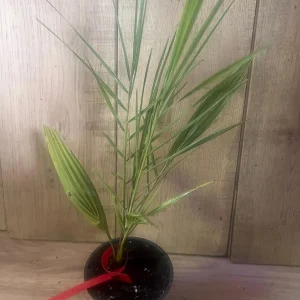
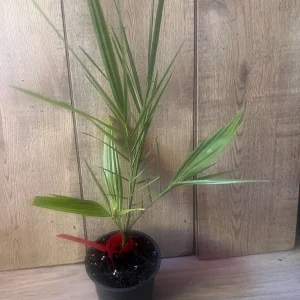
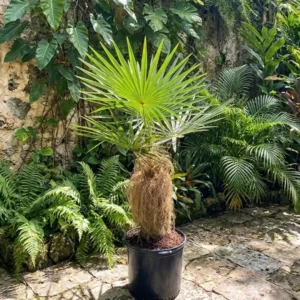
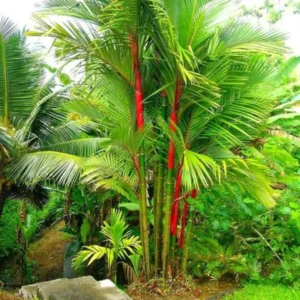
Add a touch of the tropics with this canary palm live plant (Phoenix canariensis) in a 4 inch pot. Perfect for creating a dramatic statement in your outdoor landscape, this canary island date palm is known for its majestic fronds and striking appearance.
Original price was: $41.90.$25.14Current price is: $25.14.

With our Alive & Thrive Guarantee, we’ve got your back for the first 30 days! If you have any concerns about your plants, just reach out to us. Our team is here to help answer your questions and guide you in selecting the best plants for your garden, climate, and unique preferences. We're excited to help you create the garden of your dreams!
Estimated arrival
Apr 13
Apr 18 - Apr 20
Apr 23 - Apr 27

Product Details
-
USDA Hardiness Zone
USDA zones 9–11 -
Soil type
Well-draining sandy or loamy soil -
Sunlight Exposure
Full sun -
Expected Planting Period
Spring to early summer
Overview
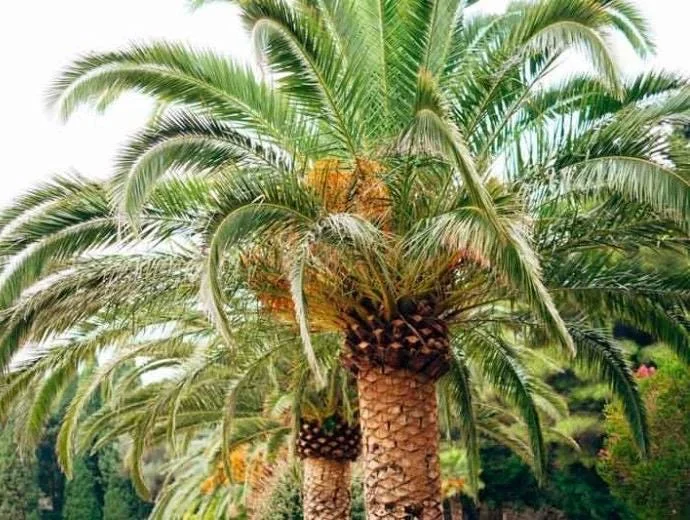
Introduce exotic grandeur to your landscape with the magnificent canary palm live plant (Phoenix canariensis). Also widely recognized as the canary island date palm, this majestic tree is celebrated for its impressive, arching fronds and a thick, textured trunk that creates a striking silhouette. Native to the sun-drenched Canary Islands, the canary palm live plant instantly transforms any garden, driveway, or resort into a tropical paradise. It’s a robust and long-lived specimen, ideal for those seeking a dramatic and elegant centerpiece. This particular offering is for a healthy young plant in a 4 inch pot, ready to be established in its new home, providing an early start to its impressive growth.
The phoenix canariensis is a true icon of tropical and subtropical regions. Its symmetrical crown and slow, steady growth habit make it an excellent choice for both residential and commercial landscaping projects where a timeless aesthetic and minimal long-term maintenance are desired. Once established, this palm exhibits remarkable tolerance to heat, drought, and even coastal conditions, making it a versatile addition to many outdoor environments. Its ability to thrive in full sun and well-draining soil ensures a strong foundation for a spectacular future specimen.
Key Benefits
The canary palm live plant offers a multitude of benefits that make it a highly sought-after choice for landscape designers and home gardeners alike. Its unique characteristics contribute significantly to the beauty and value of any property.
- Stunning Tropical Aesthetic: The canary island date palm provides an immediate and undeniable tropical feel, transforming ordinary spaces into exotic retreats with its large, graceful fronds and robust trunk. It serves as a natural focal point.
- Architectural Statement: With its grand scale and symmetrical form, the phoenix canariensis acts as a living piece of architecture, enhancing property lines, entryways, and pool areas with its commanding presence.
- Drought and Heat Tolerant: Once mature, this palm is remarkably resilient, capable of withstanding prolonged periods of heat and drought, making it an excellent choice for xeriscaping or low-water gardens in appropriate USDA zones.
- Low Maintenance Once Established: While requiring care in its initial years, an established canary palm live plant demands relatively minimal attention, primarily needing occasional pruning of dead fronds to maintain its tidy appearance.
- Coastal Resilience: Its natural habitat has endowed it with a strong tolerance to coastal conditions, including salt spray, making it a perfect candidate for seaside properties.
- Long Lifespan: With proper care, the Canary Palm can live for many decades, becoming a lasting legacy in your landscape and growing into an even more majestic specimen over time.
- Versatile Landscaping Use: Ideal for specimen planting, avenues, or as a backdrop for smaller plants, its adaptability ensures it fits into various garden designs.
Plant Care & Growing Tips
Caring for your canary palm live plant is straightforward, especially once it’s established. This palm thrives in warm, sunny climates and is best suited for USDA zones 9–11. It demands full sun exposure, meaning at least 6-8 hours of direct sunlight daily to promote vigorous growth and a healthy canopy. When it comes to soil, the phoenix canariensis prefers well-draining types, such as sandy or loamy compositions. Avoid heavy, clay soils that retain too much moisture, as this can lead to root rot.
Watering is crucial during the plant’s first growing year. Water regularly to help its root system establish firmly. Once mature, allow the soil to dry out slightly between waterings to prevent overhydration. While established palms can tolerate short periods of heat up to 100°F (38°C), ideal daytime temperatures range between 65–85°F (18–29°C). For those in colder areas, frost protection is recommended if temperatures drop below 25°F (−4°C). This can involve wrapping the trunk or using protective covers during cold snaps. Fertilize your canary island date palm with a slow-release palm fertilizer rich in magnesium and manganese, applying it 2–3 times a year during the spring and summer months to support its nutritional needs and maintain vibrant fronds.
Pruning should be minimal; only remove dead or damaged fronds to keep the canopy tidy and prevent disease. Avoid over-pruning green fronds, as this can stress the palm. Ensure good air circulation around the plant to deter fungal issues. Monitoring for pests is also advised, though the canary palm live plant is generally robust. Consistent care will ensure your palm grows into a magnificent and healthy specimen, a true highlight of your outdoor space. Understanding outdoor palm care ensures a thriving plant.
Size & Details
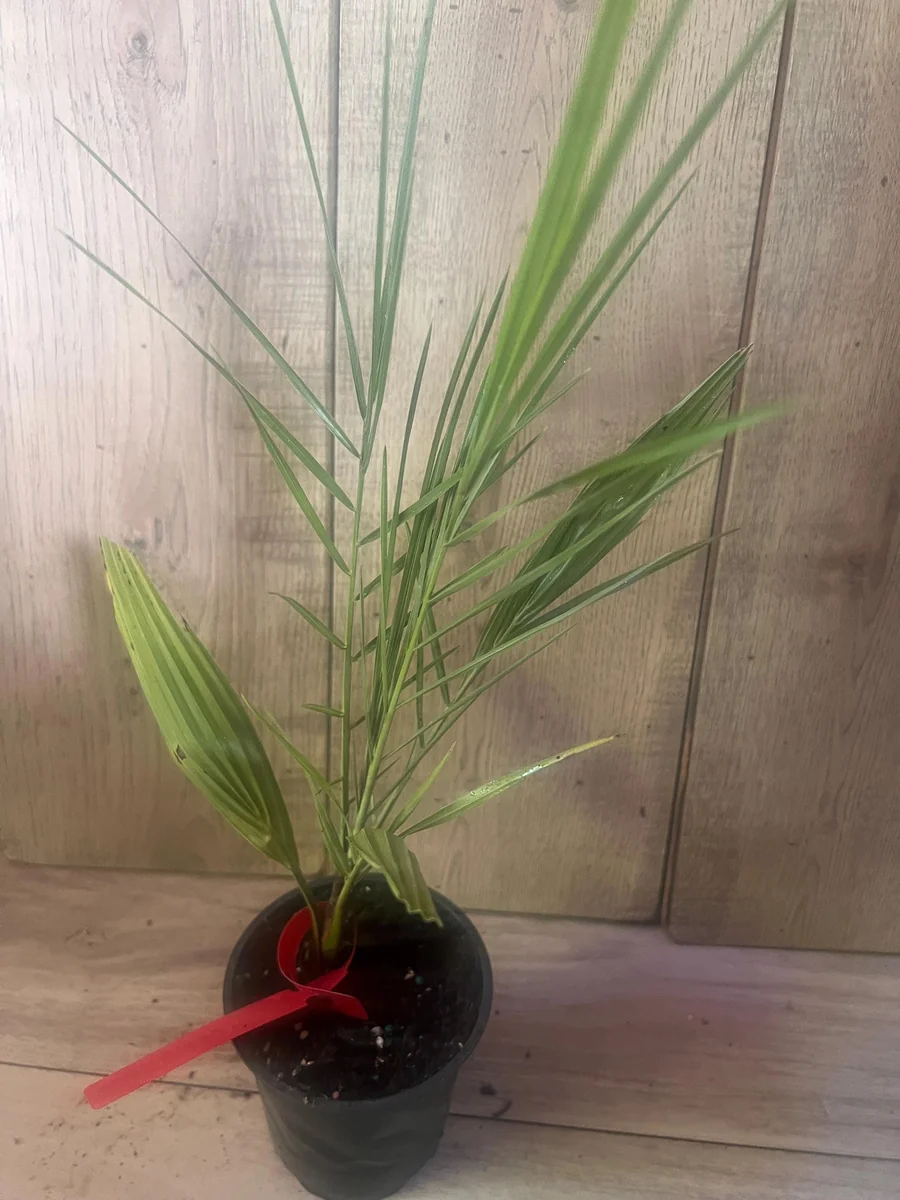
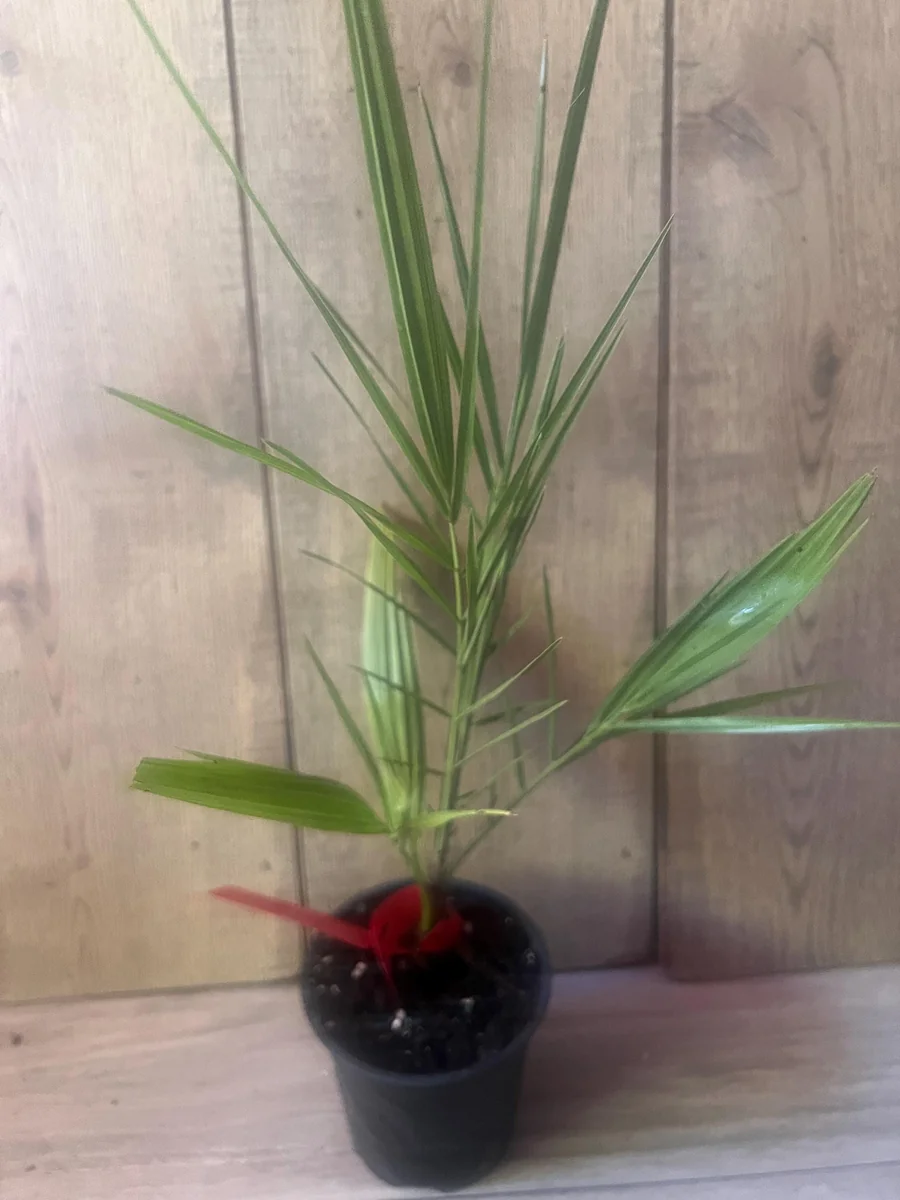
This offering is for a young canary palm live plant, shipped in a convenient 4 inch pot. At this stage, the plant is typically compact, making it easy to handle and transplant. While exact height can vary, juvenile palms in this pot size are usually between 6-12 inches tall, depending on their growth rate and nursery practices. The phoenix canariensis is known for its slow to moderate growth rate, eventually reaching impressive heights of 40-60 feet with a spread of 20-40 feet at full maturity, making it a truly grand landscape tree.
Upon arrival, your canary island date palm will be a healthy, actively growing specimen, ready for careful acclimatization and planting. It is shipped as a potted plant with its root ball intact, minimizing transplant shock. Its eventual size and majestic form make it a long-term investment for adding significant aesthetic value to your property. The thick, textured trunk, which develops with age, adds to its distinctive character.
Frequently Asked Questions
- Q: How big does this plant get? A: This canary palm live plant is shipped in a 4 inch pot and is a young specimen. At maturity, the Phoenix canariensis can reach impressive heights of 40-60 feet with a spread of 20-40 feet, making it a very large and majestic landscape tree.
- Q: What size pot does it come in? A: This Canary Palm is provided in a 4 inch pot, which is an ideal size for establishing a young plant in your garden or a slightly larger container before final placement.
- Q: Is this an indoor or outdoor plant? A: The canary palm live plant is primarily an outdoor plant, best suited for warm climates in USDA zones 9–11. While young plants can be kept indoors temporarily, they require significant light and space to thrive long-term.
- Q: How much sunlight does it need? A: This palm requires full sun exposure, meaning at least 6-8 hours of direct sunlight per day, to grow strong and healthy. It thrives in bright, open areas.
- Q: Is this plant easy to care for? A: Once established, the canary island date palm is relatively low-maintenance, especially regarding water and heat tolerance. Initial care involves consistent watering and proper planting to ensure establishment. Learning about outdoor palm care is beneficial.
- Q: What condition will it arrive in? A: Your Canary Palm will arrive as a healthy, actively growing potted plant, carefully packaged to ensure its safety during transit and ready for planting.
- Q: Can it tolerate cold temperatures? A: Established Canary Palms can withstand brief cold spells down to 25°F (−4°C). However, frost protection is highly recommended in areas where temperatures regularly drop below this threshold, especially for younger plants.
- Q: When is the best time to plant a canary palm? A: The best time to plant a phoenix canariensis is typically in the spring or early summer, allowing the plant ample time to establish its root system before the colder months.
- Q: What kind of soil is best for this palm? A: The Canary Palm prefers well-draining soil types, such as sandy or loamy soil. Good drainage is crucial to prevent root rot.
- Q: Is this a fast-growing palm? A: The canary palm live plant has a slow to moderate growth rate. While it will grow steadily, it takes many years to reach its full majestic height and spread.
Related products
-50%
Original price was: $73.98.$36.99Current price is: $36.99.
-10%
Original price was: $36.99.$33.29Current price is: $33.29.

PLANTING & CARE
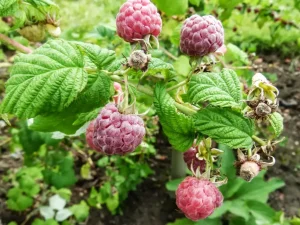
Growing Glencoe Raspberry: A Complete Guide for Gardeners
If you’re looking to add something unique to your garden, look no further than the
31
Mar
Mar

The Comprehensive Guide to Growing Bay Leaf Plants for a Flavorful Garden
Imagine stepping into your garden, greeted by the earthy aroma of fresh bay leaves, their
09
Feb
Feb

How to Make Comfrey Tea: The Ultimate Organic Plant Food
Growing an organic garden can be surprisingly expensive, especially when most store-bought fertilizers come in
02
Feb
Feb

True Comfrey: 7 Essential Tips Before You Plant This Herb
A staple in permaculture practices across the US, True Comfrey easily earns its reputation as
27
Jan
Jan

7 Heart-Shaped Plants for a Lasting Valentine’s Gift
If you’ve ever bought a bouquet of roses for Valentine’s Day, you know they are
26
Jan
Jan

Best Types of Ivy Plant for Houses: How to Choose the Perfect Ones for Your Home
Are you a garden lover looking to introduce some greenery into your home? Maybe you’ve
14
Nov
Nov

When to Harvest Garlic (Especially Fall-Planted Garlic)
TIMING IS EVERYTHING, they say – and for garlic, that truth hits with surprising accuracy.
13
Nov
Nov

11 of the Best Sweet Potato Varieties to Grow for Your Garden
If you’ve ever tried growing sweet potatoes, you know that picking the right variety can
12
Nov
Nov