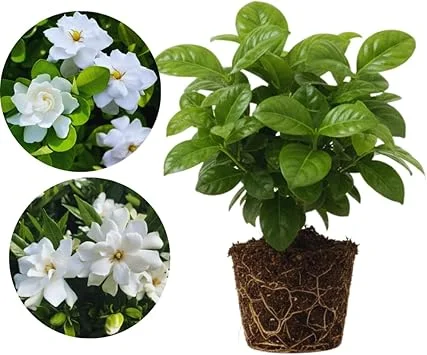
Cape Jasmine Live Plants – 2 Pack, Fragrant Gardenia, Frostproof, 5-7” Tall, Outdoor
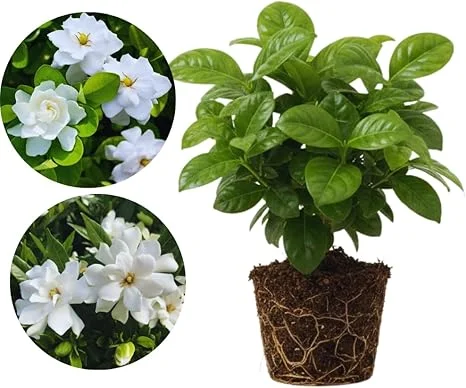
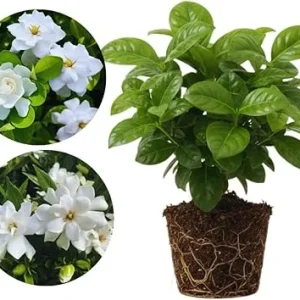
Cape Jasmine Live Plants – 2 Pack, Fragrant Gardenia, Frostproof, 5-7” Tall, Outdoor
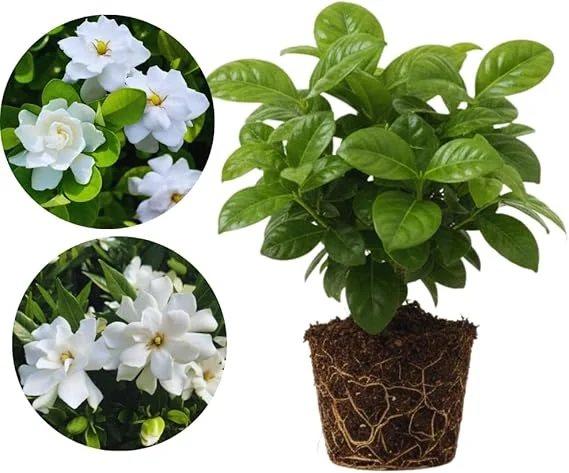
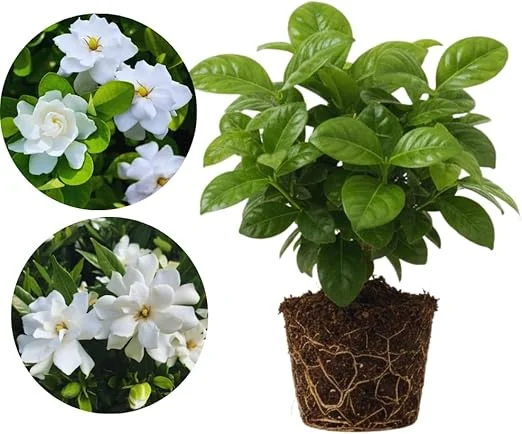
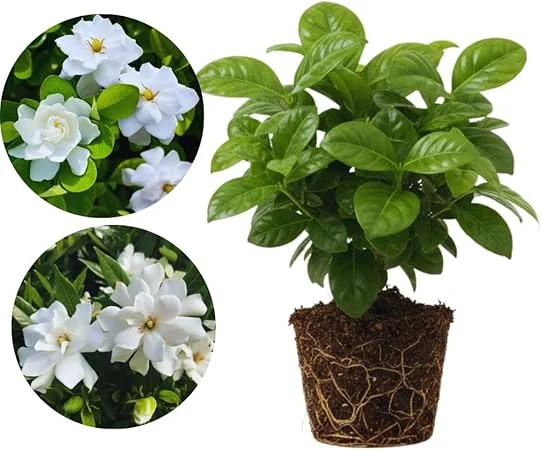
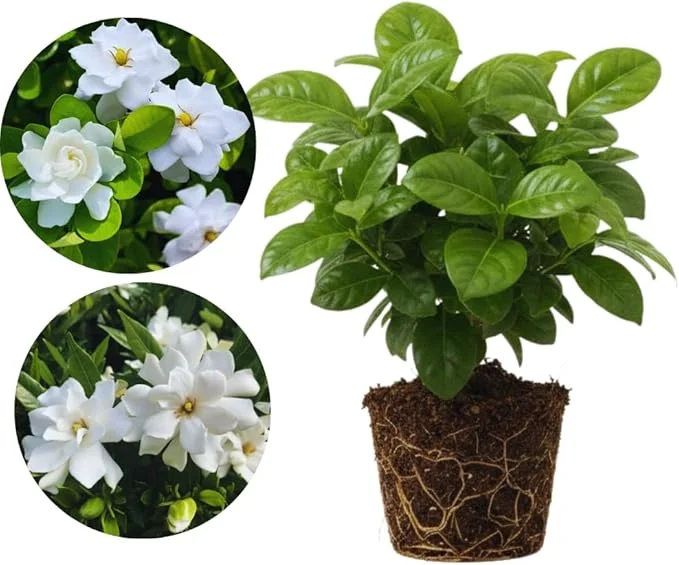
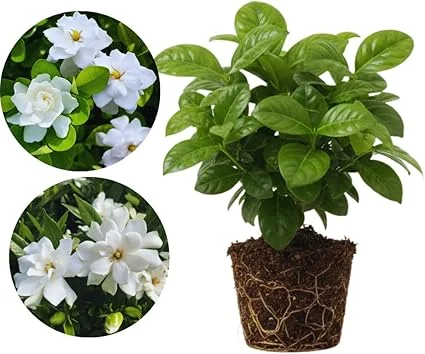
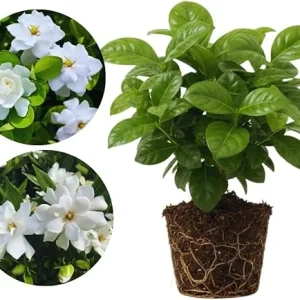
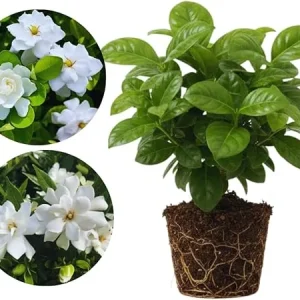
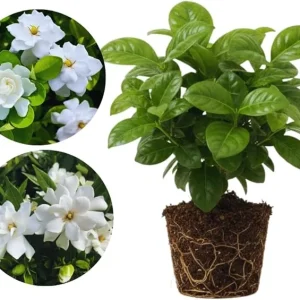
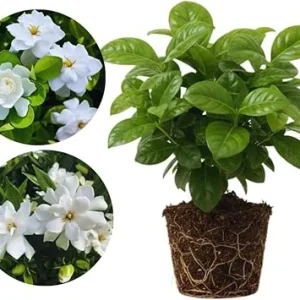
Introduce elegance and intoxicating fragrance to your outdoor space with this set of 2 Cape Jasmine live plants. These beautiful gardenias are frostproof and known for their fast-growing nature and stunning white blooms. Perfect for adding natural beauty to entryways, patios, and garden beds.
$72.58

With our Alive & Thrive Guarantee, we’ve got your back for the first 30 days! If you have any concerns about your plants, just reach out to us. Our team is here to help answer your questions and guide you in selecting the best plants for your garden, climate, and unique preferences. We're excited to help you create the garden of your dreams!
Estimated arrival
Mar 31
Apr 05 - Apr 07
Apr 10 - Apr 14

Product Details
-
USDA Hardiness Zone
9-11 -
Soil type
Well-drained, acidic soil -
Sunlight Exposure
Full sun to partial shade -
Expected Planting Period
Spring to early fall
Overview
Transform your outdoor living areas with the exquisite beauty and captivating aroma of cape jasmine live plants. This offering includes two robust, actively growing plants, ready to bring their charm to your garden. Known botanically as Gardenia jasminoides, the Cape Jasmine is cherished for its glossy, dark green foliage and pristine white, intensely fragrant flowers. These plants are not only a feast for the eyes but also a delight for the senses, releasing a sweet perfume that can fill an entire garden space. Originating from Asia, these evergreen shrubs are a classic choice for gardeners seeking both aesthetic appeal and a sensory experience. Our fragrant gardenia plants are carefully cultivated to ensure healthy growth and vigorous blooming, providing you with a reliable source of beauty for many seasons to come. They are a wonderful addition to any landscape, providing a touch of Southern charm and elegance.
Each of these cape jasmine live plants arrives at a healthy 5-7 inches tall, establishing quickly in your garden. They are particularly valued for their frostproof characteristic, making them more resilient in various climates within their hardiness zones. Whether you’re looking to create a fragrant border, add a focal point to your patio, or simply enjoy the beauty of fresh blooms, these gardenias are an excellent choice. The delightful scent of these gardenia jasmine plants is often associated with luxury and relaxation, making them ideal for areas where you unwind and entertain. Embrace the timeless allure of the Cape Jasmine and elevate your garden’s appeal with these fast-growing, beautiful flowering plants.
Key Benefits
Adding cape jasmine live plants to your garden provides numerous advantages, enhancing both the aesthetic and sensory experience of your outdoor space. These benefits make them a popular choice among gardeners:
- Exquisite Fragrance: The most notable feature of these plants is their intense, sweet fragrance. The beautiful white blooms release a captivating aroma that can perfume your entire garden, making your outdoor spaces more inviting and enjoyable, especially during warm evenings. This makes them perfect for planting near windows or seating areas.
- Stunning White Blooms: Enjoy a profusion of elegant, pure white flowers that provide a striking contrast against the glossy, dark green foliage. These classic blooms add a touch of sophistication and timeless beauty to any garden design. The multi-petaled flowers are a visual delight.
- Fast Growing & Vigorous: These cape jasmine live plants are known for their relatively fast growth rate, allowing them to establish quickly and provide a lush, full appearance in a shorter time. Their vigorous nature means they will fill out garden beds and containers beautifully.
- Frostproof Resilience: Unlike some more tender gardenia varieties, these frostproof jasmine plants offer enhanced cold tolerance, making them suitable for a wider range of USDA Hardiness Zones (9-11). This resilience ensures they can withstand cooler temperatures without significant damage.
- Low Maintenance: Despite their luxurious appearance, Cape Jasmines are surprisingly easy to care for once established. They require simple watering and thrive with minimal intervention, making them ideal for both experienced gardeners and those new to plant care.
- Versatile Landscaping: These outdoor flowering plants are incredibly versatile for landscaping. They are perfect for hedges, borders, foundation plantings, container gardening, or as a fragrant focal point near entryways, patios, and walkways, adding natural beauty wherever they are placed.
- Multiple Flowering Cycles: With proper care, these gardenias can enjoy multiple flowering cycles during warm seasons, providing continuous bursts of fragrant blooms and extending the period of enjoyment in your garden.
Plant Care & Growing Tips
Caring for your cape jasmine live plants is essential for ensuring their health, vigorous growth, and abundant flowering. While generally low-maintenance, understanding their specific needs will help them thrive and bring continuous beauty to your garden. These fragrant gardenia plants prefer a location where they can receive ample sunlight, ideally full sun to partial shade. Full sun (6+ hours of direct sunlight) will encourage the most prolific blooming, but in hotter climates, some afternoon shade can protect the foliage from scorching. Ensure they are placed in an area with good air circulation to prevent fungal issues, especially in humid environments. They are well-suited for outdoor environments within their specified USDA hardiness zones.
Watering is crucial, as gardenia jasmine plants prefer consistently moist, but not waterlogged, soil. Moderate watering is generally sufficient; check the soil moisture regularly, especially during dry spells and warm seasons. Water deeply when the top inch or two of soil feels dry to the touch. Avoid overhead watering if possible, as wet foliage can promote disease. The ideal soil type for these plants is well-drained, acidic soil rich in organic matter. If your native soil is heavy clay or very sandy, amend it with compost or peat moss to improve drainage and nutrient content. A soil pH between 5.0 and 6.0 is optimal for nutrient uptake and overall plant health, which is particularly important for outdoor flowering plants like these.
These frostproof jasmine plants thrive in USDA Hardiness Zones 9-11. In zone 9, they may require some winter protection during exceptionally cold snaps, such as mulching around the base or covering with a frost cloth. Fertilize your Cape Jasmine in early spring before new growth begins, and again after the first flush of blooms, using a fertilizer formulated for acid-loving plants. Look for fertilizers with a higher phosphorus content to encourage flowering. Pruning should be done after flowering to maintain shape, remove spent blooms, and encourage bushier growth. Watch out for common pests like aphids, mealybugs, and whiteflies, and treat them promptly with insecticidal soap or neem oil. Yellowing leaves can often indicate an iron deficiency or incorrect soil pH, which can be corrected with appropriate soil amendments or chelated iron.
Size & Details
Each order includes 2 Cape Jasmine live plants, each standing approximately 5-7 inches tall from the base of the plant to the tip of its foliage. These plants are shipped in their nursery pots, ensuring minimal transplant shock and a healthy start in your garden. They are young, vigorous plants that are ready for planting upon arrival. While their initial size is compact, Cape Jasmines are known for their fast growth rate, and with proper care, they can quickly mature into substantial shrubs. When fully grown, these fragrant gardenia plants typically reach a height of 4-6 feet and a similar spread, forming a dense, rounded shrub. The mature size can be managed with regular pruning, allowing them to fit into various garden designs or even be grown in larger containers on patios.
These gardenia jasmine plants are perennial evergreen shrubs, meaning they retain their glossy green foliage year-round in their suitable hardiness zones. They offer a prolonged blooming period, typically from late spring through fall, with multiple flushes of their iconic white, fragrant flowers during warm seasons. The exact blooming schedule can vary based on climate and care. They are delivered as healthy, actively growing specimens, carefully packaged to withstand transit and arrive in excellent condition, ready to be planted in your garden and begin their journey towards becoming magnificent outdoor flowering plants. Expect to see significant growth and blooming in their first full growing season with proper light, water, and nutrient provision.
Frequently Asked Questions
- Q: How big do these Cape Jasmine plants get? A: These cape jasmine live plants are shipped at 5-7 inches tall. With proper care, they typically mature into shrubs that are 4-6 feet tall and equally wide, though their size can be managed with pruning.
- Q: What size pot do these plants come in? A: The plants are shipped in standard nursery pots, which are ideally sized for their current growth stage and facilitate safe transport. It is recommended to transplant them into larger pots or directly into the garden upon arrival.
- Q: Is this an indoor or outdoor plant? A: These are primarily outdoor flowering plants, suitable for planting in gardens within USDA Hardiness Zones 9-11. While they can be brought indoors temporarily in colder climates, they thrive best outdoors.
- Q: How much sunlight does a Cape Jasmine need? A: Fragrant gardenia plants prefer full sun to partial shade. For the most abundant blooms, aim for at least 6 hours of direct sunlight daily, especially in cooler climates. In very hot regions, some afternoon shade is beneficial.
- Q: Is this plant easy to care for? A: Yes, once established, these frostproof jasmine plants are considered low-maintenance. They require consistent moisture and well-drained, acidic soil, but generally present few challenges for gardeners.
- Q: What condition will the plants arrive in? A: We take great care in packaging our gardenia jasmine plants to ensure they arrive healthy and ready for planting. They will be actively growing and well-rooted.
- Q: How long until it blooms? A: These young cape jasmine live plants may produce their first blooms in the first full growing season after planting, especially if planted in spring. Established plants will bloom profusely from late spring through fall.
- Q: When is the best time to plant Cape Jasmine? A: The best time to plant these outdoor flowering plants is in the spring after the last threat of frost, or in early fall in warmer climates, allowing them to establish before extreme temperatures.
- Q: Will it survive winter in my zone? A: These are frostproof jasmine plants and are hardy in USDA Zones 9-11. In zone 9, they may benefit from winter protection during severe cold snaps. They are not suitable for prolonged freezing temperatures.
- Q: What’s the minimum temperature these plants can tolerate? A: These gardenias can tolerate temperatures down to approximately 20-25°F (-6 to -3°C) due to their frostproof nature, especially when established. However, prolonged exposure to freezing temperatures should be avoided.
Related products
-50%
Original price was: $37.98.$18.99Current price is: $18.99.
-30%
Original price was: $63.98.$44.78Current price is: $44.78.
-50%
Original price was: $39.99.$19.99Current price is: $19.99.
-75%
Original price was: $59.98.$15.00Current price is: $15.00.
-50%
Original price was: $31.16.$15.58Current price is: $15.58.
PLANTING & CARE

The Comprehensive Guide to Growing Bay Leaf Plants for a Flavorful Garden
Imagine stepping into your garden, greeted by the earthy aroma of fresh bay leaves, their
09
Feb
Feb

How to Make Comfrey Tea: The Ultimate Organic Plant Food
Growing an organic garden can be surprisingly expensive, especially when most store-bought fertilizers come in
02
Feb
Feb

True Comfrey: 7 Essential Tips Before You Plant This Herb
A staple in permaculture practices across the US, True Comfrey easily earns its reputation as
27
Jan
Jan

7 Heart-Shaped Plants for a Lasting Valentine’s Gift
If you’ve ever bought a bouquet of roses for Valentine’s Day, you know they are
26
Jan
Jan

Best Types of Ivy Plant for Houses: How to Choose the Perfect Ones for Your Home
Are you a garden lover looking to introduce some greenery into your home? Maybe you’ve
14
Nov
Nov

When to Harvest Garlic (Especially Fall-Planted Garlic)
TIMING IS EVERYTHING, they say – and for garlic, that truth hits with surprising accuracy.
13
Nov
Nov

11 of the Best Sweet Potato Varieties to Grow for Your Garden
If you’ve ever tried growing sweet potatoes, you know that picking the right variety can
12
Nov
Nov
Pruning Bougainvillea for Winter
Bougainvillea vines are known for their dazzling display of magenta, orange, and fuchsia bracts that
05
Nov
Nov