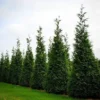
Chestnut Oak Live Plant – Quercus montana Seedling Quart Pot – USDA Zones 3-9
-50%
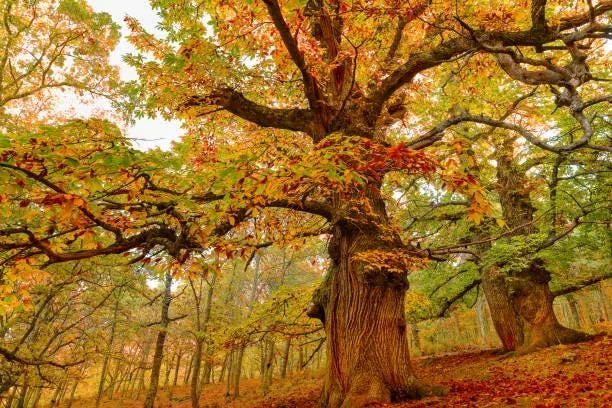
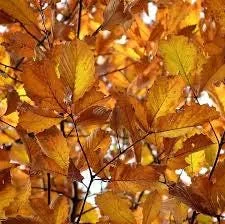
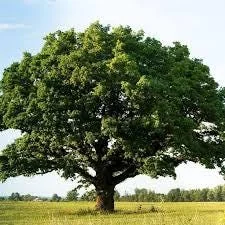
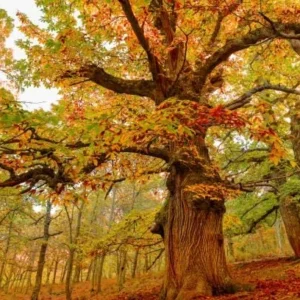
Chestnut Oak Live Plant – Quercus montana Seedling Quart Pot – USDA Zones 3-9
Cultivate a robust chestnut oak live plant (Quercus montana) with this healthy seedling in a quart pot. Known for its distinctive deeply ridged bark and impressive size, this native North American tree is ideal for creating significant shade and enhancing biodiversity in your garden. Adaptable to various conditions, it thrives in USDA Zones 3-9.
Original price was: $67.96.$33.98Current price is: $33.98.

With our Alive & Thrive Guarantee, we’ve got your back for the first 30 days! If you have any concerns about your plants, just reach out to us. Our team is here to help answer your questions and guide you in selecting the best plants for your garden, climate, and unique preferences. We're excited to help you create the garden of your dreams!
Estimated arrival
Apr 08
Apr 13 - Apr 15
Apr 18 - Apr 22
Product Details
-
USDA Hardiness Zone
USDA Zones 3-9 -
Soil type
Well-draining, acidic to neutral soil -
Sunlight Exposure
Full sun -
Expected Planting Period
Spring or Fall
Overview
Introduce the grandeur of nature to your landscape with a chestnut oak live plant. This robust seedling of Quercus montana, also known as Rock Oak or Tanbark Oak, is ready to establish itself as a prominent feature in your garden or property. The Quercus montana tree is celebrated for its impressive stature, distinctive deeply ridged, dark gray-brown bark – often considered the thickest of any eastern North American oak – and its ability to thrive in a variety of conditions, particularly dry, ridgetop exposures. This live plant offers a unique opportunity to grow a resilient and long-lived tree that will provide significant shade and aesthetic appeal for generations. Its substantial presence makes it an excellent choice for large properties, parks, or naturalized areas where its full potential can be realized.
The chestnut oak seedling will develop into a magnificent specimen, contributing significantly to local ecosystems by providing food and shelter for wildlife. Known for its distinctive leaves, which are similar in appearance to those of the chestnut tree, this oak species offers both beauty and ecological value. Planting a chestnut oak live plant is an investment in the future of your landscape, promising a majestic tree that will stand tall and proud for decades, adapting well to its environment.
Key Benefits
The chestnut oak live plant offers numerous advantages, making it a superb choice for a wide range of landscapes. Its unique characteristics provide both ecological and aesthetic value.
- Distinctive Appearance & Shade: The Quercus montana tree is easily identified by its massively-ridged, dark gray-brown bark, adding unique texture and visual interest to your landscape year-round. As it matures, it develops into a large, spreading tree, providing excellent shade during warmer months, perfect for cooling outdoor spaces.
- Ecological Value: As an important canopy species in oak-heath forests, the chestnut oak supports a diverse array of wildlife. Its acorns are a vital food source for deer, squirrels, and various bird species, contributing significantly to local biodiversity.
- Drought Tolerance & Adaptability: Originating from dry habitats and ridgetop exposures, this tree exhibits remarkable drought tolerance once established. It adapts well to various soil conditions, making it a resilient choice for challenging sites within its hardiness zones.
- Long Lifespan: Chestnut oaks are known for their longevity, often living for hundreds of years. Planting a chestnut oak seedling is an investment that will grow and flourish for generations, becoming a lasting legacy.
- Low Maintenance: Once established, the chestnut oak live plant requires minimal care, making it an ideal choice for those seeking a majestic tree without extensive upkeep. Its natural resilience helps it resist many common pests and diseases.
- Strong Wood: The wood of the chestnut oak is highly valued for its strength and durability, historically used for construction and tanning due to its high tannin content.
- Native Species: Being a native eastern North American oak, it is well-suited to the climate and ecosystems of USDA Zones 3-9, ensuring better success and integration into the local environment.
Plant Care & Growing Tips
Caring for your chestnut oak live plant is relatively straightforward, especially once it’s established. Understanding its natural habitat provides key insights into its needs. This species thrives in full sun, requiring at least 6-8 hours of direct sunlight daily to achieve its best growth and form. While young seedlings can tolerate some partial shade, mature trees prefer open, sunny locations. Proper sunlight exposure is crucial for the development of its strong root system and characteristic bark. Ensure your chosen planting site provides ample space for its mature size, which can reach 60-70 feet tall with a similar spread, and even up to 140 feet in optimal conditions.
The Quercus montana tree is highly adaptable to various soil types but prefers well-draining, acidic to neutral soil. It naturally occurs on dry ridges and slopes, indicating its preference for sites that don’t retain excessive moisture. While it can tolerate some clay, sandy or loamy soils are ideal. Good drainage is paramount to prevent root rot. Once established, it is notably drought-tolerant, but young seedlings will require regular watering during dry periods to encourage strong root development. Fertilization is generally not necessary for established trees in good soil, but a balanced slow-release fertilizer can benefit young plants in their first few years, applied in early spring. Protect young trees from deer browsing, as deer are often attracted to oak saplings. Monitoring for common oak pests and diseases is wise, though the chestnut oak seedling is generally quite robust.
The shade tree zones 3-9 designation means this oak is incredibly cold-hardy and can withstand significant temperature fluctuations. It is important to plant in the spring or fall when temperatures are moderate, allowing the root system to establish before extreme heat or cold. Mulching around the base of the tree can help retain soil moisture, regulate soil temperature, and suppress weeds, providing an ideal growing environment for your chestnut oak live plant.
Size & Details
You will receive one healthy chestnut oak live plant, a vigorous seedling, typically shipped in a quart pot. At this stage, the seedling is ready for transplanting into your garden or a larger container for further growth before permanent placement. In its natural habitat, the Quercus montana tree typically grows to an impressive 60-70 feet tall with a spread of 60-70 feet, though exceptional specimens can reach up to 131-141 feet tall. A 10-year-old sapling grown in full sun can stand around 16 feet tall, showcasing its relatively fast growth rate in good conditions. This tree is suitable for USDA Zones 3-9, indicating its wide adaptability across many climates.
The leaves are substantial, measuring 4.75–7.75 inches long and 2.25–4 inches broad, with 10-15 rounded lobes on each margin. The thick, deeply ridged, dark gray-brown bark is a key identifying feature, making this tree a standout in any landscape. This chestnut oak seedling will mature into a significant shade tree, providing a long-term benefit to your property. It is shipped as a live, actively growing plant, ready for its new home.
Frequently Asked Questions
- Q: How big will my chestnut oak live plant get? A: A mature chestnut oak live plant typically grows 60-70 feet tall and wide, though some can reach over 100 feet in optimal conditions. A 10-year-old sapling can be around 16 feet tall.
- Q: What size pot does the seedling come in? A: Your chestnut oak seedling will arrive in a quart-sized pot, ready for planting upon arrival.
- Q: Is this an indoor or outdoor plant? A: The Quercus montana tree is an outdoor tree, best suited for planting directly in the ground where it has ample space to grow and mature.
- Q: How much sunlight does the chestnut oak live plant need? A: This tree thrives in full sun, requiring at least 6-8 hours of direct sunlight per day for healthy growth.
- Q: Is this plant easy to care for? A: Yes, once established, the chestnut oak live plant is relatively low-maintenance and very resilient, especially to drought. Young plants require consistent watering until their root systems develop.
- Q: What condition will it arrive in? A: Your seedling will arrive as a healthy, actively growing live plant in its quart pot, carefully packaged to ensure safe transit.
- Q: When is the best time to plant a chestnut oak seedling? A: The best times to plant are in the spring or fall, allowing the tree to establish its root system before extreme summer heat or winter cold.
- Q: Will it survive winter in my zone? A: Yes, this shade tree zones 3-9 designation means it is very cold-hardy and will thrive in a wide range of climates across the United States.
- Q: What are the distinguishing features of a Quercus montana tree? A: It is best identified by its deeply ridged, dark gray-brown bark, which is thicker than most other eastern North American oaks, and its distinctively lobed leaves similar to a chestnut.
- Q: How does this compare to swamp chestnut oak? A: While they have similar leaves, the chestnut oak live plant typically grows on dry ridges, while swamp chestnut oak prefers wet bottomlands. The bark also differs, with chestnut oak having much thicker, ridged bark.
Related products
-10%
Original price was: $36.99.$33.29Current price is: $33.29.

PLANTING & CARE

Growing Glencoe Raspberry: A Complete Guide for Gardeners
If you’re looking to add something unique to your garden, look no further than the
31
Mar
Mar

The Comprehensive Guide to Growing Bay Leaf Plants for a Flavorful Garden
Imagine stepping into your garden, greeted by the earthy aroma of fresh bay leaves, their
09
Feb
Feb

How to Make Comfrey Tea: The Ultimate Organic Plant Food
Growing an organic garden can be surprisingly expensive, especially when most store-bought fertilizers come in
02
Feb
Feb

True Comfrey: 7 Essential Tips Before You Plant This Herb
A staple in permaculture practices across the US, True Comfrey easily earns its reputation as
27
Jan
Jan

7 Heart-Shaped Plants for a Lasting Valentine’s Gift
If you’ve ever bought a bouquet of roses for Valentine’s Day, you know they are
26
Jan
Jan

Best Types of Ivy Plant for Houses: How to Choose the Perfect Ones for Your Home
Are you a garden lover looking to introduce some greenery into your home? Maybe you’ve
14
Nov
Nov

When to Harvest Garlic (Especially Fall-Planted Garlic)
TIMING IS EVERYTHING, they say – and for garlic, that truth hits with surprising accuracy.
13
Nov
Nov

11 of the Best Sweet Potato Varieties to Grow for Your Garden
If you’ve ever tried growing sweet potatoes, you know that picking the right variety can
12
Nov
Nov