Coconut Cream Grafted Mango Live Plant – 12-18″ Tall Tropical Fruit Tree
-30%
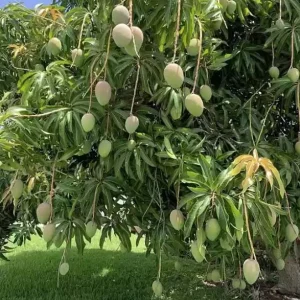
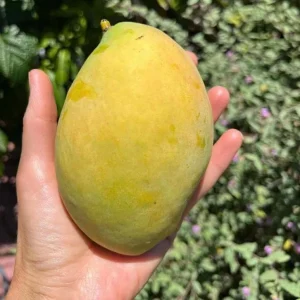
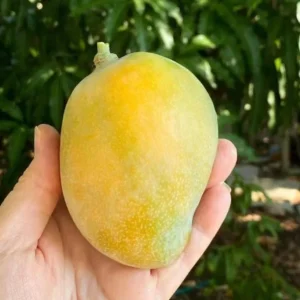
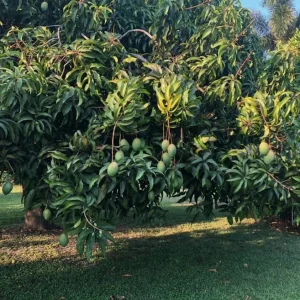
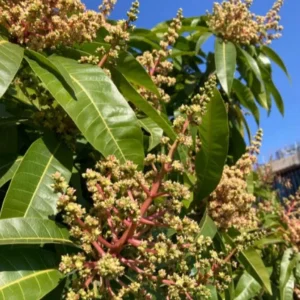
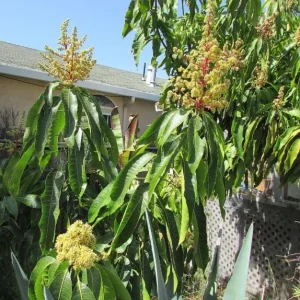
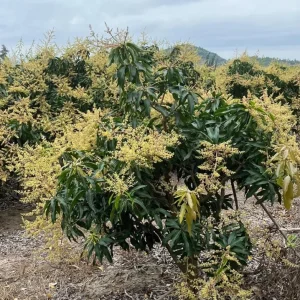
Coconut Cream Grafted Mango Live Plant – 12-18″ Tall Tropical Fruit Tree
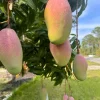
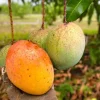
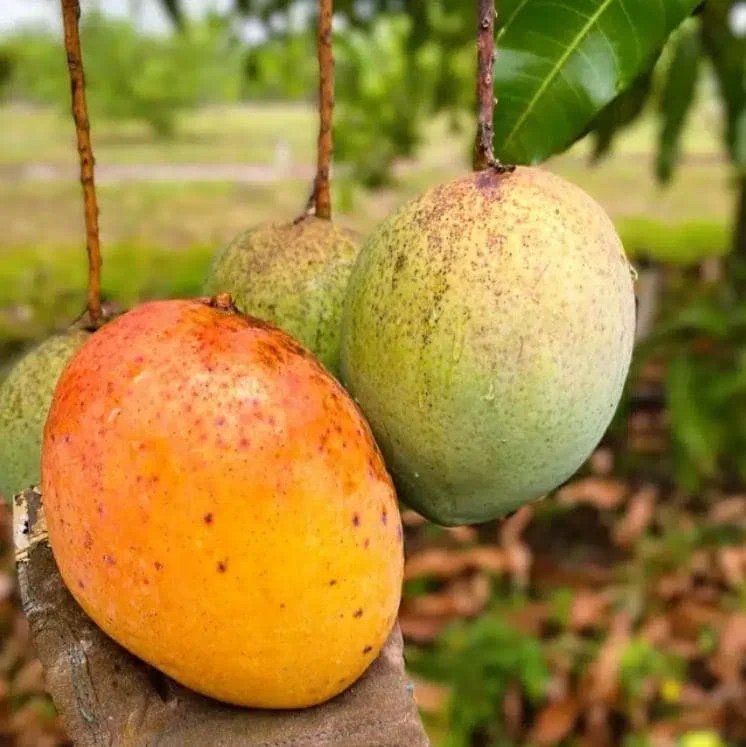
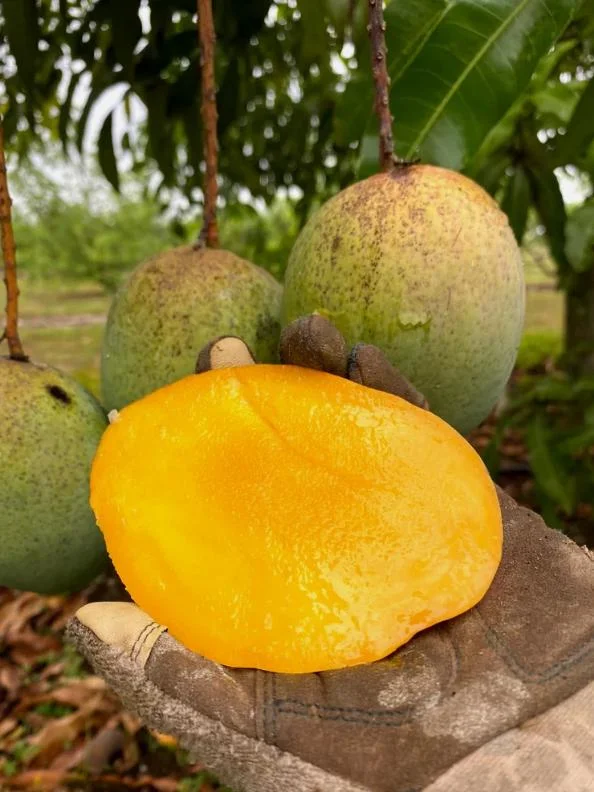
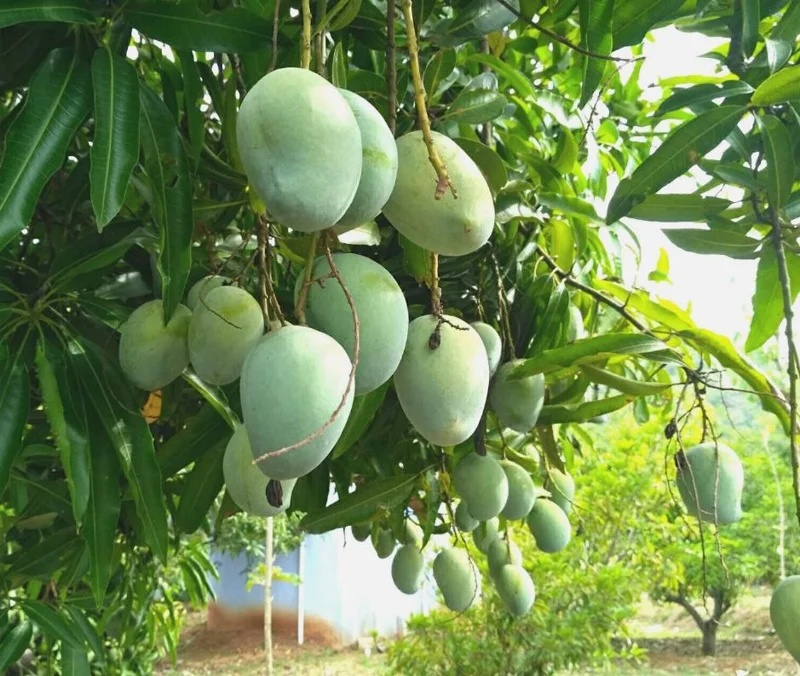
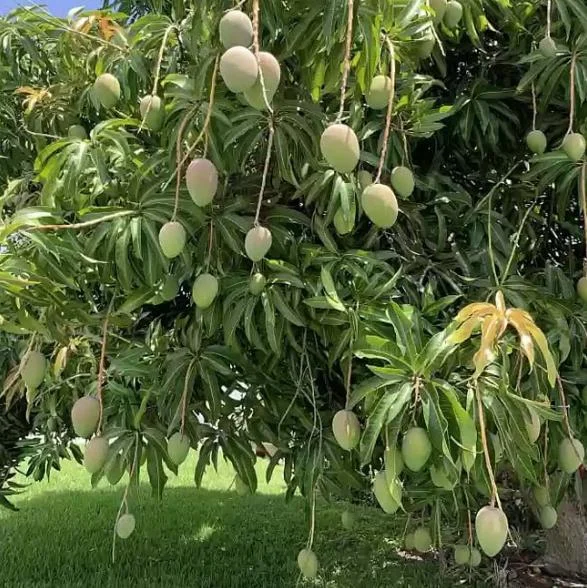
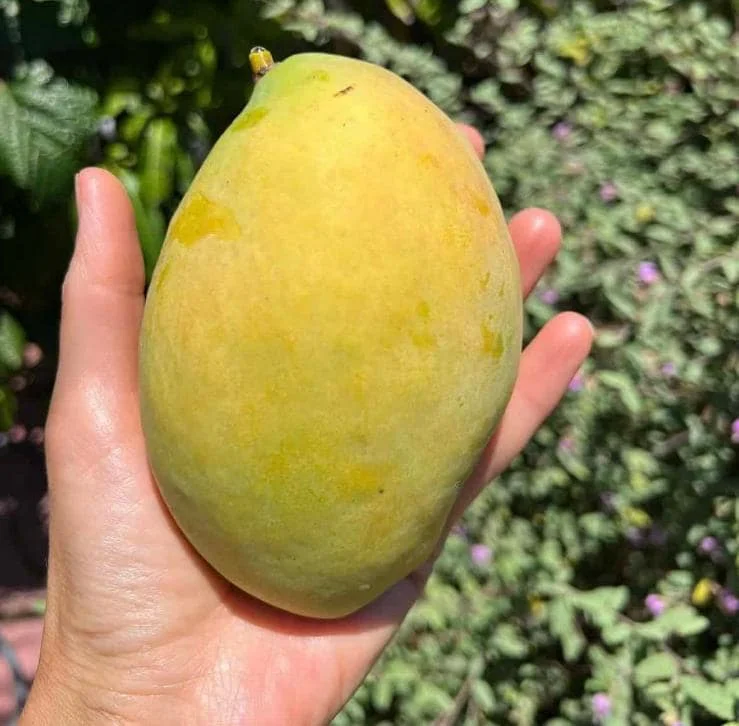
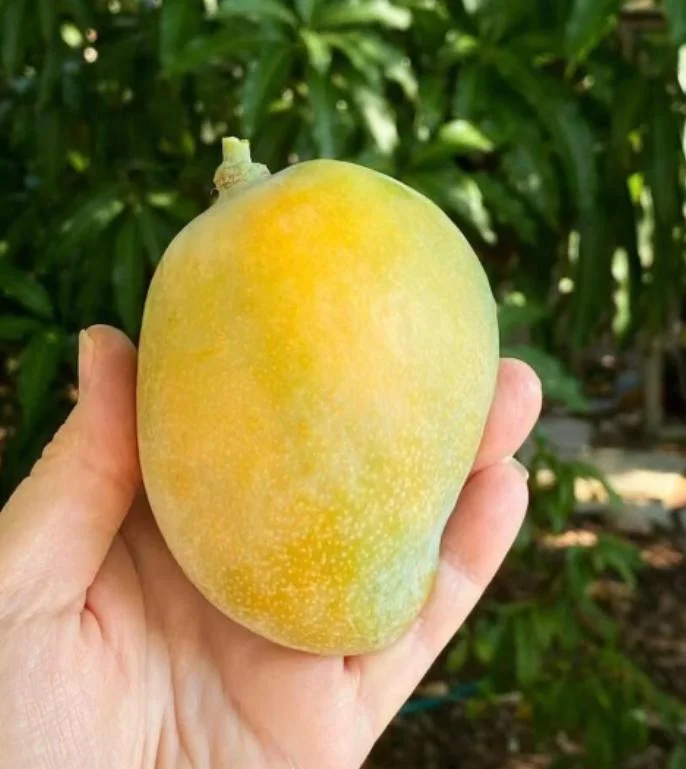
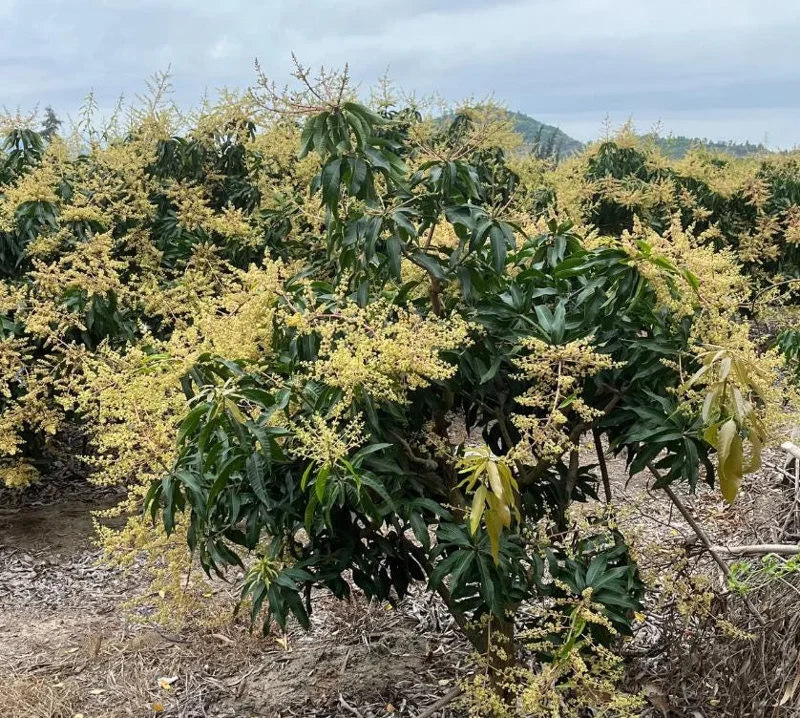
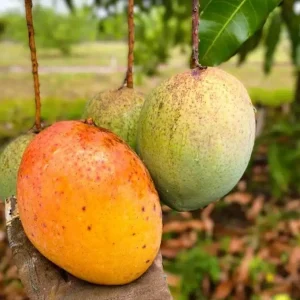
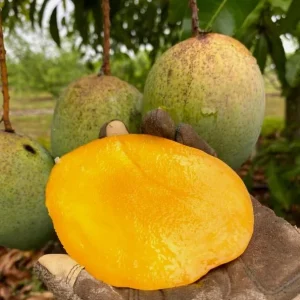
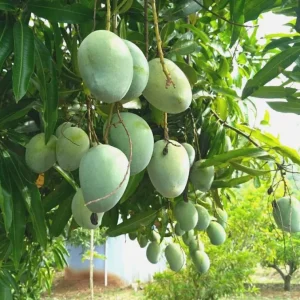
Bring the tropics home with a coconut cream mango live plant. This 12-18 inch tall grafted mango tree produces ultra-sweet, fiberless fruit with a distinctive coconut-vanilla flavor. Perfect for home orchards or patio containers in warm climates.
Original price was: $158.99.$111.29Current price is: $111.29.

With our Alive & Thrive Guarantee, we’ve got your back for the first 30 days! If you have any concerns about your plants, just reach out to us. Our team is here to help answer your questions and guide you in selecting the best plants for your garden, climate, and unique preferences. We're excited to help you create the garden of your dreams!
Estimated arrival
Mar 31
Apr 05 - Apr 07
Apr 10 - Apr 14

Product Details
-
USDA Hardiness Zone
USDA zones 9–11 -
Soil type
Well-draining sandy loam with organic matter -
Sunlight Exposure
Full sun (6-8+ hours daily) -
Expected Planting Period
Spring or early summer (outdoors), year-round (containers)
Overview
Discover the exquisite taste of the tropics with your very own coconut cream mango live plant. This highly sought-after variety of Mangifera indica is renowned for its premium quality fruit, boasting an exceptionally rich, creamy texture and a unique coconut-vanilla flavor profile. Considered a gourmet mango, the Coconut Cream produces smooth, fiberless fruit that is a true delight for any fruit enthusiast. As a grafted mango tree, this plant offers significant advantages over seed-grown counterparts, including earlier fruiting, predictable fruit quality, and true-to-type characteristics. Cultivating this beautiful tropical evergreen fruit tree allows you to enjoy fresh, delicious mangoes right from your garden or patio.
Whether you’re an experienced gardener or looking to expand your home orchard, this mangifera indica plant is an excellent choice. It’s a relatively compact tree when grown in containers, making it suitable for various settings. The allure of harvesting your own gourmet mangoes is undeniable, and with proper care, this plant will reward you season after season. Experience the joy of growing mangoes that are not only delicious but also a conversation starter.
Key Benefits
Cultivating a coconut cream mango live plant offers a multitude of benefits, from the sheer pleasure of fresh fruit to the aesthetic appeal of a tropical tree. This particular variety stands out for several compelling reasons:
- Early and Reliable Fruiting: As a grafted specimen, your grafted mango tree will begin producing fruit much sooner than a plant grown from seed, often within 2-3 years. This means you won’t have to wait long to enjoy your harvest.
- Consistent Fruit Quality: Grafting ensures that the fruit produced will be identical in flavor, size, and quality to the parent tree, guaranteeing the rich, creamy, and fiberless characteristics expected from Coconut Cream mangoes.
- Exceptional Flavor Profile: The distinctive coconut-vanilla flavor sets this mango apart, offering a gourmet experience unmatched by common varieties. It’s truly a treat for the palate.
- Stronger Growth Habit: Grafted trees often exhibit more vigorous and reliable growth, leading to a healthier and more productive plant. This robustness contributes to the overall success of growing mangoes.
- Versatile Growing Options: While ideal for outdoor planting in USDA zones 9-11, this tropical fruit tree adapts well to container living, allowing gardeners in cooler climates to enjoy it by moving it indoors during colder months.
- Aesthetic Appeal: Beyond its delicious fruit, the Coconut Cream mango tree is an attractive evergreen plant, adding a lush, tropical ambiance to any garden, patio, or indoor space.
- Home Orchard Enhancement: Adding this premium variety enhances any home orchard, providing a unique and highly desirable fruit that is often sought after in specialty markets.
Plant Care & Growing Tips
Caring for your coconut cream mango live plant is a rewarding experience, leading to bountiful harvests of delicious fruit. Understanding its specific needs will ensure a healthy and productive grafted mango tree. This tropical beauty thrives in warm conditions and requires attention to light, water, and soil.
Sunlight: This mangifera indica plant requires full sun exposure, meaning at least 6-8 hours of direct sunlight daily for vigorous growth and optimal fruit production. If growing indoors, place it near a south-facing window or supplement with a grow light to ensure it receives adequate light. Rotate the plant regularly to ensure even growth. Watering: Water deeply after planting and maintain consistent moisture during the first growing season to help establish a strong root system. Once established, mango trees are moderately drought-tolerant, but regular watering is still beneficial, especially during fruiting. Allow the top few inches of soil to dry out between waterings to prevent root rot. Avoid overwatering, which is a common cause of issues for tropical plants.
Soil: The Coconut Cream mango thrives in well-draining soil. An ideal mix is sandy loam enriched with organic matter, providing both nutrients and good aeration. The preferred pH range is slightly acidic to neutral, between 5.5 and 7.5. Avoid heavy clay soils or areas prone to waterlogging. Climate & Hardiness: Best grown outdoors in USDA zones 9-11. In cooler climates, grow in containers and move indoors when temperatures drop below 40°F (4°C) to protect from frost. Fertilization: Feed with a balanced, slow-release fertilizer specifically formulated for fruit trees. Fertilize lightly every 6-8 weeks during the active growing season (spring and summer). Avoid over-fertilizing young trees. Pruning: Minimal pruning is required. Lightly prune to shape the tree and encourage branching after harvest or during periods of active growth. This helps maintain a desirable size and promotes air circulation within the canopy, which is important for healthy fruit development.
Size & Details
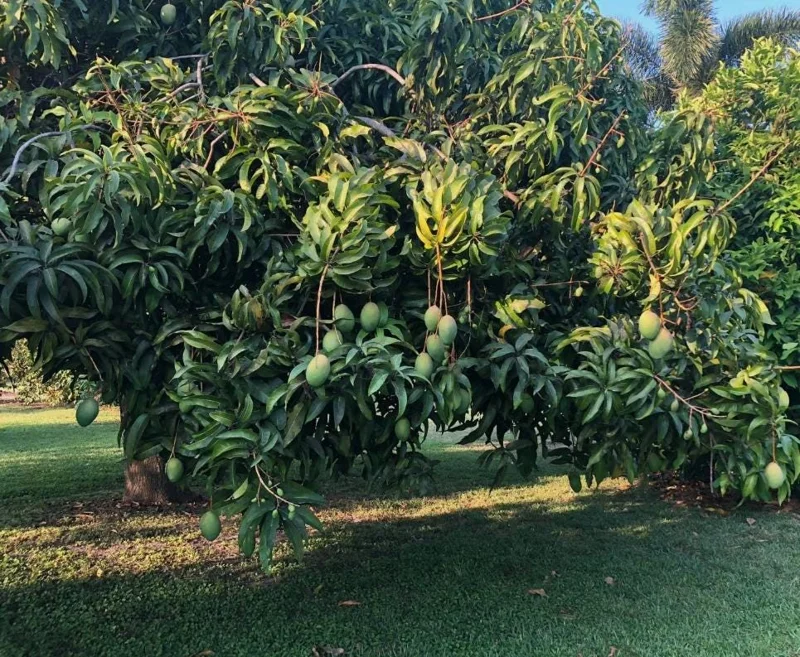
This coconut cream mango live plant is a starter plant, typically measuring 12-18 inches tall at the time of shipment. It is a grafted specimen, ensuring genetic fidelity and earlier fruit production compared to seed-grown plants. As a tropical evergreen fruit tree, it maintains its foliage year-round in appropriate climates. This plant is propagated through grafting, which means a scion of the desired Coconut Cream variety is attached to a hardy rootstock, providing a robust foundation for growth. It is suitable for planting in home orchards, premium fruit gardens, and is also an excellent choice for patio containers, especially for those interested in growing mangoes in cooler regions where it can be moved indoors during winter.
The plant will arrive ready to be transplanted into a larger pot or directly into the ground, depending on your climate zone and growing preferences. While the initial size is 12-18 inches, with proper care, this tropical fruit tree will grow to a significant size, producing abundant, delicious fruit. The growth rate is moderate, and mature size will depend on whether it’s grown in a container or in the ground, and how it’s pruned.
Frequently Asked Questions
- Q: How big does this coconut cream mango live plant get? A: When grown in the ground in ideal conditions, a mature Coconut Cream mango tree can reach heights of 15-20 feet. In containers, its size can be managed through pruning, typically staying between 6-10 feet tall, making it suitable for patios.
- Q: Is this an indoor or outdoor plant? A: This grafted mango tree is best grown outdoors in USDA zones 9-11. In cooler climates, it can be grown in a container and moved indoors to a sunny location during colder months to protect it from frost.
- Q: How much sunlight does it need? A: A Coconut Cream mango tree requires full sun, meaning at least 6-8 hours of direct sunlight per day, to thrive and produce fruit. Insufficient light can lead to poor growth and reduced fruiting.
- Q: Is this plant easy to care for? A: While growing mangoes requires specific conditions, this grafted plant is relatively easy to care for once established. Consistent watering, adequate sunlight, and proper soil are key. It’s considered moderately easy for gardeners with some experience.
- Q: What condition will the plant arrive in? A: The plant will arrive as a live, healthy starter plant, typically 12-18 inches tall, ready for planting. Some minor leaf yellowing or drop during transit is normal and the plant will recover with proper care.
- Q: Can I grow this tropical fruit tree in a pot? A: Yes, this mango tree is well-suited for container growing, especially in regions outside its ideal hardiness zones. Choose a large pot with good drainage and be prepared to move it indoors during cold weather.
- Q: How long until it starts producing fruit? A: As a grafted plant, your Coconut Cream mango tree can start producing fruit within 2-3 years, much faster than a seed-grown mango which can take 5-8 years or more.
- Q: What type of soil is best for this mangifera indica plant? A: Well-draining soil is crucial. A sandy loam mix enriched with organic matter, with a pH between 5.5 and 7.5, is ideal. Avoid heavy clay or waterlogged conditions.
- Q: Will it survive winter in my zone if I live outside USDA zones 9-11? A: If you live outside USDA zones 9-11, you must protect your mango tree from frost. This typically involves growing it in a container and bringing it indoors when temperatures fall below 40°F (4°C).
- Q: How often should I fertilize this tropical fruit tree? A: During the growing season (spring and summer), fertilize lightly every 6-8 weeks with a balanced slow-release fertilizer designed for fruit trees. Reduce or stop fertilizing in fall and winter.
Related products
-50%
Original price was: $73.98.$36.99Current price is: $36.99.
-20%
Original price was: $36.00.$28.80Current price is: $28.80.
-10%
Original price was: $80.99.$72.89Current price is: $72.89.
PLANTING & CARE

The Comprehensive Guide to Growing Bay Leaf Plants for a Flavorful Garden
Imagine stepping into your garden, greeted by the earthy aroma of fresh bay leaves, their
09
Feb
Feb

How to Make Comfrey Tea: The Ultimate Organic Plant Food
Growing an organic garden can be surprisingly expensive, especially when most store-bought fertilizers come in
02
Feb
Feb

True Comfrey: 7 Essential Tips Before You Plant This Herb
A staple in permaculture practices across the US, True Comfrey easily earns its reputation as
27
Jan
Jan

7 Heart-Shaped Plants for a Lasting Valentine’s Gift
If you’ve ever bought a bouquet of roses for Valentine’s Day, you know they are
26
Jan
Jan

Best Types of Ivy Plant for Houses: How to Choose the Perfect Ones for Your Home
Are you a garden lover looking to introduce some greenery into your home? Maybe you’ve
14
Nov
Nov

When to Harvest Garlic (Especially Fall-Planted Garlic)
TIMING IS EVERYTHING, they say – and for garlic, that truth hits with surprising accuracy.
13
Nov
Nov

11 of the Best Sweet Potato Varieties to Grow for Your Garden
If you’ve ever tried growing sweet potatoes, you know that picking the right variety can
12
Nov
Nov
Pruning Bougainvillea for Winter
Bougainvillea vines are known for their dazzling display of magenta, orange, and fuchsia bracts that
05
Nov
Nov