Creeping Thyme Live Plant – Low Growing Ground Cover Herb – 4 inch Diameter
Creeping Thyme Live Plant – Low Growing Ground Cover Herb – 4 inch Diameter
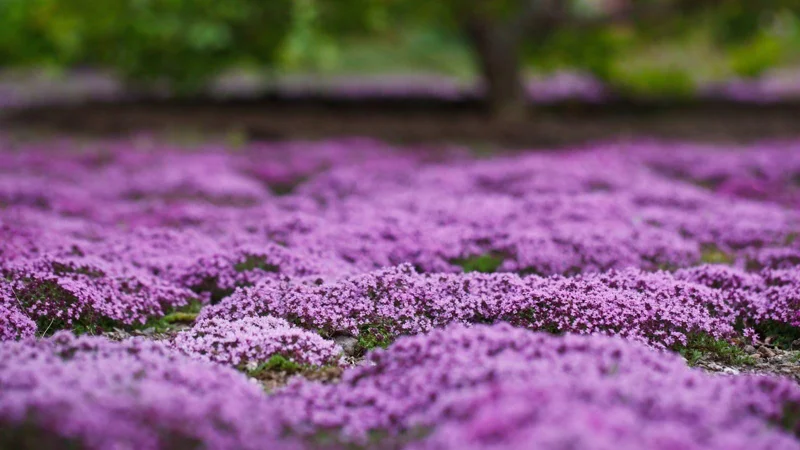
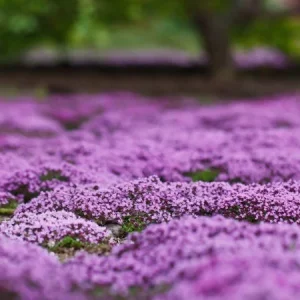
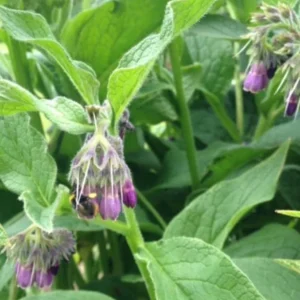
Enhance your garden with a beautiful creeping thyme live plant. This low-growing, aromatic herb features small leaves and lovely lilac to purple flowers, ideal for ground cover or rock gardens. It’s an excellent, low-maintenance choice for adding fragrance and beauty to your landscape.
$31.98

With our Alive & Thrive Guarantee, we’ve got your back for the first 30 days! If you have any concerns about your plants, just reach out to us. Our team is here to help answer your questions and guide you in selecting the best plants for your garden, climate, and unique preferences. We're excited to help you create the garden of your dreams!
Estimated arrival
Aug 16
Aug 21 - Aug 23
Aug 26 - Aug 30
Product Details
-
USDA Hardiness Zone
USDA zones 4-9 -
Soil type
Well-draining, sandy or gravelly soil -
Sunlight Exposure
Full sun to partial shade -
Expected Planting Period
Spring to early summer
Overview
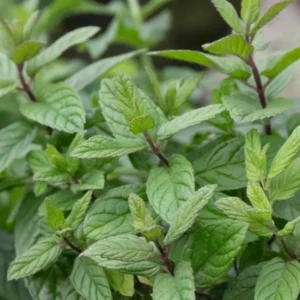
Transform your garden with the charming and versatile creeping thyme live plant. Known for its dense, mat-forming growth habit, this herbaceous perennial is a popular choice for ground cover, rock gardens, and filling in pathways. Its tiny, aromatic leaves release a delightful fragrance when walked upon, making it a wonderful lawn alternative or a fragrant addition to your herb garden. The plant produces a profusion of delicate lilac to purple flowers, creating a vibrant carpet of color throughout the summer months. Easy to grow and maintain, creeping thyme live plant offers both aesthetic appeal and practical benefits for a wide range of landscape designs. These seedlings are ready to be planted directly into your garden beds or containers, providing an instant touch of natural beauty and aroma.
Key Benefits
The creeping thyme live plant offers a multitude of advantages for any gardener, from its visual appeal to its practical uses. Here are some of the key benefits you can expect:
- Excellent Ground Cover: Forms a dense, low-growing mat that suppresses weeds and prevents soil erosion, making it an ideal choice for covering bare patches of ground or slopes.
- Beautiful Floral Display: Adorns your garden with a stunning carpet of lilac to purple flowers during the summer, attracting beneficial pollinators like bees and butterflies.
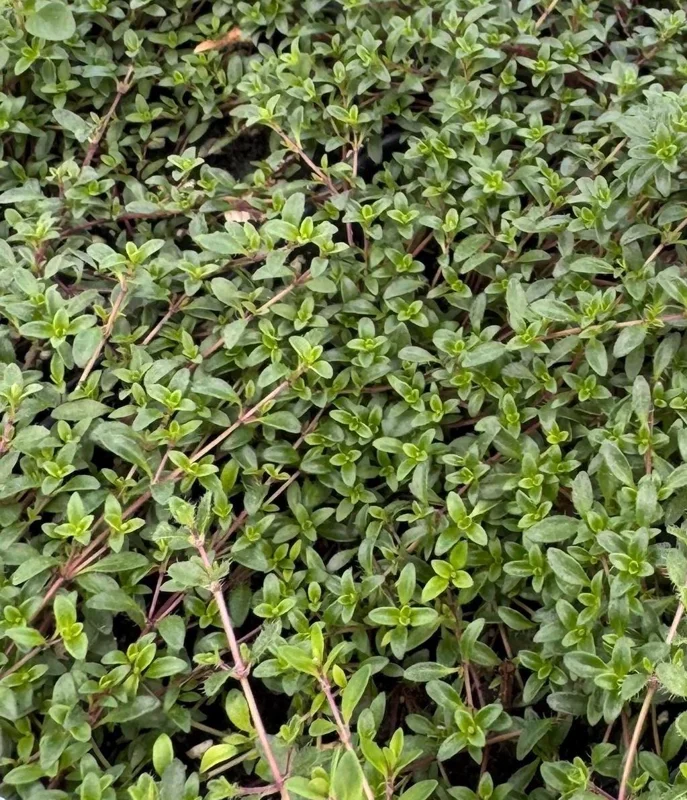
- Fragrant Foliage: The small, aromatic leaves release a pleasant, herbal scent when brushed against or walked upon, enhancing the sensory experience of your garden space.
- Low Maintenance: Once established, creeping thyme live plant is highly drought-tolerant and requires minimal care, making it perfect for busy gardeners or those seeking an easy-to-manage landscape solution.
- Versatile Use: Can be used in rock gardens, between stepping stones, as a lawn substitute, or in containers, adapting beautifully to various garden styles and settings.
- Deer Resistant: Generally not favored by deer, offering a natural deterrent to protect your garden from browsing.
- Edible Herb: While primarily grown for ornamental purposes, the leaves can also be used sparingly in culinary applications, adding a subtle herbal note to dishes.
Plant Care & Growing Tips
Caring for your creeping thyme live plant is relatively straightforward, making it an excellent choice for both novice and experienced gardeners. This hardy perennial thrives in conditions that mimic its native Mediterranean habitat. For optimal growth, provide a location with full sun exposure, meaning at least 6 hours of direct sunlight per day. While it can tolerate some partial shade, especially in hotter climates, full sun encourages the densest growth and most abundant flowering. When considering how to grow creeping thyme, well-draining soil is paramount. It prefers sandy or gravelly soils and does not tolerate soggy conditions, which can lead to root rot. If your soil is heavy clay, amend it with organic matter and sand to improve drainage.
Watering should be consistent but moderate during the establishment phase. Once mature, creeping thyme live plant is drought-tolerant and will only need watering during prolonged dry spells. Overwatering is a common mistake, so always allow the soil to dry out completely between waterings. This plant is hardy in USDA zones 4-9, tolerating a wide range of temperatures. Fertilization is rarely necessary; creeping thyme thrives in lean soils. If growth appears sluggish, a light application of a balanced, slow-release fertilizer in spring can be beneficial. Pruning is minimal; a light trim after flowering can help maintain a neat appearance and encourage denser growth. Watch out for common pests like spider mites or mealybugs, though they are generally not a major issue. Proper spacing and good air circulation will also help prevent fungal diseases. Understanding creeping thyme care ensures a healthy and flourishing ground cover.
Size & Details
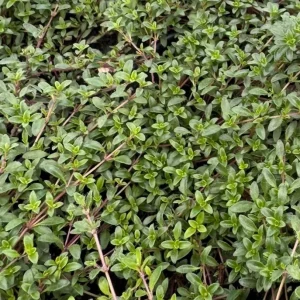
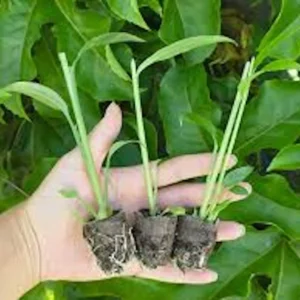
Each order includes creeping thyme live plant seedlings, ready for immediate planting. These seedlings typically arrive from a 4-inch diameter area, providing a good starting point for establishing your ground cover. Creeping thyme is a low-growing plant, generally reaching a height of only 2-4 inches, but it spreads vigorously to form a dense mat, often carpeting areas up to 1-2 feet wide per plant over time. Its growth rate is moderate to fast, allowing it to establish itself relatively quickly. The small, oval leaves are typically green, and the plant produces delicate lilac to purple flowers, which cover the foliage during its blooming period, typically in late spring to early summer. These robust seedlings are shipped in a condition suitable for transplanting, ensuring a smooth transition into your garden or container.
Frequently Asked Questions
- Q: How big does this plant get? A: Creeping thyme live plant is a low-growing perennial, typically reaching a height of only 2-4 inches. However, it spreads horizontally, forming a dense mat that can cover an area of 1-2 feet per plant.
- Q: Is this an indoor or outdoor plant? A: Creeping thyme is primarily an outdoor plant, ideal for ground cover, rock gardens, and pathways. While it can be grown in pots, it generally thrives best outdoors in full sun.
- Q: How much sunlight does it need? A: This plant requires full sun to partial shade. For the best growth and flowering, aim for at least 6 hours of direct sunlight per day. Adequate sunlight is key for vibrant purple creeping thyme blooms.
- Q: Is this plant easy to care for? A: Yes, creeping thyme live plant is known for being very easy to care for. It’s drought-tolerant once established and requires minimal maintenance, making it suitable for beginner gardeners. For detailed information on creeping thyme care, refer to our care section.
- Q: What condition will it arrive in? A: Your creeping thyme seedlings will arrive healthy and ready for planting, typically from a 4-inch diameter area. We take great care in packaging to ensure they reach you in excellent condition.
- Q: How long until it blooms? A: Creeping thyme typically blooms in late spring to early summer. With proper care and sufficient sunlight, you can expect to see its beautiful lilac to purple flowers during this period.
- Q: Can I use it as a lawn alternative? A: Absolutely! Its low-growing, mat-forming habit and ability to withstand light foot traffic make it an excellent, fragrant, and low-maintenance alternative to traditional lawns. This is a common use for creeping thyme ground cover.
- Q: Will it survive winter in my zone? A: Creeping thyme is very hardy and can survive winters in USDA Zones 4-9. In colder zones, it will go dormant and return in the spring.
- Q: What type of soil does it prefer? A: It thrives in well-draining soil, preferably sandy or gravelly. Avoid heavy clay soils that retain too much moisture, as this can lead to root rot.
- Q: Is it pet-safe? A: Creeping thyme is generally considered non-toxic to pets, making it a safe choice for gardens where pets might roam.
Related products
-37%
Original price was: $15.96.$9.98Current price is: $9.98.
-50%
Original price was: $27.96.$13.98Current price is: $13.98.
-30%
Original price was: $59.98.$41.98Current price is: $41.98.
-67%
Original price was: $39.72.$13.24Current price is: $13.24.
-67%
From Original price was: $35.22.$11.74Current price is: $11.74.
-49%
Original price was: $60.99.$30.99Current price is: $30.99.
-50%
Original price was: $53.98.$26.99Current price is: $26.99.
-10%
Original price was: $23.99.$21.59Current price is: $21.59.
PLANTING & CARE
How to Grow Persian Silk Trees Easily in Your Garden
If you’re looking for a tree that brings a soft, tropical feel to your garden,
04
Aug
Aug
How to Grow Blue Java Banana Trees: A Beginner’s Guide
Have you ever heard of the Blue Java banana tree? If not, you’re in for
28
Jun
Jun
5 Common Blue Java Banana Tree Problems and How to Fix Them
Have you ever looked at your Blue Java banana tree (aka “ice cream banana”) and
19
Jun
Jun
Top 10 Plants for Father’s Day to Honor Dad This Father’s Day
Father’s Day is a special time to show your dad just how much he means
19
Jun
Jun
The Comprehensive Guide to Growing Bougainvillea for Colorful Blooms
Have you ever wanted your garden to be filled with brilliant color and tropical energy
19
Jun
Jun
How to Successfully Plant Bare Root Strawberries in Containers
Have you ever wondered about planting strawberries in containers, but aren’t sure where to begin?
11
Jun
Jun
Top 5 Easiest Ornamental Trees to Grow for Beginners
Ever feel overwhelmed by the idea of planting a tree in your yard? You’re not
11
Jun
Jun
Growing Glencoe Raspberry: A Complete Guide for Gardeners
If you’re looking to add something unique to your garden, look no further than the
31
Mar
Mar