Live Red Creeping Thyme Plant – Ground Cover Herb – Fragrant Perennial
Live Red Creeping Thyme Plant – Ground Cover Herb – Fragrant Perennial
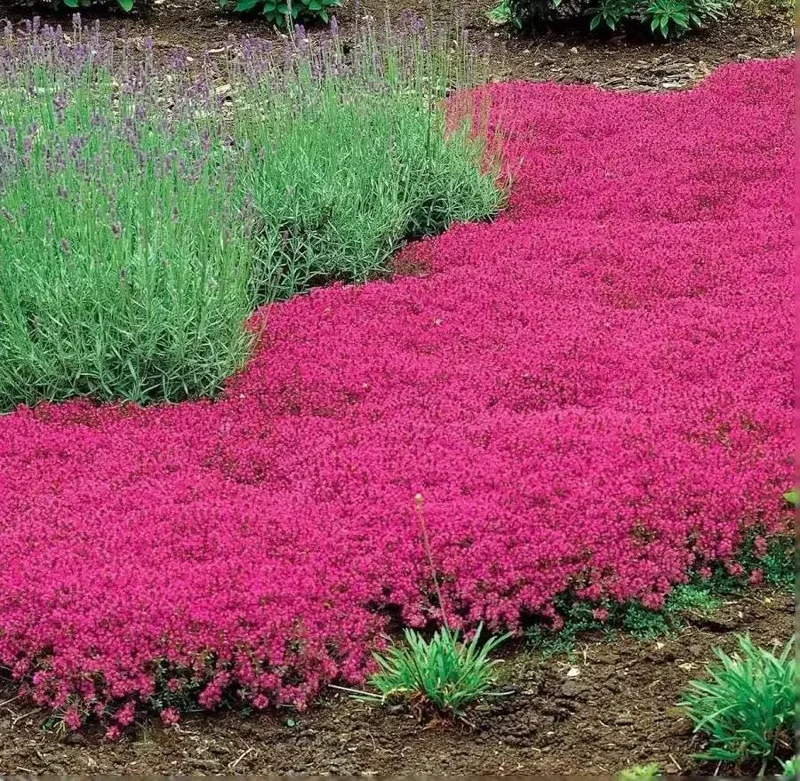
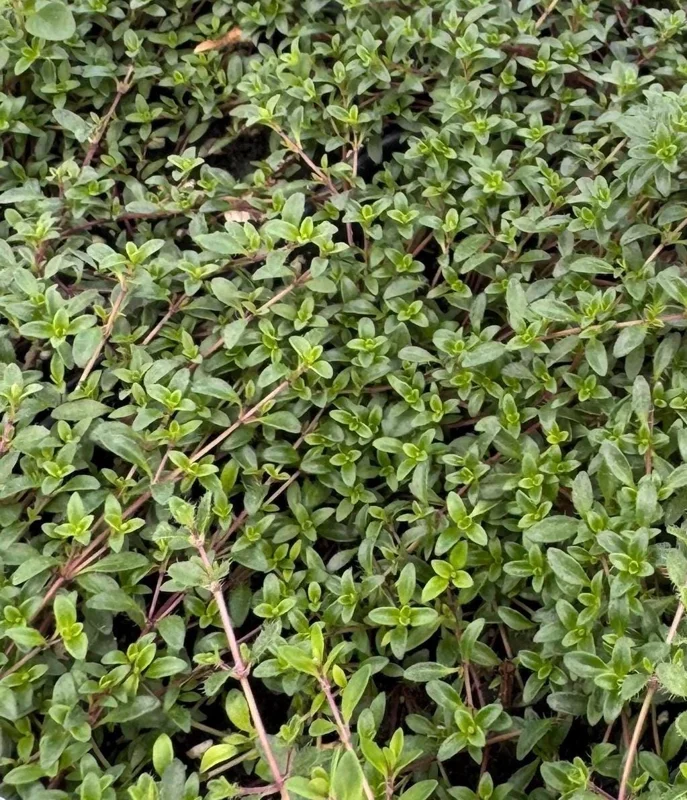
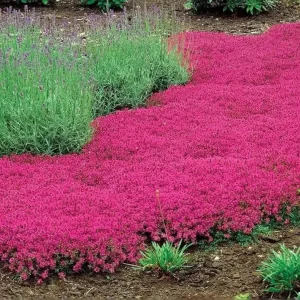
Transform your garden with a red creeping thyme live plant. This low-growing, carpeting herb features small leaves and beautiful lilac to purple flowers, offering an aromatic ground cover or a charming grass alternative. Perfect for sunny spots.
$31.98

With our Alive & Thrive Guarantee, we’ve got your back for the first 30 days! If you have any concerns about your plants, just reach out to us. Our team is here to help answer your questions and guide you in selecting the best plants for your garden, climate, and unique preferences. We're excited to help you create the garden of your dreams!
Estimated arrival
Aug 16
Aug 21 - Aug 23
Aug 26 - Aug 30
Product Details
-
USDA Hardiness Zone
USDA zones 4-9 -
Soil type
Well-draining, sandy, or gritty soil -
Sunlight Exposure
Full sun (6-8 hours direct sunlight) -
Expected Planting Period
Spring to early summer
Overview
Introduce the beauty and fragrance of a red creeping thyme live plant to your outdoor spaces. This delightful perennial, scientifically known as Thymus serpyllum ‘Coccineus’, is celebrated for its vigorous, low-growing habit and vibrant display of small, aromatic leaves that are eventually covered in a profusion of lilac to purple flowers. Ideal for filling in gaps between stepping stones, cascading over rock walls, or creating a lush, fragrant carpet, creeping thyme ground cover offers both visual appeal and a pleasant scent when walked upon. It’s an excellent choice for gardeners seeking an attractive, low-maintenance solution for ground cover or even as an alternative to traditional lawn grass in smaller areas. Our plants arrive as healthy seedlings, ready to be planted directly into your garden or a decorative pot, ensuring a quick start to your gardening project.
The charm of red creeping thyme live plant extends beyond its aesthetic qualities. Its resilience and adaptability make it a favorite among both novice and experienced gardeners. It thrives in various conditions, forming a dense mat that suppresses weeds and provides a natural, soft texture to landscapes. Whether you’re looking to enhance a rock garden, define a pathway, or create a pollinator-friendly space, this versatile herb is a superb addition. Experience the joy of cultivating a plant that not only looks beautiful but also contributes to a thriving ecosystem.
Key Benefits
Integrating red creeping thyme live plant into your garden brings a multitude of advantages, enhancing both the beauty and functionality of your outdoor living spaces. Its robust nature and charming appearance make it a standout choice for various landscaping needs:
- Beautiful Ground Cover: Forms a dense, carpeting mat that quickly covers bare soil, providing an attractive green backdrop throughout the growing season and erupting in a spectacular display of lilac to purple flowers in summer. This makes it an ideal creeping thyme ground cover solution.
- Aromatic Foliage: The small leaves release a delightful, herbaceous fragrance when brushed against or walked upon, adding an immersive sensory experience to your garden. This characteristic makes it a wonderful fragrant thyme plant.
- Low Maintenance: Once established, red creeping thyme is remarkably drought-tolerant and requires minimal care, making it perfect for busy gardeners or those seeking low-effort landscaping options.
- Weed Suppression: Its dense growth habit effectively smothers weeds, reducing the need for constant weeding and helping to maintain a tidy garden.
- Pollinator Friendly: The abundant flowers attract beneficial pollinators like bees and butterflies, contributing to a healthy garden ecosystem.
- Erosion Control: Its spreading root system helps to stabilize soil on slopes and embankments, preventing erosion.
- Versatile Use: Excellent for rock gardens, between pavers, along pathways, as a lawn alternative, or in containers, offering endless design possibilities.
Plant Care & Growing Tips
Caring for your red creeping thyme live plant is straightforward, making it an excellent choice for gardeners of all skill levels. To ensure vigorous growth and abundant blooms, proper attention to its basic needs is key. This resilient plant thrives with minimal fuss once established, but a good start will set it up for long-term success. Understanding its preferences for sunlight, water, and soil will help you maintain a healthy and vibrant display.
Sunlight requirements: Red creeping thyme flourishes in full sun, meaning it needs at least 6-8 hours of direct sunlight per day. While it can tolerate some partial shade, especially in hotter climates, too much shade will result in leggy growth and fewer flowers. For optimal growth and the most vibrant bloom, choose a sunny location in your garden. Watering schedule: This plant is drought-tolerant once established. Water regularly after planting to help it get rooted, keeping the soil consistently moist but not waterlogged. Once mature, allow the soil to dry out completely between waterings. Overwatering is a common mistake and can lead to root rot. Soil type and drainage: Well-draining soil is crucial for creeping thyme ground cover. It prefers sandy or gritty soil with a neutral to slightly alkaline pH. Avoid heavy clay soils that retain too much moisture. If your soil is heavy, amend it with sand or perlite to improve drainage. Temperature range and USDA hardiness zone: Red creeping thyme is generally hardy in USDA zones 4-9. It can withstand cold winters and hot summers within this range. In colder zones, it may benefit from a layer of mulch for winter protection. Fertilization schedule: This plant is not a heavy feeder and generally does not require much fertilization. If your soil is poor, a light application of a balanced, slow-release granular fertilizer in early spring can be beneficial. Avoid over-fertilizing, as this can lead to lush foliage but fewer flowers. For ongoing health and vigor, consistent red creeping thyme care ensures a beautiful garden display.
Size & Details
Our red creeping thyme live plant typically arrives as healthy seedlings, ready for immediate planting. These young plants are carefully cultivated to ensure they establish quickly in their new environment. Creeping thyme is known for its low-growing, spreading habit, forming a dense mat that generally reaches a height of 2-4 inches, with an indefinite spread as it carpets the ground. The mature width can vary significantly depending on growing conditions and space available, often spreading several feet wide over time. These plants are ideal for creating a seamless, green carpet effect in various garden settings. They are shipped in a manner that protects their delicate root systems, ensuring they arrive in optimal condition for transplanting.
This species exhibits a moderate growth rate, quickly filling in spaces over one to two growing seasons. While individual plant size at shipment may vary, each seedling is robust and prepared to thrive. Expect flowers to appear from late spring through summer, providing a vibrant purple-red hue to your landscape. The exact pot size at shipment is typically small, designed for easy handling and planting, allowing the plant to acclimate to your garden soil. The goal is to provide a strong foundation for your future creeping thyme ground cover. For those interested in a low growing herbs option, this plant certainly fits the bill.
Frequently Asked Questions
- Q: How big does this red creeping thyme live plant get? A: This low-growing plant typically reaches a height of 2-4 inches (5-10 cm) and can spread indefinitely, forming a dense mat. Its width depends on the space provided and growing conditions.
- Q: Is this an indoor or outdoor plant? A: Red creeping thyme is primarily an outdoor plant, thriving in full sun and well-draining soil. While it can be grown in containers, it’s best suited for garden beds, rock gardens, and pathways.
- Q: How much sunlight does it need? A: For optimal growth and flowering, this plant requires at least 6-8 hours of direct sunlight per day. It can tolerate partial shade, but may become leggy and produce fewer blooms.
- Q: Is this plant easy to care for? A: Yes, red creeping thyme is considered very easy to care for. It’s drought-tolerant once established and requires minimal maintenance, making it a great choice for beginners and busy gardeners. This makes red creeping thyme care relatively simple.
- Q: What condition will it arrive in? A: Your plants will arrive as healthy seedlings, carefully packaged to protect them during transit. They will be ready to be planted directly into your garden or a pot upon arrival.
- Q: When is the best time to plant red creeping thyme? A: The best time to plant is in spring after the last frost, or in early fall in milder climates. This allows the plant to establish its root system before extreme temperatures.
- Q: Will it survive winter in my zone? A: Red creeping thyme is hardy in USDA zones 4-9. It is quite resilient and can generally survive cold winters within these zones, often going dormant and returning in spring.
- Q: Can I use fragrant thyme plant in cooking? A: While many thymes are culinary, Thymus serpyllum varieties like creeping thyme are primarily grown for their ornamental value and fragrance rather than for cooking. For culinary use, consider varieties like common thyme (Thymus vulgaris).
- Q: Is it good for beginners? A: Absolutely! Its low maintenance requirements, drought tolerance, and adaptability make it an excellent choice for beginner gardeners looking for an attractive ground cover or low growing herbs.
- Q: What type of soil does it prefer? A: It thrives in well-draining, sandy, or gritty soil with a neutral to slightly alkaline pH. Good drainage is essential to prevent root rot.
Related products
-10%
Original price was: $11.99.$10.79Current price is: $10.79.
-48%
Original price was: $39.99.$20.99Current price is: $20.99.
-30%
Original price was: $59.98.$41.98Current price is: $41.98.
-10%
Original price was: $23.99.$21.59Current price is: $21.59.
-30%
Original price was: $59.98.$41.98Current price is: $41.98.
-67%
Original price was: $75.72.$25.24Current price is: $25.24.
-30%
Original price was: $57.98.$40.58Current price is: $40.58.
-37%
Original price was: $15.96.$9.98Current price is: $9.98.
PLANTING & CARE
How to Grow Persian Silk Trees Easily in Your Garden
If you’re looking for a tree that brings a soft, tropical feel to your garden,
04
Aug
Aug
How to Grow Blue Java Banana Trees: A Beginner’s Guide
Have you ever heard of the Blue Java banana tree? If not, you’re in for
28
Jun
Jun
5 Common Blue Java Banana Tree Problems and How to Fix Them
Have you ever looked at your Blue Java banana tree (aka “ice cream banana”) and
19
Jun
Jun
Top 10 Plants for Father’s Day to Honor Dad This Father’s Day
Father’s Day is a special time to show your dad just how much he means
19
Jun
Jun
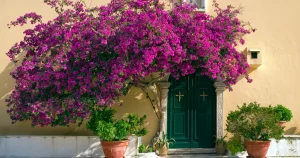
The Comprehensive Guide to Growing Bougainvillea for Colorful Blooms
Have you ever wanted your garden to be filled with brilliant color and tropical energy
19
Jun
Jun
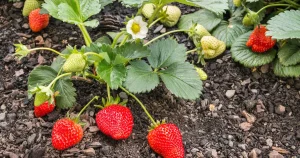
How to Successfully Plant Bare Root Strawberries in Containers
Have you ever wondered about planting strawberries in containers, but aren’t sure where to begin?
11
Jun
Jun
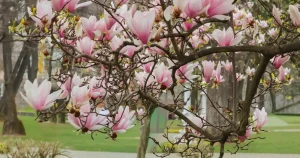
Top 5 Easiest Ornamental Trees to Grow for Beginners
Ever feel overwhelmed by the idea of planting a tree in your yard? You’re not
11
Jun
Jun

Growing Glencoe Raspberry: A Complete Guide for Gardeners
If you’re looking to add something unique to your garden, look no further than the
31
Mar
Mar