Crimson Diablo Ninebark Live Plant – Quart Pot – Deciduous Shrub, Outdoor
-30%

Crimson Diablo Ninebark Live Plant – Quart Pot – Deciduous Shrub, Outdoor
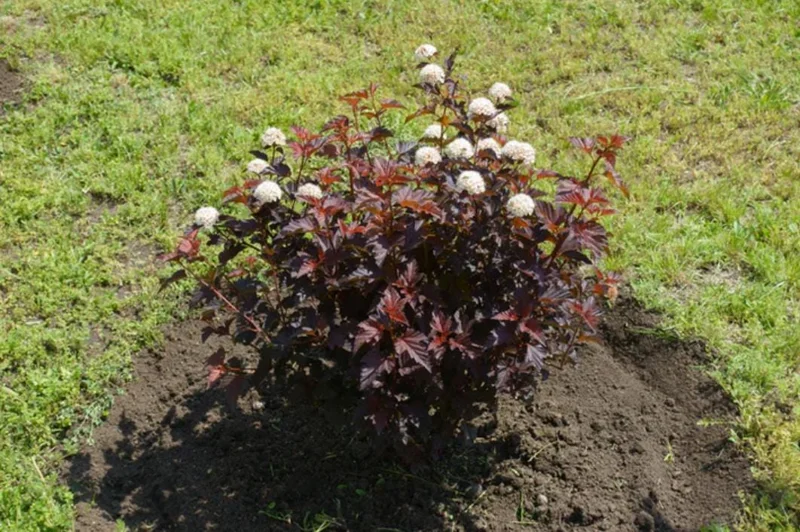
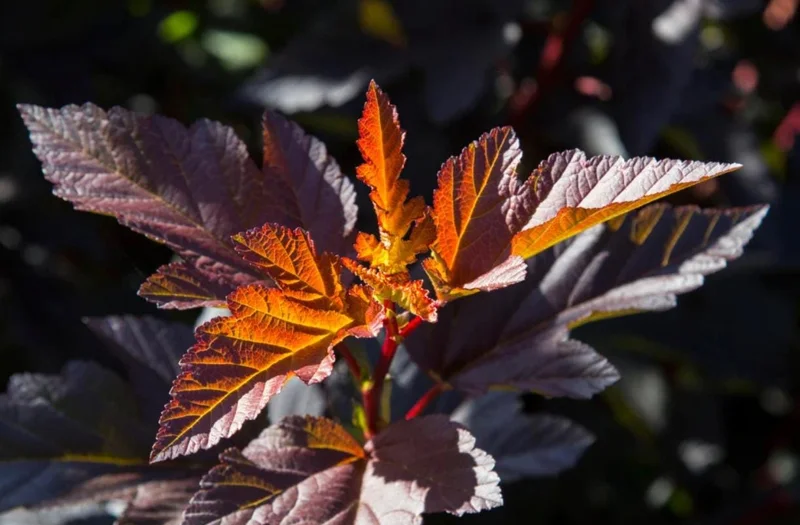
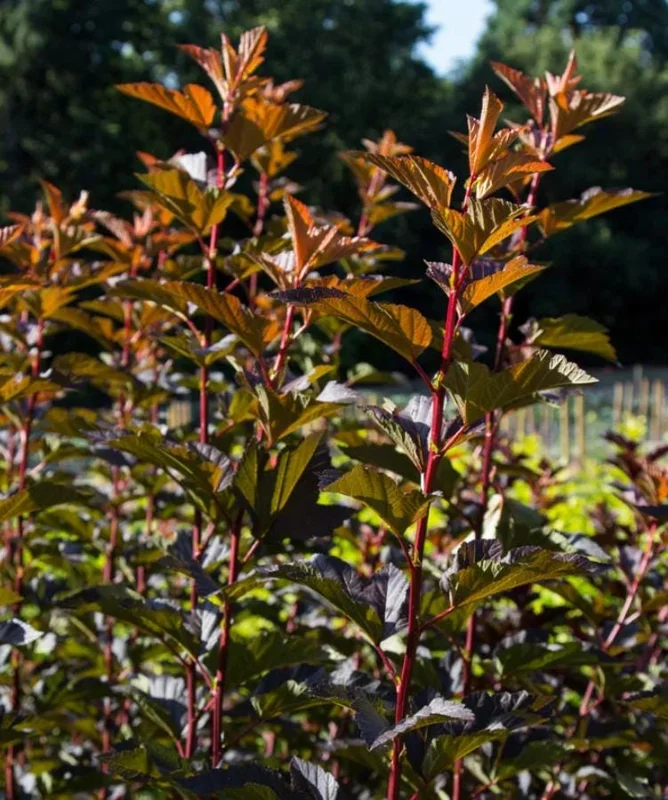
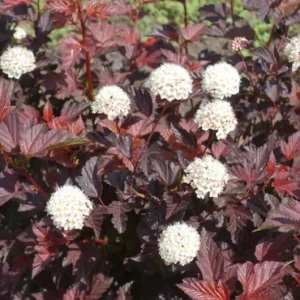
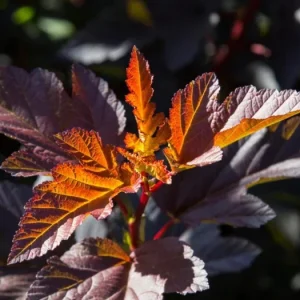
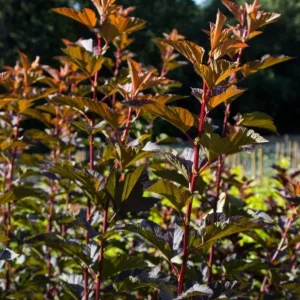
Enhance your garden with the stunning Crimson Diablo Ninebark live plant. This deciduous shrub boasts deep burgundy-red foliage and unique exfoliating bark, offering year-round visual interest. Shipped in a quart nursery pot, it’s perfect for adding bold color to any landscape.
Original price was: $59.98.$41.98Current price is: $41.98.

With our Alive & Thrive Guarantee, we’ve got your back for the first 30 days! If you have any concerns about your plants, just reach out to us. Our team is here to help answer your questions and guide you in selecting the best plants for your garden, climate, and unique preferences. We're excited to help you create the garden of your dreams!
Estimated arrival
Mar 31
Apr 05 - Apr 07
Apr 10 - Apr 14


Product Details
-
USDA Hardiness Zone
USDA Zones 2-8 -
Soil type
Well-draining soil -
Sunlight Exposure
Full sun to partial shade -
Expected Planting Period
Spring to early summer
Overview
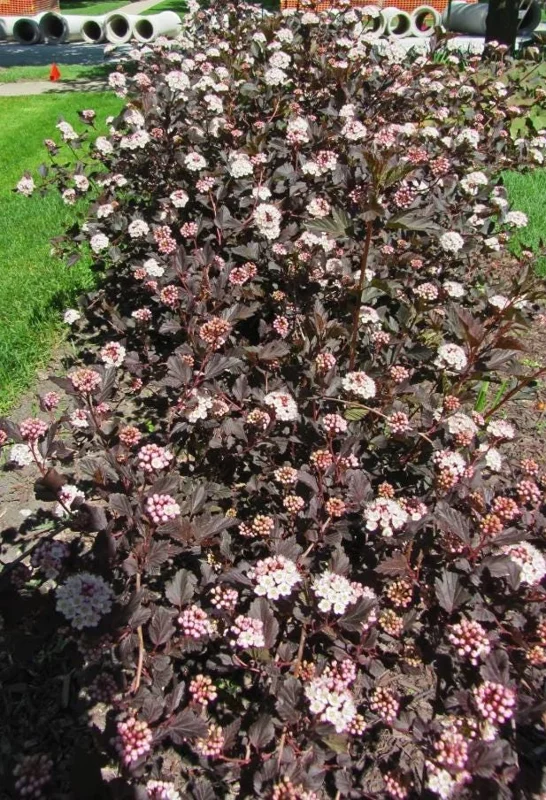
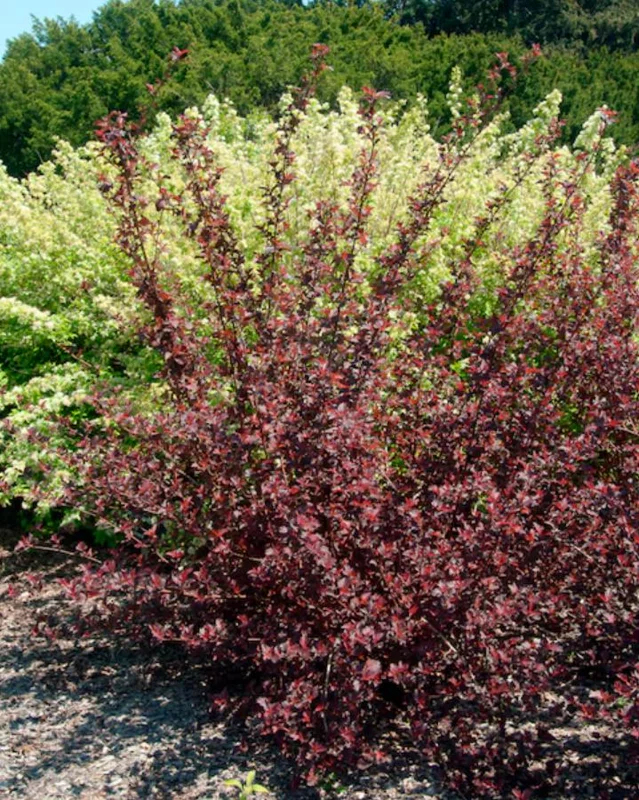
Introduce bold, captivating color and texture to your landscape with the Crimson Diablo Ninebark live plant. This exceptional deciduous shrub, scientifically known as Physocarpus opulifolius ‘Crimson Diablo’, is celebrated for its intensely rich, deep burgundy-red foliage that holds its vibrant hue throughout the growing season. Beyond its striking leaves, the Crimson Diablo Ninebark live plant develops fascinating exfoliating bark as it matures, revealing layers of texture that provide significant winter interest. Ideal for gardeners seeking a low-maintenance yet high-impact addition, this hardy shrub brings dynamic appeal to borders, mass plantings, or as a focal point in any garden design.
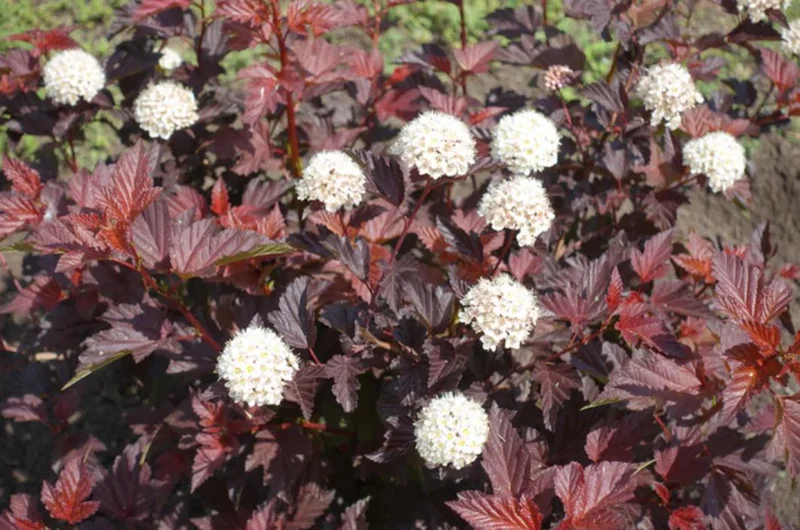
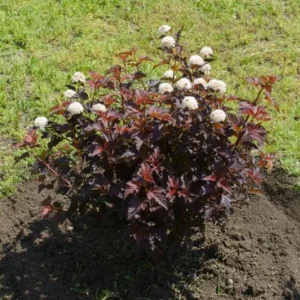
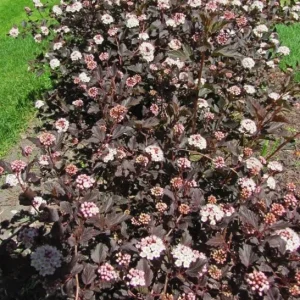
The ‘Crimson Diablo’ cultivar is a robust and adaptable plant, thriving across a wide range of climates and soil conditions. Its dramatic foliage is complemented by clusters of delicate white to pink flowers in late spring, attracting beneficial pollinators to your garden. Whether you’re a seasoned gardener or just starting, this Crimson Diablo Ninebark live plant offers an unparalleled combination of beauty, resilience, and year-round charm, making it a truly valuable asset to any outdoor space.
Key Benefits
The Crimson Diablo Ninebark live plant offers a multitude of benefits for any garden, combining aesthetic appeal with robust performance. Its unique characteristics make it a standout choice for various landscaping needs.
- Stunning Foliage Color: Enjoy deep burgundy-red leaves from spring through fall, providing continuous vibrant color that contrasts beautifully with green plants. This rich hue ensures your garden remains eye-catching throughout the seasons.
- Year-Round Visual Interest: Beyond its impressive foliage, the mature branches of the Crimson Diablo Ninebark live plant develop distinctive exfoliating bark. This peeling bark reveals multiple layers, adding unique texture and architectural interest, especially during the winter months when other plants are dormant.
- Attractive Blooms for Pollinators: In late spring to early summer, the plant produces charming clusters of bell-shaped white to pink flowers. These delicate blossoms not only enhance the plant’s beauty but also serve as a valuable nectar source, attracting bees, butterflies, and other essential pollinators to your garden.
- Exceptional Hardiness and Adaptability: This deciduous ninebark is remarkably hardy and resilient, thriving in USDA Zones 2-8. It adapts well to a variety of soil types and light conditions, making it a versatile choice for many different garden environments and climates.
- Low Maintenance Requirements: Once established, the Crimson Diablo Ninebark is a relatively low-maintenance shrub. It requires minimal pruning to maintain its shape and health, making it an excellent option for gardeners seeking beauty without extensive upkeep.
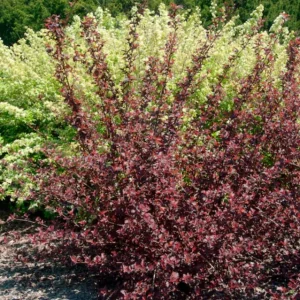
- Versatile Landscape Use: Its striking color and texture make it suitable for various garden applications. Use it as a vibrant hedge, a bold specimen plant, an accent in mixed borders, or for mass plantings to create a dramatic effect.
Plant Care & Growing Tips
Caring for your Crimson Diablo Ninebark live plant is straightforward, ensuring it thrives and displays its stunning features year after year. This hardy shrub is quite forgiving, making it a great choice for both novice and experienced gardeners. Understanding its basic needs will help you maximize its vibrant foliage and unique bark.
For optimal growth, plant your Physocarpus opulifolius ‘Crimson Diablo’ in a location that receives full sun to partial shade. Full sun (at least 6 hours of direct sunlight daily) will generally result in the most intense burgundy foliage color. While it tolerates some shade, too much shade can cause the foliage to green out slightly. The plant is adaptable to a wide range of soil conditions, but it performs best in well-draining soil. Avoid heavy, waterlogged soils, as this can lead to root rot. If your soil is heavy clay, amend it with organic matter like compost to improve drainage and aeration. Once established, this burgundy ninebark shrub is quite drought-tolerant, but consistent moisture during dry spells, especially in its first year, will promote strong root development.
This deciduous ninebark is hardy in USDA Zones 2-8, demonstrating excellent cold tolerance. Fertilize lightly in early spring with a balanced, slow-release granular fertilizer formulated for trees and shrubs. Pruning is best done after flowering in late spring or early summer to maintain desired size and shape. You can remove dead or damaged branches at any time. To encourage a bushier habit, you can cut back a third of the oldest stems to the ground every 2-3 years. Watch out for common pests like aphids, though they rarely cause significant damage. Ensuring proper air circulation can help prevent fungal issues. With these simple care practices, your Crimson Diablo Ninebark live plant will be a showstopper in your garden.
Size & Details
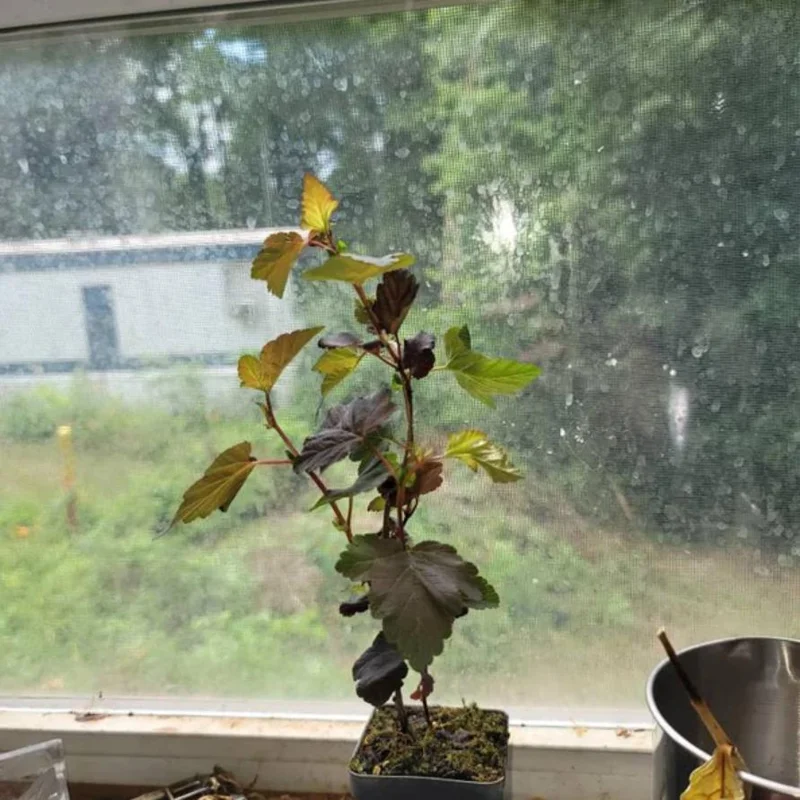
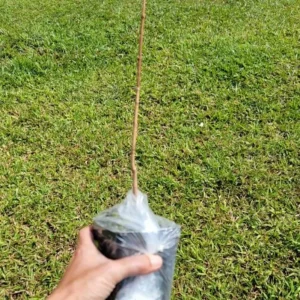
The Crimson Diablo Ninebark live plant is shipped in a quart nursery pot, providing a healthy start for your garden. Upon arrival, the plant will be well-rooted and ready for transplanting. This deciduous shrub typically grows to a mature height of 6-10 feet with a similar spread, creating a substantial presence in the landscape. Its growth rate is moderate, allowing it to establish itself effectively within a few seasons.
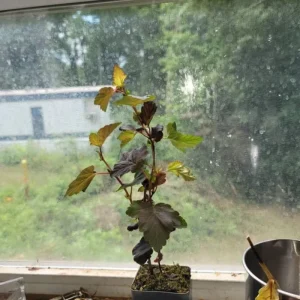
The plant’s palmate leaves have 3 to 7 lobes with toothed edges, contributing to its rich texture. In late spring to early summer, clusters of white to pink flowers appear, followed by small, attractive seed capsules. The signature exfoliating bark begins to develop on mature branches, adding significant winter appeal. This ninebark plant care is straightforward, making it an excellent long-term investment for adding structure and color to your garden.
Frequently Asked Questions
- Q: How big does the Crimson Diablo Ninebark plant get? A: The Crimson Diablo Ninebark live plant typically reaches a mature height and spread of 6-10 feet, making it a medium-to-large shrub suitable for various landscape uses. Its size can be managed with pruning.
- Q: What size pot does it come in? A: Your Crimson Diablo Ninebark live plant will arrive in a quart-sized nursery pot, providing a robust root system for successful planting in your garden.
- Q: Is this an indoor or outdoor plant? A: The Crimson Diablo Ninebark live plant is an outdoor deciduous shrub, extremely hardy and well-suited for garden beds, borders, and as a specimen plant in USDA Zones 2-8. It is not intended for indoor cultivation.
- Q: How much sunlight does it need? A: This plant thrives in full sun (at least 6 hours of direct sunlight daily) to partial shade. Full sun exposure will encourage the most vibrant burgundy foliage color.
- Q: Is this plant easy to care for? A: Yes, the Crimson Diablo Ninebark live plant is considered low-maintenance once established. It is adaptable to various conditions and requires minimal care, making it suitable for gardeners of all experience levels.
- Q: What condition will it arrive in? A: Your plant will arrive as a healthy, well-rooted live plant in a quart nursery pot. During colder months, plants may arrive dormant or with minimal foliage, which is normal and indicates healthy growth will resume with warmth.
- Q: How long until it blooms? A: The Crimson Diablo Ninebark live plant typically blooms in late spring to early summer, usually within its first few years after planting, provided it receives adequate sunlight and care.
- Q: Will it survive winter in my zone? A: This burgundy ninebark shrub is very cold hardy, thriving in USDA Zones 2-8. It is well-equipped to survive harsh winters in these regions, shedding its leaves in fall and returning vigorously in spring.
- Q: What’s the best time to plant a ninebark? A: The best time to plant your Crimson Diablo Ninebark live plant is in spring or early fall, allowing the roots to establish before extreme summer heat or winter cold.
- Q: Does the ‘Crimson Diablo’ ninebark attract pollinators? A: Yes, the clusters of white to pink flowers produced by the Physocarpus opulifolius ‘Crimson Diablo’ in late spring are attractive to various pollinators, including bees and butterflies, contributing to garden biodiversity.
Related products
-50%
Original price was: $83.00.$41.50Current price is: $41.50.
-30%
Original price was: $73.98.$51.78Current price is: $51.78.
-43%
Original price was: $89.99.$50.99Current price is: $50.99.

-10%
Original price was: $23.99.$21.59Current price is: $21.59.
-50%
Original price was: $59.98.$29.99Current price is: $29.99.
-50%


Original price was: $63.00.$31.50Current price is: $31.50.
PLANTING & CARE

Growing Glencoe Raspberry: A Complete Guide for Gardeners
If you’re looking to add something unique to your garden, look no further than the
31
Mar
Mar

The Comprehensive Guide to Growing Bay Leaf Plants for a Flavorful Garden
Imagine stepping into your garden, greeted by the earthy aroma of fresh bay leaves, their
09
Feb
Feb

How to Make Comfrey Tea: The Ultimate Organic Plant Food
Growing an organic garden can be surprisingly expensive, especially when most store-bought fertilizers come in
02
Feb
Feb

True Comfrey: 7 Essential Tips Before You Plant This Herb
A staple in permaculture practices across the US, True Comfrey easily earns its reputation as
27
Jan
Jan

7 Heart-Shaped Plants for a Lasting Valentine’s Gift
If you’ve ever bought a bouquet of roses for Valentine’s Day, you know they are
26
Jan
Jan

Best Types of Ivy Plant for Houses: How to Choose the Perfect Ones for Your Home
Are you a garden lover looking to introduce some greenery into your home? Maybe you’ve
14
Nov
Nov

When to Harvest Garlic (Especially Fall-Planted Garlic)
TIMING IS EVERYTHING, they say – and for garlic, that truth hits with surprising accuracy.
13
Nov
Nov

11 of the Best Sweet Potato Varieties to Grow for Your Garden
If you’ve ever tried growing sweet potatoes, you know that picking the right variety can
12
Nov
Nov